The Story
Why it exists.
The beginning
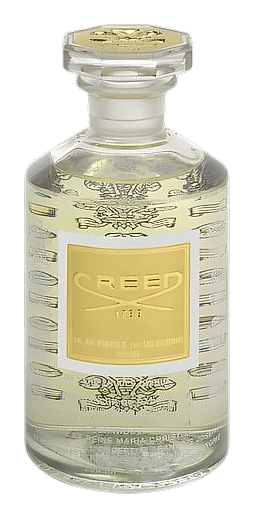
In 1890, the wife of a U.S. President encountered Creed during her European honeymoon. She wrote to the house requesting a fragrance built around the Bulgarian tea roses she'd experienced on her travels, a flower that had stayed with her across borders and time zones. Henry Creed Third Generation answered the call. Taken from the Creed private collection vault, Fleur de The Rose Bulgare is that answer, an alternate take on the classic rose scent, built from bergamot and citrus, anchored by ambergris, and centered on a Bulgarian rose that arrives cool and mineral rather than saturated and sweet. It's the smell of something remembered, not something performed.
What makes this composition unusual is its structure. A single base note, ambergris, replaces the usual woods, musks, or vanillas. The green tea blossom serves as the bridge between rose and ambergris, keeping the Bulgarian rose from becoming overly perfumed or syrupy. It adds a cool, slightly astringent quality that reads as powdery rather than sweet. The bergamot, lemon, and mandarin orange in the top notes contribute brightness, while the tea-rose combination carries the middle act.
The evolution
The opening is citrus-forward and bright, led by bergamot and mandarin orange. Lemon adds a slight sharpness that fades within the first twenty minutes, leaving the green tea blossom to establish itself alongside the Bulgarian rose. The rose-tea pairing creates a cool, powdery character that most modern rose fragrances avoid entirely, too close to talc, too far from the saturated florals that dominate current taste. The drydown belongs to the ambergris. This is where the fragrance makes its most distinctive choice. The ambergris is animalic, salty, warm, standing alone without the usual woods and musks that typically frame it. On some wearers it becomes the dominant note for the final act, and the animalic warmth arrives early and remains present throughout the wear.
Cultural impact
Fleur de The Rose Bulgare has maintained a quiet presence in the Collection Privee for over a century. The ambergris base remains its most discussed element, drawing attention for its unusual prominence in a rose fragrance. Collectors note how the pairing of Bulgarian rose with green tea blossom creates a powdery coolness that contrasts with the warm, animalic base, an effect rarely attempted in contemporary perfumery. The fragrance's reliance on natural materials like ambergris and its rejection of typical woody or musky foundations has made it a reference point for those interested in how vintage construction differs from modern approaches.