Tamanu
Rare and treasured in perfumery, tamanu oil offers a rich, resinous depth that gives fragrances unexpected complexity. Cold-pressed from the kernels of a coastal Pacific tree, it has been used for centuries as a sacred healing oil before becoming a perfumer's secret weapon for fixative power.
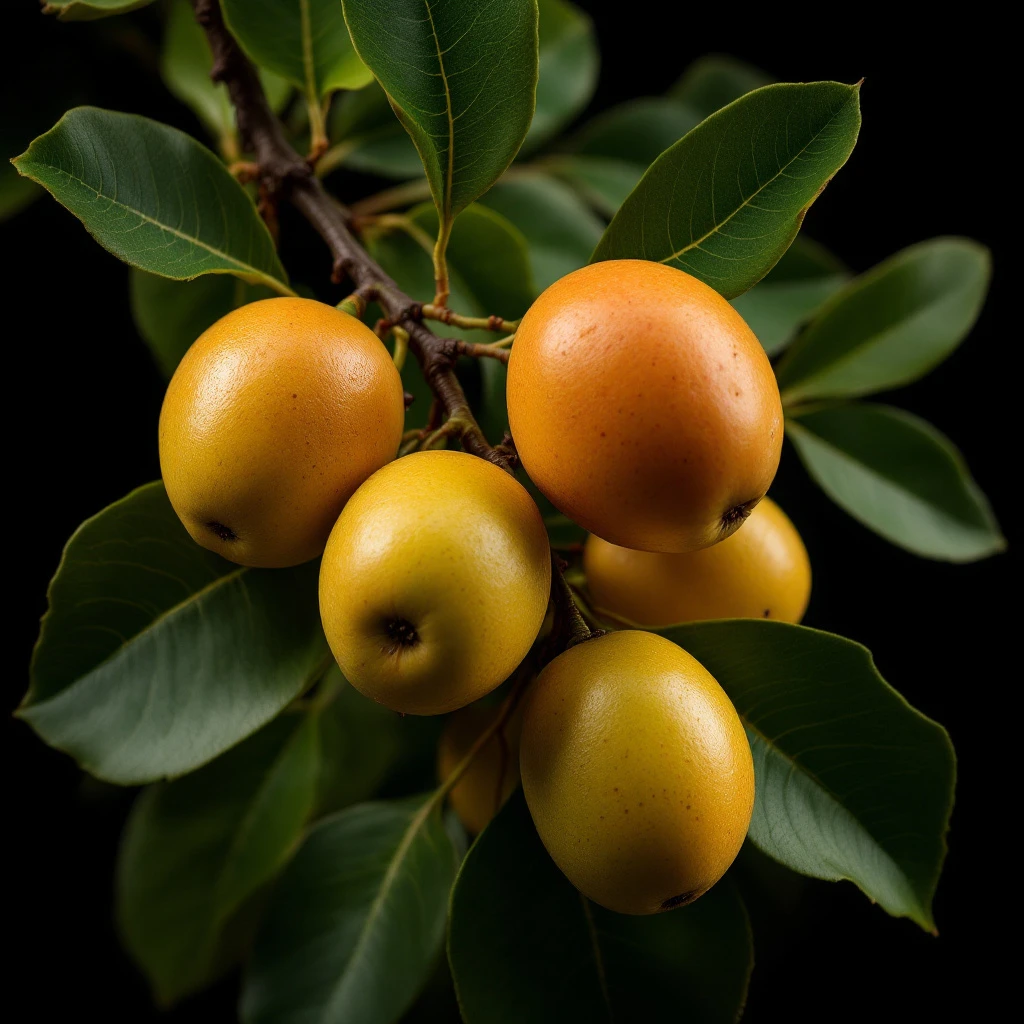
Character
How it smells
A perfumer's secret fixative with ancient roots
The oil is so prized in Pacific cultures that islanders traditionally reserved it for chiefs and healers, refusing to let a single drop leave the islands.

Origin
Vietnam
For thousands of years, Pacific Island cultures have considered tamanu oil sacred. Polynesian healers used it to treat wounds, burns, and skin infections long before modern medicine could explain why it worked. Melanesian villages applied the oil during childbirth and to heal battlefield injuries.
When European explorers first reached islands like Tahiti and Vanuatu in the 1700s, they observed healers using the thick green oil for virtually every skin ailment. The oil held ritual significance too, used in ceremonies to bless new homes and mark important life transitions. In Southeast Asia, coastal communities from Vietnam to the Philippines developed their own traditions around the tree, which they called "bitter oil" for its potent medicinal taste.
Each culture developed specific methods for processing the nuts and applying the oil, knowledge passed through generations of healers. Today, these same traditions inform sustainable harvesting practices on remote islands where the trees still grow wild along shorelines.
Wears it best
Fragrances featuring Tamanu

Brands
Brands known for Tamanu
Good to know
Questions, answered
The essentials on Tamanu in perfumery: how it smells, where it comes from, and how it behaves on skin.
What does tamanu oil smell like in perfume?
Tamanu has a rich, nutty aroma with warm, slightly medicinal undertones and an earthy base that adds weight to fragrance compositions.
Is tamanu oil commonly used in mainstream perfumery?
No. Tamanu remains a niche ingredient found mainly in indie and natural perfume houses, valued more for its fixative properties than its scent.
Why does tamanu oil vary in color?
Freshly pressed tamanu oil ranges from dark olive green to near-black depending on the harvest region and how long the kernels dried before pressing.
Can tamanu oil cause allergic reactions?
Patch testing is recommended. While rare, some individuals experience contact dermatitis from the oil's active resinous compounds.
How does tamanu function as a perfume fixative?
Its dense, slightly viscous nature helps slow the evaporation of lighter top notes, extending a fragrance's longevity on skin.
Where does the highest quality tamanu oil come from?
Madagascar and Vanuatu produce consistently prized oil, though the trees grow across a vast tropical belt from India to the Pacific.
What makes tamanu special among natural perfumery ingredients?
Few ingredients carry such a clear line from ancient healing practice to modern fragrance use, giving it an unusually layered cultural history.