Taiwanese Incense Cedar
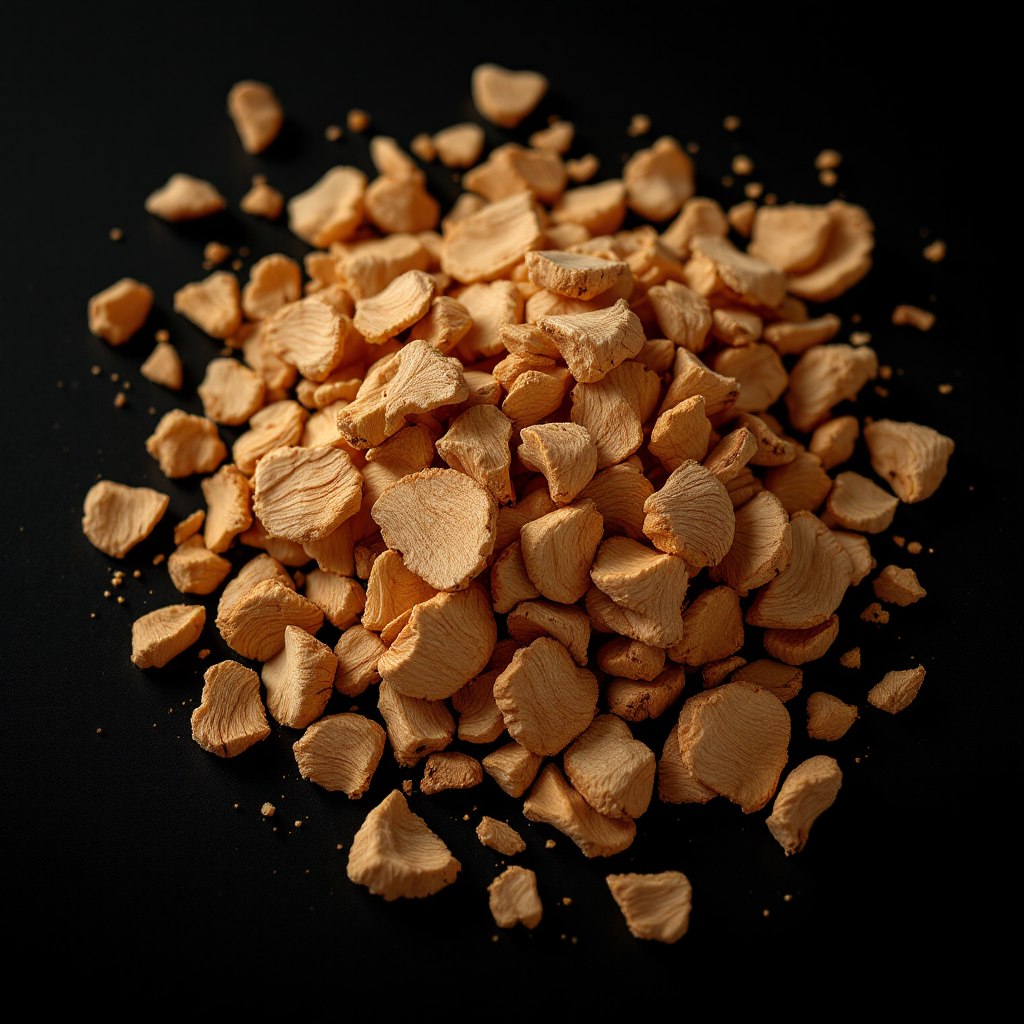
Taiwanese Incense Cedar, or Calocedrus formosana, is an endemic conifer whose aromatic heartwood has anchored sacred smoke rituals in East Asia for centuries. The pale yellow essential oil carries warm, balsamic, and slightly sweet notes.
Character
How it smells
Ancient smoke, modern scent.
Taiwan's remaining old-growth incense cedar forests shelter trees over 1,000 years old.





Origin
Taiwan
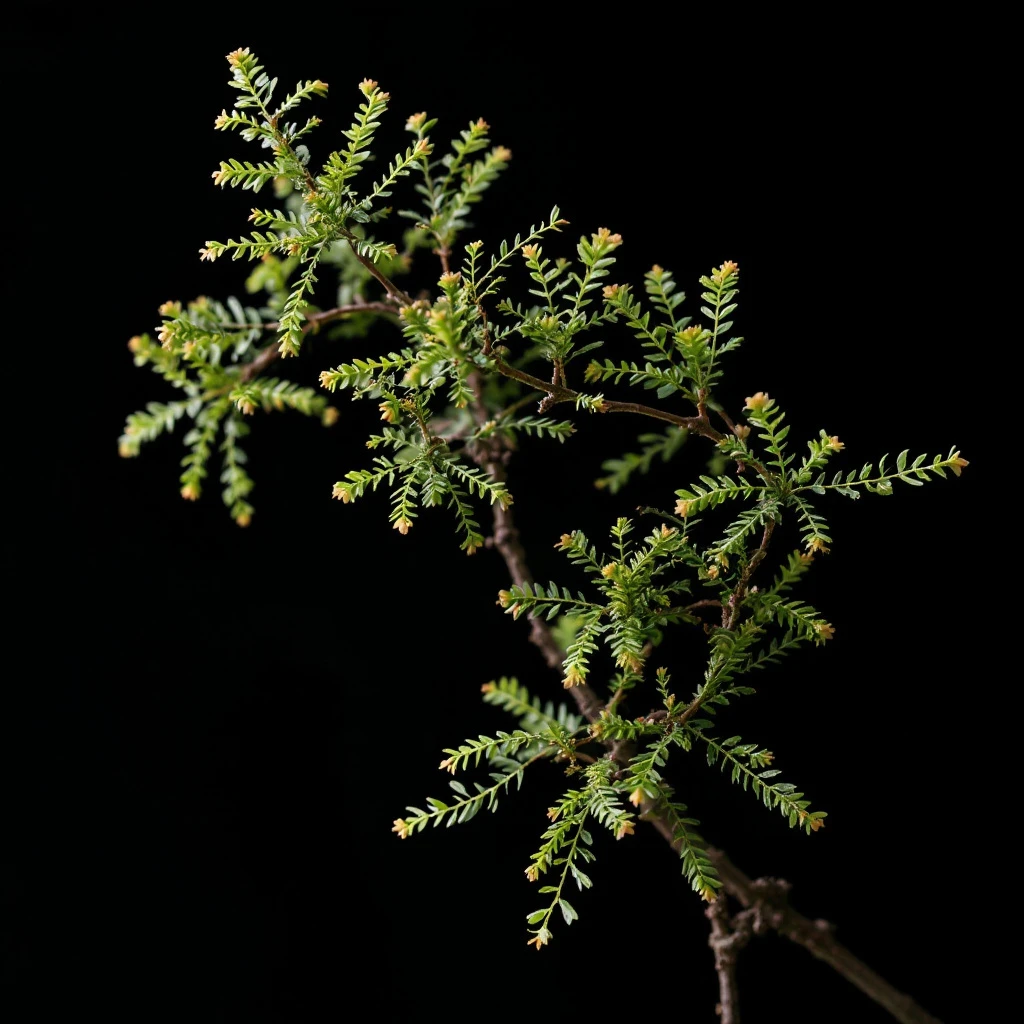
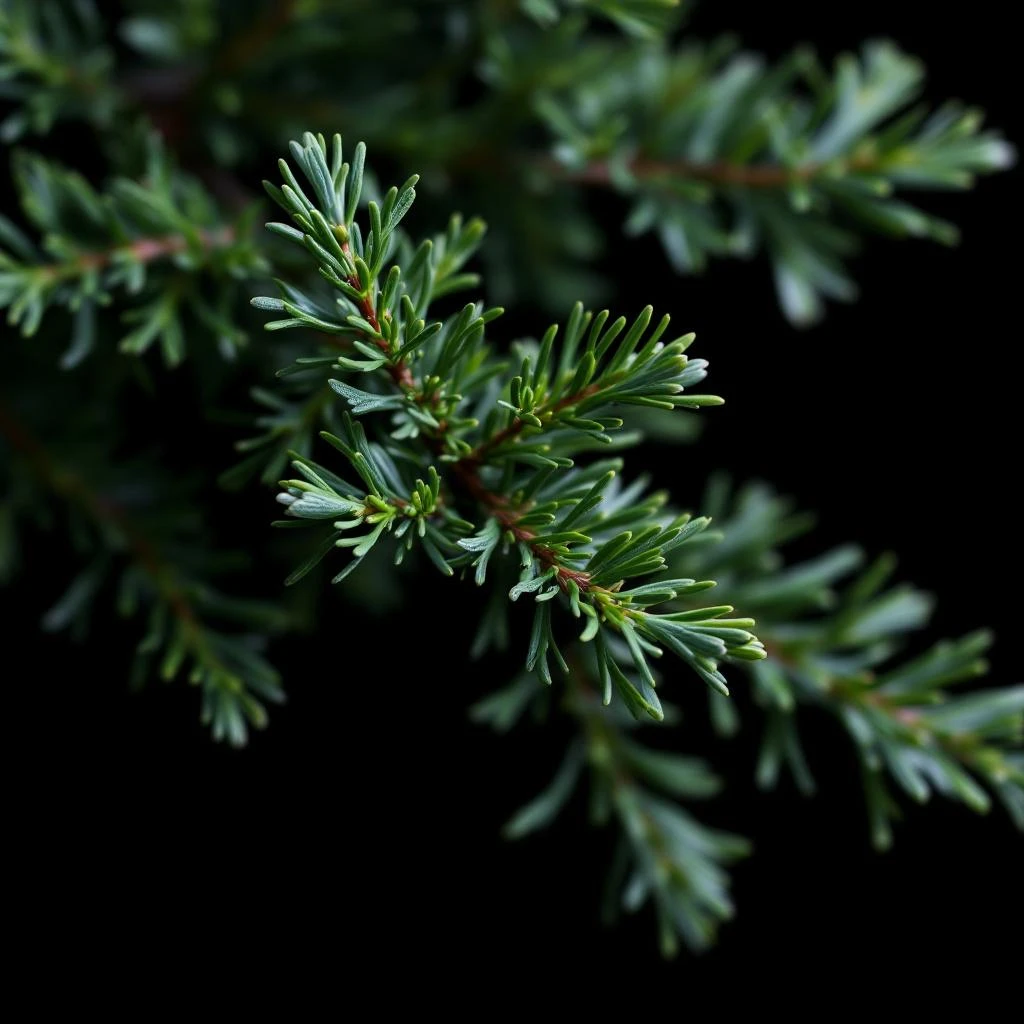
Calocedrus formosana grows only in Taiwan's mountainous forests between 1,000 and 2,000 meters elevation, making it a botanical endemic of exceptional rarity. Indigenous communities and early Chinese settlers discovered that burning the fragrant wood produced smoke suited for sacred rituals and ancestral offerings. The species name xiao nan, meaning gentle and virtuous, reflects the cultural regard for this tree.
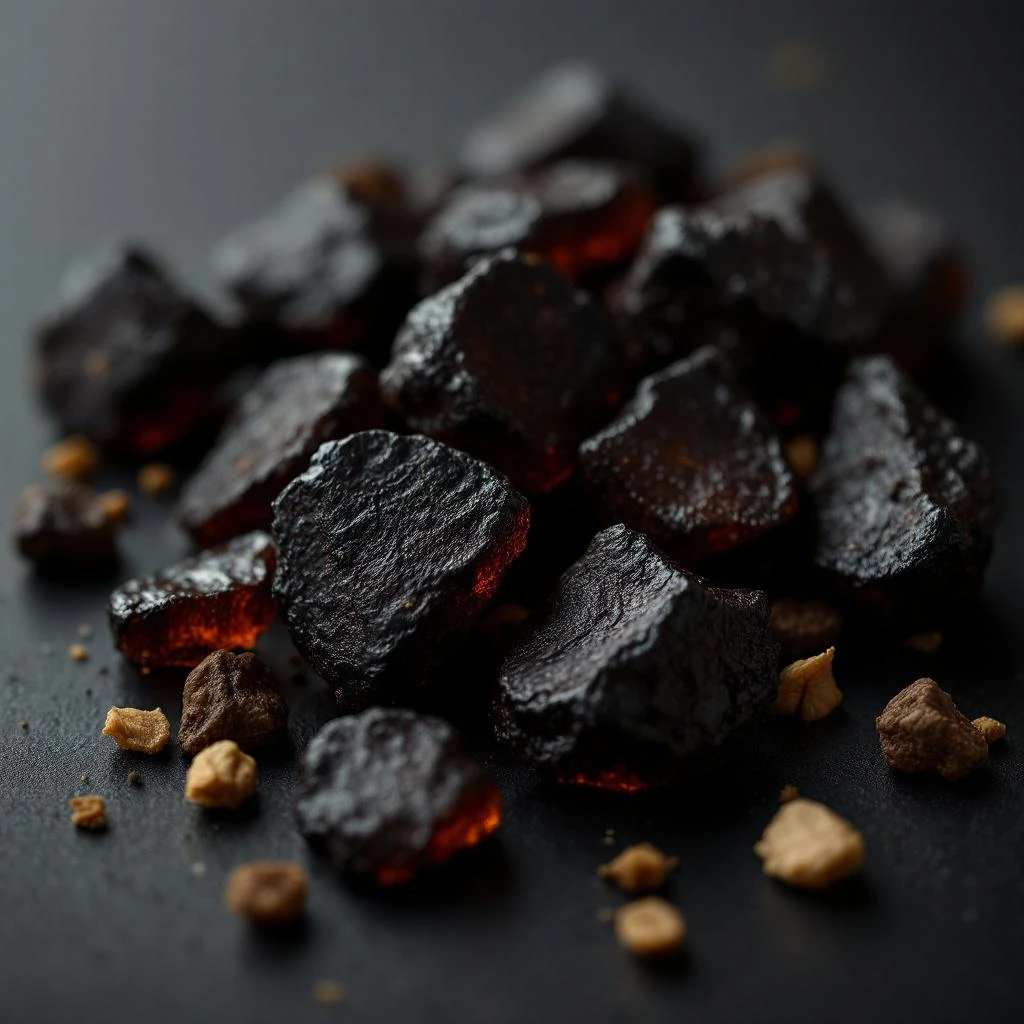
For centuries, Taiwanese incense makers have relied on this wood as a base for traditional incense sticks and cones. The practice connects to broader East Asian traditions where incense served as a bridge between the physical and spiritual worlds. Today, sustainable forestry programs in Taiwan work to protect remaining old-growth stands while supporting cultivation of younger trees for aromatic use.
The species faces pressure from overharvesting, which makes traceability and responsible sourcing increasingly important for the fragrance industry.
Wears it best
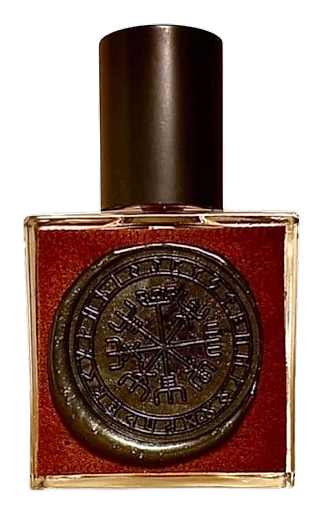
Fragrances featuring Taiwanese Incense Cedar
Brands
Brands known for Taiwanese Incense Cedar
Good to know
Questions, answered
The essentials on Taiwanese Incense Cedar in perfumery: how it smells, where it comes from, and how it behaves on skin.
What does Taiwanese Incense Cedar smell like?
Taiwanese Incense Cedar offers warm, balsamic, and resinous qualities with subtle sweet undertones. The scent carries a distinctive dry-wood character that differentiates it from Virginian cedarwood, leaning more toward traditional incense smoke than sharp pencil shavings.
Is Taiwanese Incense Cedar sustainably sourced?
Sustainable sourcing depends on the supplier. Taiwan has implemented forestry programs protecting old-growth stands while cultivating younger trees. Look for certified sources that trace their supply chain back to responsibly managed Taiwanese forests.
How is Taiwanese Incense Cedar oil extracted?
Steam distillation extracts the oil from heartwood chips and sawdust. The dense wood requires extended distillation times, sometimes multiple days, to release its aromatic compounds fully into the condensate.
Where does Taiwanese Incense Cedar grow?
Calocedrus formosana grows exclusively in Taiwan's central mountain range at elevations between 1,000 and 2,000 meters. The species is endemic to Taiwan, meaning it occurs naturally nowhere else on Earth.
What fragrance families use Taiwanese Incense Cedar?
Perfumery incorporates this material in woody, oriental, and incense families. It serves as a base note that adds warmth and resinous depth, particularly in fragrances designed to evoke traditional East Asian aesthetics.
How long has Taiwanese Incense Cedar been used?
Communities in Taiwan have burned the wood for incense purposes for centuries. Historical records document its use in ritual contexts alongside other aromatic materials traditional to Chinese and Taiwanese culture.
Is this different from other cedar species?
Yes. Taiwanese Incense Cedar belongs to the genus Calocedrus, distinct from Cedrus or Juniperus species. The aroma profile differs noticeably, offering a more balsamic, incense-like character compared to sharp, terpenic cedarwood oil.
What parts of the tree are used in perfumery?
Perfumery uses the heartwood, the dense inner core of the tree. Craftsmen harvest mature specimens, reduce the heartwood to small pieces, and process it through distillation to obtain the aromatic extract.