Syrian Cumin
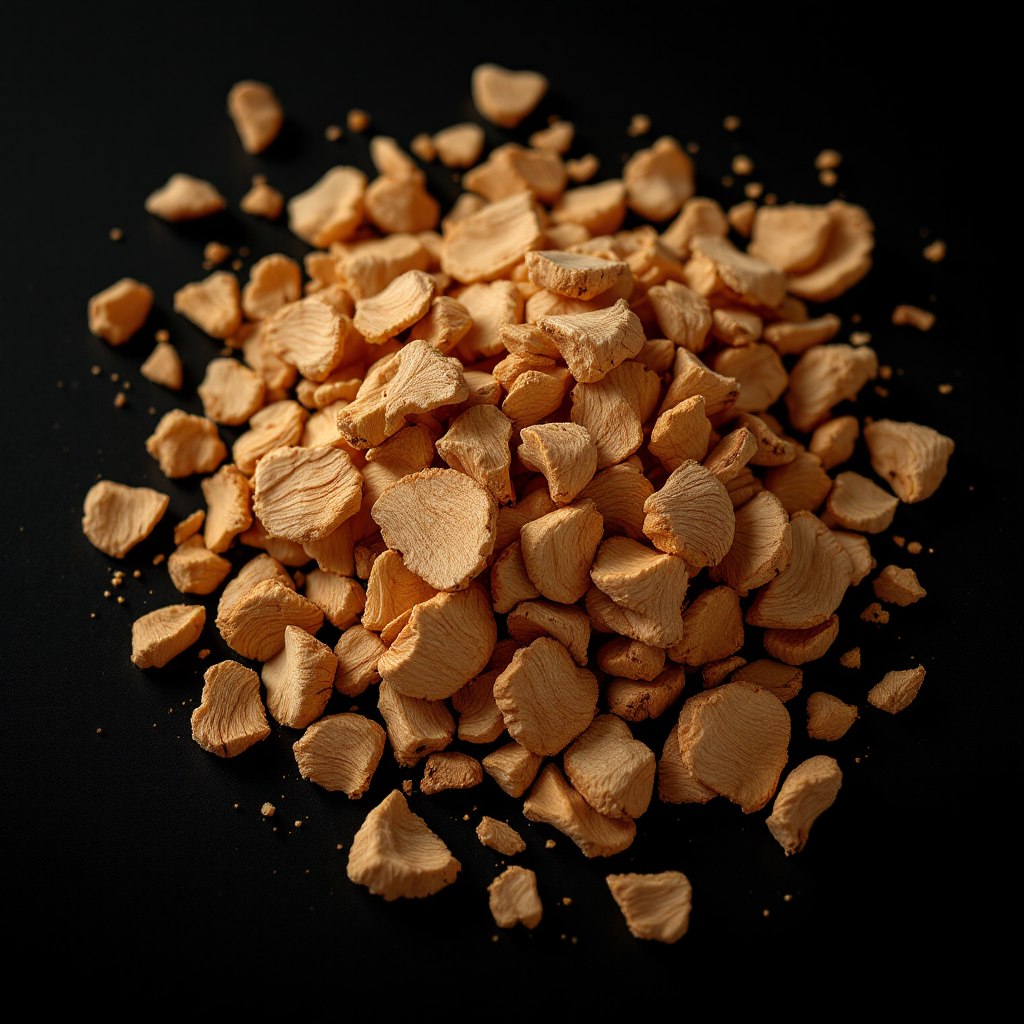
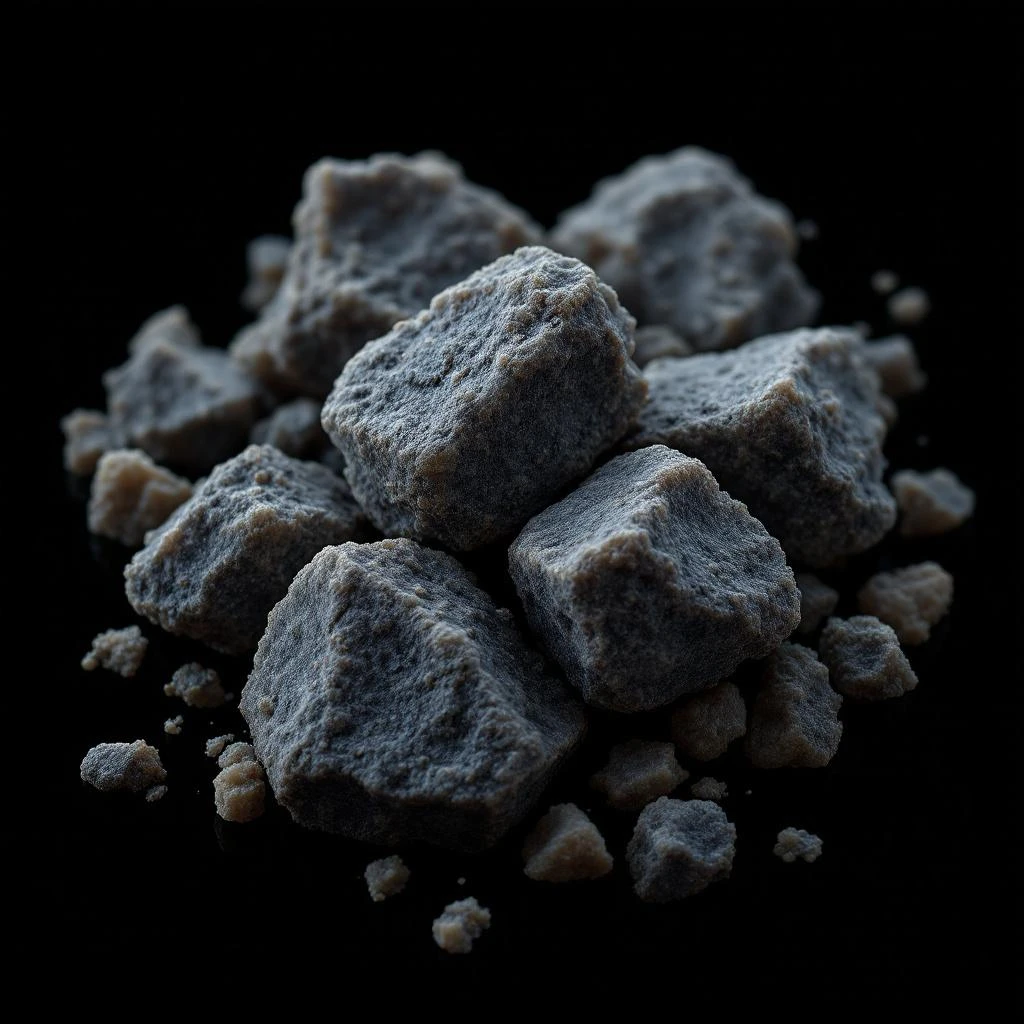
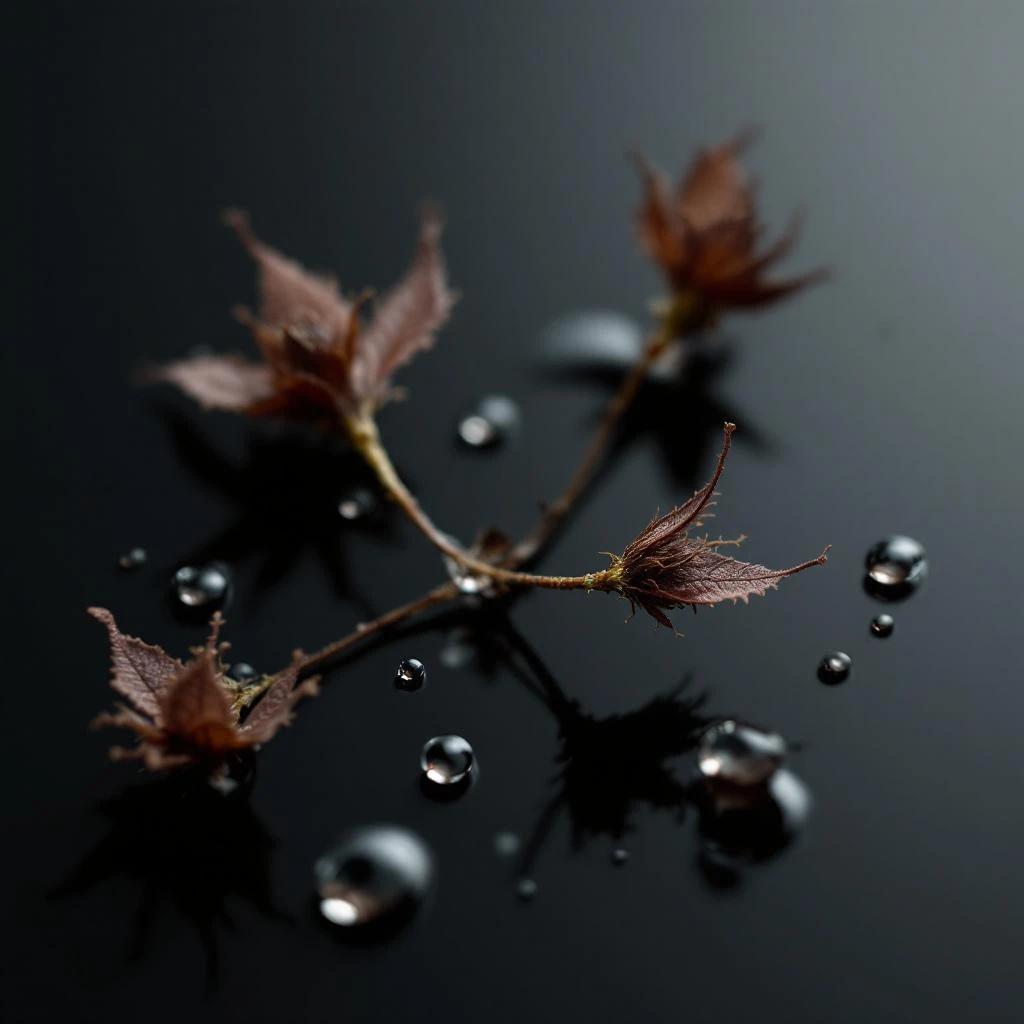
Syrian cumin delivers a bold, warmly animalic intensity that anchors oriental fragrances with earthy depth and spicy heat. Sourced from the fertile valleys of Syria, this ancient spice has perfumers reaching for its raw, magnetic character.
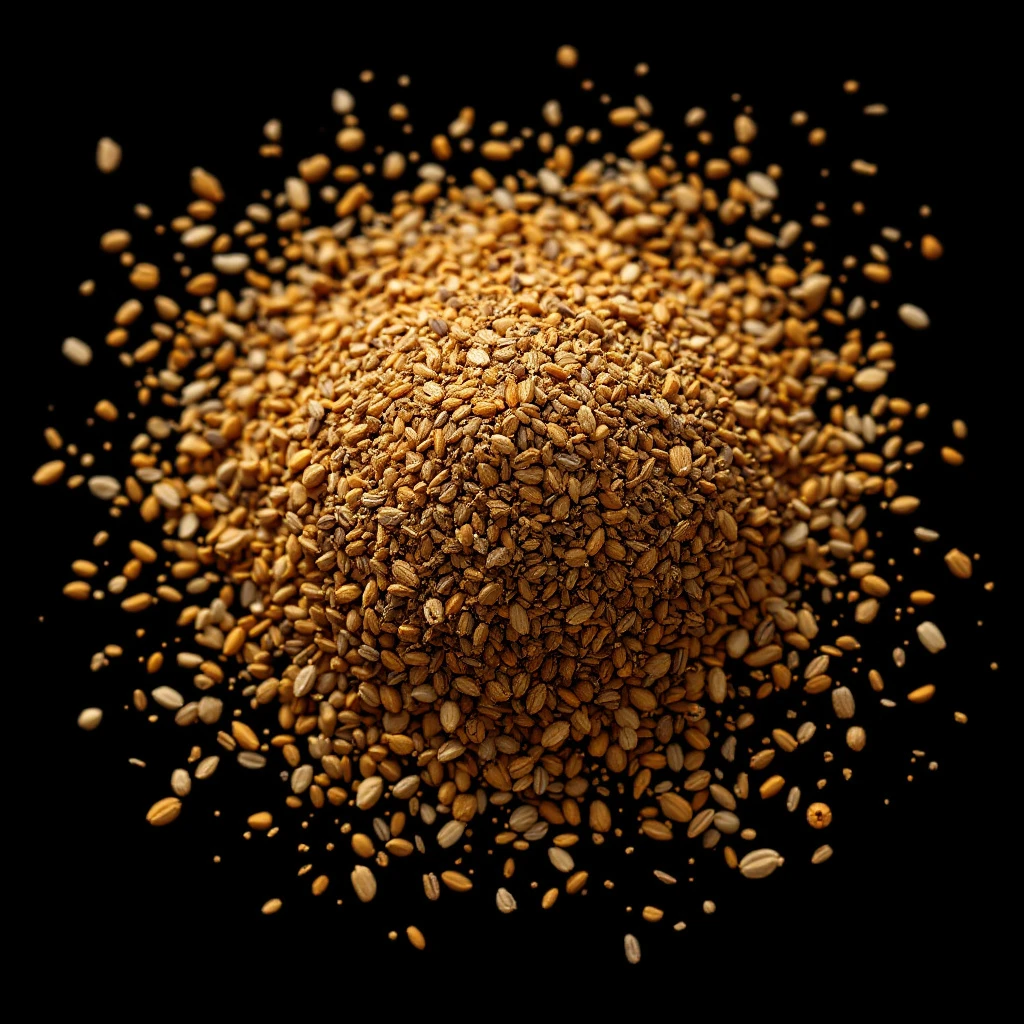
Character
How it smells
Bold, earthy, and unapologetically warm.
Ancient Syrian traders carried cumin as currency, valuing it alongside gold and silver for its weight in trade.





Origin
Syria
Syria sits along the ancient Spice Road, where cumin traveled for millennia between Mesopotamia and the Mediterranean world. Egyptian, Greek, and Roman cultures prized the seed for its preservative and aromatic qualities, burning it in sacred rituals and incorporating it into unguents worn by royalty. The Romans famously used cumin at the table and believed it sustained courage in soldiers departing for battle.
Arab perfumers of the medieval period recognized its fixative strength, blending it into early compound perfumes alongside frankincense and myrrh. Syrian cumin developed a reputation for superior oil content and warm, complex character, a distinction that endures among fragrance ingredient buyers today.
Wears it best
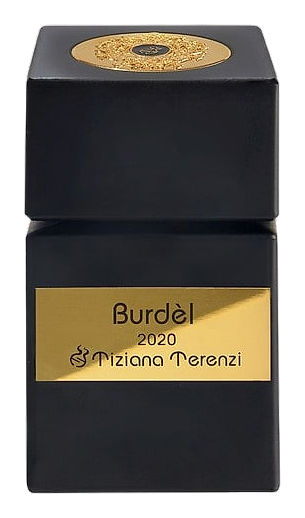
Fragrances featuring Syrian Cumin
Brands
Brands known for Syrian Cumin
Good to know
Questions, answered
The essentials on Syrian Cumin in perfumery: how it smells, where it comes from, and how it behaves on skin.
What does Syrian cumin smell like in perfume?
Syrian cumin essential oil carries a warm, spicy character with earthy and slightly animalic undertones. It reads as savory-woody in compositions, adding depth rather than sweetness.
Is Syrian cumin the same as cumin spice from the grocery store?
Botanically identical, but fragrance-grade Syrian cumin undergoes strict quality selection for oil content and aromatic purity, far exceeding culinary standards.
How is cumin essential oil produced?
Steam distillation extracts cumin oil from dried, ripe seeds. The process takes several hours and yields a concentrated oil that represents only a small fraction of the seed's weight.
What fragrance families use Syrian cumin?
Oriental and leather fragrances most commonly feature cumin for its warmth and fixative strength. Chypre and certain masculine fougère formulations also employ it as a supporting note.
Does Syrian cumin have fixative properties?
Yes. Cumin oil helps slow the evaporation of lighter top notes in a blend, making it a functional ingredient beyond its aromatic contribution.
Are there different grades of cumin oil?
Oil content varies by origin and seed quality. Syrian-sourced cumin is recognized in the industry for consistent aldehyde levels that produce reliable warm, spicy results.
Can cumin be extracted by methods other than steam distillation?
A concrete and absolute exist, produced via solvent extraction. These capture broader aromatic compounds including heavier, more animalic notes that steam distillation can mute.
What parts of the cumin plant are used in perfumery?
Perfumers use only the dried ripe fruits, commonly called seeds. The seed structure concentrates the volatile aromatic compounds the plant developed to deter herbivores.