Sweet Wood
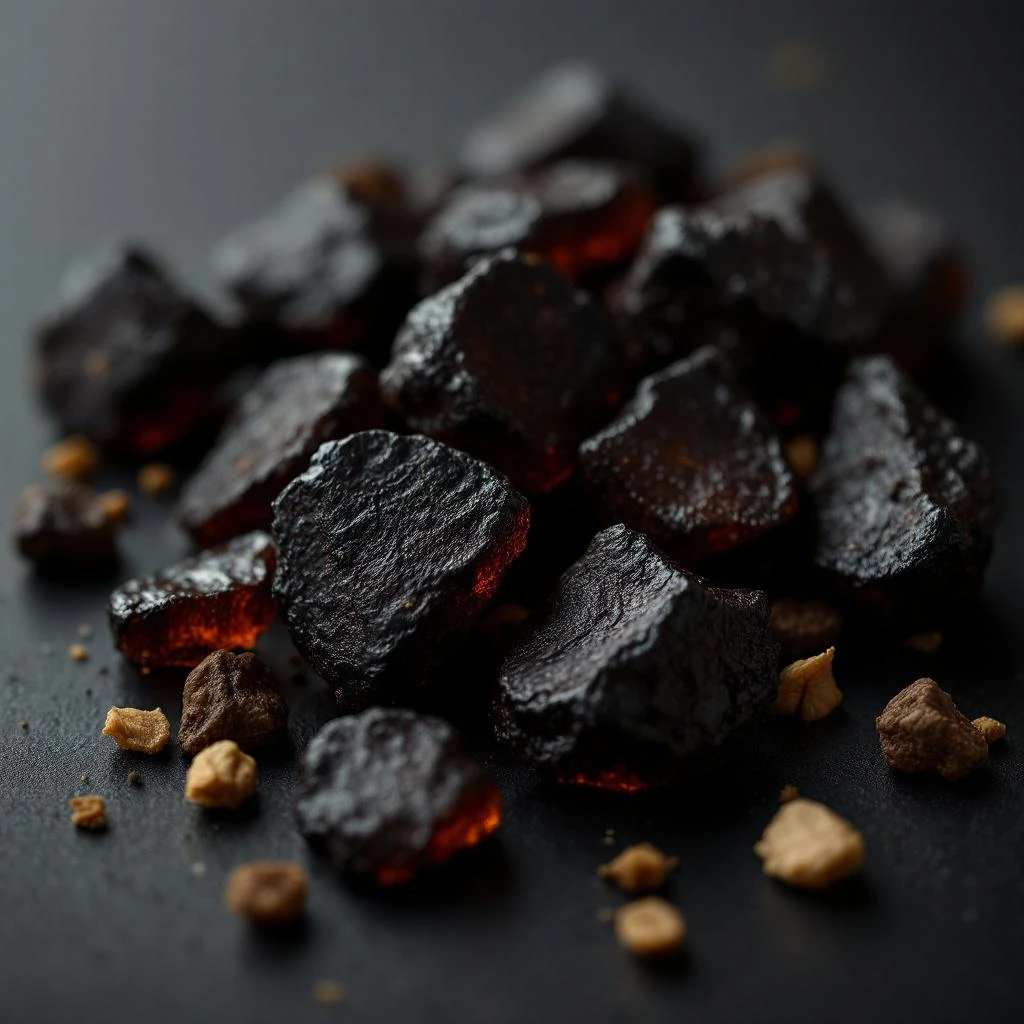
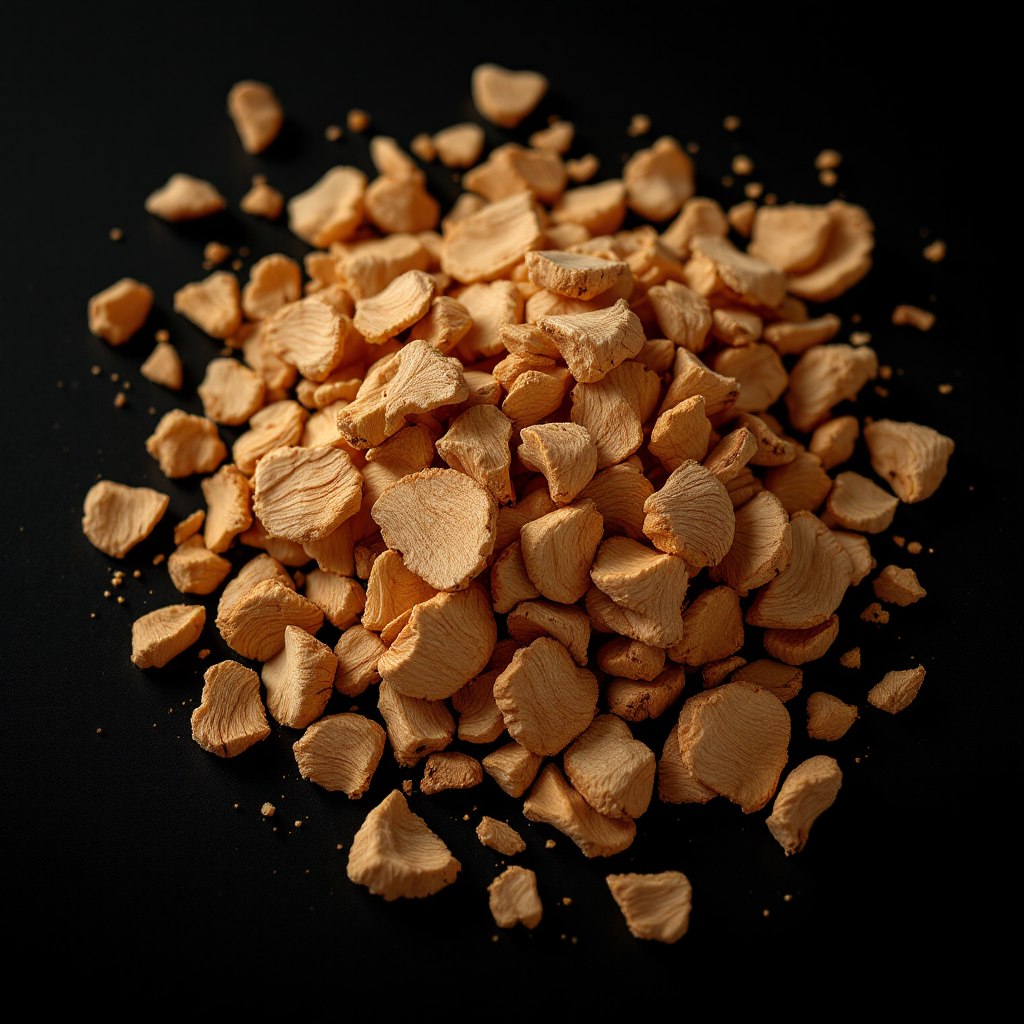
The warm, creamy heartwood of sandalwood delivers soft, sweet woody notes that blend seamlessly with florals, resins, and musks. This ancient ingredient forms the emotional core of countless iconic fragrances.
Character
How it smells
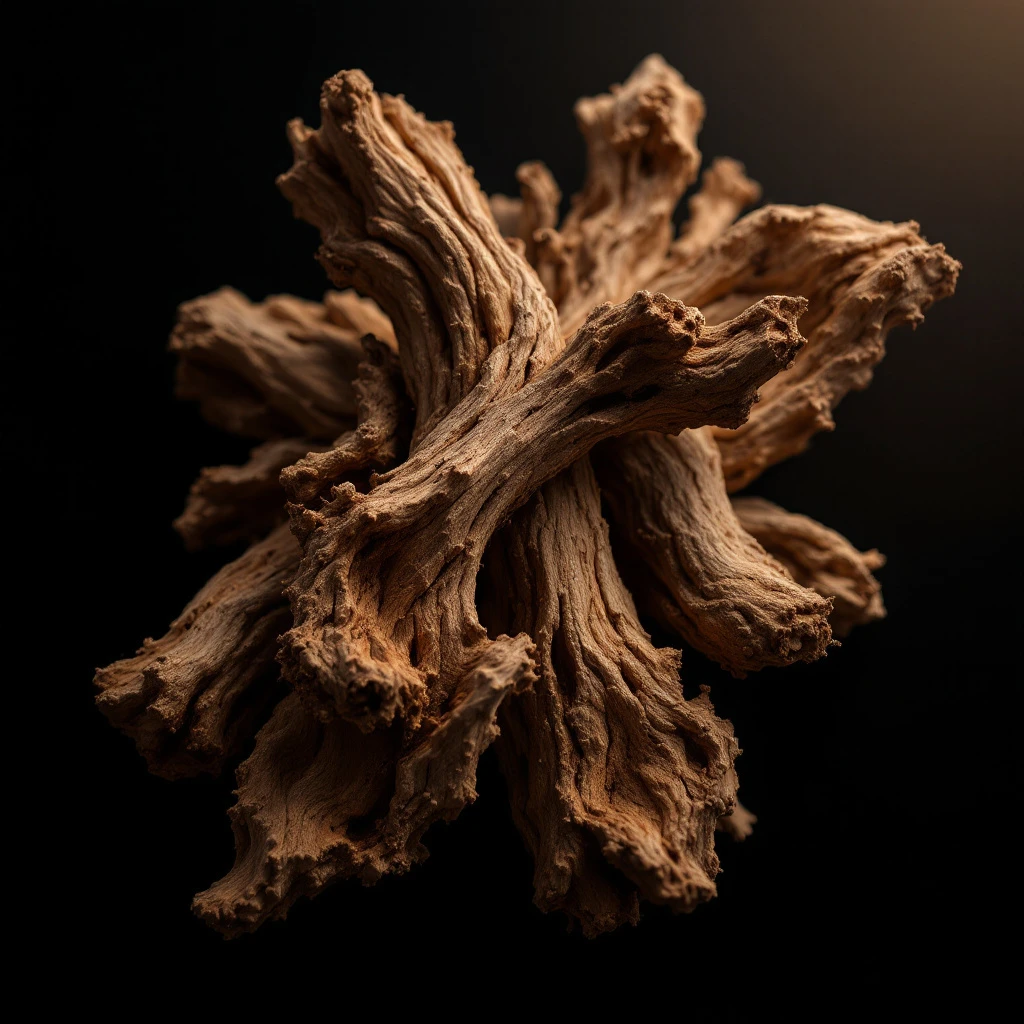
Ancient warmth rendered in cream and velvet
Sandalwood trees must age 30-60 years before harvest to develop their signature sweet, creamy aroma.



Origin
India
Sandalwood has anchored perfumery for 4,000 years, making it one of the oldest continuously used fragrance materials in human history. Ancient Indians burned sandalwood as sacred incense in temples and used the oil in Ayurvedic preparations long before perfumery existed as a discipline.
Buddhist scriptures mention sandalwood as a preferred offering, and Egyptian embalmers incorporated it into preservation rituals. The material entered Western perfumery during the colonial era when Portuguese and Dutch traders sourced it from Mysore, India.
By the nineteenth century, sandalwood had become essential to fine fragrance, valued for both its warmth and its ability to extend the life of more volatile notes. The species faces conservation pressure today, with Indian Santalum album listed as vulnerable due to historical overharvesting.
Wears it best
Fragrances featuring Sweet Wood
Brands
Brands known for Sweet Wood
Good to know
Questions, answered
The essentials on Sweet Wood in perfumery: how it smells, where it comes from, and how it behaves on skin.
What does sweet wood smell like?
Sweet wood typically describes sandalwood, which smells creamy, warm, and softly woody with subtle milky and balsamic undertones. The characteristic sweet-woody aroma comes from santalol compounds in the oil, which create a velvety, comforting impression rather than sharp or smoky wood character.
How do perfumers extract sweet wood notes?
Steam distillation of dried heartwood chips yields the essential oil. Some producers use CO2 supercritical extraction for a more complete aromatic profile, while solvent extraction creates absolutes at lower cost. The heartwood must come from trees aged 30-60 years to develop sufficient aromatic compounds.
Where does sweet wood originate?
India remains the primary historical origin, particularly the Mysore region of Karnataka, which produced the gold standard for sandalwood oil for centuries. Santalum album also grows in Indonesia, Australia, and Pacific islands, though Indian Mysore sandalwood commands the highest market value.
Is sweet wood a natural or synthetic ingredient?
Sweet wood notes in perfumery come primarily from natural sandalwood oil, which has been used for 4,000 years. Due to scarcity and cost, the industry also uses synthetic alternatives like Santaliff and Symrise's Javanol to recreate the warm, creamy woody profile at scale.
What fragrance families use sweet wood notes?
Sweet wood notes appear across oriental, woody, chypre, and even floral compositions. Sandalwood works as both a powerful fixative and a primary fragrance note, allowing perfumers to use it as a heartwood anchor or a subtle background warmth.
Does sweet wood work with other fragrance ingredients?
Sandalwood integrates exceptionally well with florals like rose and jasmine, oriental ingredients such as vanilla and amber, and other woods including cedar and vetiver. Its creaminess softens sharp edges and extends the longevity of lighter top notes.
Why is sweet wood so expensive?
Natural sandalwood oil commands premium prices because Santalum album trees require 30-60 years of growth before harvest, and the heartwood yields relatively little oil. Overharvesting has made Indian sandalwood endangered, limiting supply further.
What fragrance families pair with sweet wood?
Oriental fragrances use sandalwood for warmth and sensuality. Woody fragrances build entire structures around its creamy character. Floral oriental and chypre compositions use it as a fixative base. Even fresh, aquatic fragrances sometimes include subtle sandalwood for grounding.