Suriname Cherry
Suriname Cherry brings a tart, sun-drenched complexity to fragrance. Unlike common cherry, this tropical fruit offers resinous warmth and spice that transforms compositions with vibrant, exotic character.
Character
How it smells
Tropical tartness with spicy depth
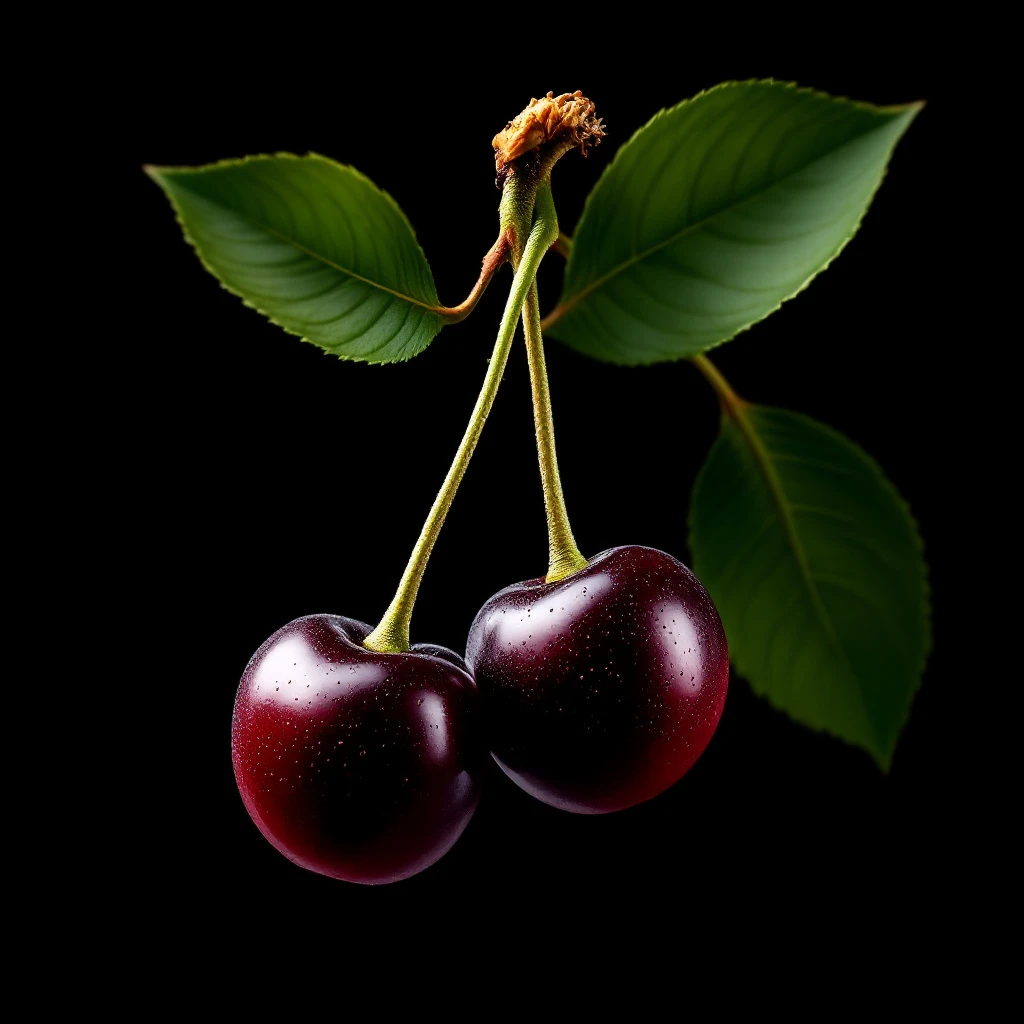
The fruit has eight prominent ribs, giving it a distinctive pumpkin-like silhouette among cherry varieties.







Origin
Brazil
Suriname Cherry originated in the Amazon basin region of Brazil, spreading throughout tropical South America before European colonization. The Dutch colony of Suriname gave the fruit its common English name, though Brazilians know it as Pitanga, reflecting deep indigenous roots. The plant was documented by European botanists in the 18th century, with Carl Linnaeus formally describing it as Eugenia uniflora in 1753.
For centuries, indigenous peoples used the fruit in traditional preparations and valued the aromatic leaves for their medicinal properties. The species spread to Caribbean islands and Florida in the 19th century, where it became naturalized in subtropical gardens.
Wears it best
Fragrances featuring Suriname Cherry
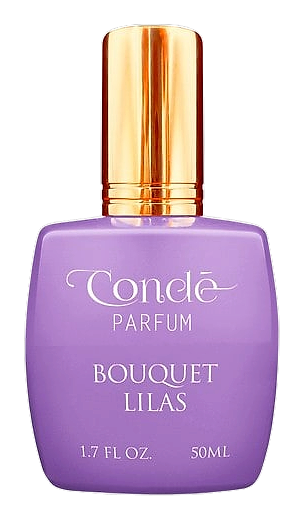
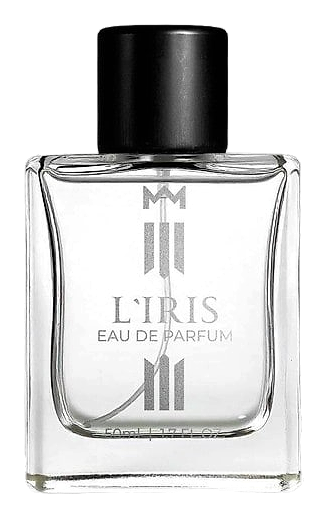
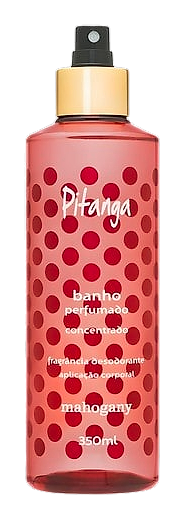
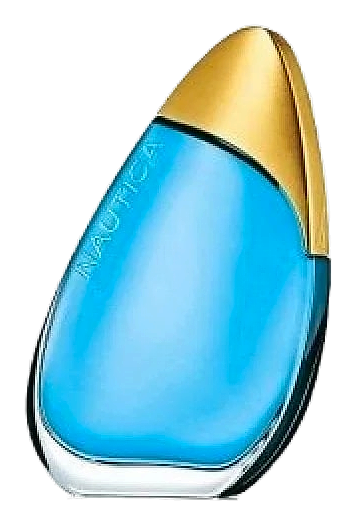
Brands
Brands known for Suriname Cherry
Good to know
Questions, answered
The essentials on Suriname Cherry in perfumery: how it smells, where it comes from, and how it behaves on skin.
What does Suriname Cherry smell like?
Suriname Cherry offers a tart, fruity aroma with spicy and resinous undertones distinct from sweet cultivated cherries. Its profile combines bright red fruit with balsamic warmth and subtle pine notes.
Is Suriname Cherry used in natural perfumery?
Natural Suriname Cherry absolute exists but remains rare in commercial fragrance production due to limited availability and seasonal harvesting challenges.
How do perfumers recreate Suriname Cherry?
Perfumers construct cherry accord using synthetics like benzaldehyde for almond-like depth, fruity lactones, and aldehydes to capture the bright, tart top notes characteristic of the fruit.
What fragrance families use Suriname Cherry?
Cherry and tropical fruit notes appear across fruity, oriental, and bright citrus compositions. Suriname Cherry's resinous quality suits warm, exotic fragrance constructions.
Where does Suriname Cherry grow?
Native to Brazil and surrounding South American regions, Suriname Cherry thrives in tropical and subtropical climates. It grows wild across the Amazon basin and has naturalized throughout the Caribbean.
Can you eat Suriname Cherry?
Yes. The ribbed fruit is edible, typically consumed fresh or made into jams and preserves. Its flavor balances sweetness with pronounced tartness and slight resin.
What extraction methods yield Suriname Cherry absolute?
Solvent extraction of ripe fruit produces Suriname Cherry absolute. The process yields a concentrated material capturing the fruit's full aromatic spectrum including its characteristic fruity-estery notes.
How is Suriname Cherry different from common cherry?
Unlike European sweet cherry, Suriname Cherry grows on a different species entirely (Eugenia uniflora). Its flavor is more complex, combining tartness with spicy, balsamic qualities absent in temperate cherry varieties.