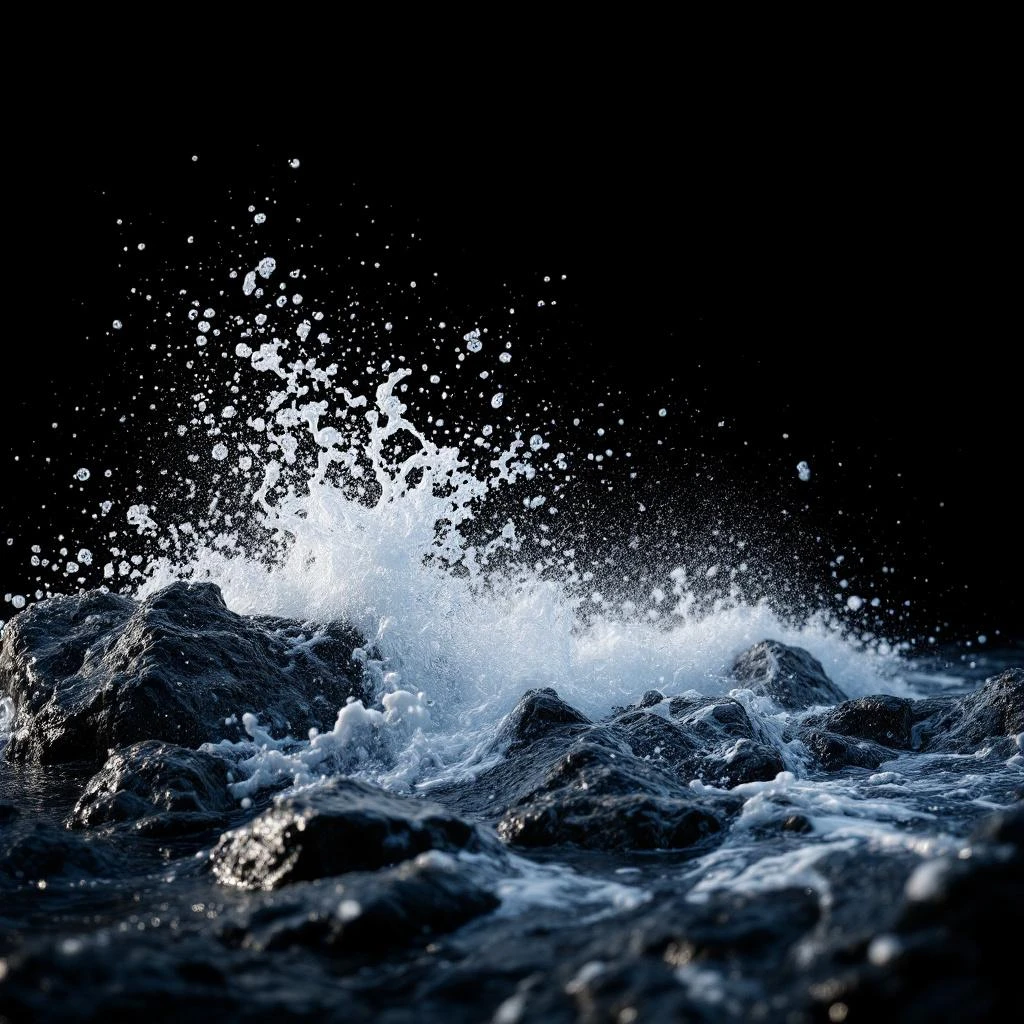
Symmarine
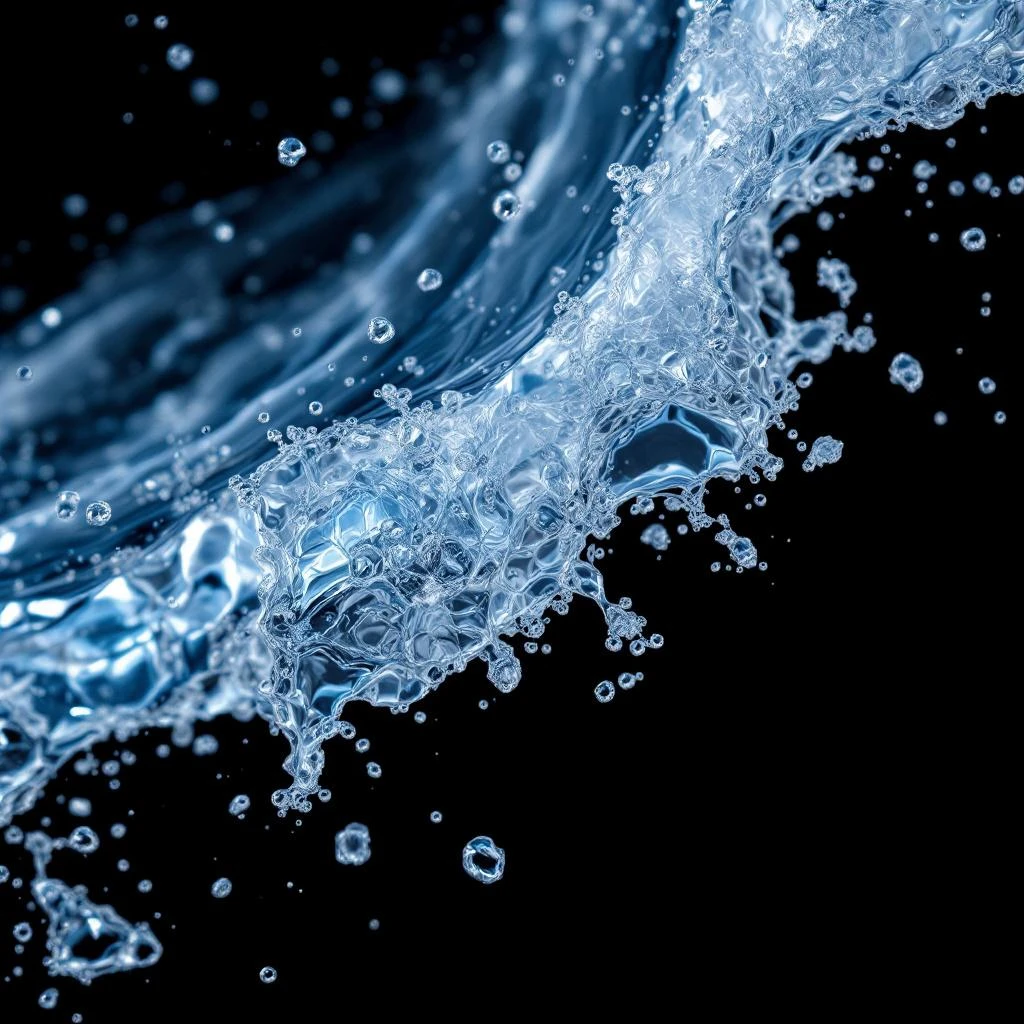
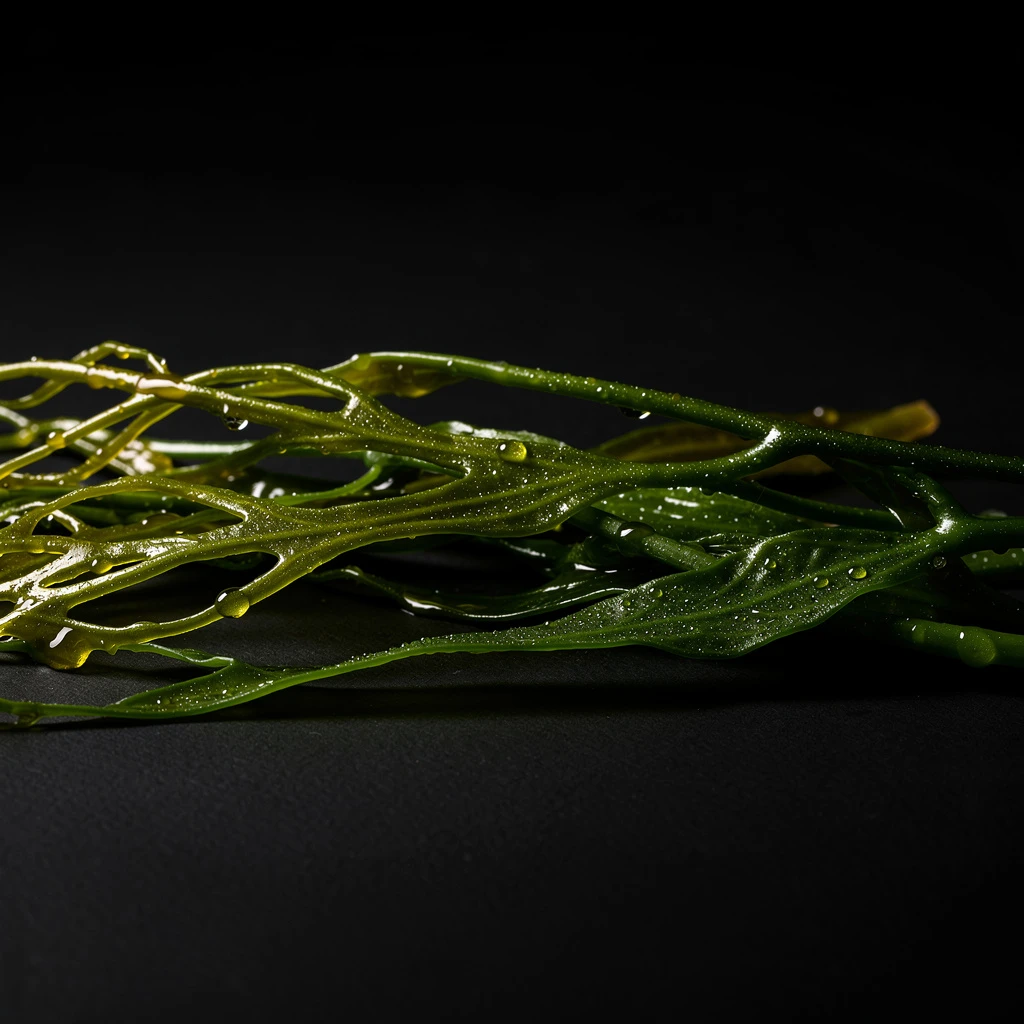
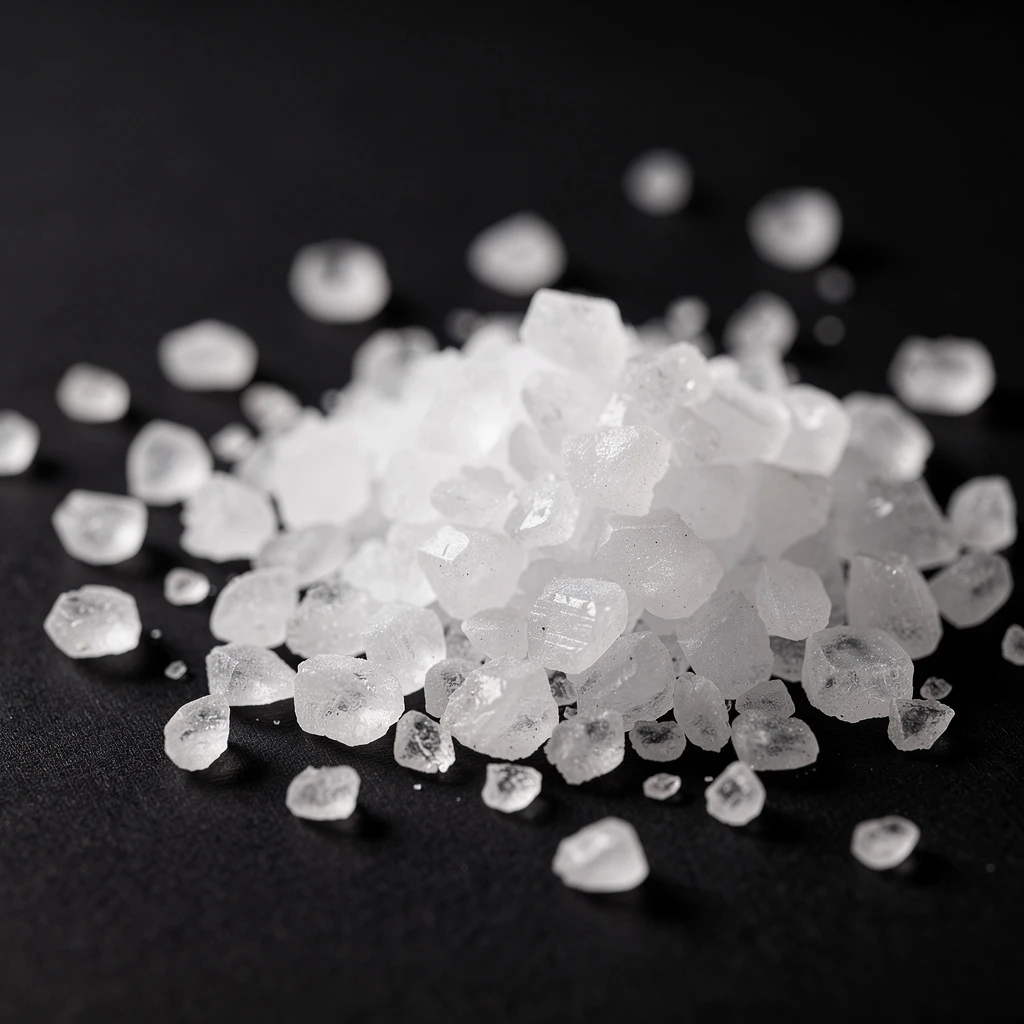
Symmarine delivers the crisp immediacy of ocean air—salt, sea foam, and marine algae—synthesized in the lab for consistent, sustainable aquatic fragrance. It brings clean, modern freshness to compositions.
Character
How it smells
The scent of ocean air, bottled.
Marine fragrance notes only entered perfumery in the late 20th century, changing aquatic fragrances forever.





Origin
Switzerland
Marine fragrance notes represent one of perfumery's most recent innovations, emerging only in the late 20th century. Before the 1990s, perfumers simulated oceanic freshness through combinations of calone, aldehydes, and aquatic florals—never through dedicated marine compounds. The commercial breakthrough came with compounds developed by fragrance houses that specifically replicated the scent of sea air.
Symmarine belongs to this generation of purpose-built aromatic chemicals, designed to capture something natural fragrance materials could not reliably deliver. The timing aligned with a broader cultural shift toward fresh, clean, and nature-inspired aesthetics. Fragrances built around marine notes redefined what modern smelled like, becoming ubiquitous across market segments from mass-market deodorants to luxury fine fragrances.
Symmarine continues this legacy as a workhorse material for contemporary aquatic compositions.
Wears it best
Fragrances featuring Symmarine
Brands
Brands known for Symmarine
Good to know
Questions, answered
The essentials on Symmarine in perfumery: how it smells, where it comes from, and how it behaves on skin.
What exactly is Symmarine in perfumery?
Symmarine is a synthetic marine fragrance compound that replicates the clean, ozonic scent of ocean air. It provides consistent aquatic freshness without the variability of natural marine extracts.
Does Symmarine come from the ocean?
No, Symmarine is entirely synthetic. Fragrance chemists create it through controlled organic synthesis in laboratories. Natural ocean-derived extracts lack the consistency and olfactory strength that marine fragrance compositions require.
How long have marine notes existed in perfumery?
Marine notes only emerged in commercial perfumery during the 1990s. Before this period, perfumers simulated ocean scents using creative combinations of florals and aldehydes rather than dedicated marine compounds.
Is Symmarine safe for skin application?
Yes, Symmarine undergoes rigorous safety assessment following International Fragrance Association guidelines. Like all approved fragrance materials, it appears in cosmetics and fine fragrances at concentrations deemed safe for consumer use.
What fragrances commonly use Symmarine?
Symmarine appears in numerous aquatic and fresh fragrances across market segments. It serves as a foundational material for creating clean, sea-breeze inspired compositions in both mass-market and luxury fine fragrances.
Why do perfumers prefer synthetic marine compounds over natural ocean scents?
Synthetic marine compounds offer batch-to-batch consistency that natural materials cannot match. Ocean air composition varies with weather, location, and season, whereas Symmarine delivers identical olfactory character every time.
Is Symmarine environmentally preferable to natural marine ingredients?
Synthetic production avoids the ecological disruption of harvesting natural marine organisms or extracting ocean-derived materials. It requires no marine ecosystem impact while delivering consistent fragrance performance.
What scents pair well with Symmarine?
Symmarine combines naturally with citrus, white florals, watery florals, and transparent woody materials. It works particularly well with ozonic accords, sea salt notes, and crisp green elements for comprehensive aquatic compositions.