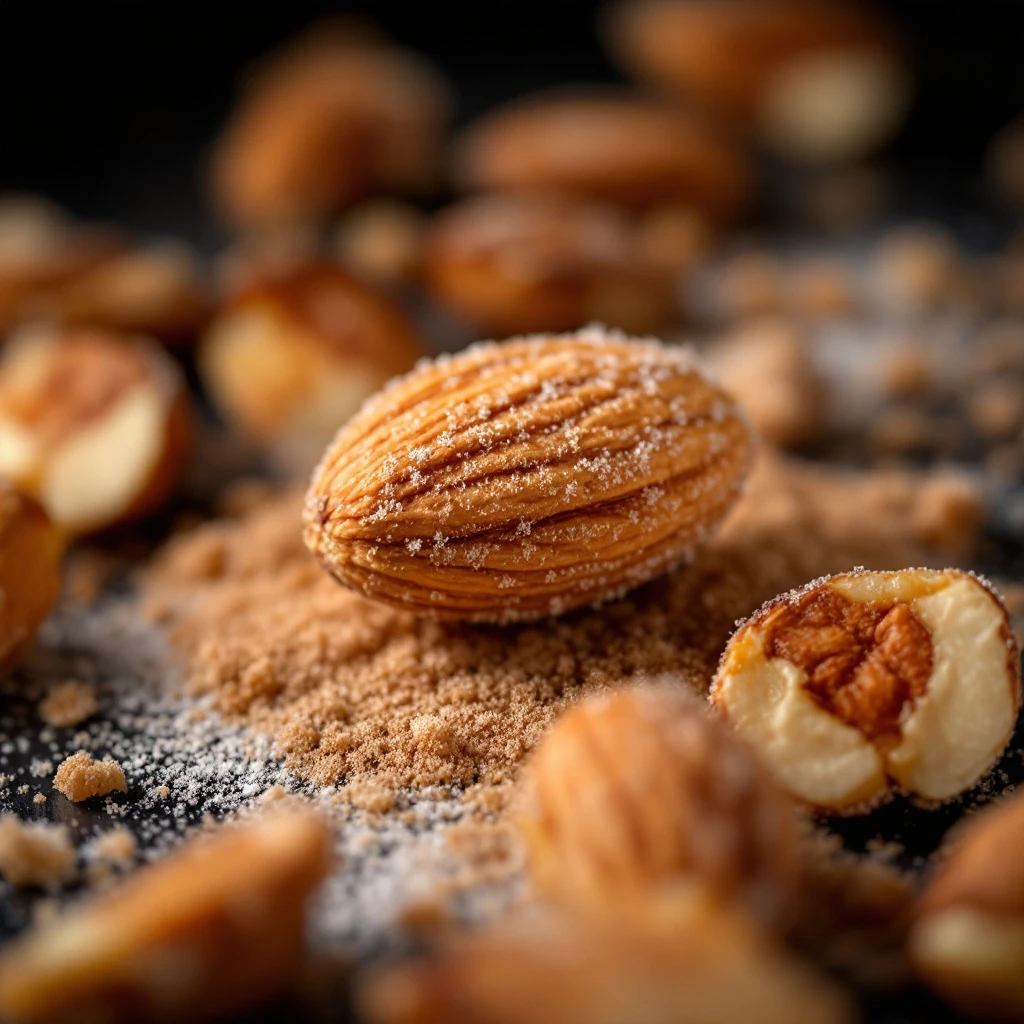
Sugared Almond
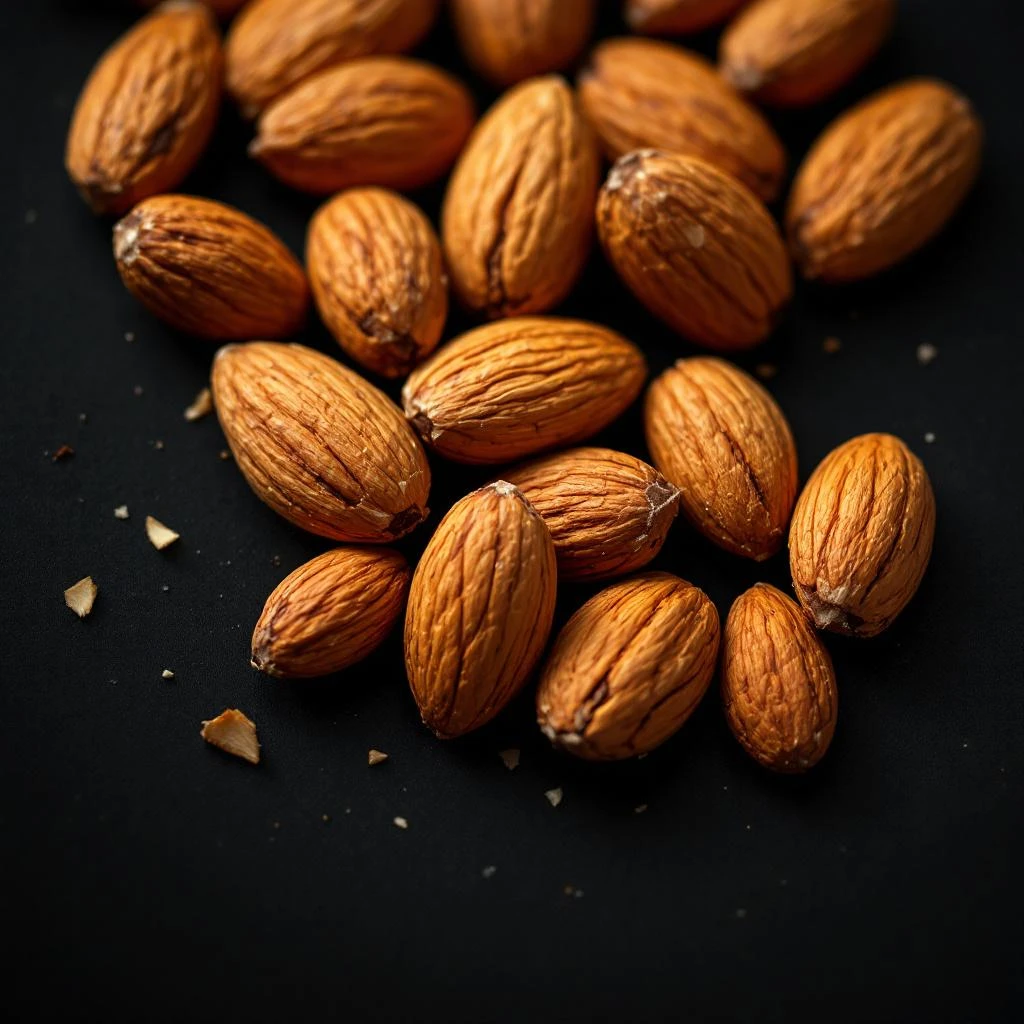
Sugared almond wraps the skin in warm, edible sweetness. It marries the quiet depth of bitter almond with a soft sugar finish, creating that irresistible comfort-food quality found in gourmand fragrances.
Character
How it smells
Nostalgic sweetness with a nutty heart.
The first sugared almonds appeared in 1220 AD, when a Verdun apothecary accidentally coated bitter almonds in sugar during preparation.




Origin
France
The sugared almond confection was born in Verdun, France, in 1220 AD when an apothecary named Pierre Gobin first coated bitter almonds with sugar. His creation spread across Europe as wedding fare, symbolizing fertility and hope.
Long before this culinary accident, ancient Mesopotamians and Egyptians prized almonds as fragrance ingredients. The almond tree originated in the Middle East, and traders carried its nuts along Silk Road routes, introducing the scent to Mediterranean cultures.
Perfumers eventually translated the confection's appeal into liquid form, recreating that warm, edible sweetness using chemistry. Today, synthetic benzaldehyde makes the sugared almond note accessible across countless fragrance lines, democratizing a once-luxurious scent.
Wears it best
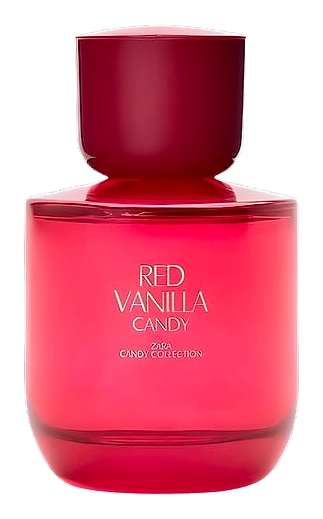
Fragrances featuring Sugared Almond
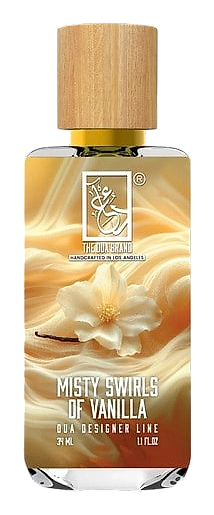
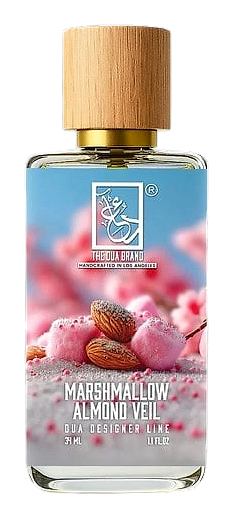
Brands
Brands known for Sugared Almond
Good to know
Questions, answered
The essentials on Sugared Almond in perfumery: how it smells, where it comes from, and how it behaves on skin.
Is sugared almond made from real almonds?
Usually no. Most perfumers use synthetic benzaldehyde, which replicates almond's aroma without any nut material. Natural almond extraction from apricot kernels exists but remains uncommon due to cost and complexity.
What does sugared almond smell like?
It opens with a sweet, sugary softness before revealing the characteristic nutty depth of bitter almond. The result feels warm, edible, and comforting, like the confection after which it's named.
Is sugared almond safe in skin care?
Synthetic benzaldehyde carries no allergenic concerns associated with nut proteins. Most people with tree nut allergies tolerate benzaldehyde safely, though individual sensitivity varies.
What fragrance families use sugared almond?
Gourmand fragrances use it most heavily, especially marzipan and praline variants. It also appears in oriental fragrances for warmth, and occasionally in florals to add an edible twist.
Can sugared almond occur naturally?
Benzaldehyde occurs naturally in apricot kernels, plum stones, and cherry pits. Hydrodistilling apricot kernel flesh produces a natural almond-scented oil, though this remains a niche extraction method.
How long has almond been used in perfumery?
Almond-scented preparations date to ancient Egypt and Mesopotamia. The sugared almond confection appeared in 1220 AD in Verdun, France, and perfumers adopted the note centuries later.
What other ingredients recreate almond?
Tonka bean and heliotropin both approximate almond's sweet, powdery character. Blending these with vanillin creates a convincing almond accord without benzaldehyde.
Where does sugared almond appear in fragrance composition?
It typically functions as a heart or base note, lending warmth and edibility to the fragrance's dry-down. Topical use appears in gourmand fragrances where the sweet almond aroma dominates.