Strawberry Plant
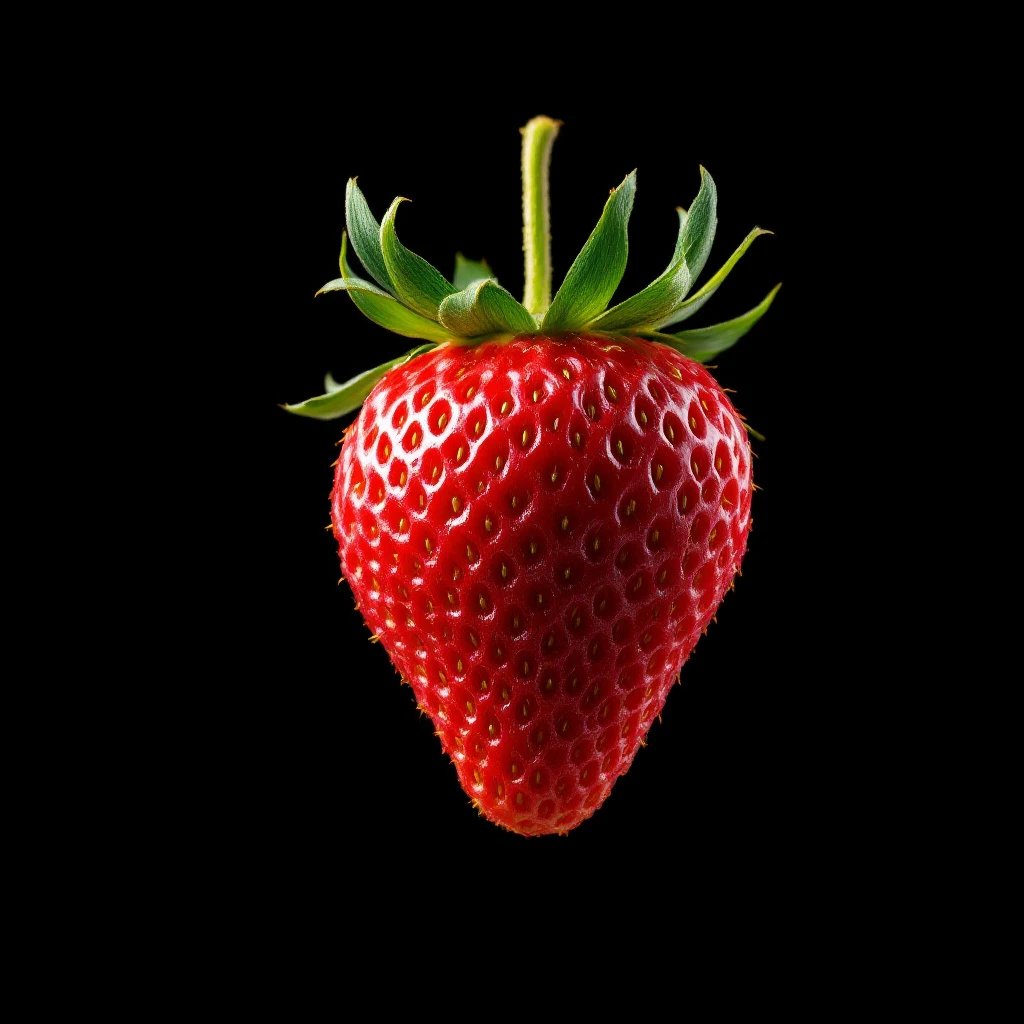
The strawberry plant (Fragaria × ananassa) yields one of perfumery's most elusive aromas. Its green leaves and unripe fruit contain compounds prized for their fresh, slightly bitter, candy-sweet character, captured far more often in the lab than the field.
Character
How it smells
A green-leaf whisper behind candy-sweet illusion.
Key strawberry odorants sit at a vanishingly low 0.01 to 0.001 percent of the fruit's weight, making natural extraction largely impractical.
Pairs beautifully with
Origin
France
Strawberries have been cultivated for their fragrance since at least the Roman era, when Pliny the Elder documented their use in gardens and unguents. By the sixteenth century, European apothecaries steeped wild woodland strawberry leaves in wine and spirits, valuing them for their aromatic, slightly astringent quality rather than sweetness. The arrival of the New World strawberry, Fragaria virginiana from North America and later the Chilean Fragaria chiloensis, eventually produced the modern hybrid Fragaria × ananassa in Brittany around 1750.
Yet despite centuries of admiration, perfumers struggled to trap its scent. When synthetic aroma chemistry expanded in the 1800s and 1900s, strawberry became one of the first fruits recreated through laboratory compounds rather than distillations. Furaneol, identified in the 1960s, and ethyl methylphenylglycidate became workhorse ingredients for the candy-strawberry accord now common in gourmand fragrances.
Today, the living plant matters more as inspiration than ingredient, shaping how perfumers construct a convincing berry illusion.
Wears it best
Fragrances featuring Strawberry Plant
Brands
Brands known for Strawberry Plant
Good to know
Questions, answered
The essentials on Strawberry Plant in perfumery: how it smells, where it comes from, and how it behaves on skin.
Is strawberry plant used in perfume?
Rarely in natural form. Natural strawberry aroma compounds occur at just 0.01 to 0.001 percent of the fruit's mass and evaporate quickly, so nearly all strawberry notes in modern perfumery come from synthetic aroma chemicals.
What does strawberry plant smell like in fragrance?
The green leaves and unripe fruit contribute a grassy, slightly bitter, hay-like aroma. This vegetal facet grounds the candied sweetness built from synthetic molecules like ethyl maltol and furaneol.
Why is strawberry hard to extract naturally?
The key odorants exist in trace amounts and break down under heat. Solvent extraction yields minuscule quantities, making natural strawberry essence economically unviable for most commercial perfumery.
What synthetic chemicals mimic strawberry scent?
Furaneol, identified in the 1960s, and ethyl methylphenylglycidate are the primary aroma chemicals recreating strawberry sweetness. Ethyl maltol adds a candy-like depth to the berry accord.
Where do strawberry plants originate?
The modern cultivated strawberry (Fragaria × ananassa) is a hybrid created around 1750 in Brittany from North American Fragaria virginiana and Chilean Fragaria chiloensis parent species.
What part of the strawberry plant is perfumery-relevant?
Unripe fruit and leaves contain the most valued aromatic compounds. The leaves contribute green, herbaceous notes, while the immature fruit offers a tart, slightly bitter fragrance profile.
Who first used strawberry in fragrances?
Sixteenth-century European apothecaries infused wild strawberry leaves into wines and spirits for their astringent, aromatic qualities, predating any modern perfumery use of the fruit.
Are strawberry notes in perfume natural or synthetic?
Almost entirely synthetic. A handful of niche perfumers produce strawberry leaf absolute through solvent extraction, but commercial strawberry accords rely on lab-created molecules developed over the past century.