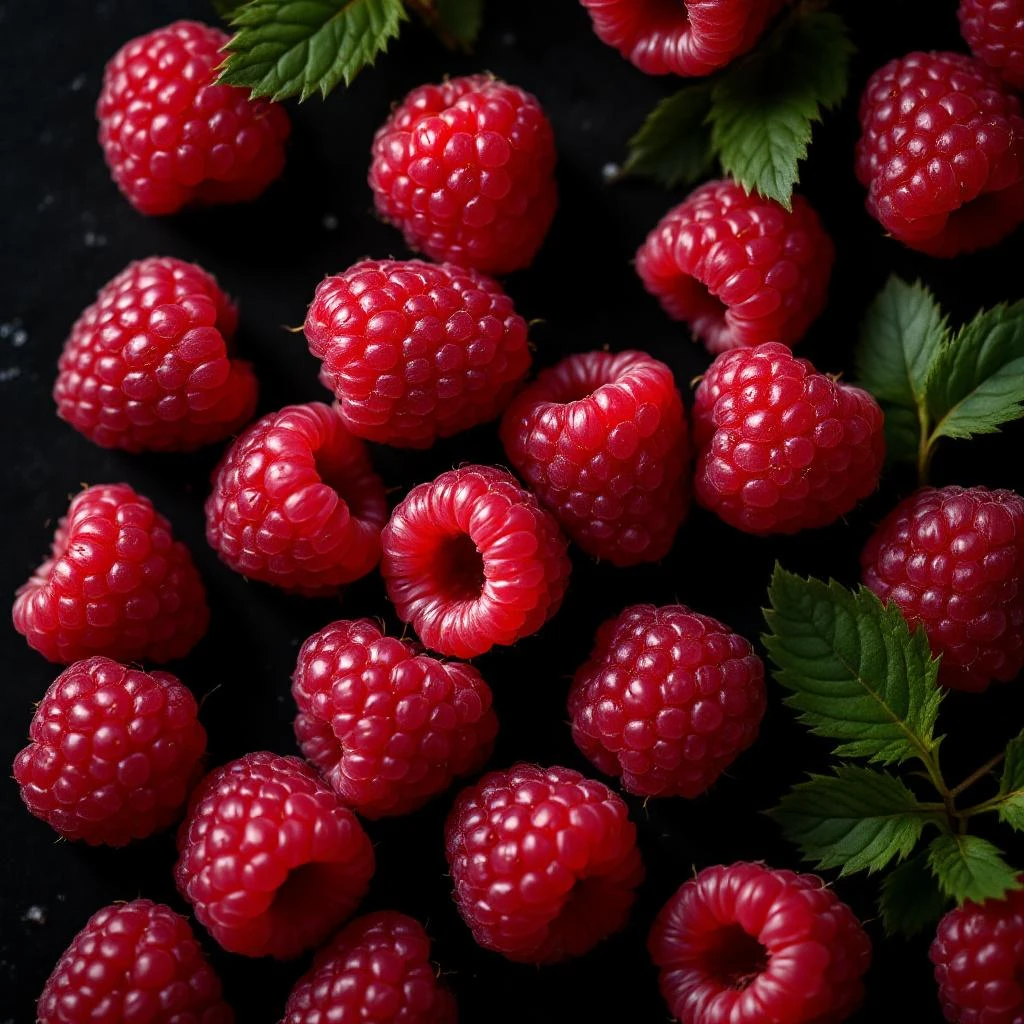
Rowanberry
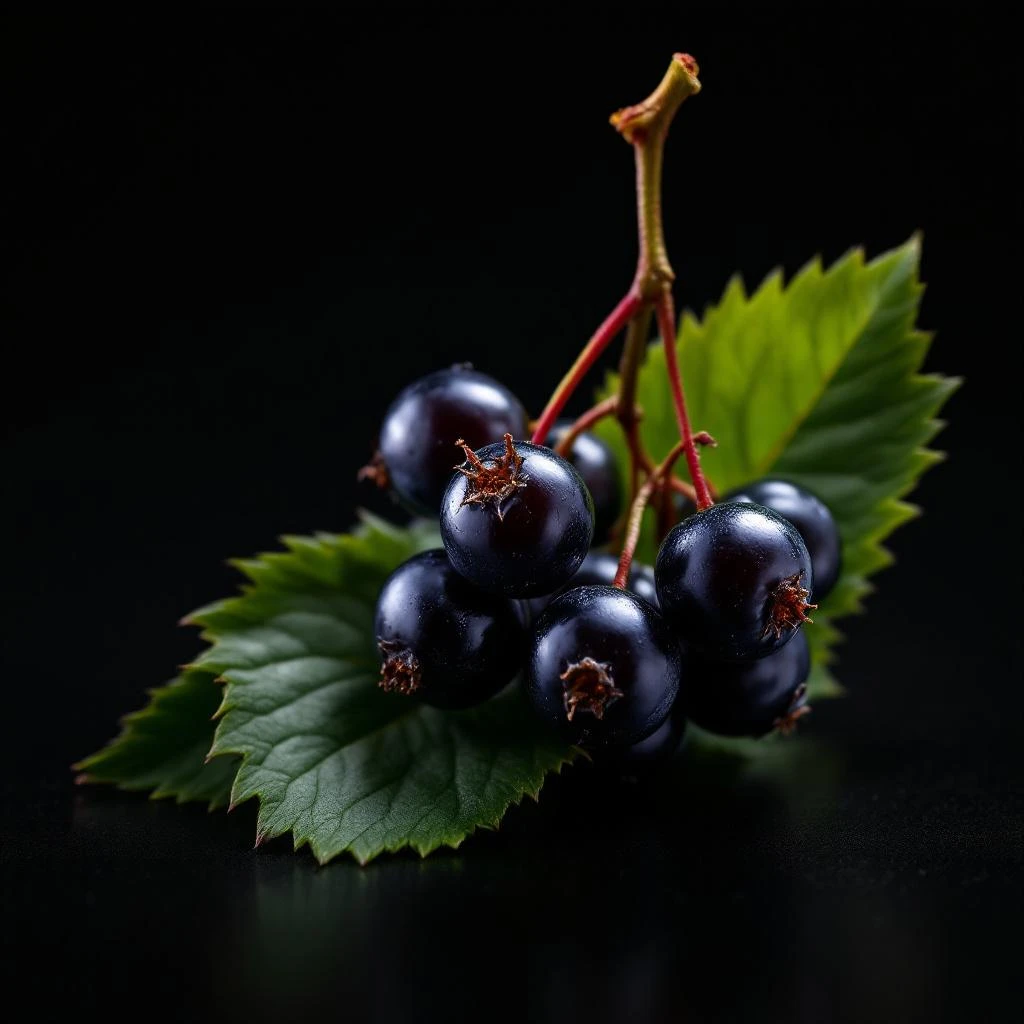
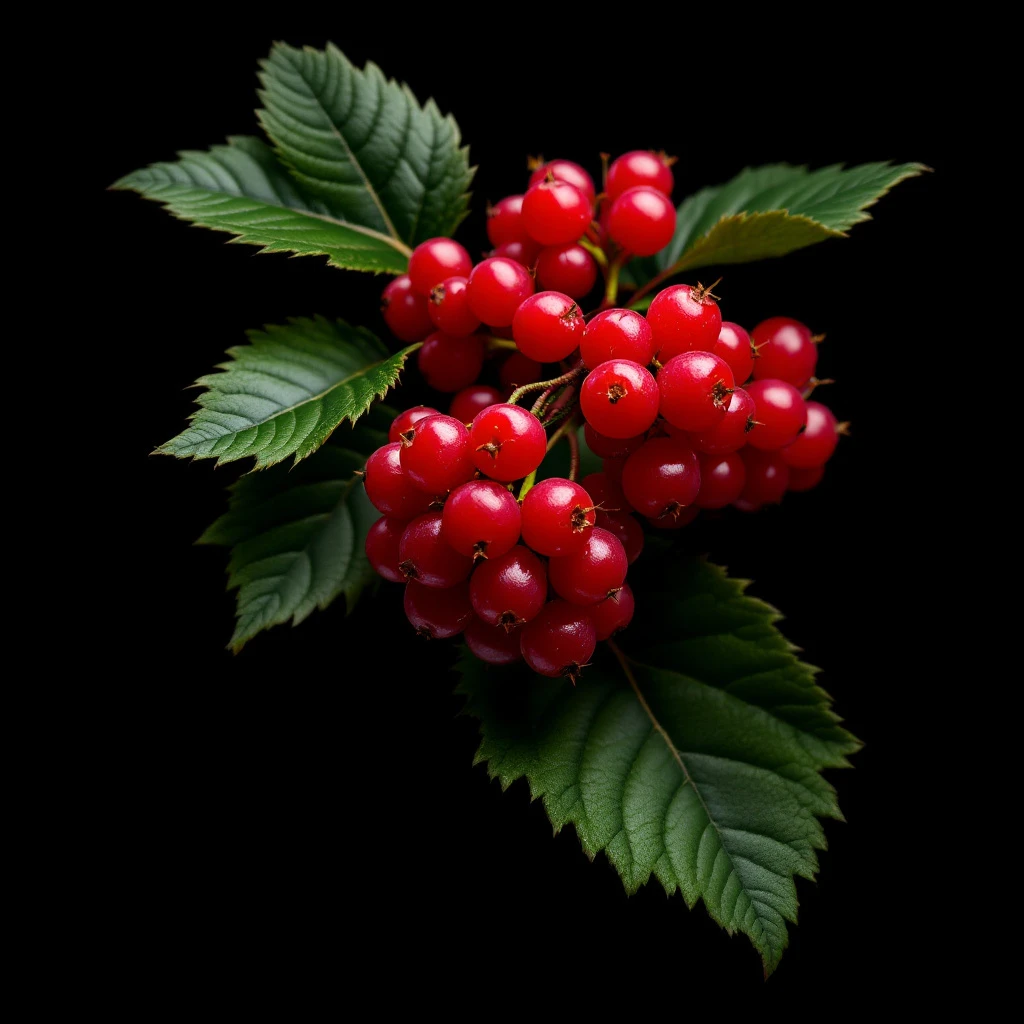
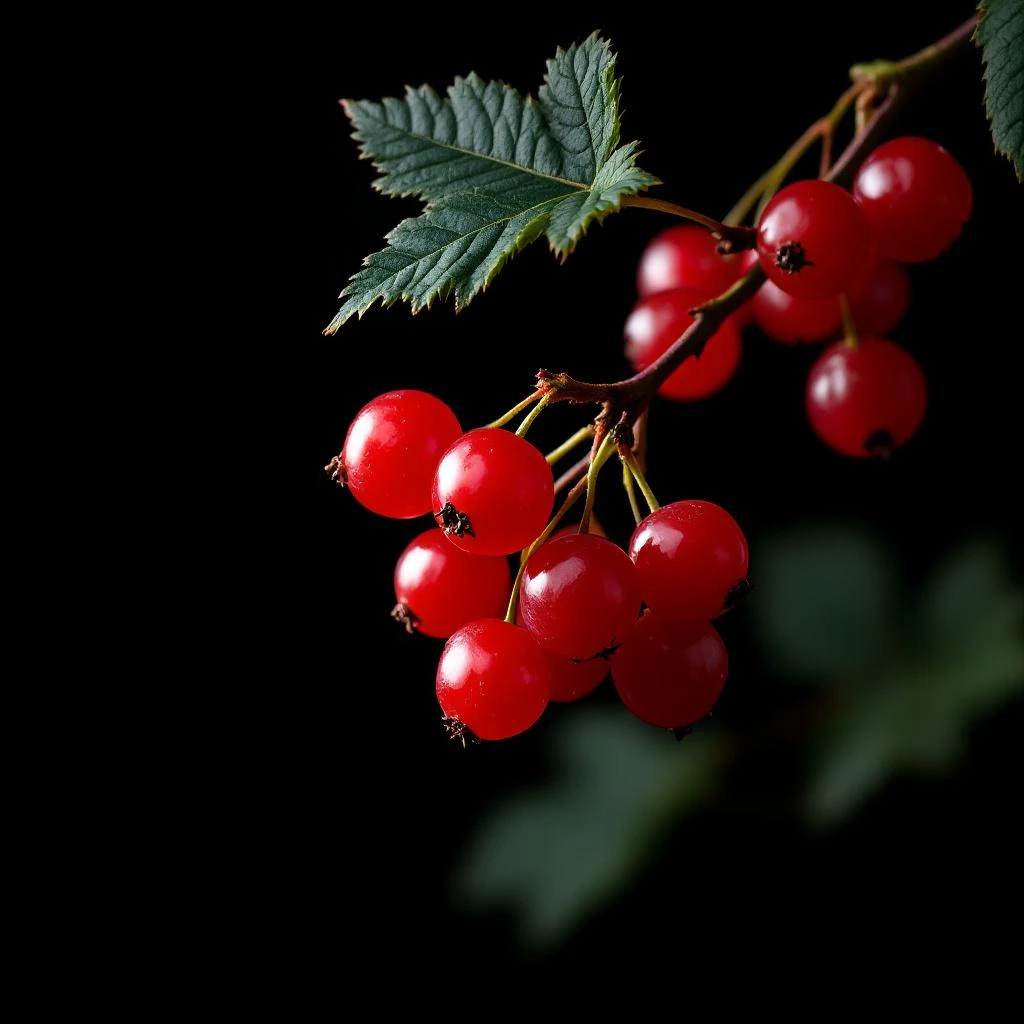
Rowanberry delivers a sharp, tart aroma with bitter-green undertones, the kind of scent that captures late autumn light in a northern wood. It brightens compositions with red-fruit acidity and an almost mineral crispness.
Character
How it smells
Tart, bright, and rooted in northern forests.
Rowan trees were once planted near homes in Celtic folklore because they were believed to guard against harm, a tradition that helped spread the species across Britain and Scandinavia.
Pairs beautifully with
Origin
Norway
The rowan tree, Sorbus aucuparia, has threaded through European life for centuries, valued as much for folklore as for its tart orange-red berries. In Scandinavian and Celtic traditions, the tree carried protective associations and was commonly planted near homesteads, which contributed to its wide distribution across northern Europe. The berries themselves served as a preserved food source in harsh climates, often turned into jellies, cordials, and fermented drinks well before they entered the perfumery conversation.
References to rowanberry in fragrance composition appeared as perfumers in the late 20th century began looking beyond citrus and traditional berries for sharper, more complex red-fruit top notes. Its entry into mainstream perfumery reflects a broader interest in underused forest fruits, ingredients that carry geographic specificity and a distinct seasonal character.
Wears it best
Fragrances featuring Rowanberry
Brands
Brands known for Rowanberry
Good to know
Questions, answered
The essentials on Rowanberry in perfumery: how it smells, where it comes from, and how it behaves on skin.
What does rowanberry smell like in perfume?
Rowanberry offers a tart, sharp red-fruit aroma with subtle bitter-green edges, similar to cranberry but drier and more mineral. It reads as a refreshing top note that cuts through heavier heart accords.
Is rowanberry a natural or synthetic fragrance ingredient?
Both forms exist. Natural rowanberry absolute is produced via solvent extraction of ripe berries, while many modern fragrances recreate the scent using synthetic esters like ethyl-2-methylbutyrate for cost and supply stability.
Where does rowanberry grow?
Sorbus aucuparia thrives across northern and central Europe, especially in Norway, Sweden, Scotland, and the Alps. It prefers cool climates and high-elevation forests.
What fragrance families use rowanberry?
Rowanberry appears most often in fruity and aromatic compositions, where its tartness lifts fougère and herbal structures. It also features in gourmand bases to reinforce red-fruit accents.
Is rowanberry the same as ashberry?
Yes, ashberry is a common synonym for rowanberry in perfumery literature, both referring to fruit from Sorbus aucuparia. The names are used interchangeably in ingredient sourcing.
Why is rowanberry used in perfumery?
Rowanberry brings a rare combination of fruit acidity and woody dryness that few other berries offer. Perfumers value it for adding crispness without sweetness, particularly in masculine and unisex compositions.
Is rowanberry extract safe for skin?
Rowanberry absolute is generally regarded as safe at typical fragrance use levels, though like all botanical extracts it can cause sensitization in sensitive individuals. IFRA guidelines govern concentration limits.
What scents pair well with rowanberry?
Rowanberry pairs naturally with pine needle, birch, juniper, and cedar for forest accords. It also complements citrus notes like bergamot and grapefruit that share its bright, acidic character.