Spiderlily
Spider lily haunts the border between beauty and mortality. Its crimson blooms erupt from bare earth in late summer, long before leaves emerge—a botanical spectacle that perfumers have long sought to capture.
Character
How it smells
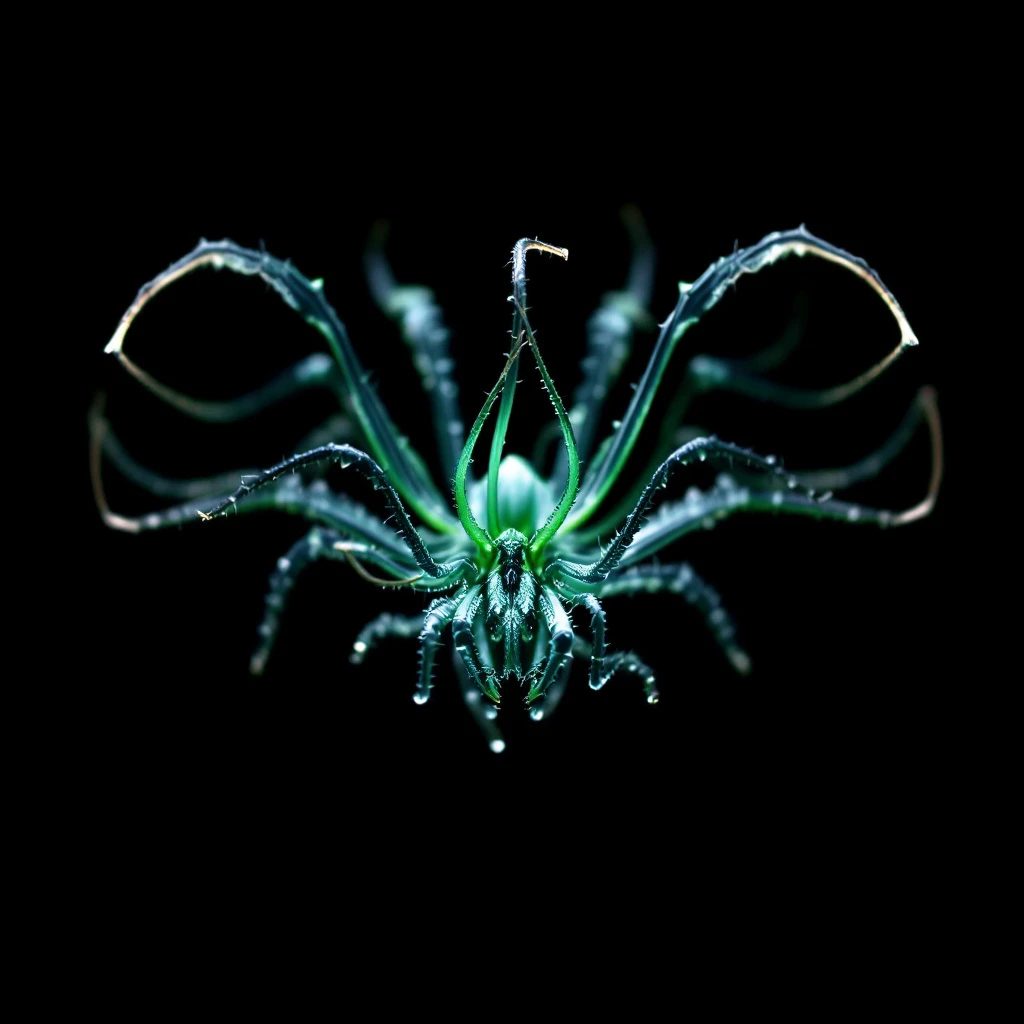
Crimson blooms that bloom before their leaves appear.
Spider lily contains lycorine, a toxic alkaloid that deters herbivores. This same compound is removed during extraction, making the resulting absolute safe for cosmetic use.

Origin
Japan
Spider lily has grown across East Asia for thousands of years, appearing in ancient Buddhist scriptures and classical Japanese poetry from the Heian period. The flower's habit of blooming on bare earth before its leaves emerge created an eerie spectacle that cultures coded with deep meaning. In China, families planted the flowers at gravesites and along memorial paths—the blooms became a living symbol of remembrance and the cycle of rebirth.
Korean traditions followed similar patterns. Japanese culture absorbed these associations, and the flower frequently appears along roadsides and temple grounds, often connected to memorial observances. The scientific name Lycoris honors a figure from Greek mythology, though the plant itself belongs entirely to East Asian ecosystems.
Unlike jasmine or rose, which traveled with trade routes into Western perfumery, spider lily arrived in European fragrance culture much later, filtered through the interest of 20th-century naturalists and the small number of perfumers drawn to its unusual profile. The flower's cultural weight in its home region—death, memory, the transient beauty of impermanence—gives spider lily as a perfume note a resonance that most florals cannot claim.
Wears it best
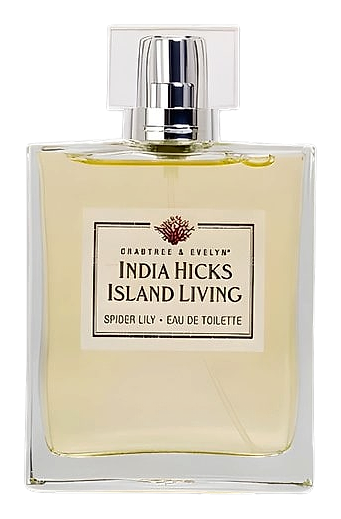
Fragrances featuring Spiderlily
Brands
Brands known for Spiderlily
Good to know
Questions, answered
The essentials on Spiderlily in perfumery: how it smells, where it comes from, and how it behaves on skin.
What is spider lily in perfumery?
Spider lily appears as a rare floral note in high-end fragrances. It is predominantly synthetic in modern perfumery because natural extraction yields are minimal and inconsistent. The reconstructed material captures the flower's distinctive green, spicy, and intensely floral character.
Does spider lily smell like other white florals?
Spider lily occupies a unique space among florals. It opens green and slightly bitter before revealing rich, almost indolic white floral tones with subtle peppery and herbaceous undertones. It shares some overlap with daffodil and certain types of lily, yet remains distinctly singular.
Where does spider lily grow?
Lycoris radiata originates from East Asia, with native populations across China, Japan, and Korea. The species naturalized widely after centuries of cultivation around Buddhist temples and memorial sites, which expanded its range throughout the region.
What is spider lily's cultural significance?
In East Asian traditions spanning millennia, spider lily carries associations with death, remembrance, and the afterlife. It appears in ancient Chinese memorial practices, Japanese poetry, and Korean grave-tending customs. Buddhist texts reference the flower as a symbol of guidance through death, contributing to its reputation as a flower of farewell.
Is spider lily toxic?
The fresh flower contains lycorine, a toxic alkaloid. This compound is entirely removed during the extraction and refinement process used to produce perfumery materials. Finished fragrance materials meet safety standards for cosmetic use.
Which fragrance families use spider lily?
Spider lily appears most often in chypre, oriental, and floral compositions seeking unusual or haunting character. It rarely dominates a formula but functions as a distinctive accent that adds depth and cultural resonance to a blend.
What pairs well with spider lily?
When used naturally, spider lily pairs with green notes, aromatic herbs, and other white florals. Perfumers often combine it with peony, lily of the valley, or green tea accords to soften its intensity while preserving its singular character.
Can spider lily be extracted at home?
Professional solvent extraction requires specialized equipment and expertise. The flower contains trace amounts of aromatic material and sophisticated chemical knowledge is needed to handle its toxic compounds safely. Commercial synthetic reconstructions remain the practical choice for perfumers.





