Sparkling Wine
Sparkling Wine note captures the effervescent brightness of champagne in a bottle: crisp acidity, subtle fruit, and that unmistakable celebratory fizz translated into scent form.
Character
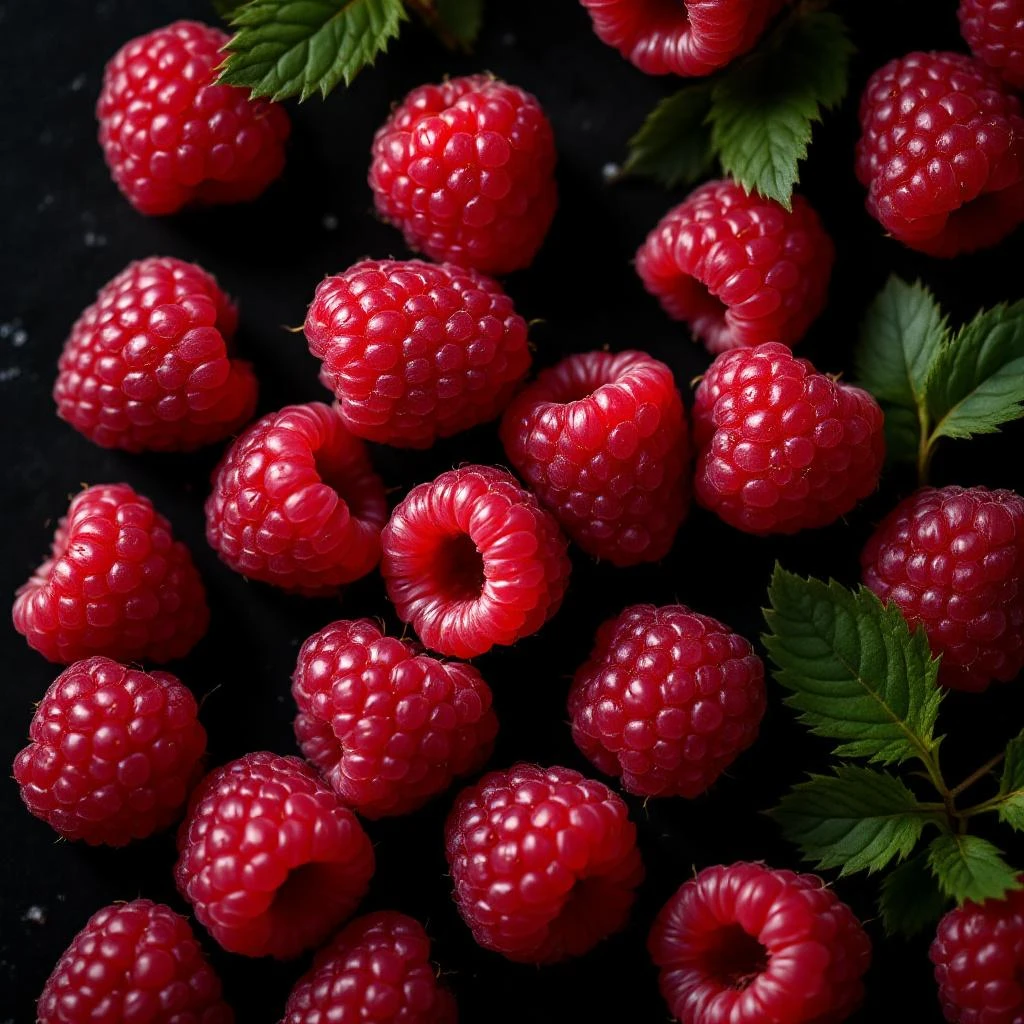
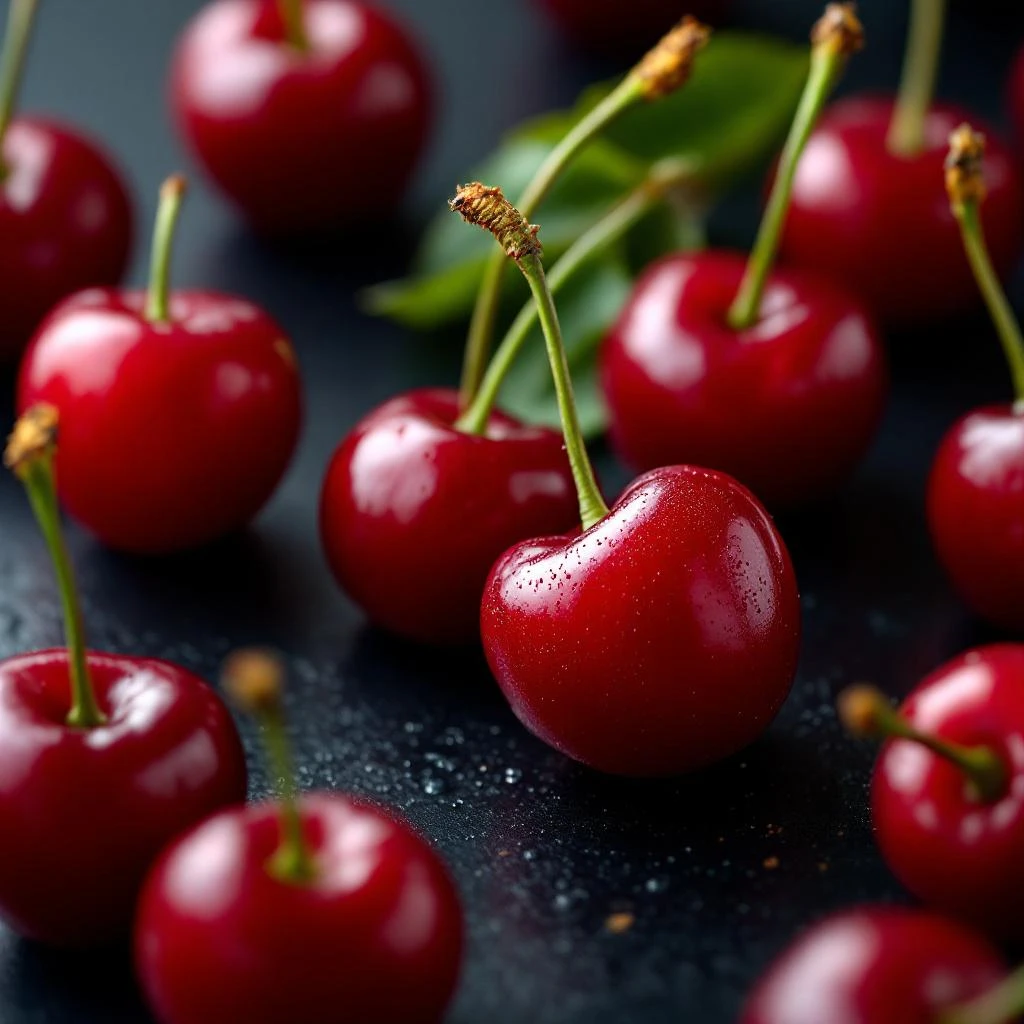
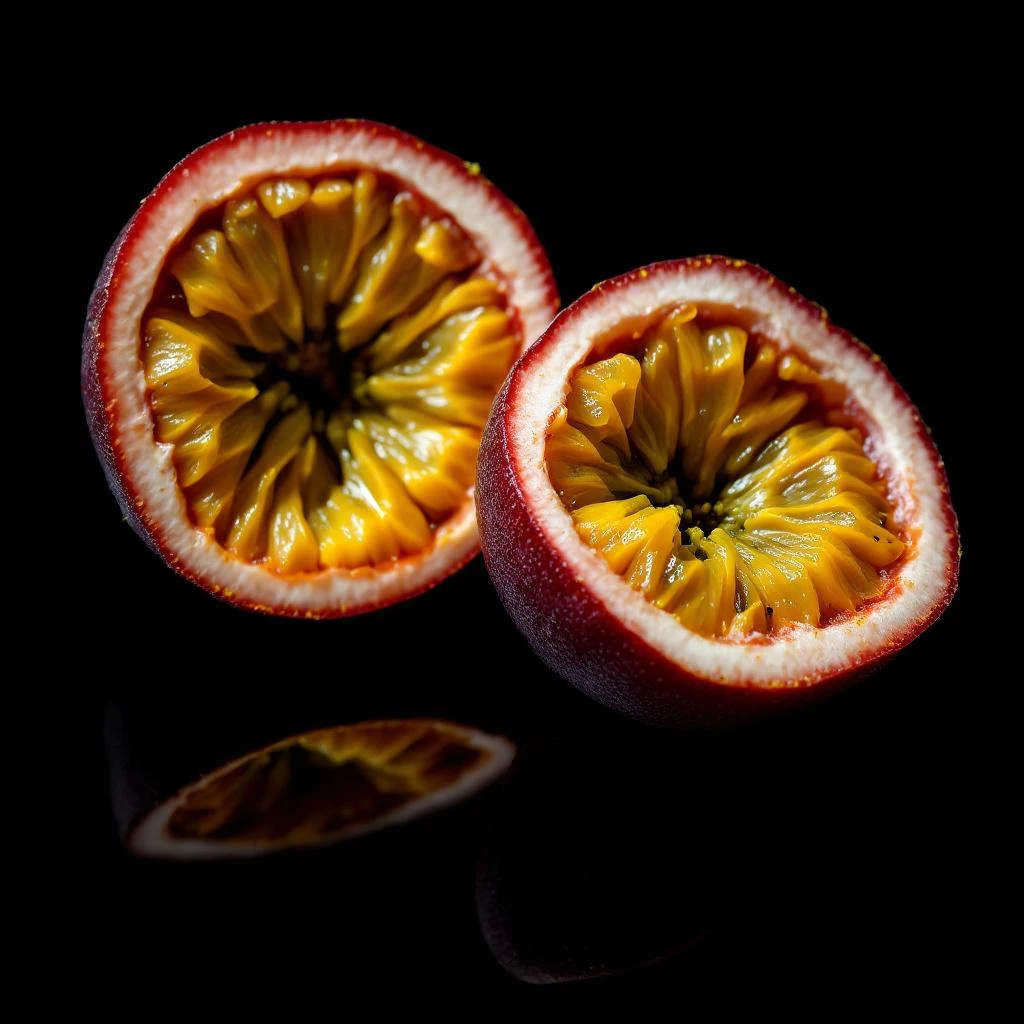
How it smells
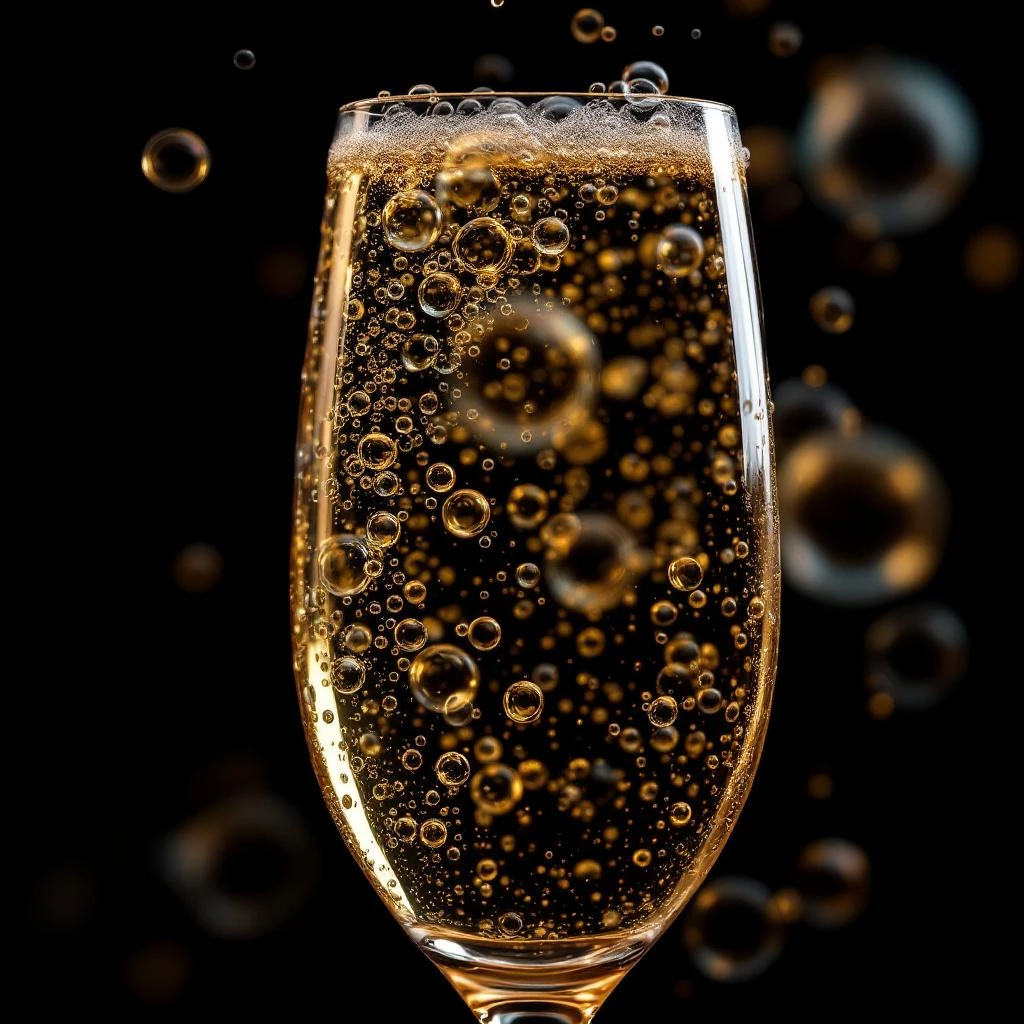
Bubbles, bottled in scent.
The earliest sparkling wines were accidents. French winemakers in the 17th century discovered secondary fermentation created bubbles when cold winters trapped CO2 inside the bottle.


Origin
France
Wine-inspired fragrances trace back over 4,000 years. Egyptians as early as 1600 BC used wine-based unguents in ritual and burial practices, believing fermented grape aromas connected the living to the divine. Romans later incorporated wine derivatives into their luxurious bathing oils.
The modern sparkling wine note emerged from a different lineage: cognac distillation. French producers discovered that hydrodistilling cognac wine lees produced a fragrant byproduct with rich, fruity complexity. This technique, refined in the 19th century, gave perfumers their first genuine wine-derived aromatic material.
The cultural association between champagne and celebration grew during the Belle Époque, when French and American luxury houses began bottling champagne as a symbol of status. Perfumers quickly translated this glamour into scent, creating accords designed to evoke effervescence. By the late 20th century, sparkling wine notes appeared in mainstream fragrances, marking a shift from purely floral compositions toward more gourmand, experiential scent profiles.
Wears it best
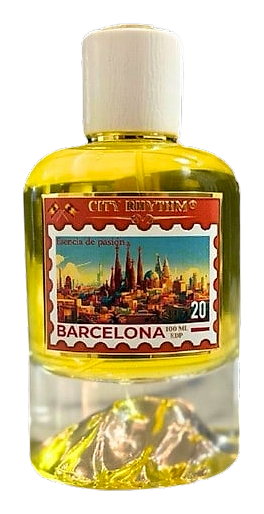
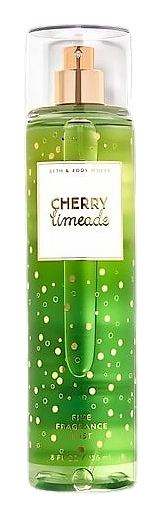
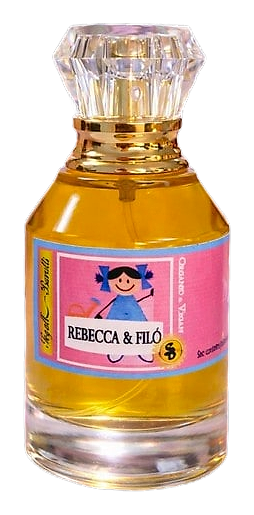
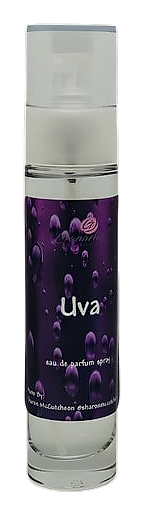
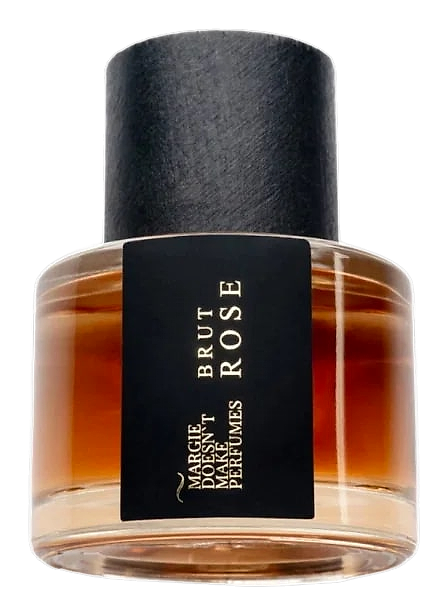
Fragrances featuring Sparkling Wine
Brands
Brands known for Sparkling Wine
Good to know
Questions, answered
The essentials on Sparkling Wine in perfumery: how it smells, where it comes from, and how it behaves on skin.
What does Sparkling Wine smell like in perfume?
Sparkling Wine in fragrance smells crisp and effervescent, with notes of green apple, citrus zest, and subtle yeasty warmth. It adds a bright, celebratory fizz that lifts heavier base notes and creates an immediate sense of freshness on application.
Is Sparkling Wine a natural or synthetic perfume ingredient?
Most Sparkling Wine accords are synthetic reconstructions. Natural extraction from actual sparkling wine yields minimal aromatic material, so perfumers blend aroma chemicals like ethyl esters to recreate the characteristic bubbly, fruity scent.
When was Sparkling Wine first used in perfumery?
Wine-derived materials appeared in perfumery during the 19th century, when French distillers hydrodistilled cognac wine lees. The modern Sparkling Wine accord specifically gained popularity in late 20th century fragrances celebrating effervescence and luxury.
What fragrances contain Sparkling Wine notes?
Sparkling Wine appears in numerous celebrity and niche fragrances, often paired with fruity or floral accords. It's commonly found in compositions marketed around celebration, nightlife, or festive themes, typically as a top or heart note.
How is the Sparkling Wine scent made if you can't distill champagne?
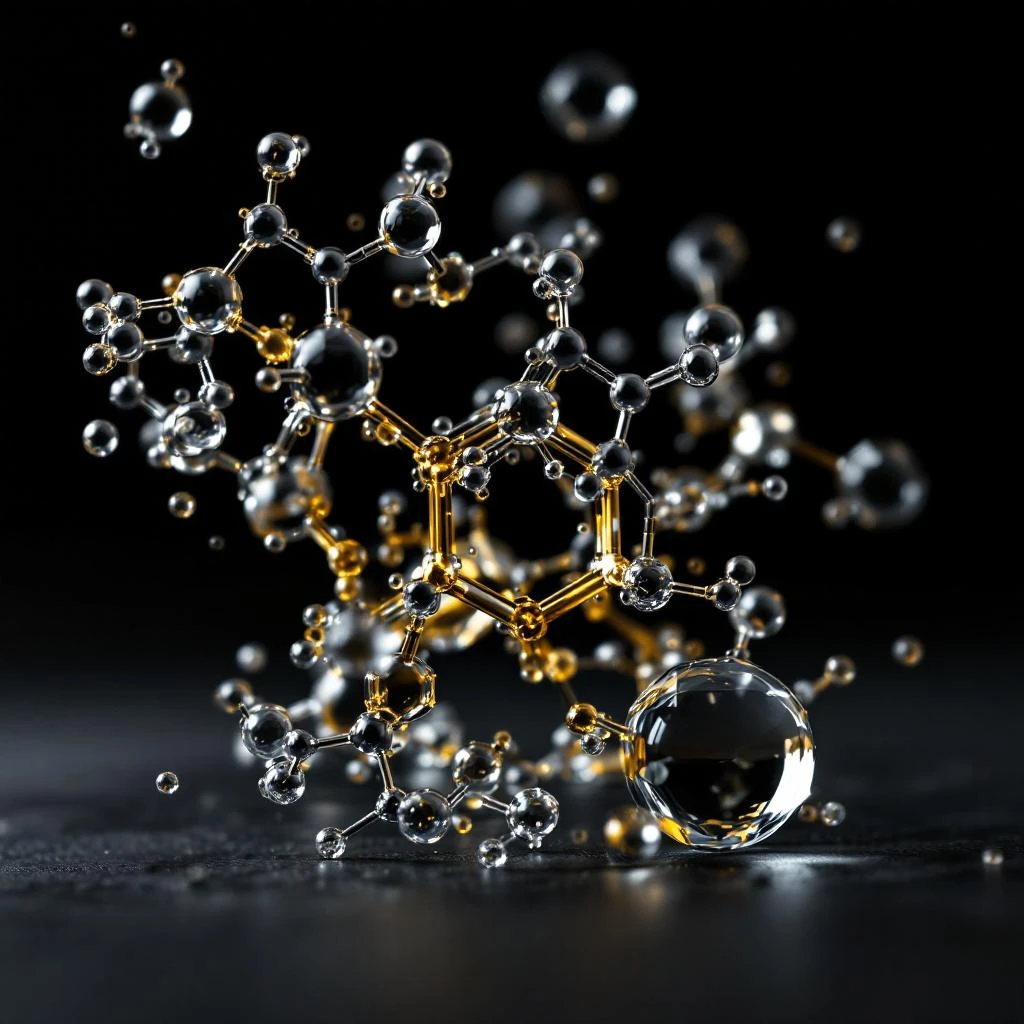
Perfumers construct the scent using synthetic aroma chemicals that mimic champagne's volatile compounds. Ethyl hexanoate creates fruity brightness, specific aldehydes provide crisp sharpness, and trace natural grape distillates add depth and authenticity.
What other notes pair well with Sparkling Wine?
Sparkling Wine pairs naturally with citrus notes like bergamot and pink pepper for amplified freshness. Vanilla, white musk, and ambroxan ground the effervescence, creating longer-lasting compositions with both sparkle and depth.
Does Sparkling Wine note last long on skin?
Sparkling Wine is a top note with relatively short longevity, typically lasting 15 to 30 minutes. Its volatile compounds evaporate quickly, which is why perfumers anchor it with heavier base notes like musk or woods for sustained wear.
Why is Sparkling Wine popular in modern perfumery?
Sparkling Wine resonates with contemporary fragrance consumers seeking experiential, gourmand scents. It evokes celebration and luxury, and its bright, diffusive quality makes it effective in opening compositions designed to feel instantly uplifting and memorable.