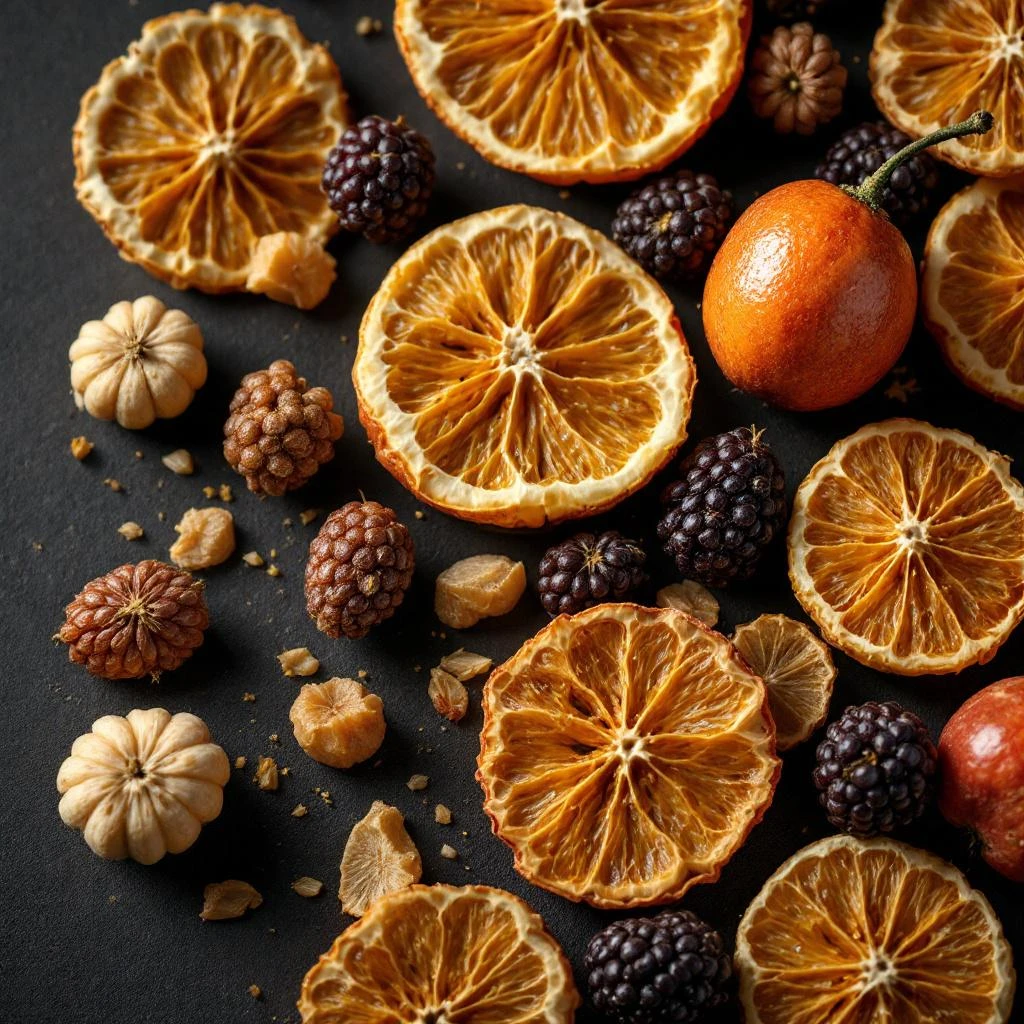
Spanish Broom
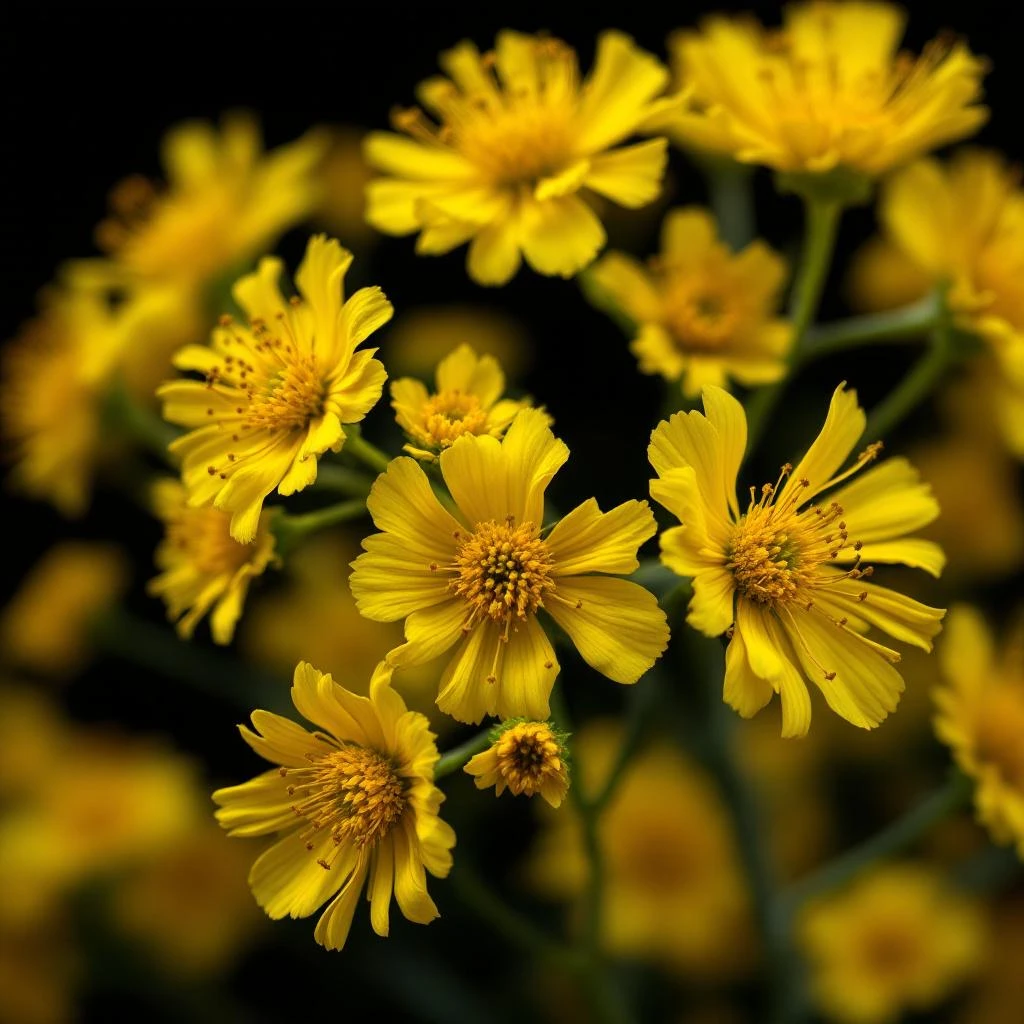
Spanish Broom absolute carries a distinctive sweet-yellow floral character with honeyed warmth and subtle pollen nuances, evoking sun-drenched Mediterranean hillsides where Spartium junceum blooms wild across rocky terrain.
Character
How it smells
Mediterranean wildflower with honeyed, bittersweet warmth.
Before modern solvents, perfumers used enfleurage—cold fat absorption—to capture Spanish Broom's delicate fragrance, a technique requiring immense patience and labor.

Origin
France
Spanish Broom holds deep roots in Mediterranean culture and perfumery, its golden flowers lending warmth to fragrance compositions for centuries. Spartium junceum has grown wild across southern Europe since antiquity, blanketing hillsides in bright yellow blooms each spring.
Historic perfumers in Grasse relied on enfleurage techniques to capture its delicate character before modern extraction methods emerged. The plant's therapeutic applications also drew attention—herbalists used preparations for diuretic and digestive support.
As extraction technologies advanced, Spanish Broom absolute became prized for its distinctive honey-pollen nuance that synthetic reproductions struggle to match. Today, it remains a rare and coveted material, appearing in only a handful of fragrances worldwide where perfumers seek authentic wild Mediterranean warmth.
Wears it best
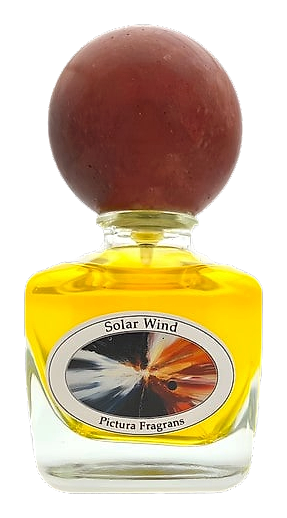
Fragrances featuring Spanish Broom
Brands
Brands known for Spanish Broom
Good to know
Questions, answered
The essentials on Spanish Broom in perfumery: how it smells, where it comes from, and how it behaves on skin.
What does Spanish Broom smell like?
Spanish Broom absolute has a sweet yellow floral character with prominent honeyed notes and subtle pollen nuances. Its bittersweet quality evokes warm Mediterranean sunshine and meadow wildflowers.
How is Spanish Broom absolute produced?
Perfumers extract the absolute by first producing a concrete through solvent extraction of fresh flowers. A second wash with alcohol isolates the aromatic compounds, yielding the concentrated absolute with its characteristic honey-pollen profile.
Where does Spanish Broom grow?
Spartium junceum thrives wild across the Mediterranean basin. Primary production centers include southern France (notably the Grasse region), Spain, and Italy, where the shrub colonizes rocky, sun-exposed hillsides.
Was Spanish Broom used in historic perfumery?
Before modern solvents, perfumers relied on enfleurage—placing flower petals on cold fat to absorb the fragrance over days. This labor-intensive technique captured the delicate honeyed notes that solvent extraction now preserves.
What gives Spanish Broom its distinctive character?
The combination of honeyed sweetness, bitter undertones, and pollen-like nuances creates Spanish Broom's unique signature. Only about 15-20% of natural materials successfully replicate this wild Mediterranean warmth synthetically.
Does Spanish Broom have traditional medicinal uses?
Spanish Broom has documented diuretic properties and historically appeared in folk medicine for addressing constipation and fluid retention. These applications predate its use in perfumery by centuries.
How rare is Spanish Broom in modern fragrances?
Spanish Broom appears infrequently in contemporary perfumes, making it a relatively rare material. When used, it typically appears in niche or artisan fragrances seeking authentic natural extracts over synthetic alternatives.
What fragrance families pair well with Spanish Broom?
Spanish Broom's honeyed, bittersweet profile complements amber, vanilla, and other florals like orange blossom and jasmine. It works particularly well in warm, Mediterranean-inspired compositions seeking natural authenticity.