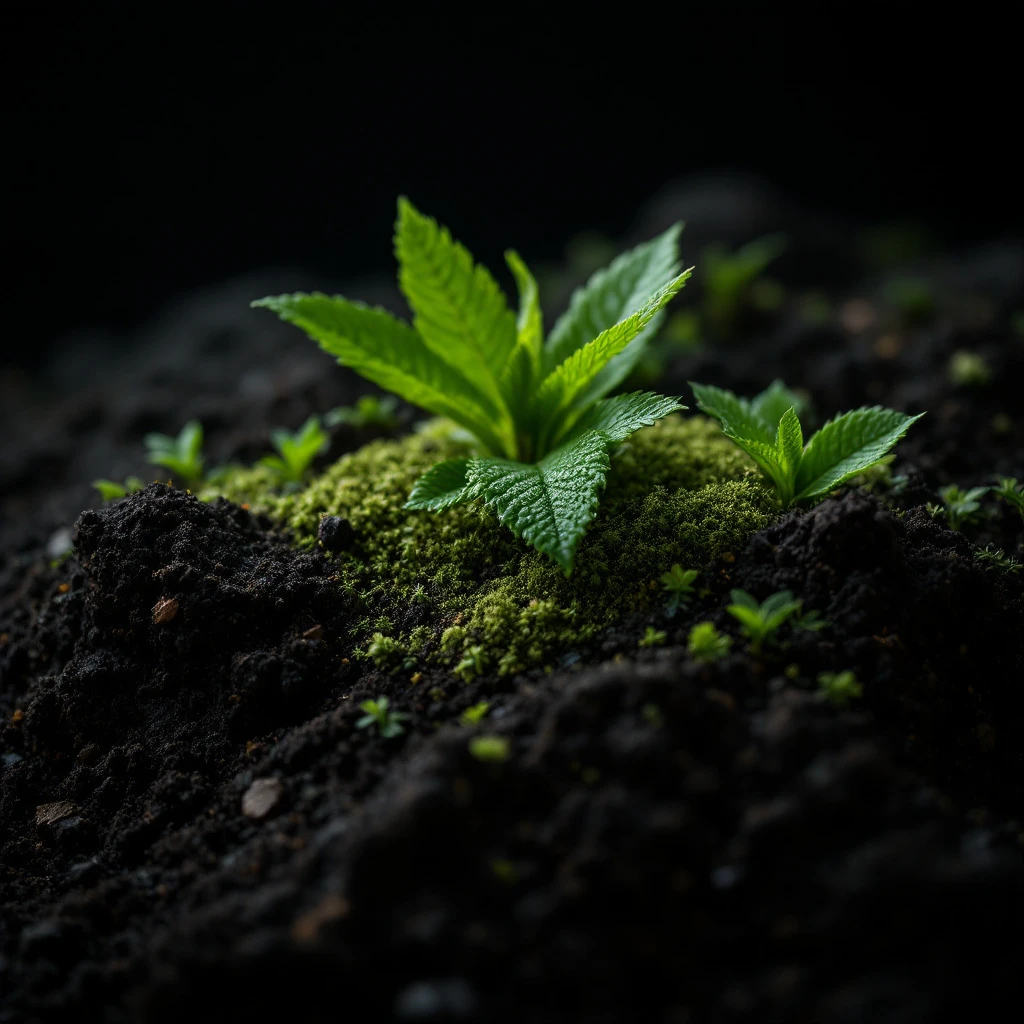
South American Patchouli
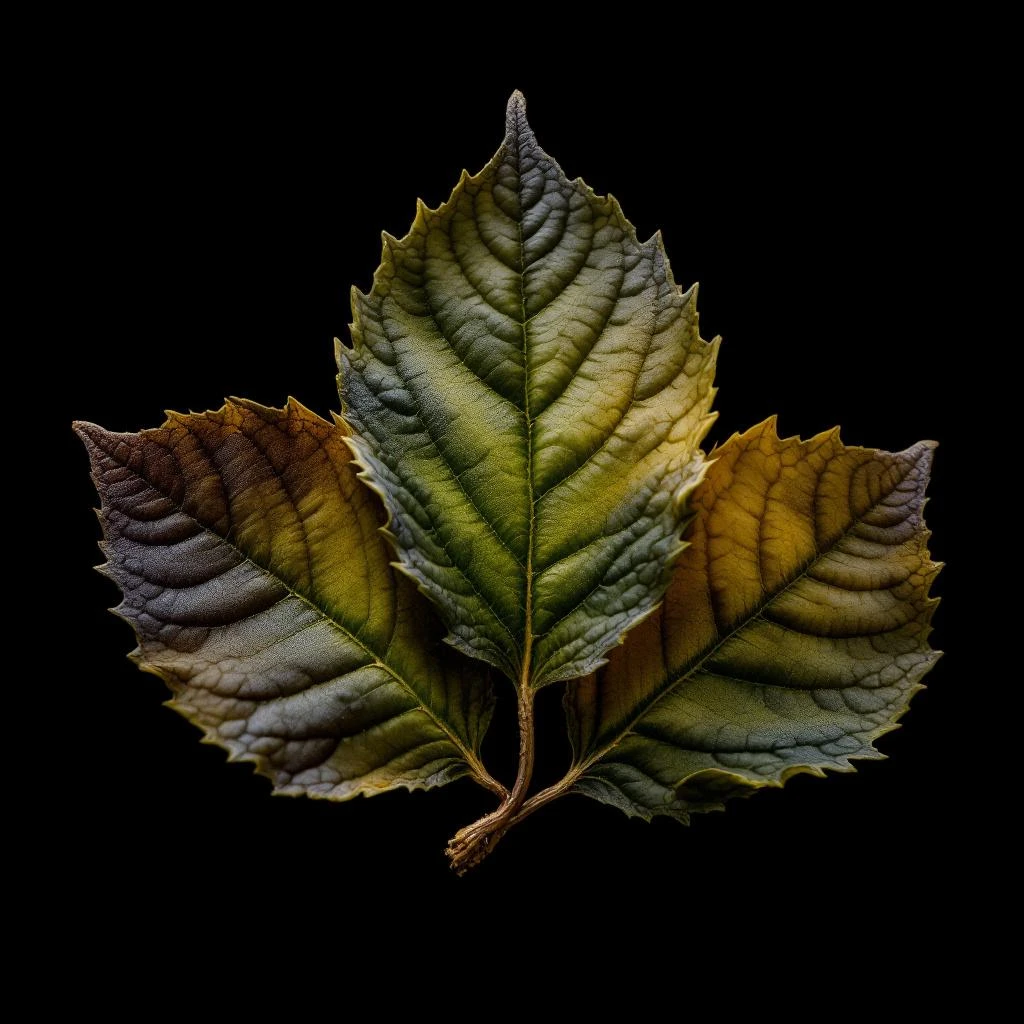
South American Patchouli brings patchouli’s woody depth through a distinctly regional lens, contrasting its dark earth and damp foliage with drier, herbaceous notes shaped by tropical South American growing conditions.
Character
How it smells
Deep patchouli, reimagined with South American warmth.
Patchouli is native to Southeast Asia, so “South American” refers to a regional interpretation or cultivation tradition rather than the plant’s natural origin.
Pairs beautifully with
Origin
Indonesia
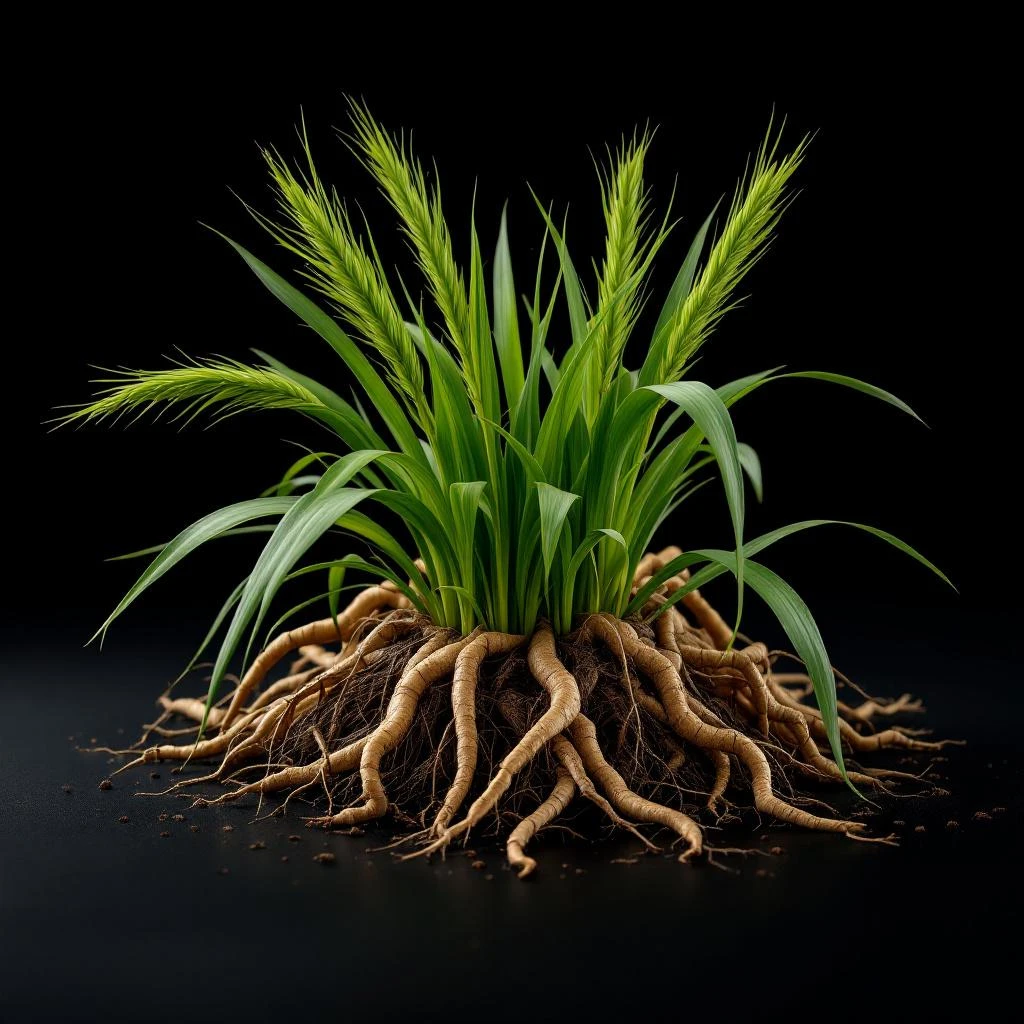
Patchouli belongs to a long history of fragrant plant use across Asia. The plant is native to Southeast Asia, with Indonesia now accounting for roughly 90% of global essential oil production. Historical accounts associate its leaves with protection from insects, and in India they were sometimes placed between folded fabrics during transport.
By the nineteenth century, patchouli had become associated with Indian shawls and gained visibility in European perfumery, where its rich aroma was valued for adding depth to floral and chypre compositions. Its reputation later shifted between sensual, earthy, medicinal, and bohemian. A South American reading of the note draws on the sensory contrast of tropical plants rather than claiming a new botanical origin.
Modern perfumers use patchouli as a base or middle-to-base accent, balancing its heaviness with citrus, spices, woods, florals, and smoky materials. Its enduring appeal comes from this tension: dark and natural enough to feel grounded, yet flexible enough to move from dry woods to humid soil.
Wears it best
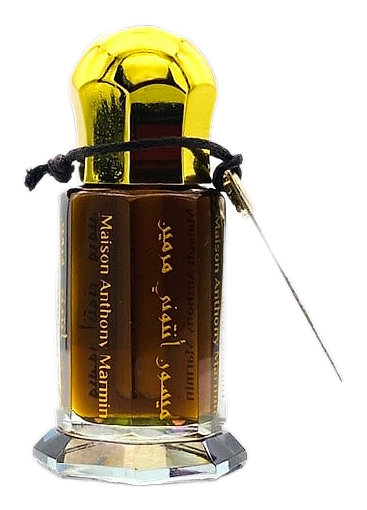
Fragrances featuring South American Patchouli
Brands
Brands known for South American Patchouli
Good to know
Questions, answered
The essentials on South American Patchouli in perfumery: how it smells, where it comes from, and how it behaves on skin.
Where does patchouli naturally originate?
Patchouli is native to Southeast Asia, especially Indonesia and Malaysia. Its South American interpretation is a perfumery style or regional reading, not its botanical origin.
What part of the patchouli plant is used in fragrance?
Fragrance patchouli oil comes mainly from the leaves and stems of Pogostemon cablin. The material is dried and steam-distilled to obtain the essential oil.
Why is patchouli associated with South America?
South American Patchouli describes a sensory interpretation built around the note’s earthy, woody, herbal character. The plant itself is not native to South America.
What does patchouli smell like in perfume?
Patchouli commonly presents as dark, earthy, woody, and slightly camphoraceous. Depending on the formula, it can also appear mossy, smoky, green, or faintly sweet.
How is patchouli oil produced?
Growers harvest patchouli leaves and stems, then dry the material before steam distillation. The process yields a concentrated oil used as a durable base note.
Which country produces most patchouli oil?
Indonesia produces close to 90% of the world’s patchouli essential oil. The crop reflects the plant’s Southeast Asian origin and established cultivation there.
Why is patchouli used in historical perfumery?
Patchouli has a long record of use in fragrant fabrics and Indian shawls, where it helped protect textiles from insects. Its strong aroma later made it valuable in European perfume.
Can patchouli make a fragrance overpowering?
Yes, patchouli has a powerful earthy profile and can dominate a composition when used heavily. Perfumers balance it with citrus, florals, spices, woods, or brighter aromatic notes.