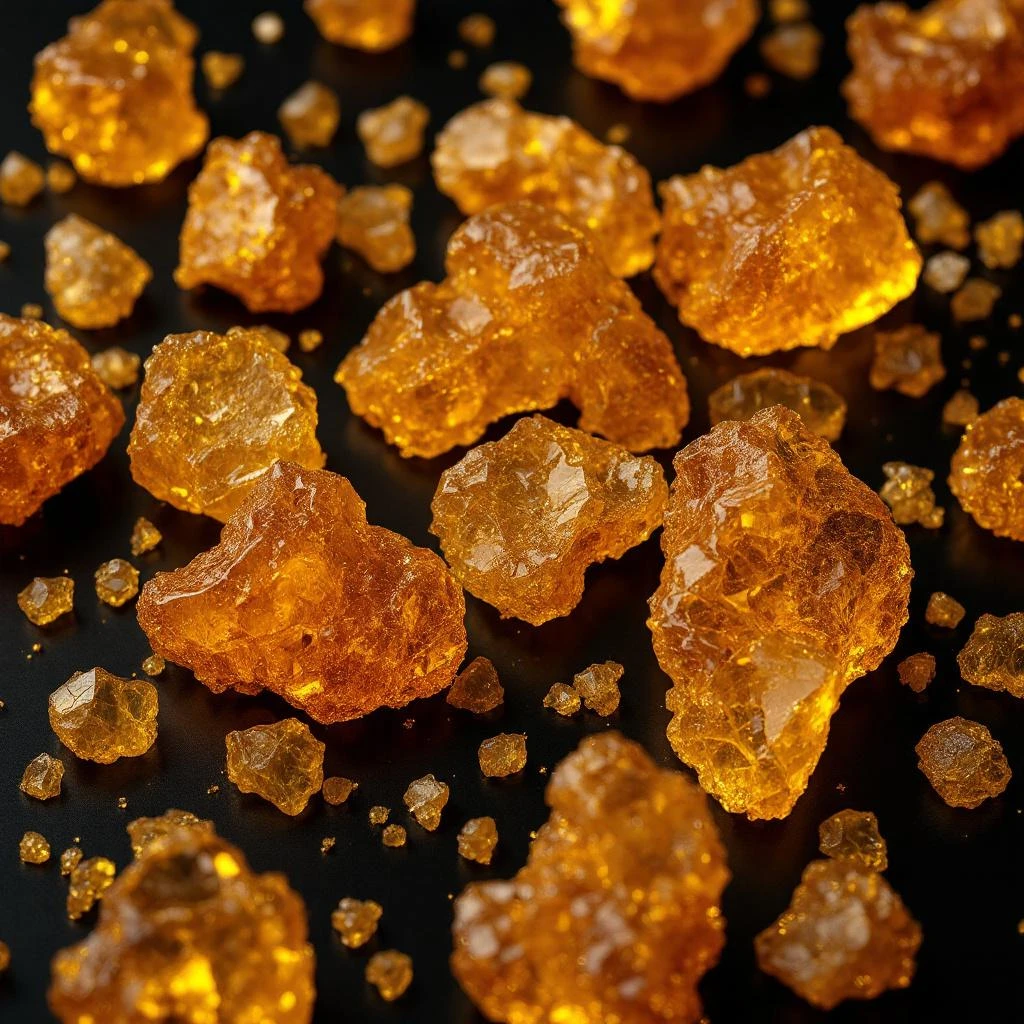
Soft Resins
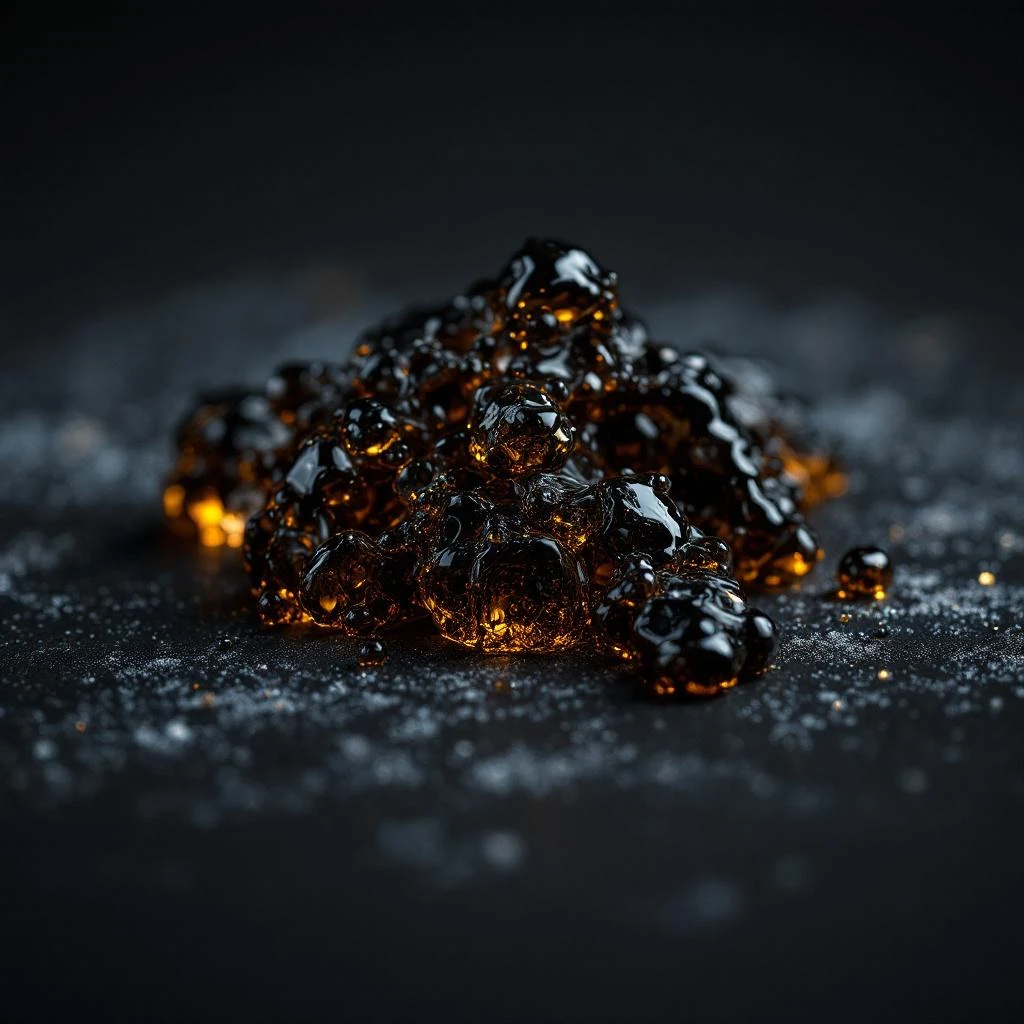
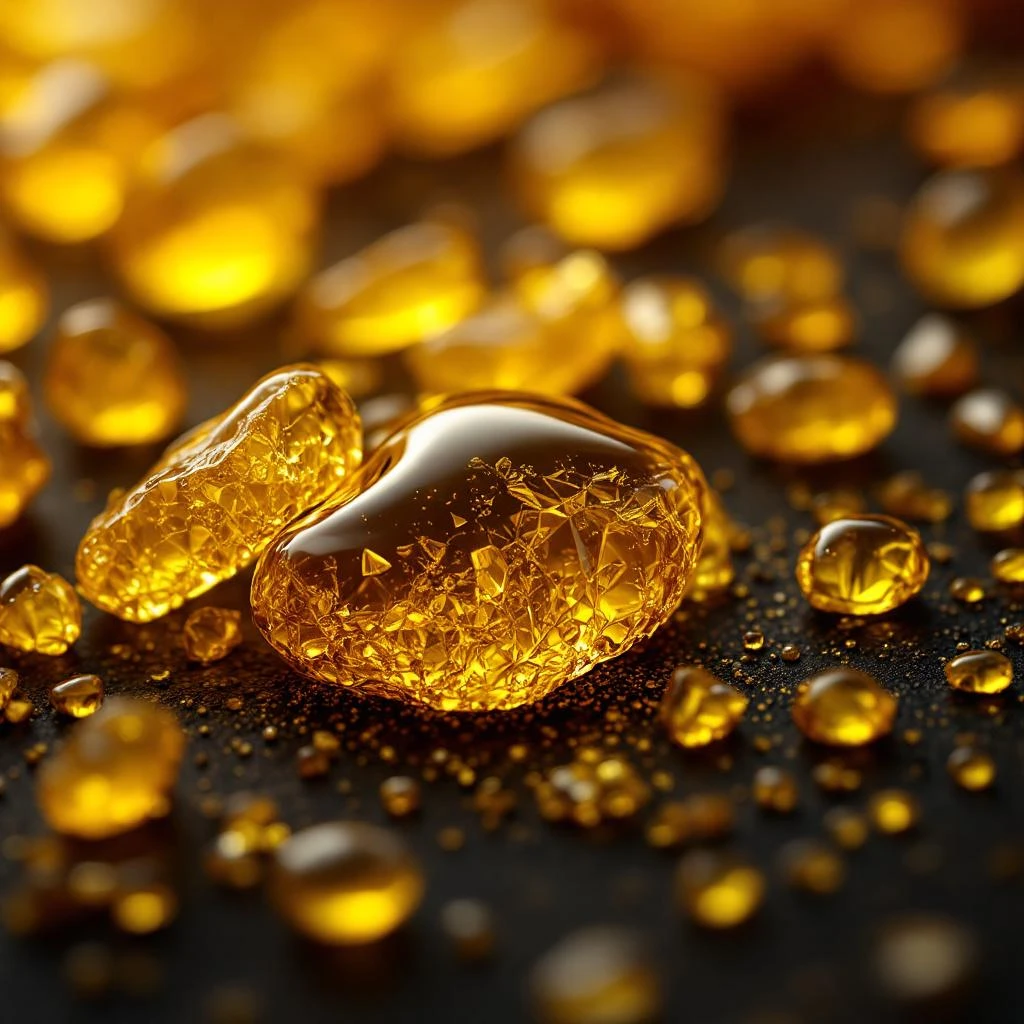
Soft Resins: warm, enveloping ingredients including benzoin, Peru balsam, and tolu balsam. These balsamic materials provide fixative power and a creamy, sweet warmth that anchors fragrance compositions.

Character
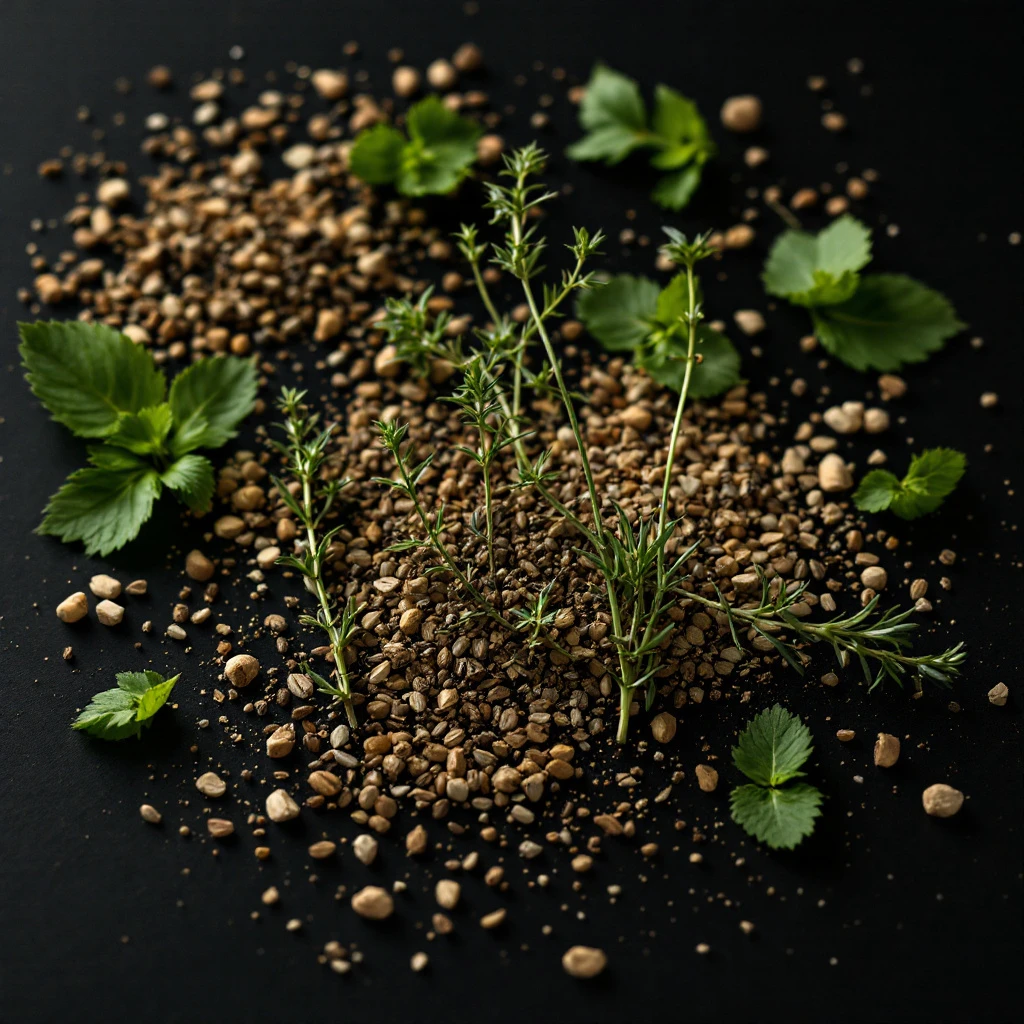
How it smells
The gentle warmth that holds fragrance together.
Benzoin was once burned as temple incense across Southeast Asia. Its name derives from the Arabic 'lubān jāwī', meaning 'frankincense from Java.'
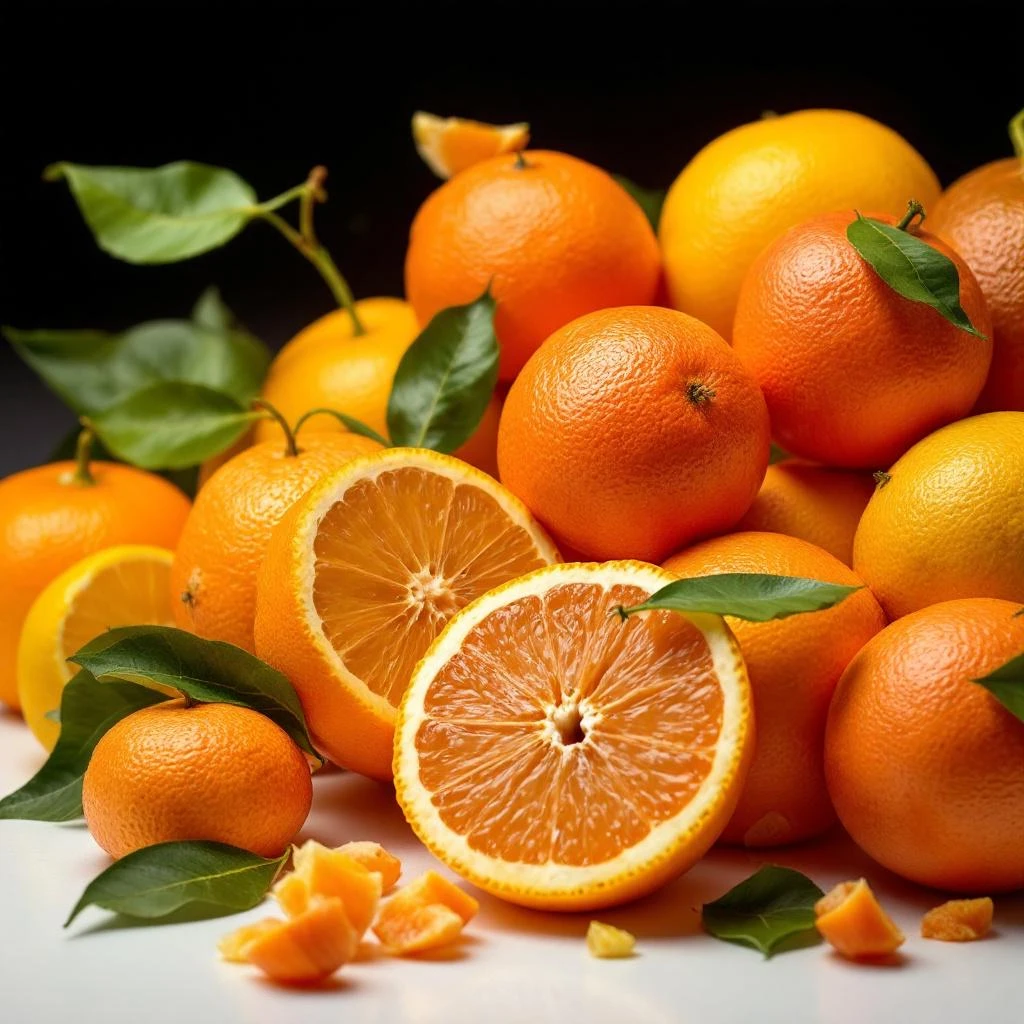
Pairs beautifully with

Origin
Laos
Soft resins occupy a unique position among perfumery ingredients—materials that connected ancient spiritual practice with modern fragrance creation. The Egyptians burned benzoin during religious ceremonies. Mesopotamians valued similar balsamic materials for their sacred significance long before recorded history.
Trade routes spanning from Southeast Asia to the Mediterranean carried these precious materials alongside spices and silks. Arabian perfumers incorporated benzoin into their formulations during the medieval period, recognizing its ability to transform volatile citrus and floral notes into something lasting.
The modern perfume industry codified soft resins as essential base materials during the 19th century. Guerlain's Jicky (1889) demonstrated how these warm materials could bridge traditional and modern fragrance structures. By the 1920s, soft resins had become foundational ingredients in the oriental fragrance family that would define that decade's perfumery.
Contemporary perfumers continue valuing these materials for the same reasons our ancestors did: their extraordinary ability to create emotional warmth and temporal continuity within a composition.
Wears it best
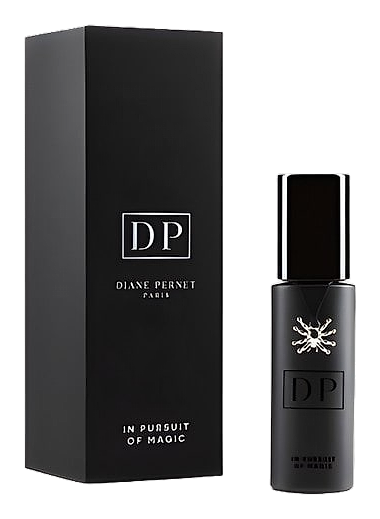
Fragrances featuring Soft Resins
Brands
Brands known for Soft Resins
Good to know
Questions, answered
The essentials on Soft Resins in perfumery: how it smells, where it comes from, and how it behaves on skin.
What exactly are Soft Resins in perfumery?
Soft Resins are balsamic materials like benzoin, Peru balsam, and tolu balsam. They provide warmth, sweetness, and fixative properties that help fragrances last longer on skin. They derive from tree bark exudates and offer a creamy, enveloping quality.
How do Soft Resins differ from hard resins like frankincense?
Soft resins have a more viscous, less crystalline consistency when cured. They offer sweeter, warmer scents with vanilla-like facets. Hard resins like frankincense tend toward camphoraceous, piney notes. Soft resins dominate warm, oriental fragrance compositions.
What fragrance families pair well with Soft Resins?
Oriental fragrances rely heavily on soft resins for their signature warmth. Chypres, ambery compositions, and certain orientals also benefit from these materials. They add depth to woody and spicy constructions without overwhelming brighter top notes.
Are Soft Resins natural or synthetic ingredients?
Traditional soft resins are entirely natural materials sourced from specific tree species. Synthetic alternatives exist, but they rarely capture the full complexity of natural benzoin or Peru balsam. Biotech production of these materials remains limited.
When did perfumers first start using Soft Resins?
Soft resins appear in perfumery records dating to the 19th century, though their aromatic use predates recorded history. The modern perfume industry adopted them as foundational base notes during the 1880s-1920s period when Paris dominated global fragrance creation.
Can Soft Resins cause skin sensitivity?
Some soft resins, particularly Peru balsam, carry moderate sensitization risk. IFRA regulations limit concentrations in consumer products. Individuals with sensitive skin should test fragrances containing these materials before full application.
What creates the warm, sweet scent of Soft Resins?
Vanillin content drives the sweet, vanilla-like character in benzoin. Cinnamic acid derivatives contribute warmth. Peru balsam contains benzoate and cinnamate esters creating its distinctive sweet-balsamic profile. These compounds develop during resin maturation.
Do natural Soft Resins appear in organic or natural perfumes?
Natural soft resins are permitted in most organic and natural fragrance certifications. They are botanical materials without synthetic processing. Many artisan perfumers specifically seek out high-quality benzoin resinoid for natural fragrance formulations.