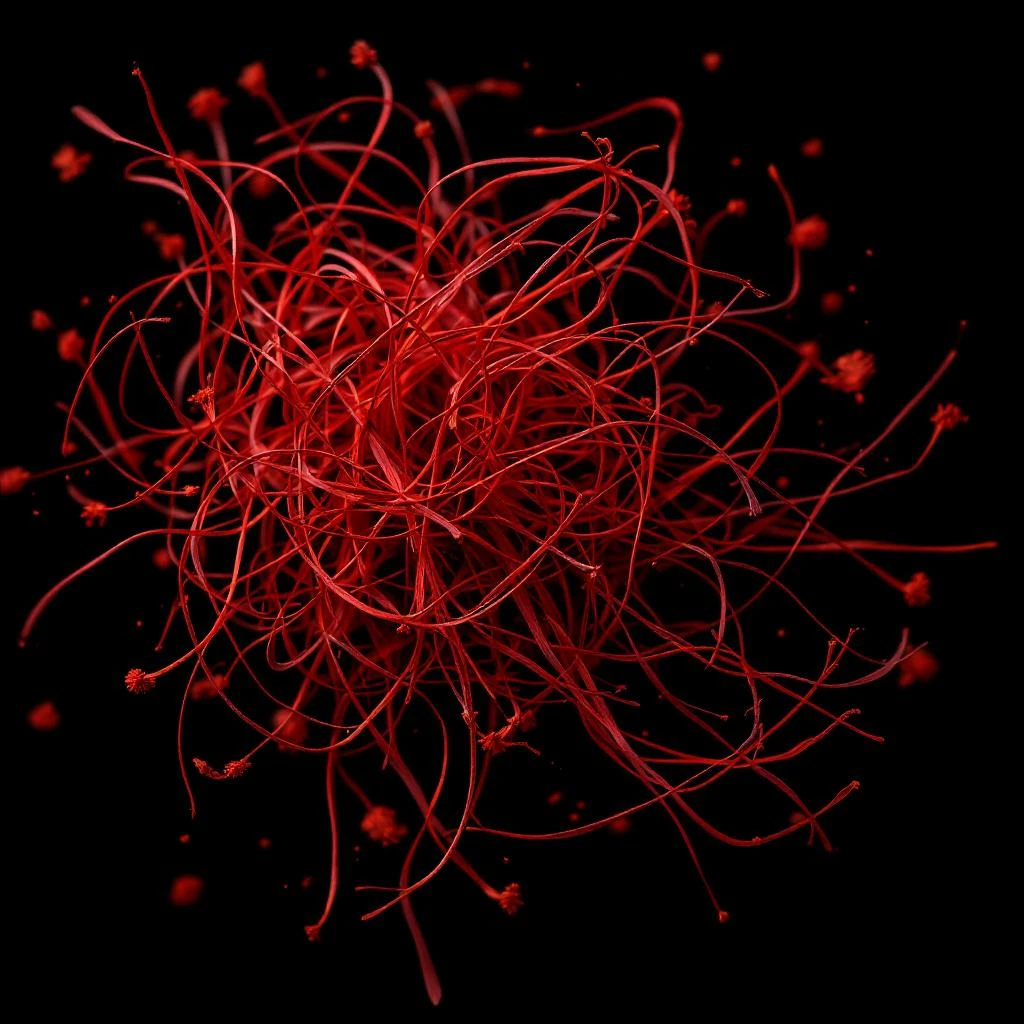
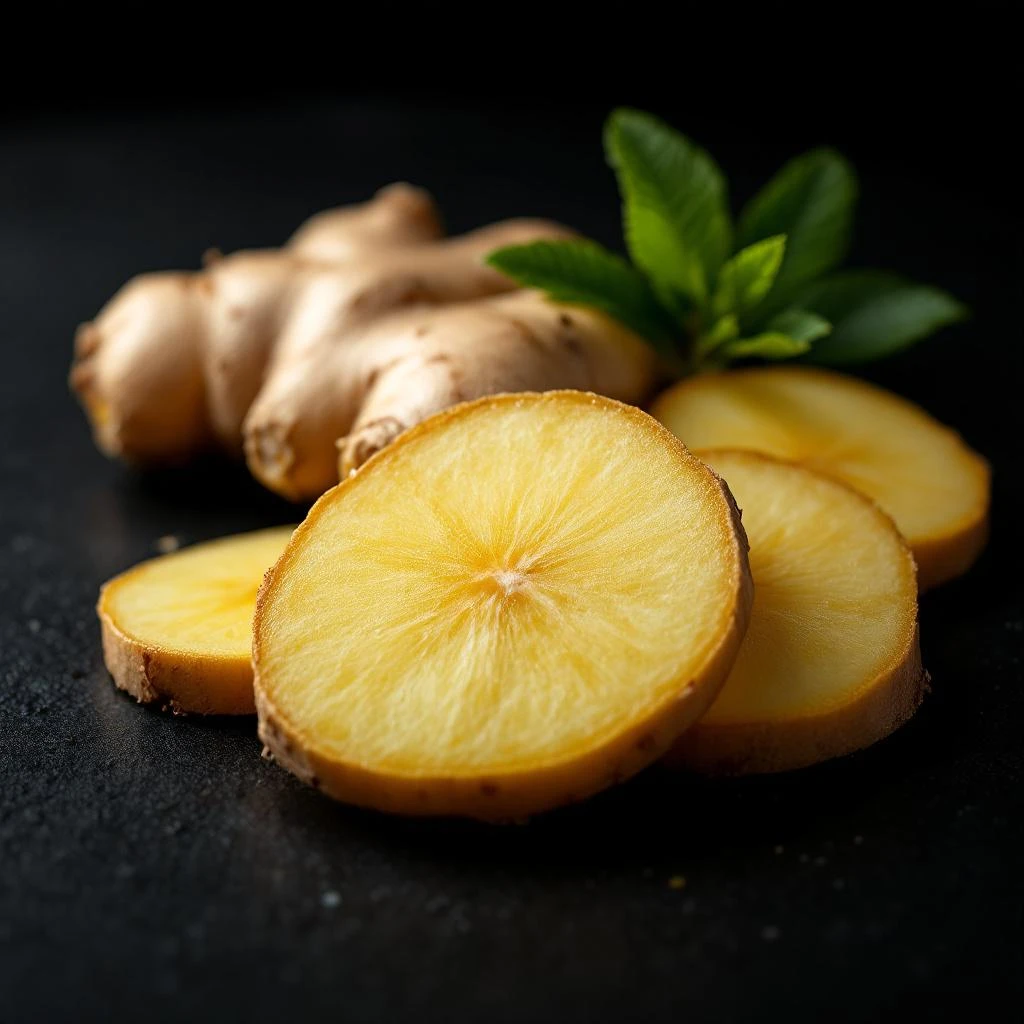
Fresh Spices
Fresh spices bring a crisp, lively brightness to fragrance compositions. These aromatic seeds and berries deliver clean heat and citrusy warmth without heaviness, creating an immediate sense of energy and vitality in a blend.
Character
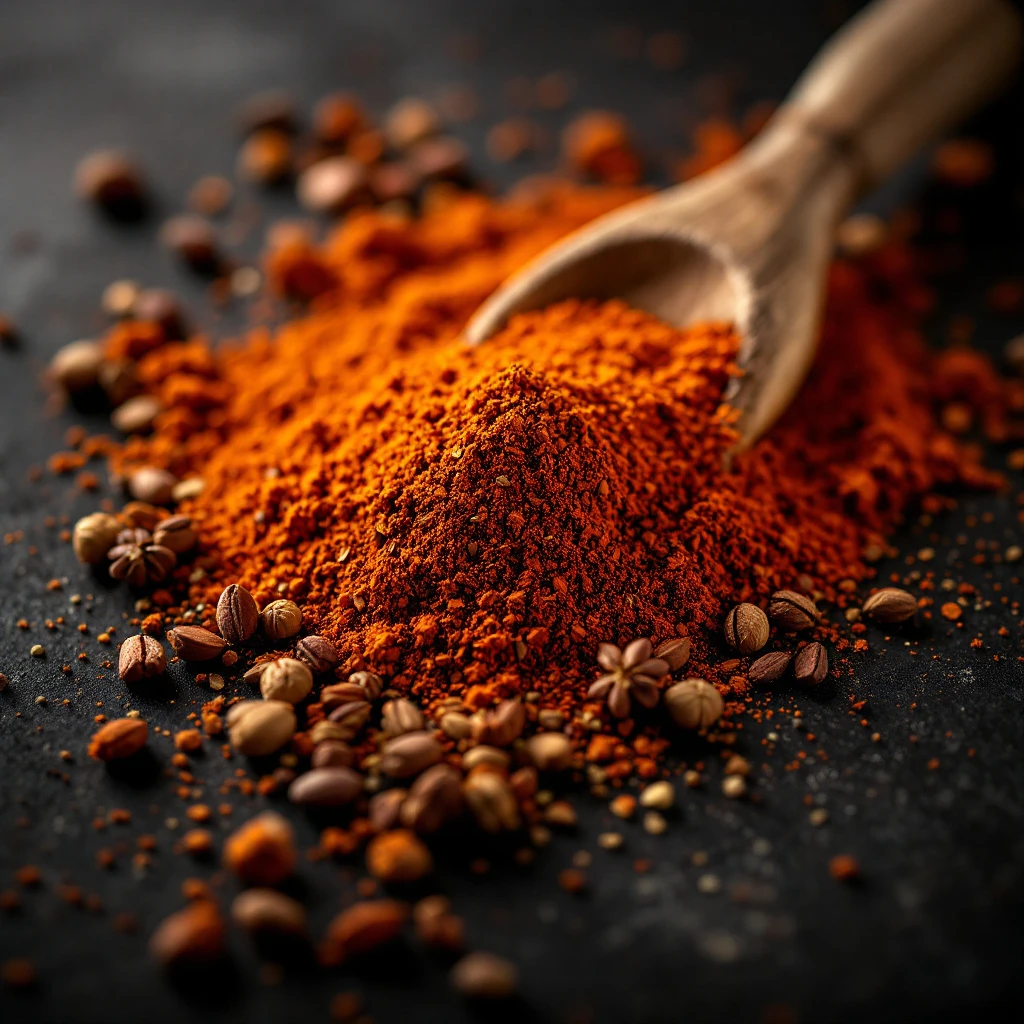
How it smells
Bright heat that lifts and energizes.
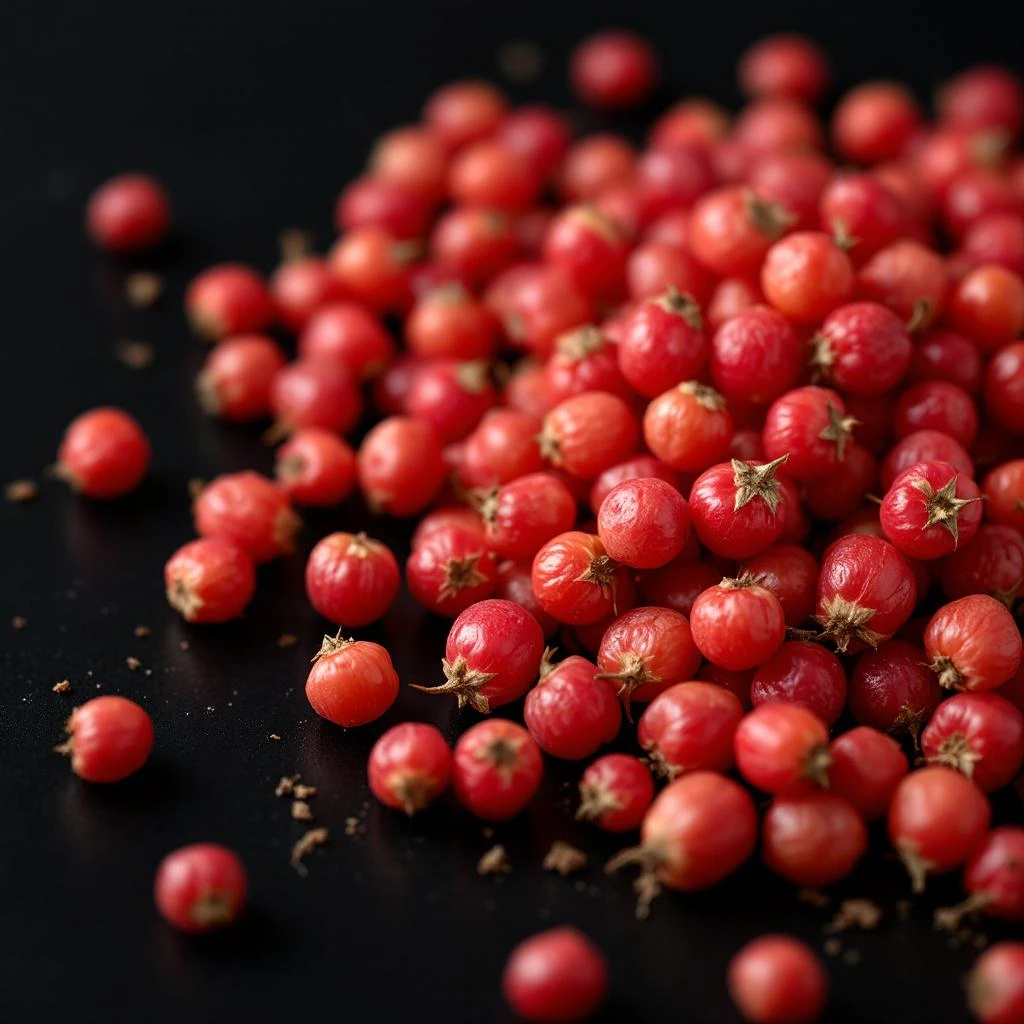
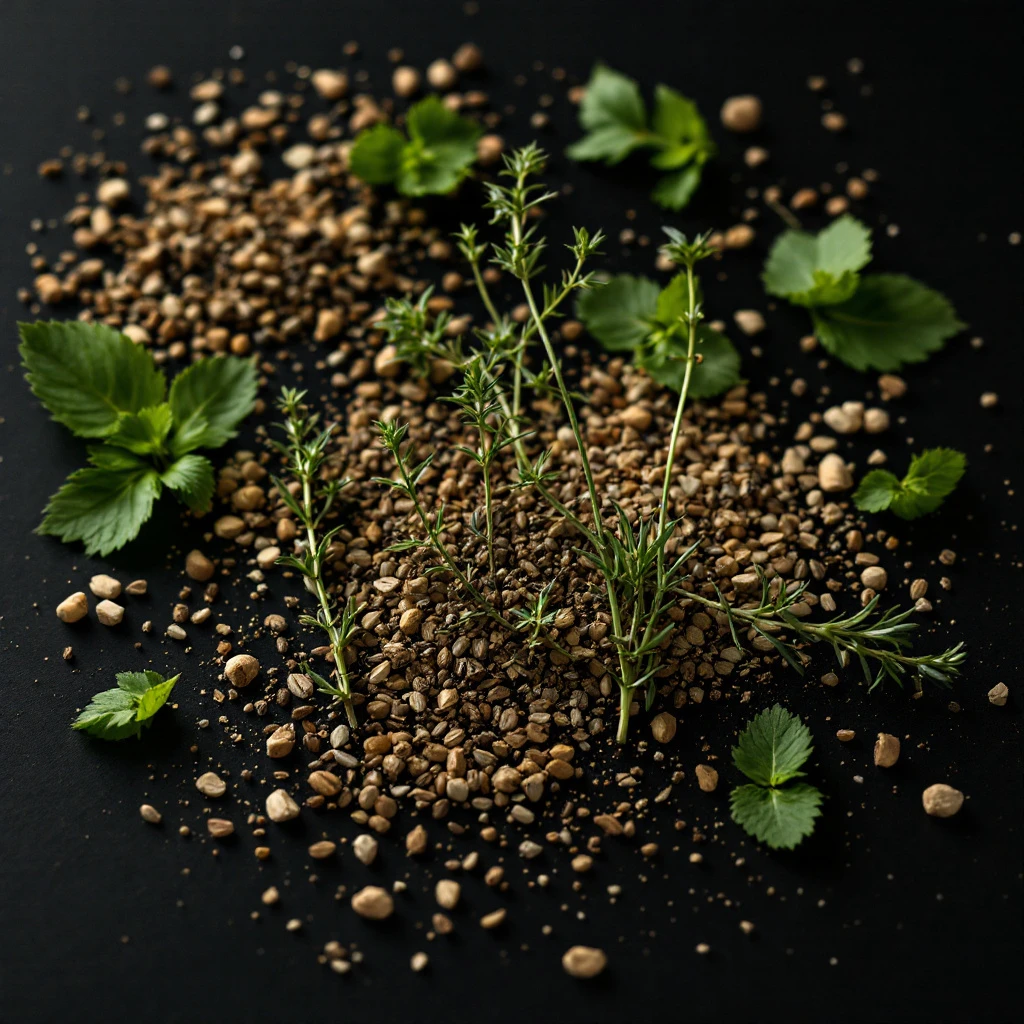
Pink peppercorns are not true pepper but berries from the Peruvian peppertree, lending a delicate fruity-spice that perfumers treasure for its versatility.
Pairs beautifully with

Origin
Multiple origins including Peru, Nepal, and Guatemala
The use of aromatic spices in fragrance dates to ancient Mesopotamian and Egyptian civilizations, where traders transported precious botanicals along incense routes connecting Asia to the Mediterranean. Fresh spices occupied a distinct place in these early perfumeries, valued for their ability to lift heavier resinous notes and create balance. Medieval Arabian physicians refined distillation techniques in the 12th century, allowing them to isolate the bright aromatic compounds from spice seeds with unprecedented precision.
When modern perfumery emerged in 19th-century France, spice materials became essential modifiers in everything from chypre bases to colognes. The contemporary appreciation for fresh spices represents a return to these foundational principles: using nature's most energetic aromatics to create fragrance compositions with clarity and movement.
Wears it best
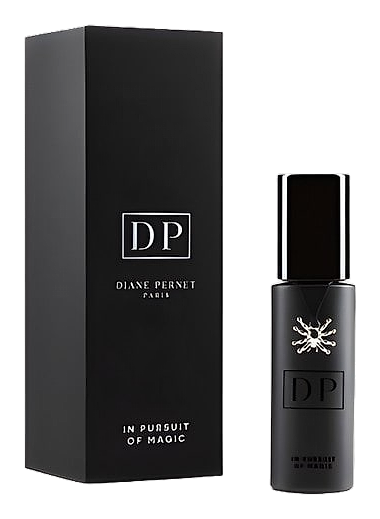
Fragrances featuring Fresh Spices
Brands
Brands known for Fresh Spices
Good to know
Questions, answered
The essentials on Fresh Spices in perfumery: how it smells, where it comes from, and how it behaves on skin.
What makes fresh spices different from warm spices in perfumery?
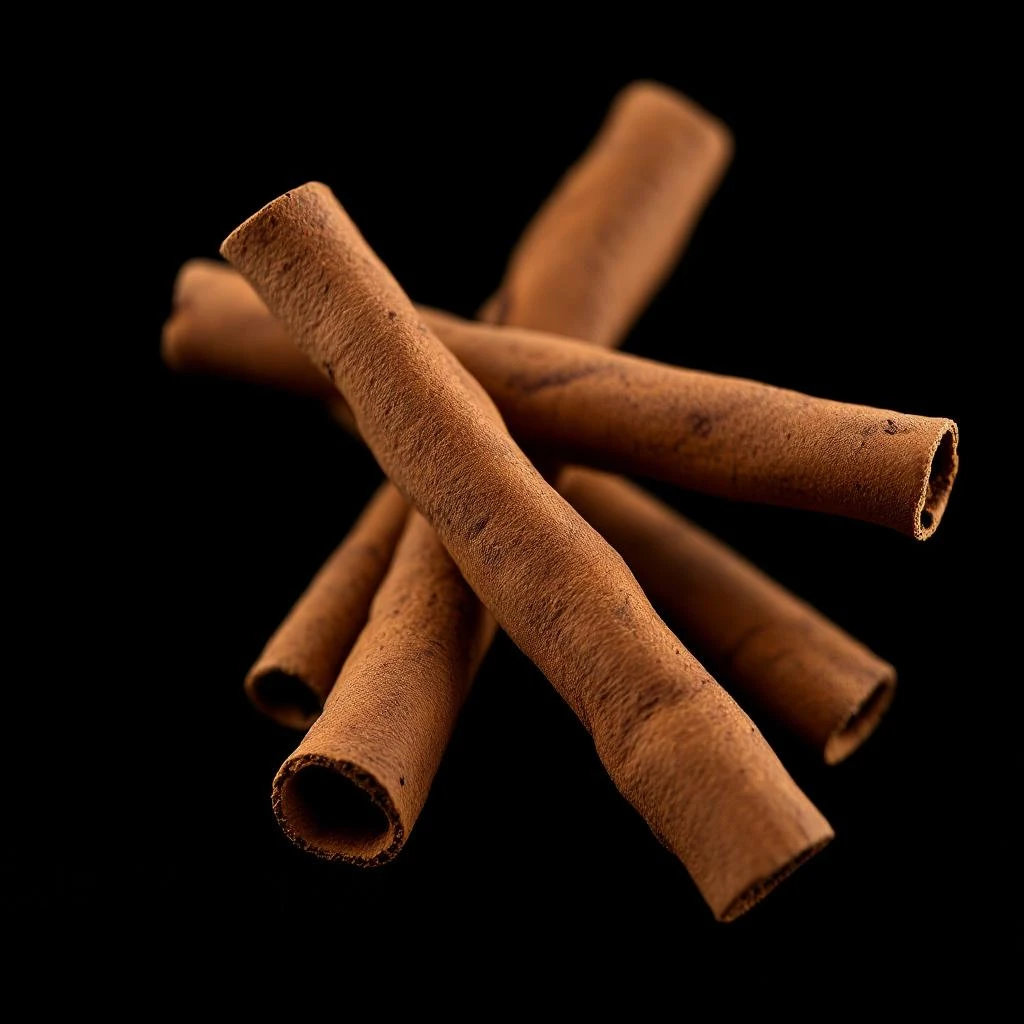
Fresh spices deliver bright, clean aromatic energy rather than deep warmth. They read as crisp and uplifting, while warm spices like cinnamon or clove provide grounding, sweet depth.
Which spices are classified as fresh in fragrance?
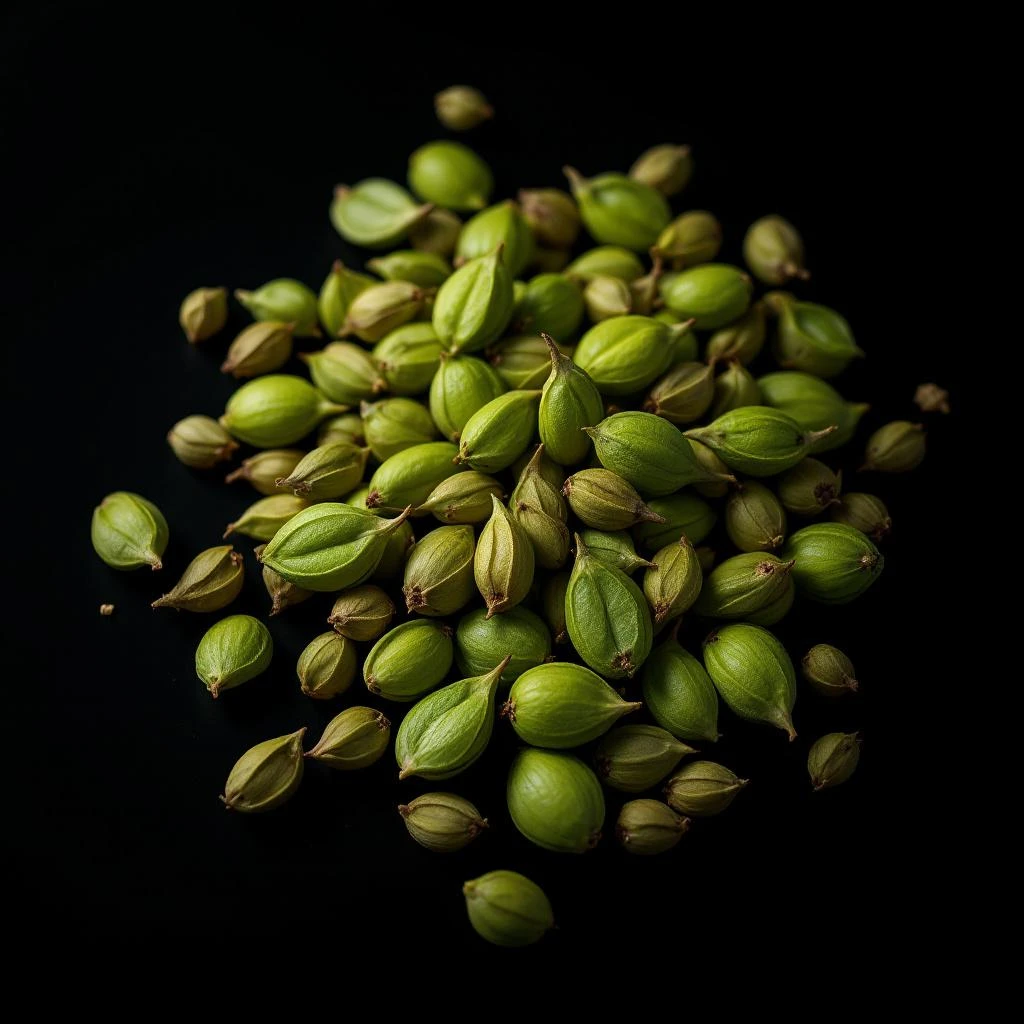
Pink peppercorn, Sichuan pepper, timut pepper, green cardamom, and grains of paradise represent the fresh spice category, each offering citrusy or clean heat characteristics.
Do fresh spices come from natural or synthetic sources?
Fresh spices used in fine perfumery are natural botanicals. Pink peppercorn derives from Schinus molle berries, while timut pepper comes from Zanthoxylum armatum, a Himalayan shrub.
How do fresh spices perform on skin?
Fresh spices typically project clearly for 1-2 hours as top-to-heart notes before softening. Their brightness makes them excellent fixatives for lighter fragrance compositions.
Which fragrance families commonly use fresh spices?
Fresh spices appear across modern fougère, aquatic, and citrus compositions. They also brighten oriental fragrances by cutting sweetness and adding lift.
What extraction method preserves fresh spice character best?
Steam distillation yields the cleanest fresh spice notes, while CO2 supercritical extraction captures broader aromatic range including subtler fruity undertones.
Are fresh spices suitable for sensitive skin?
Fresh spices generally cause less irritation than warm spices like cinnamon. Pink pepper oil is considered among the milder spice materials for skin contact.
How do perfumers dose fresh spices in compositions?
Perfumers use fresh spices at 2-8% in fragrance concentrates, depending on desired brightness. Their potency means small amounts deliver significant aromatic impact.