Smoked Tonka Bean
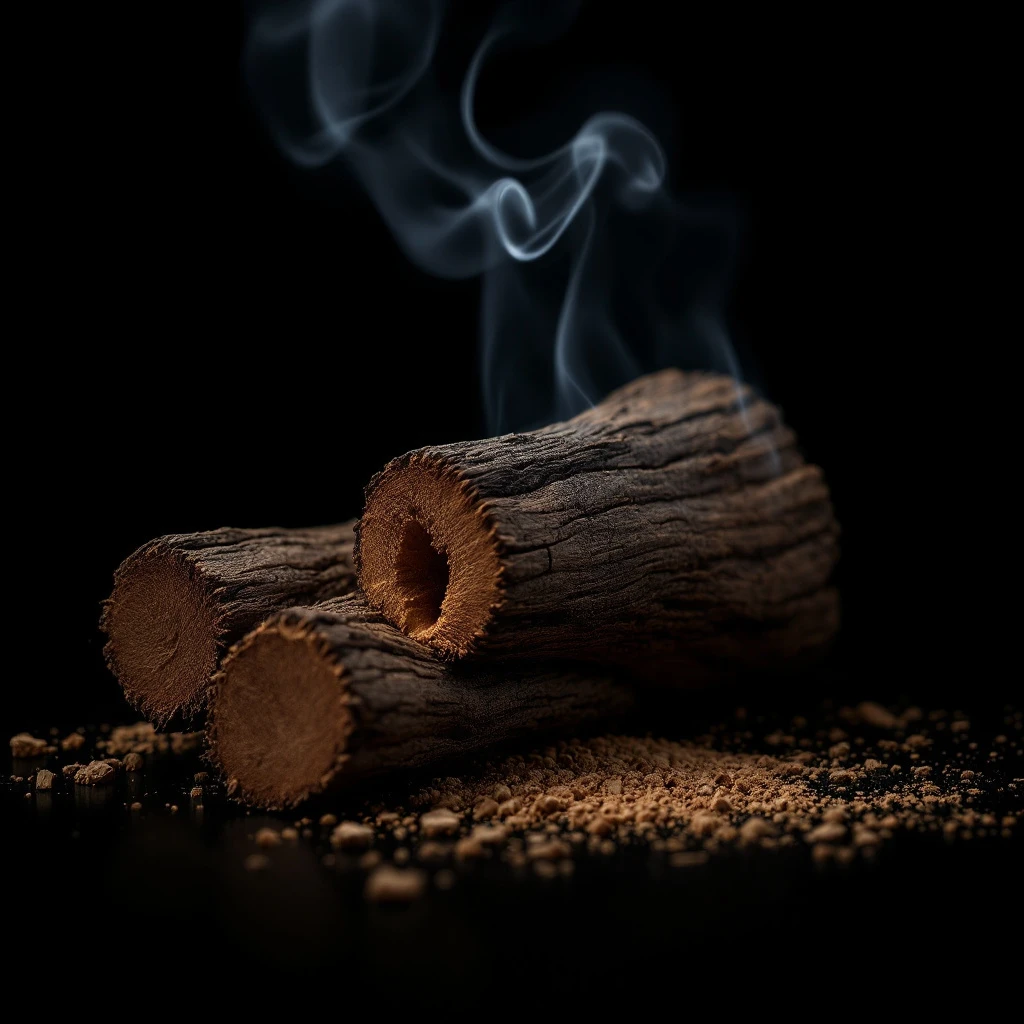
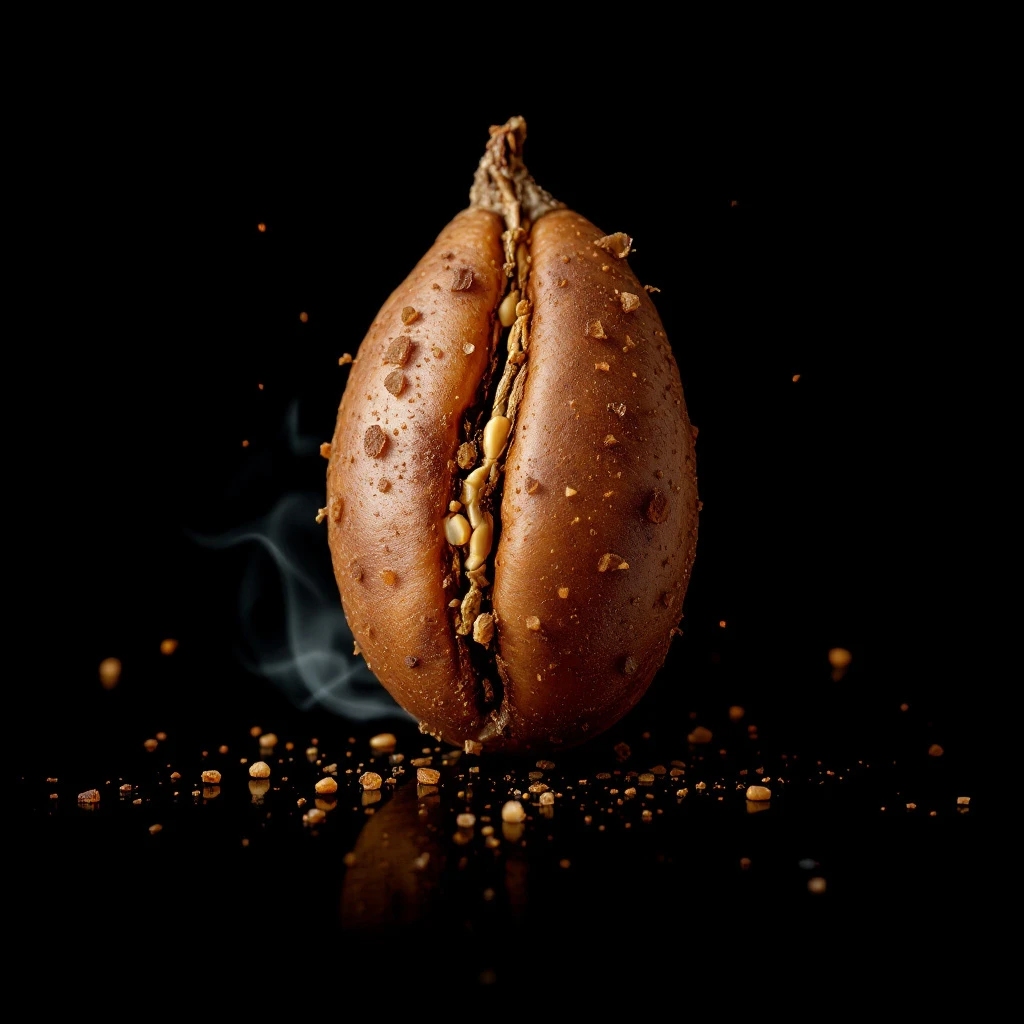
Smoked tonka bean bridges the gap between warm gourmand and dark, smoldering intensity. The bean absorbs wood smoke during curing, transforming its signature coumarin-rich sweetness into something more primal, with toasted tobacco undertones and a lingering ember-like dry down.
Character
How it smells
Sweet warmth meets smoldering embers
A tonka bean absolute can contain up to 90% coumarin, the compound that gives it that characteristic sweet hay and warm vanilla character.





Origin
Venezuela
The tonka bean arrived in European perfumery through Dutch colonial trade routes in the early 19th century, though indigenous Amazonian communities had long used the seeds for their potent fragrance. In 1820, chemist August Vogel became the first to isolate coumarin from the beans, though he initially misidentified it as benzoic acid.
The true synthesis of coumarin came in 1868 through William Henry Perkin's work, a breakthrough that would eventually give birth to the fougère fragrance family. Before synthetic alternatives existed, perfumers relied on tonka beans to provide that distinctive sweet, hay-like warmth.
The practice of smoking tonka beans emerged later, likely inspired by the long-standing tradition of adding tonka to snuff tobacco, where the combination of smoky and sweet created a uniquely appealing character. Today, smoked tonka bean represents a deliberate return to artisanal treatment methods, offering perfumers a bridge between natural tradition and modern creative expression.
Wears it best
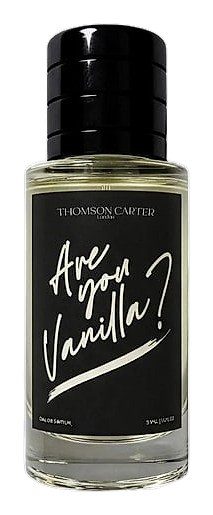
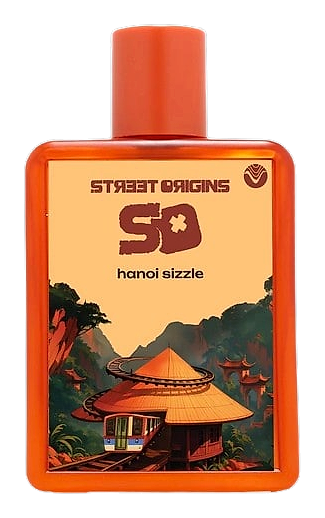
Fragrances featuring Smoked Tonka Bean
Brands
Brands known for Smoked Tonka Bean
Good to know
Questions, answered
The essentials on Smoked Tonka Bean in perfumery: how it smells, where it comes from, and how it behaves on skin.
What gives smoked tonka bean its distinctive smoky character?
The smoky character comes from controlled exposure to wood fire during processing. After solvent extraction creates tonka absolute, the material is exposed to aromatic wood smoke, typically from oak or maple, which the beans absorb while retaining their natural coumarin content.
How does smoked tonka bean differ from regular tonka bean?
Regular tonka bean offers sweet, vanilla-like warmth with hay and tobacco undertones. Smoked tonka bean adds a primal, ashy dimension that evokes embers and charred wood while maintaining the signature coumarin sweetness underneath.
Is smoked tonka bean safe to use in fragrance?
Yes, when used within International Fragrance Association guidelines. Natural tonka absolute can contain up to 90% coumarin, which is restricted in certain applications, but compliant usage poses no concerns for topical fragrance application.
What fragrance families work best with smoked tonka bean?
Smoked tonka bean performs exceptionally in oriental and woody fragrances where it adds warmth and depth. It also excels in tobacco and leather compositions, as the smoky quality complements these themes naturally.
Where does tonka bean originate?
Tonka beans come from the Dipteryx odorata tree, which grows primarily in the Amazon basin, with Venezuela and Brazil as major production regions. The tree requires specific tropical conditions to produce the high-coumarin seeds prized in perfumery.
Can smoked tonka bean be created synthetically?
While synthetic coumarin exists and is widely used, the smoked character requires actual smoke integration that is difficult to replicate artificially. Natural smoked tonka absolute remains preferred for its complexity.
What ingredients pair well with smoked tonka bean?
Smoked tonka bean pairs naturally with other tobacco-associated materials like immortelle and birch tar. It also complements warm woods like sandalwood and cedar, as well as vanilla and benzoin for increased sweetness.
Does smoking alter the coumarin content of tonka bean?
Smoking does not significantly reduce coumarin levels, as the compound is heat-stable and embedded within the bean matrix. The smoke compounds layer on top of the existing coumarin profile rather than replacing it.