Smoked Spices
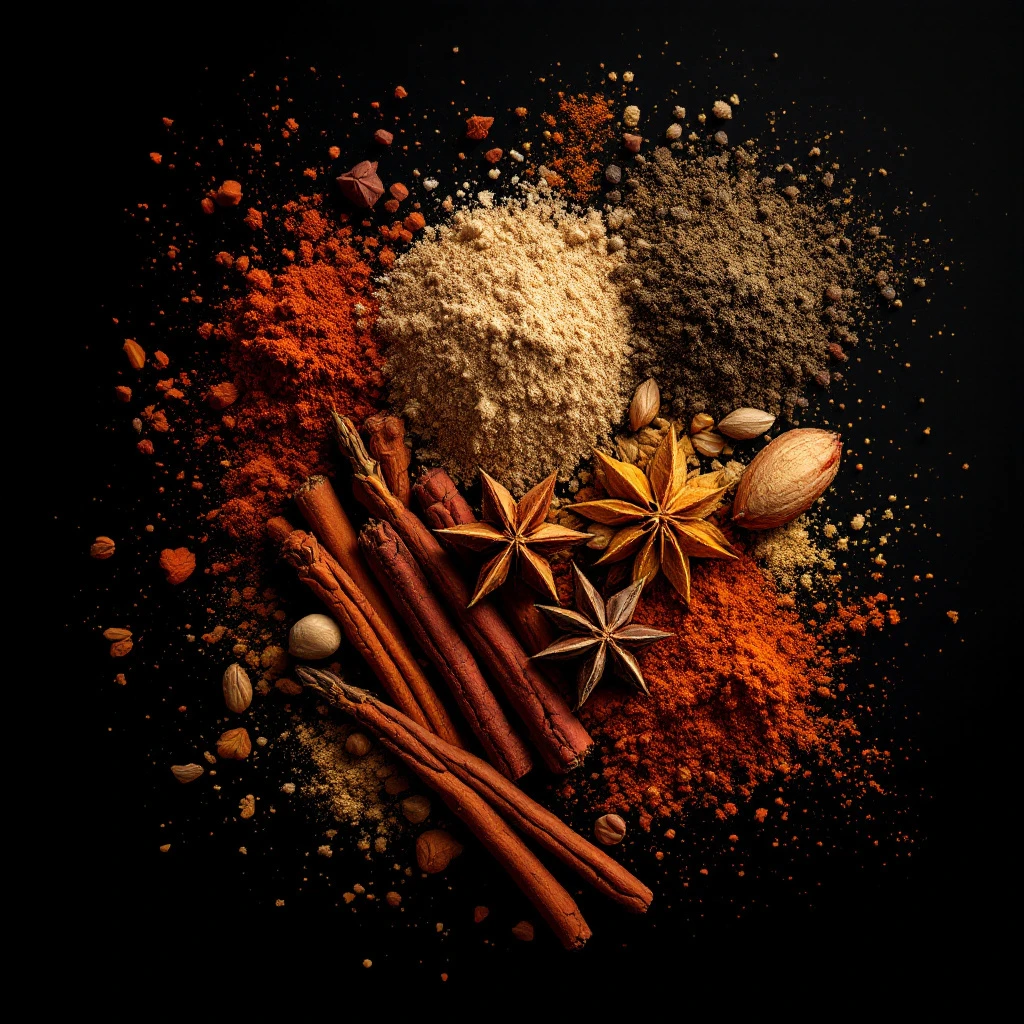
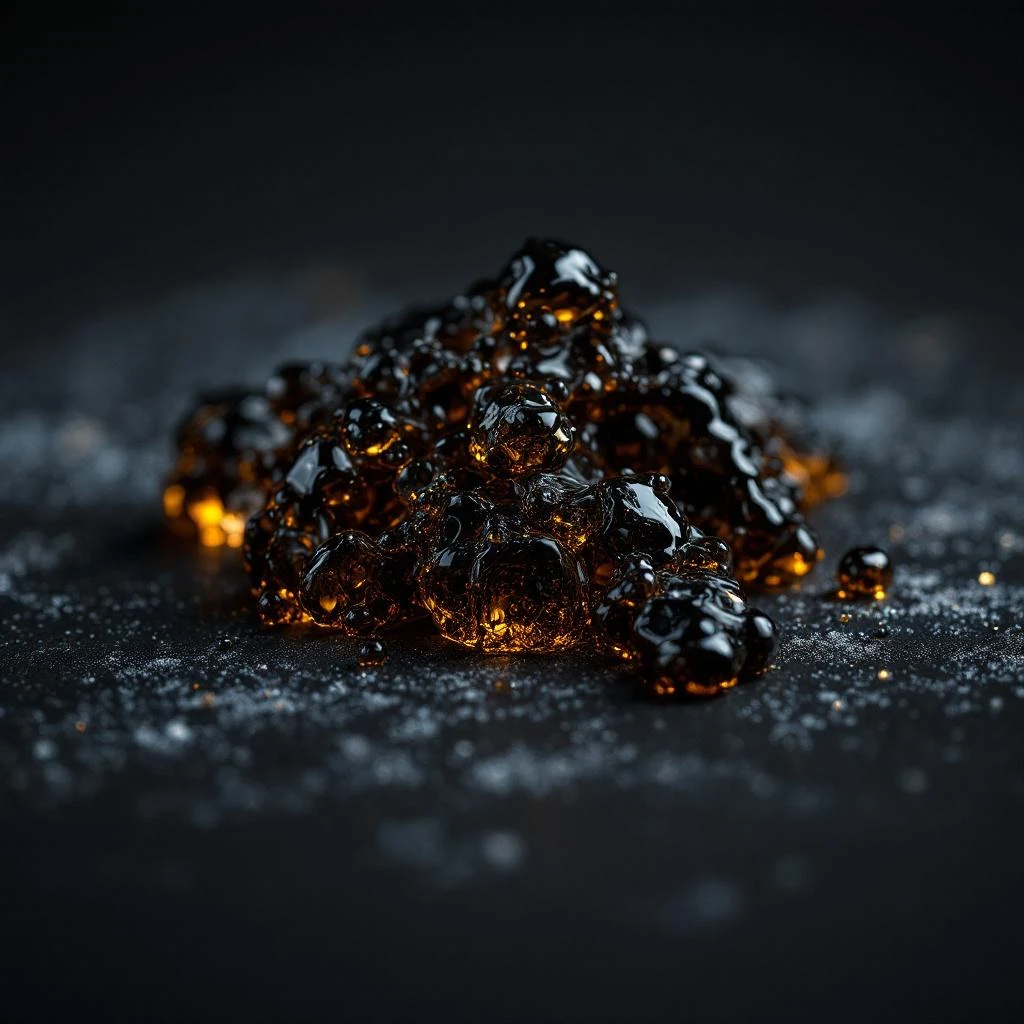
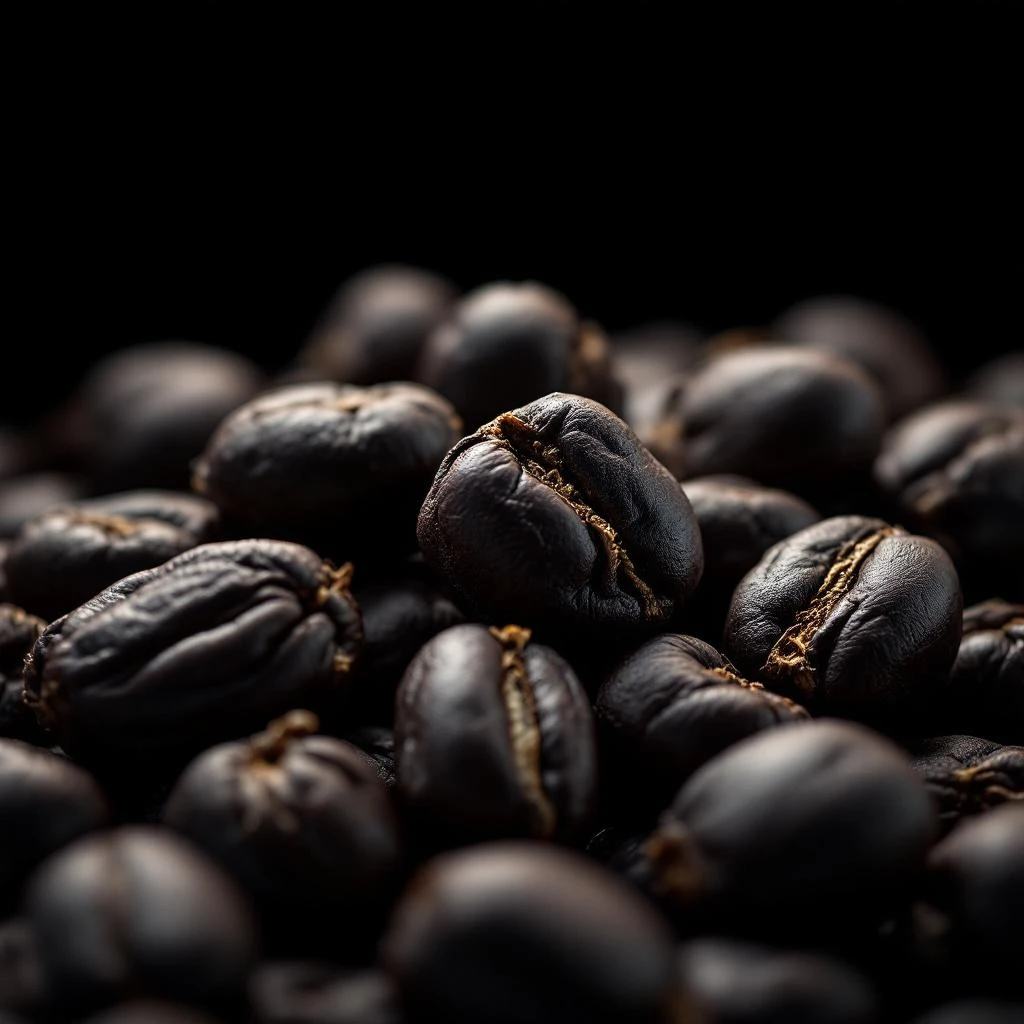
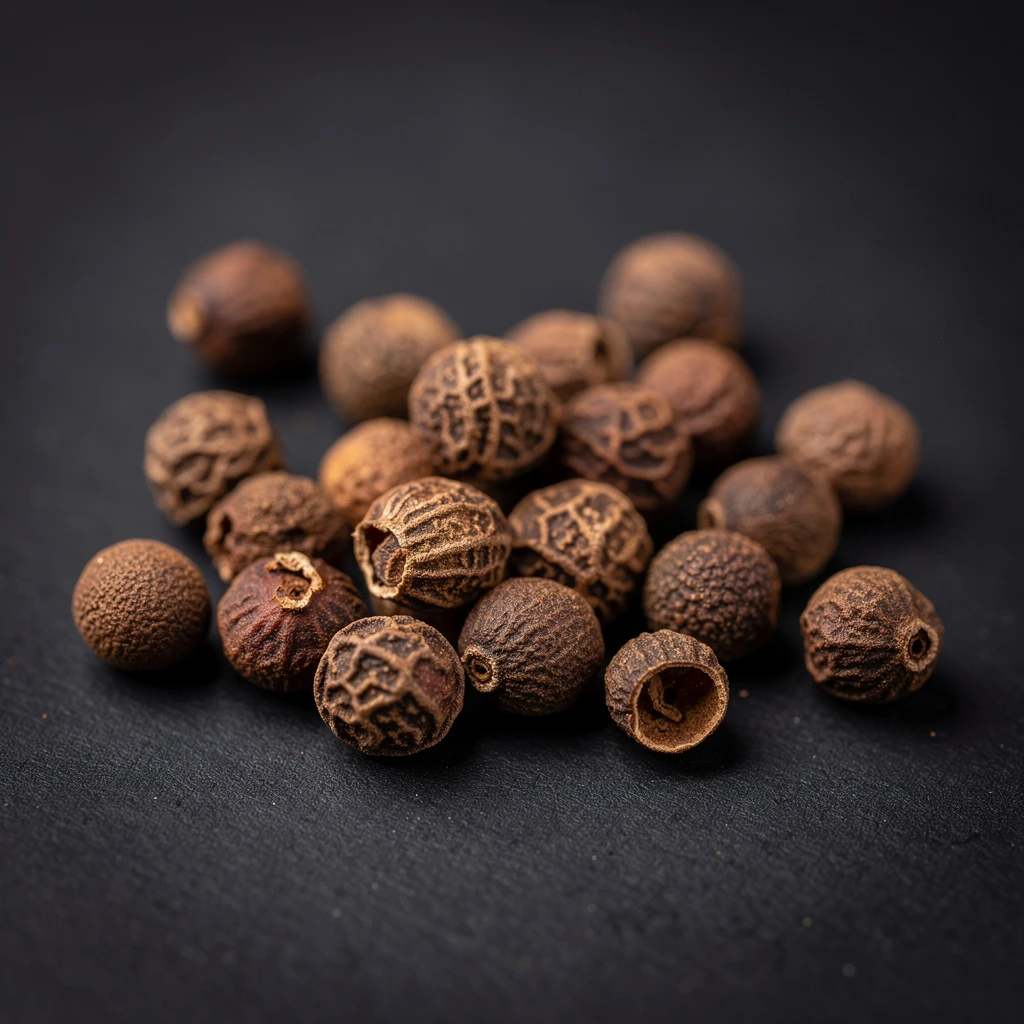
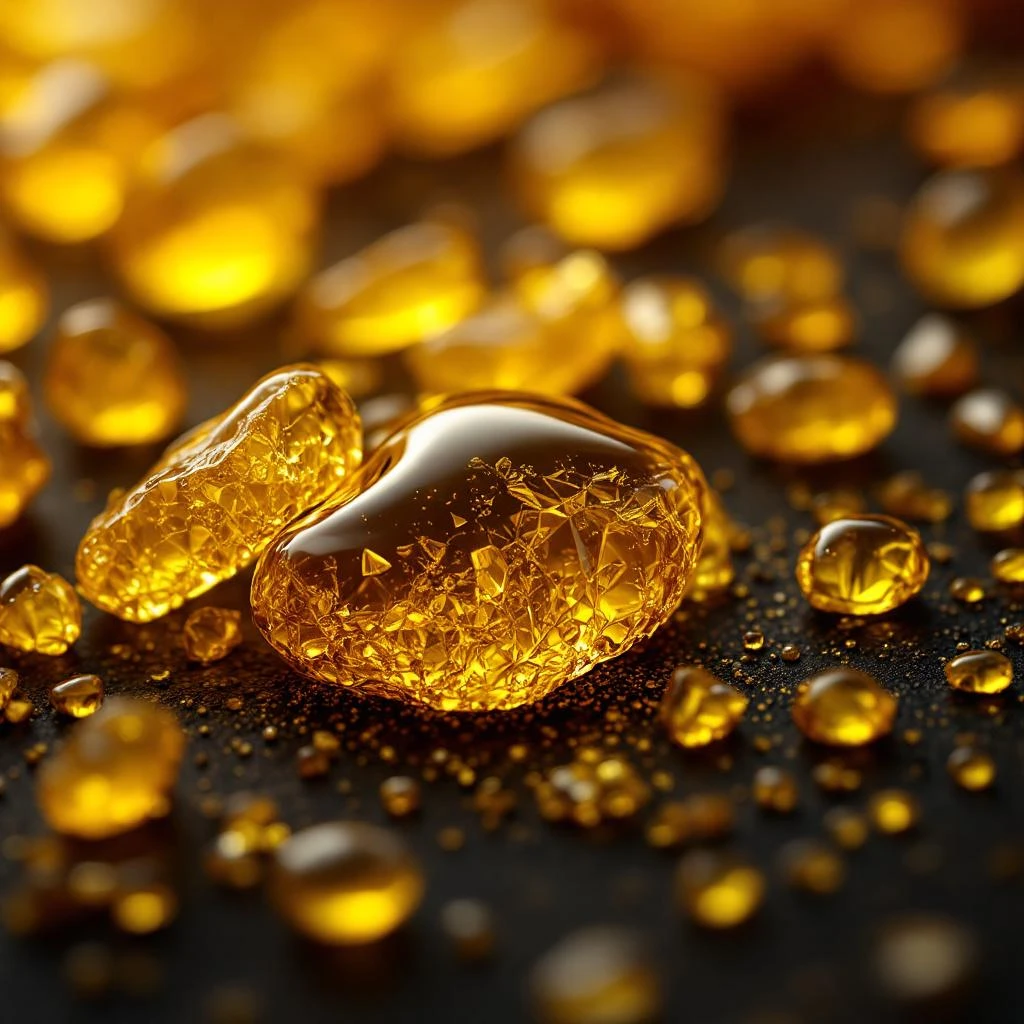
Smoked spices bring fire-born warmth to fragrance compositions, capturing the primal memory of ancient rituals where aromatic resins met flame. These bold, smoldering notes add depth and mystery, grounding lighter elements with their earthy, resinous smoke.
Character
How it smells
Fire's gift to fragrance.
The word perfume itself derives from the Latin 'per fumum,' meaning 'through smoke' — linking modern fragrance directly to its smoked origins.


Origin
Somalia
When prehistoric humans first burned wood and resins around 40,000 years ago, they discovered that certain materials produced more captivating smoke than others. Ancient Egyptians formalized this practice, burning fragrant resins in temples and incorporating their smoke into religious ceremonies. Arabian physicians of the 12th century advanced distillation techniques, allowing them to capture smoke's aromatic essence rather than simply dispersing it through air.
The Persians and Romans further refined these methods, trading in precious smoked resins along Silk Road routes. Medieval European monks preserved these techniques through monastery gardens, eventually leading to the sophisticated smoked spice materials used in contemporary perfumery.
Wears it best
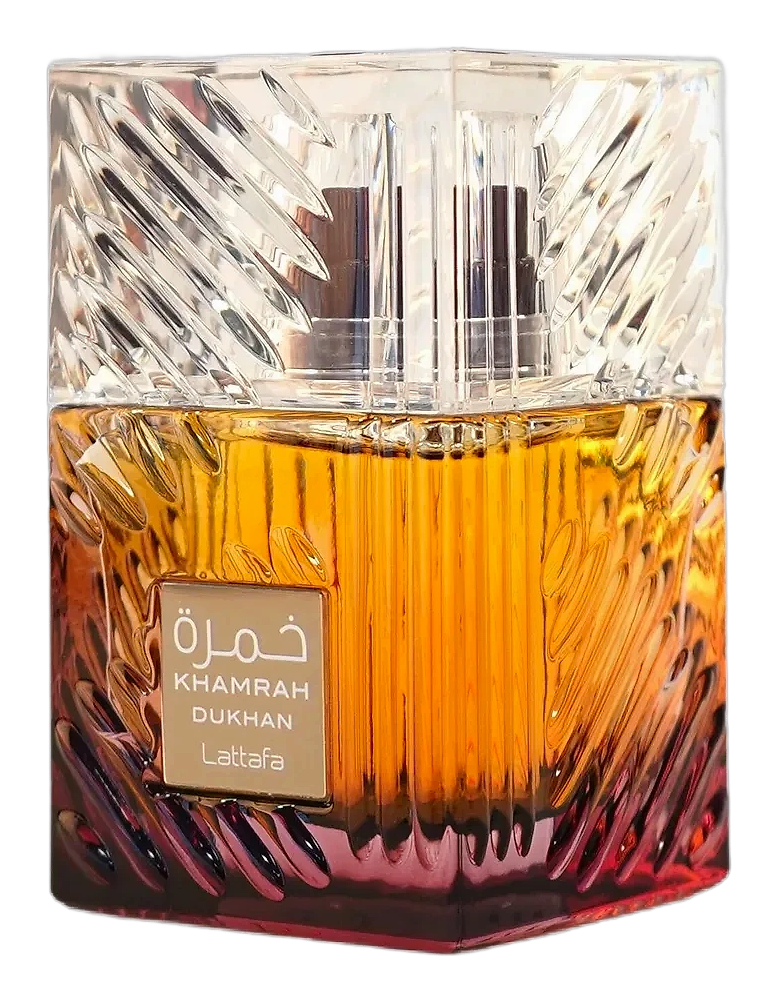
Fragrances featuring Smoked Spices
Brands
Brands known for Smoked Spices
Good to know
Questions, answered
The essentials on Smoked Spices in perfumery: how it smells, where it comes from, and how it behaves on skin.
What gives smoked spices their characteristic aroma?
Pyrolysis creates aromatic compounds called phenols, particularly guaiacol, which give smoked materials their distinctive smoldering quality. These molecules bind strongly to olfactory receptors, producing long-lasting impressions.
Which smoked spice is most prized in perfumery?
Cade oil (juniper tar) ranks among the most valued smoked materials, used sparingly to add dramatic smoky depth. Its production requires traditional methods that limit supply.
Are smoked spices natural or synthetic?
Both exist in perfumery. Natural smoked materials include cade oil, birch tar, and smoked frankincense. Synthetic alternatives like guaiacol provide consistent smoky notes without natural variability.
What fragrances traditionally feature smoked spices?
Smoked spices appear prominently in oriental and woody fragrance families. They add warmth to masculine bases and provide mysterious depth to unisex compositions.
How much smoked spice does a perfume contain?
Dosage remains low due to potency. Most formulations use smoked materials at 0.5-3% of total concentration, allowing their aromatic impact without overwhelming other notes.
What scents pair well with smoked spices?
Vanilla amplifies smoked warmth, while leather notes enhance the smoky character. Aromatic herbs like sage and woody materials like cedar create natural complements.
Where does the finest smoked resin originate?
Somalia produces some of the world's finest frankincense, where Boswellia trees grow in arid highland conditions. The stress produces resin with exceptional aromatic complexity.
Can smoked spices cause skin sensitivity?
Some smoked materials, particularly birch tar derivatives, contain compounds that may irritate sensitive skin. IFRA regulations restrict certain concentrations in consumer products.