Smoked Sandalwood
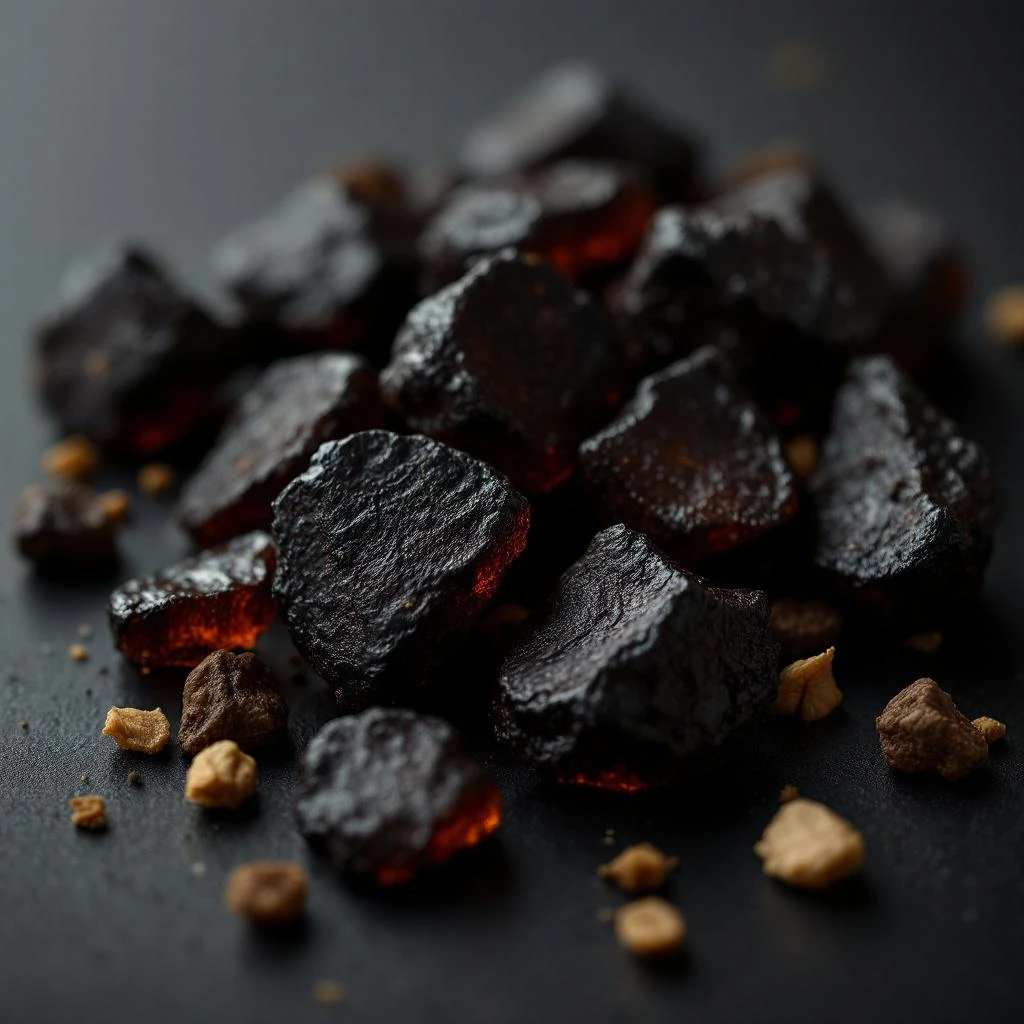
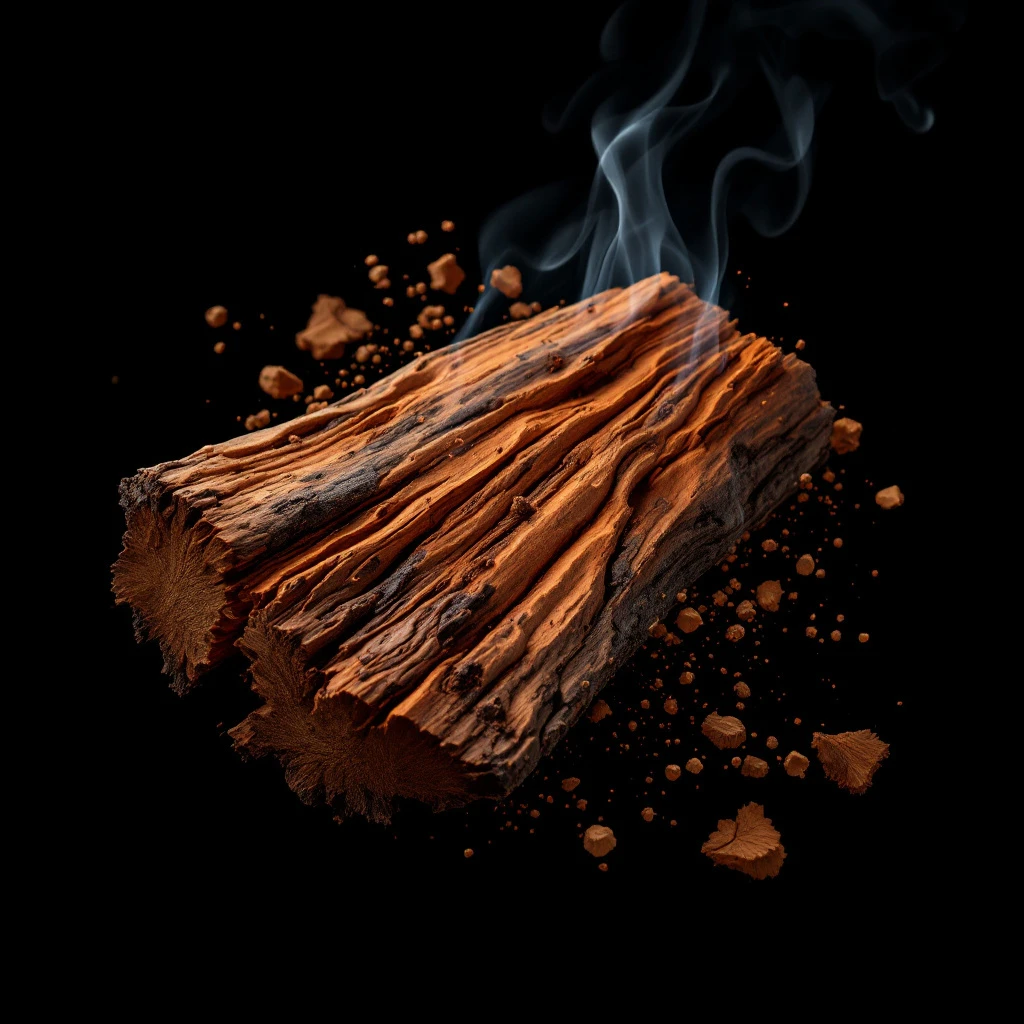
Sandalwood exposed to smoke creates a haunting, resinous warmth that bridges sacred tradition and modern perfumery. The smoking process deepens its creamy woodiness into something darker, earthier, more primal. Ancient Egyptians prized it for embalming; today's perfumers reach for it to anchor compositions with timeless depth.
Character
How it smells
Sacred wood, darkened by flame.
Ancient Egyptians used sandalwood for embalming 4,000 years ago, and the oil still commands premium prices from Karnataka's protected groves.





Origin
India
Sandalwood enters written history around 700 BC in Ayurvedic texts from the Indian subcontinent, though archaeological evidence places its ceremonial use much earlier. Egyptians imported it for embalming rituals, valuing its preservative qualities and spiritual connotations. The Mysore region of Karnataka became the world's most prized source, with Santalum album growing wild across its forests for millennia.
Buddhist and Hindu traditions burn sandalwood in temples, believing its smoke carries prayers heavenward. European traders reached India seeking these fragrant woods by the 15th century, and perfumers began incorporating the oil into compositions shortly after. The smoking modification likely emerged from artisan traditions where wood was dried over open fires before distillation.
Today, wild Mysore sandalwood faces strict export controls due to overharvesting, making authentic Karnataka oil rare. Australian and Indonesian sources have gained prominence, though perfumers still distinguish Mysore sandalwood for its distinctive creamy sweetness.
Wears it best
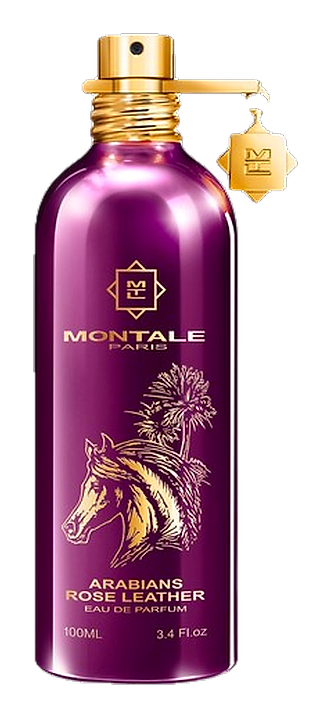
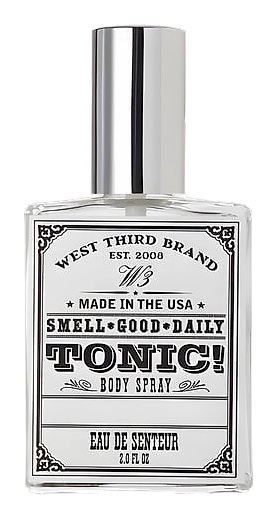
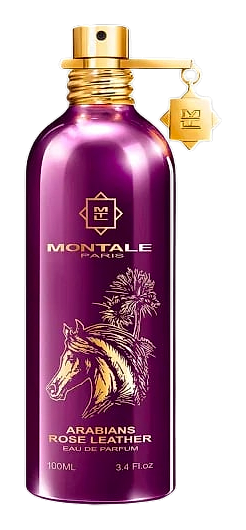
Fragrances featuring Smoked Sandalwood
Brands
Brands known for Smoked Sandalwood
Good to know
Questions, answered
The essentials on Smoked Sandalwood in perfumery: how it smells, where it comes from, and how it behaves on skin.
What makes smoked sandalwood different from regular sandalwood?
Smoking adds phenolic compounds and darker, earthier notes to sandalwood's natural creamy sweetness. Where regular sandalwood smells milky and soft, the smoked version carries an additional layer of warm, campfire-like depth that works beautifully as a fragrance anchor.
How long has sandalwood been used in perfumery?
Sandalwood has been used continuously for 4,000 years. Its aromatic qualities appear in texts from India written around 700 BC, though archaeological finds suggest ceremonial use in ancient Egypt predates written records.
What creates sandalwood's characteristic scent?
Sesquiterpenes α-santalol and β-santalol, concentrated in the heartwood, create sandalwood's signature creamy, slightly sweet aroma. The smoking process adds smoke-derived phenols that layer over these compounds for added complexity.
Where does the best sandalwood grow?
Karnataka, India produces the world's most prized Santalum album. The region exports minimal quantities due to conservation efforts and overharvesting history. Australian Santalum spicatum and Indonesian sources now supply much of the global fragrance industry.
Why is Mysore sandalwood so expensive?
Mysore sandalwood commands premium pricing because Santalum album takes 25-30 years to mature before harvest, wild populations remain protected under Indian law, and demand consistently outstrips supply. The unique terroir of Karnataka's forests produces a specific aromatic profile unmatched elsewhere.
How do perfumers use smoked sandalwood?
Perfumers treat smoked sandalwood as a base note that adds warmth and longevity. It works especially well in woody, oriental, and chypre compositions. The smoky quality makes it valuable for autumn and winter fragrances, and it pairs naturally with notes like amber, vanilla, leather, and incense.
Is smoked sandalwood sustainable?
Sustainability varies by source. Indian Santalum album faces strict harvesting controls, while Australian plantations focus on renewable cultivation. Reputable suppliers trace wood to certified plantations or salvage operations that collect fallen branches and sawdust from furniture production.
What does smoked sandalwood smell like?
The experience opens with soft, creamy sandalwood warmth, then reveals darker smoke notes reminiscent of embers and charred wood. The finish settles into a long, dry, slightly sweet woodiness that persists on skin for hours.