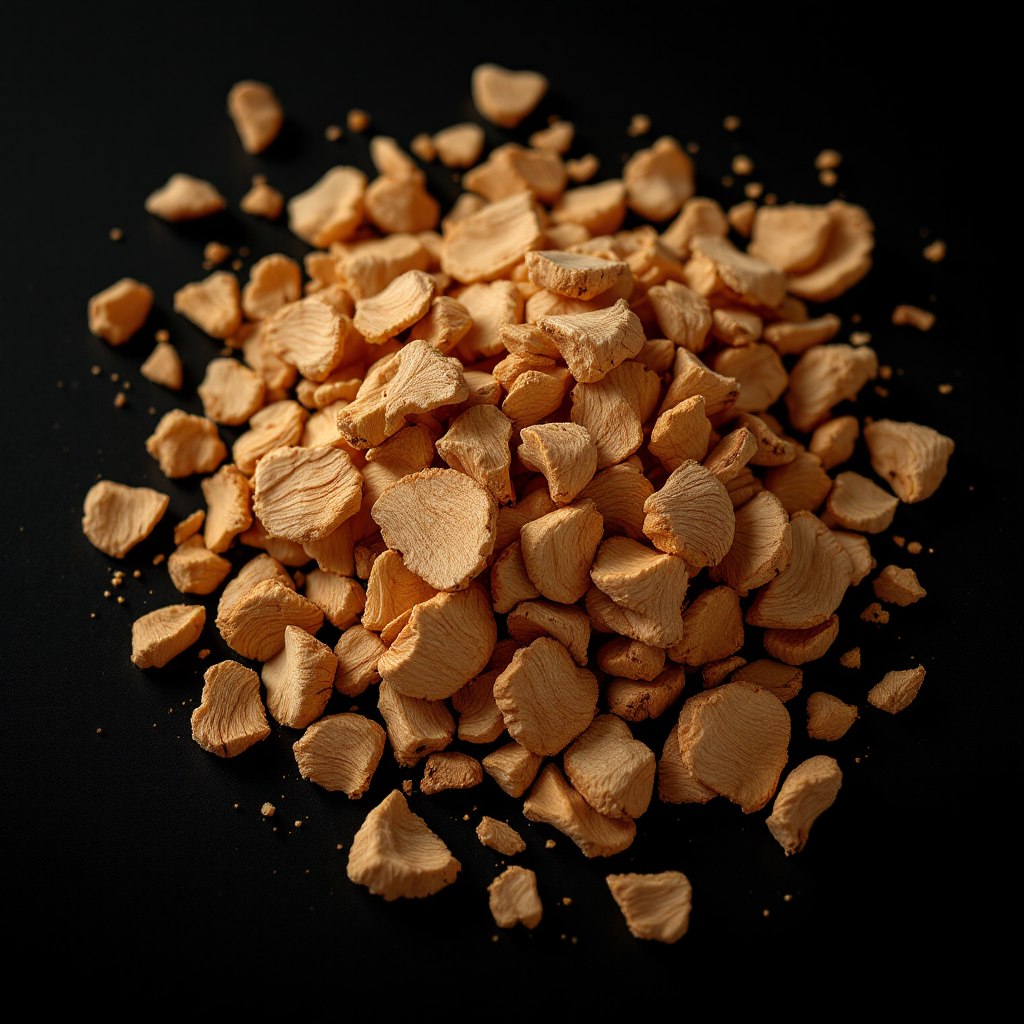
Smoked Cedar Wood
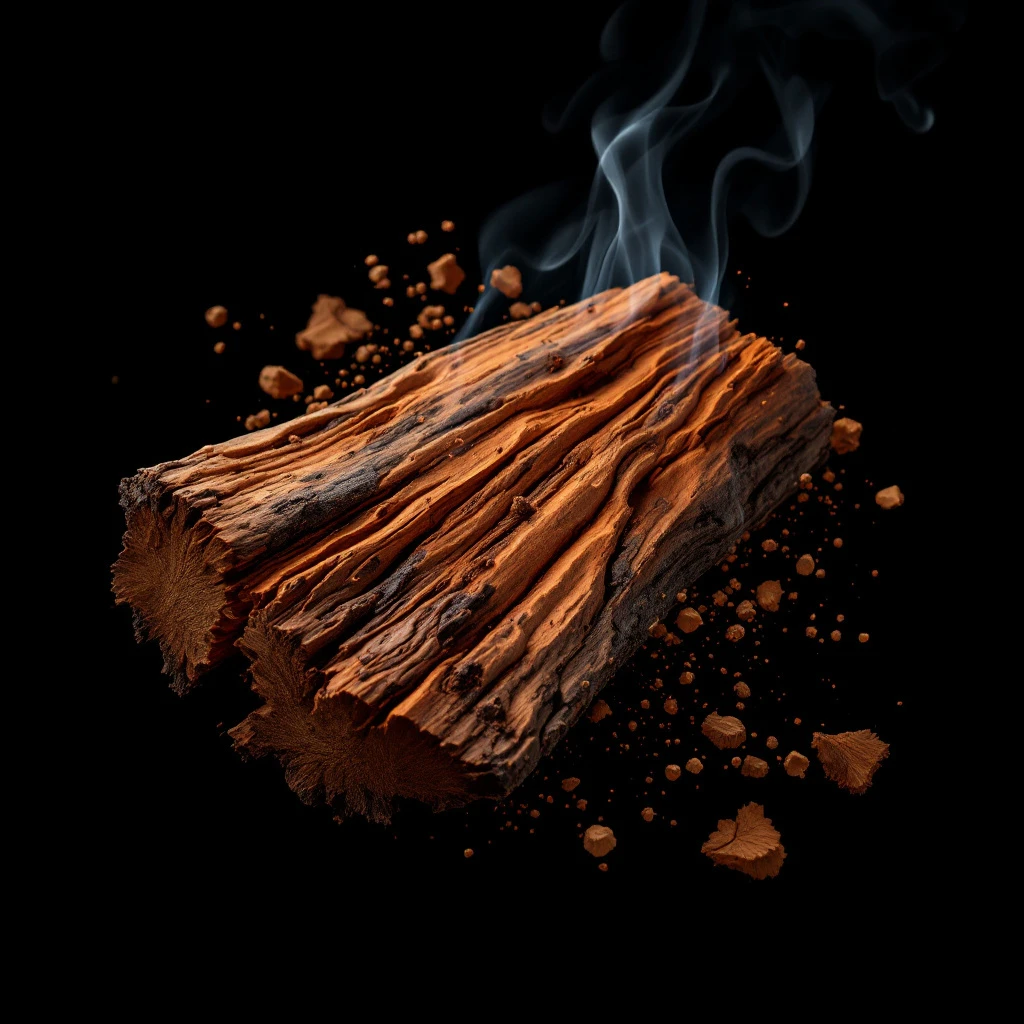
Warm, dry, and quietly powerful. Smoked Cedar Wood carries the forest in its grain, a smoky whisper of ancient trees that grounds fragrances with quiet strength.
Character
How it smells
The quiet strength of ancient forests.
Ancient Egyptians used cedar oil to embalm pharaohs, believing its scent carried the dead safely into the afterlife.






Origin
United States
Cedar wood has served humanity for millennia. Ancient Egyptians relied on cedar oil for embalming, recognizing its remarkable ability to preserve organic material. Mesopotamians and Levantine cultures held the cedar in sacred regard, planting it near temples and using its oil in purification rituals.
The Lebanese cedar became a symbol of divinity and strength, referenced throughout ancient texts. For centuries, cedar accompanied humans in death and worship alike. Perfumery adopted cedarwood relatively late, initially restricting it to masculine fragrances as the woody family remained firmly gendered.
The 1992 launch of Féminité du Bois shattered that convention, placing cedar at the heart of a landmark women's fragrance. That decision opened cedarwood to all of perfumery, where it now anchors both masculine and feminine compositions with equal elegance.
Wears it best
Fragrances featuring Smoked Cedar Wood
Brands
Brands known for Smoked Cedar Wood
Good to know
Questions, answered
The essentials on Smoked Cedar Wood in perfumery: how it smells, where it comes from, and how it behaves on skin.
What does smoked cedar wood smell like?
Smoked cedar wood smells warm, dry, and slightly smoky with a distinctive pencil-shavings quality. The note combines sweetness with resinous depth, creating a woody base that feels both comforting and grounded. It lingers for hours, making it a reliable anchor in fragrance compositions.
Is smoked cedar wood natural or synthetic?
Smoked cedar wood is a natural ingredient. Distillers obtain it through steam distillation of cedar wood chips, sawdust, and roots, often sourced as a byproduct from the timber industry. The smoking quality emerges naturally during the distillation process, not from additional treatment.
What fragrances feature smoked cedar wood?
Smoked cedar wood appears in many woody and oriental fragrances. It works particularly well in men's fragrances as a base note, but designers increasingly use it in unisex and women's scents. The note pairs naturally with sandalwood, vetiver, and amber.
How long has cedar wood been used in perfumery?
Cedar wood has been used for over two thousand years, with earliest documented applications in ancient Egypt around 2000 BCE. Perfumers adopted it for fragrance compositions centuries later, initially limiting it to masculine creations before broader acceptance in the 1990s.
What part of the cedar tree does the oil come from?
The oil comes from the heartwood, roots, and wood chips of the cedar tree. Distillers favor these woody parts because they contain the highest concentration of aromatic compounds. Timber industry scraps often feed this production, making cedarwood a relatively sustainable aromatic material.
Does smoked cedar wood fade quickly in fragrances?
Smoked cedar wood ranks among the longer-lasting base notes in perfumery. As a low-volatility material, it remains detectable on skin for six to eight hours or longer depending on concentration and accompanying ingredients. This longevity makes it valuable for creating fragrances with lasting presence.
Can smoked cedar wood cause skin reactions?
Cedarwood oil carries a low risk of skin sensitization when properly diluted. International fragrance guidelines cap its concentration in finished products, and most people tolerate it well. Those with specific wood or turpentine sensitivities should exercise caution with high-concentration cedarwood fragrances.
How do perfumers source sustainable cedar wood?
Responsible perfumers source cedarwood from managed forests or recover it from timber industry waste. Virginia cedarwood, primarily cultivated in the southeastern United States, supplies much of the fragrance industry. Verification through certifications helps ensure sourcing practices align with environmental standards.