Smoked Oak
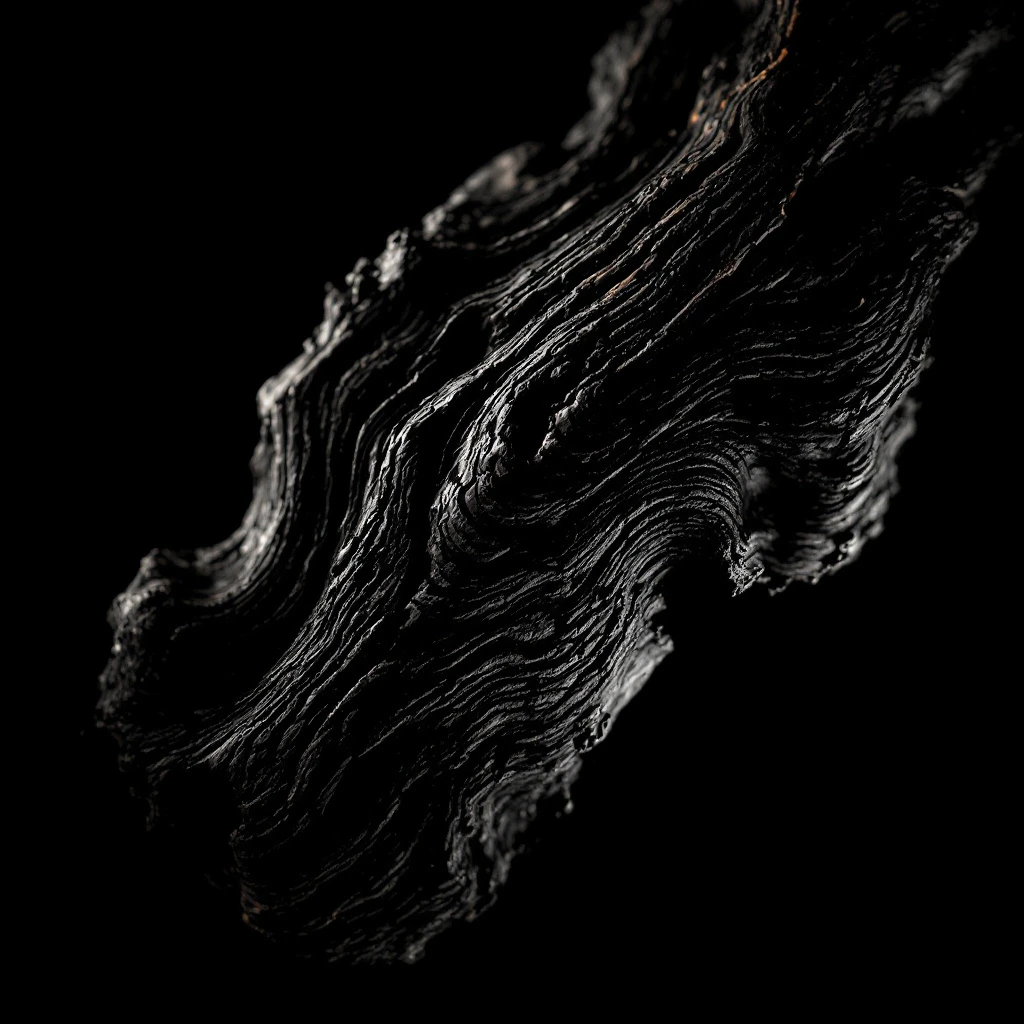
Smoked Oak brings the primal memory of fire into the bottle—a charred, warm base note that anchors fragrances with depth and mystery.
Character
How it smells
Where fire meets wood in scent form
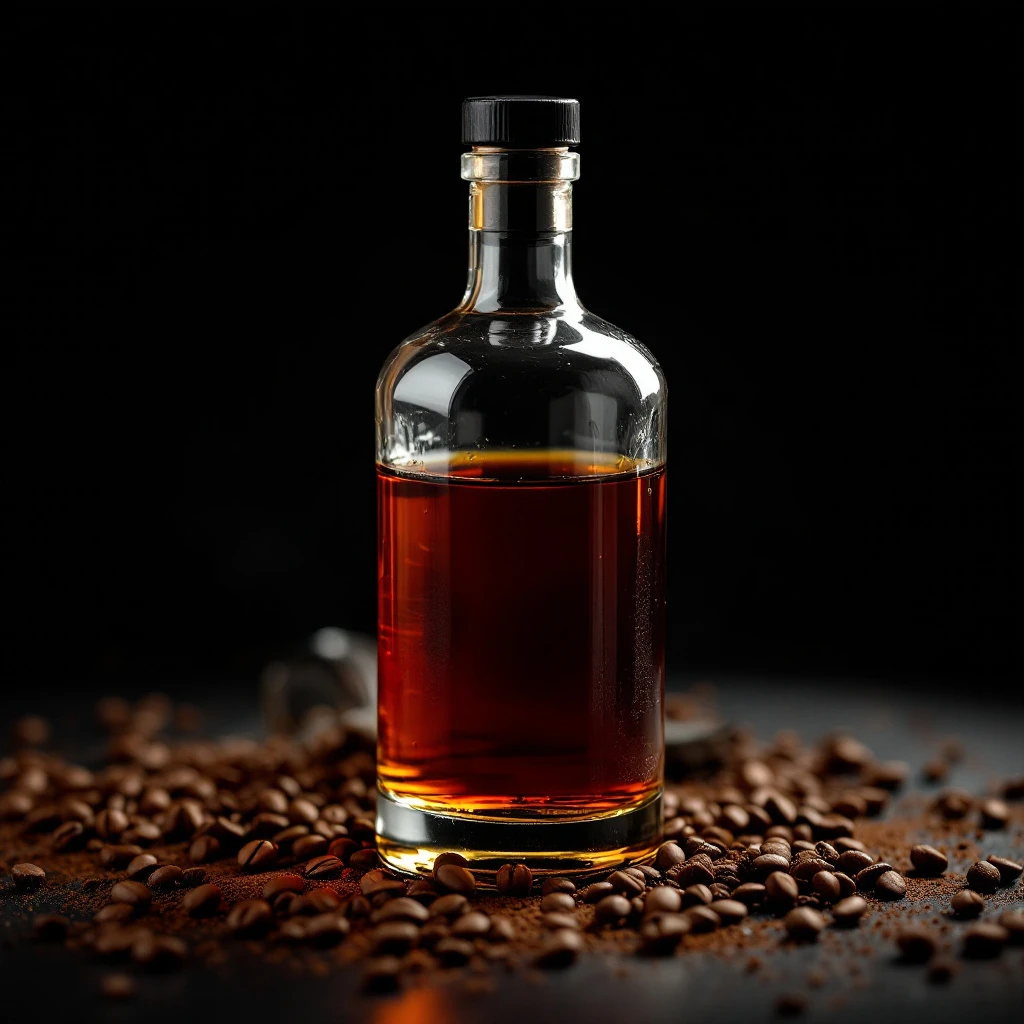
The smoky notes in your favorite perfume trace directly back to the same charred barrel technique used in whiskey making for over 500 years.


Origin
France
The story of smoked wood in perfumery begins with humanity's oldest relationship with fire. Prehistoric cultures burned fragrant woods as incense, creating the earliest aromatic experiences.
Oak itself became significant when coopers discovered that charring the inside of barrels—dating to the 1400s in European winemaking and spirits—imparted complex flavors and aromas. This accidental discovery shaped whiskey, sherry, and port traditions that persist today.
When perfumers began seeking to bottle atmospheric memories, smoked oak offered a way to capture that primordial connection between humans and flame. It represents perfumery reaching back to its oldest aromatic ancestor: smoke itself.
Wears it best
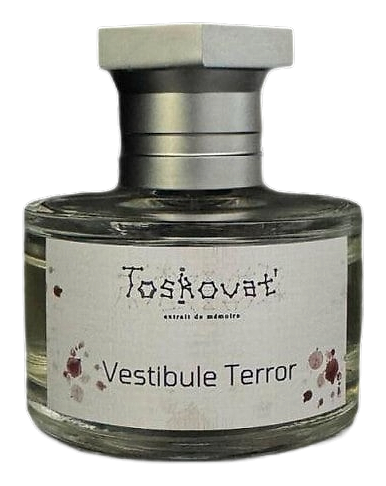
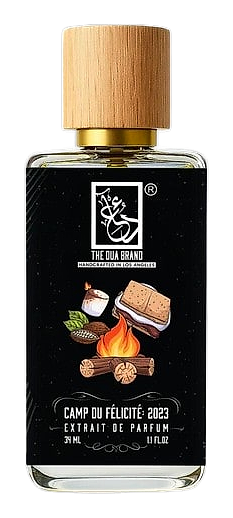
Fragrances featuring Smoked Oak

Brands
Brands known for Smoked Oak
Good to know
Questions, answered
The essentials on Smoked Oak in perfumery: how it smells, where it comes from, and how it behaves on skin.
What does Smoked Oak smell like in perfume?
Smoked Oak smells like charred wood with warm, ashy undertones and a subtle sweetness reminiscent of whiskey barrels. It adds depth and a primal campfire quality as a base note.
Is Smoked Oak natural or synthetic?
It can be either. Natural smoked oak comes from oak wood that has been charred and then extracted. Synthetic versions use aroma molecules like guaiacol to replicate the smoky effect.
What perfumes feature Smoked Oak as a key ingredient?
Smoked Oak appears in many unisex and masculine fragrances marketed as whiskey-inspired or campfire-style scents. Check individual fragrance pyramid data for specific formulas.
What fragrance families use Smoked Oak most often?
Smoked Oak dominates woody and aromatic families. It pairs exceptionally well with leather, amber, and vanilla bases, often appearing in fall and winter fragrances.
Does Smoked Oak last long on skin?
As a base note, Smoked Oak typically lingers for 4-6 hours on skin. Its molecular weight ensures it stays close to the skin in the dry-down phase.
Can Smoked Oak be combined with floral notes?
Yes, when balanced carefully. Floral heart notes like iris or violet can soften Smoked Oak's intensity, creating contrast between delicate and charred elements.
What is the difference between Smoked Oak and regular Oak?
Regular oak provides dry, woody, slightly vanillic character. Smoked Oak amplifies the charred, ashy, campfire-like qualities through thermal treatment before extraction.
Is Smoked Oak considered a luxury ingredient?
Natural smoked oak extracts command premium pricing due to the specialized production process. Many perfumers opt for high-quality synthetics that achieve similar effects at lower cost.