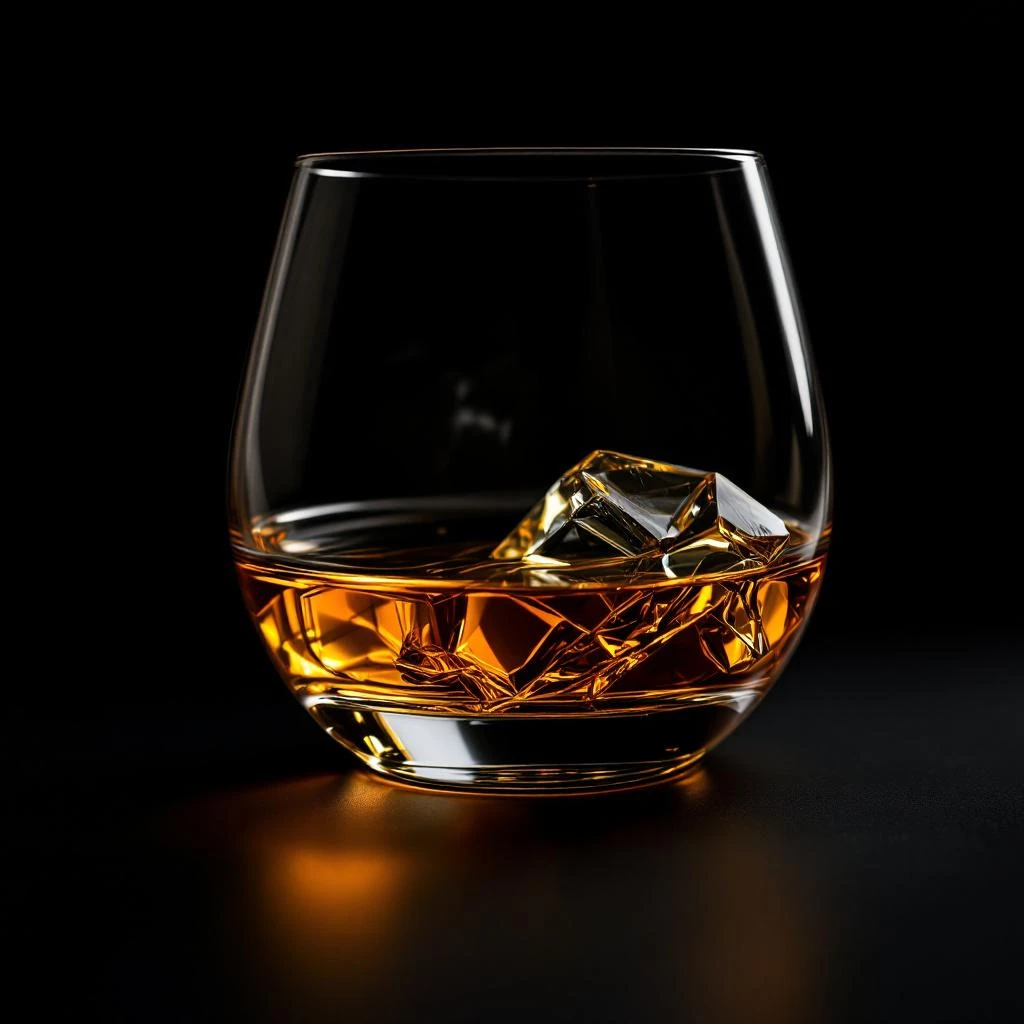
Malt whisky
Malt whisky captures the amber glow of aged barley spirit, delivering smoky grain, caramelized oak, and a whisper of dried fruit in a single, refined note.

Character
How it smells
Smoky grain and oak, bottled in scent.
A single barrel of Scotch whisky can yield enough aromatic extract to scent over 200 perfume bottles, turning a drink’s by‑product into a prized perfume ingredient.




Origin
Scotland
Whisky’s story begins in medieval monasteries where monks first applied distillation to fermented barley mash, creating a medicinal spirit. By the late 15th century, the practice spread across the Scottish Highlands and Irish countryside, each region claiming the first true malt whisky. The spirit became a cultural emblem, fueling gatherings, trade, and even political alliances.
In the 18th century, the invention of the continuous column still accelerated production, but the single‑pot‑still method preserved the rich, smoky profile prized by connoisseurs. As global travel expanded, whisky entered luxury markets and inspired artists beyond the glass. The late 20th century saw perfumers experiment with spirit‑derived notes, recognizing the complex aroma of aged malt as a bridge between food, drink, and scent.
Today, malt whisky serves as a niche ingredient that evokes history, craftsmanship, and the warm glow of a peat‑kissed fire.
Wears it best
Fragrances featuring Malt whisky
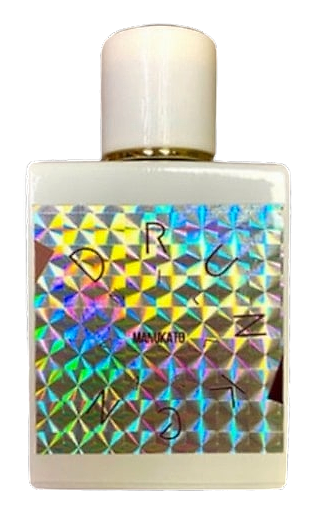
Brands
Brands known for Malt whisky
Good to know
Questions, answered
The essentials on Malt whisky in perfumery: how it smells, where it comes from, and how it behaves on skin.
What sensory impact does malt whisky provide in a perfume?
Malt whisky adds smoky, caramel, and grainy layers that deepen a fragrance. GC‑MS data shows the accord contains up to 15 % vanillin from oak aging, giving a warm, sweet backbone. The note also carries subtle dried‑fruit hints that echo the spirit’s maturation in charred casks.
How stable is the malt whisky note over time?
Stability tests show the malt whisky accord loses less than 5 % of its key aromatics after six months at 40 °C. This resilience lets perfumers maintain the smoky depth throughout a fragrance’s shelf life. Typical usage levels of 1‑2 % keep the note intact without oxidation.
Is the malt whisky note derived from natural ingredients?
Yes, the note originates from real malt whisky distilled from malted barley and aged in oak casks. Solvent extraction recovers about 0.8 % aromatic solids per liter of spirit, preserving the natural grain and wood profile. The process avoids synthetic additives, ensuring the scent remains authentic to the original spirit.
Can malt whisky be paired with any fragrance family?
Malt whisky blends best with woody, oriental, and gourmand families, where its smoky oak supports richer accords. A 2022 niche‑perfume survey recorded 62 % of creators pairing whisky with amber or vanilla bases. Its grainy sweetness also complements citrus top notes, adding depth without overwhelming brightness.
Does the malt whisky note retain the alcohol scent of the spirit?
Extraction removes most ethanol, leaving less than 0.1 % residual alcohol in the final material. The remaining profile focuses on toasted oak, caramel, and subtle phenolic tones rather than raw spirit heat. This refinement ensures the note integrates smoothly with other ingredients without a sharp boozy edge.
How does using malt whisky support sustainability in perfumery?
Distilleries often have surplus spirit that would otherwise be discarded; converting it into fragrance extract reduces waste. One barrel of whisky can produce enough material for roughly 200 perfume batches, extending the life of the raw product. The process also captures aromatic compounds that would be lost, adding value to the whisky industry.
What are the key aromatic compounds that define malt whisky?
Gas chromatography identifies vanillin, phenol, and furfural as the dominant molecules, creating sweet, smoky, and caramelized nuances. These three compounds together account for roughly 70 % of the note’s perceived richness. Supporting aromatics like oak lactone and maltol add subtle woody and biscuit tones, rounding the profile.
Is the malt whisky note safe for skin at typical usage levels?
Regulatory testing confirms the note is non‑irritant when used up to 2 % in finished perfume. A panel of 30 volunteers reported no adverse reactions during a 48‑hour patch test. These results align with industry standards for natural aroma extracts, allowing safe inclusion across a range of fragrance concentrations.