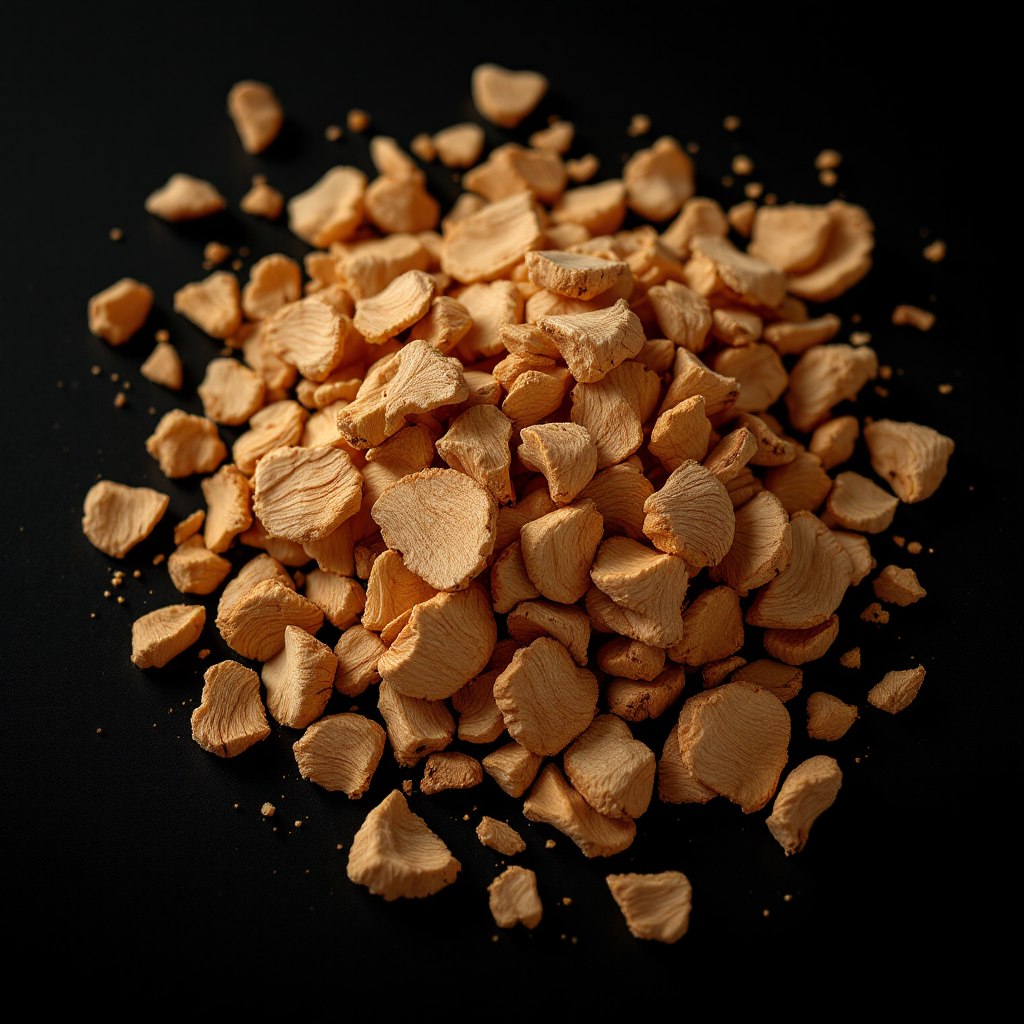
Firewood
Oud, derived from resin-infected Aquilaria heartwood, is one of the world's most prized fragrance ingredients. Its complex aroma combines earthy, animalic, and smoky facets with sweet balsamic undertones. In perfumery, oud functions as both a signature base note and a natural fixative that extends the longevity of a fragrance composition.
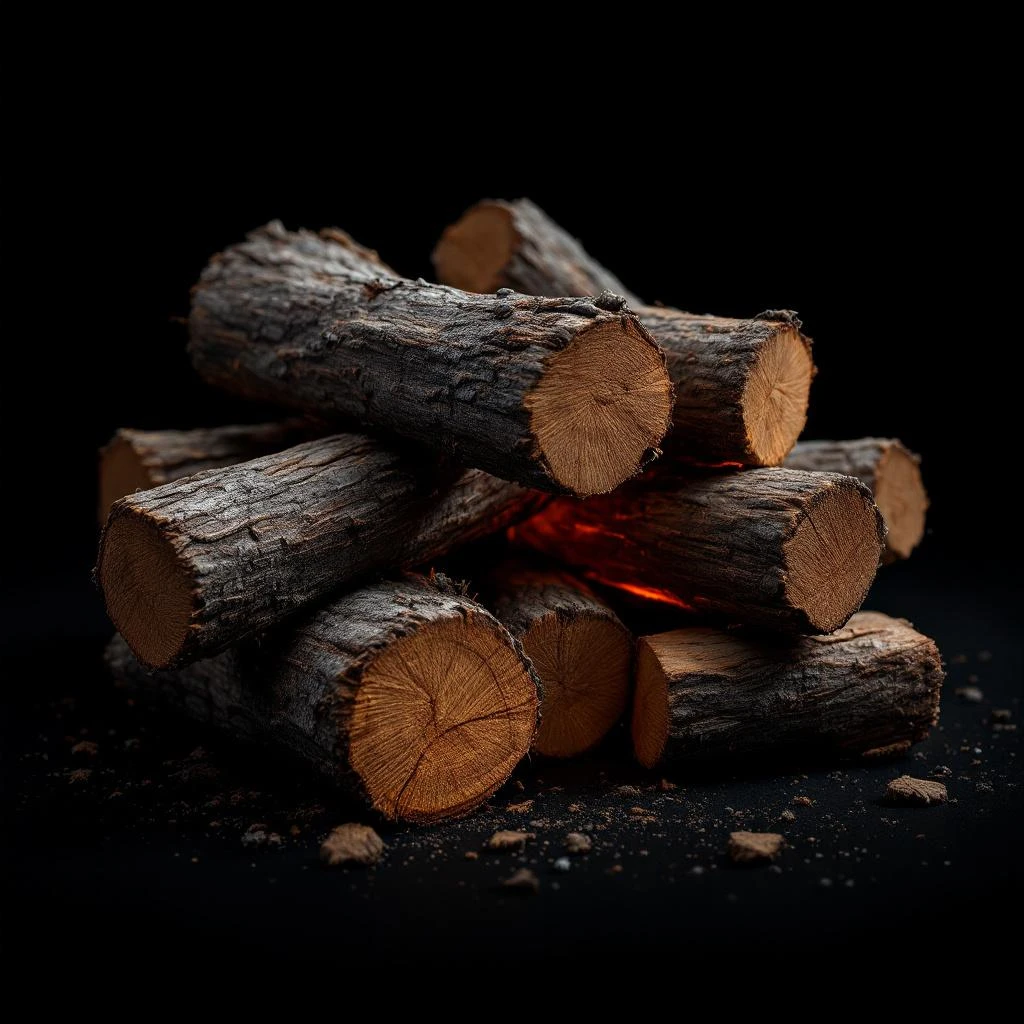
Character
How it smells
Ancient aromatic resin from wounded trees, now the crown jewel of luxury perfumery.
Only 2% of Aquilaria trees naturally produce oud resin, making high-quality oil worth more than gold by weight.







Origin
Vietnam
References to agarwood appear in Sanskrit texts from around 2000 BCE, where it was called gaharu and described as praana, the spirit of life. Ancient Indian physicians, including Sushruta in his seminal medical treatise, documented oud's therapeutic applications for treating inflammation and other ailments. The ingredient moved westward through trade routes, with pharaonic Egypt incorporating oud into embalming rituals for nobility.
Chinese records from the Han dynasty period document agarwood's use in funerary practices, while Buddhist traditions throughout East Asia elevated the material as sacred incense for meditation ceremonies. Japanese classical texts mention Cambodian-sourced scented wood as early as the eighth century. The Silk Road carried agarwood from these eastern origins into Arabian markets, where it became integral to Gulf cultural traditions. Today, oud persists as a bridge between Eastern heritage and Western luxury perfumery, gracing compositions from houses including Tom Ford, Dior, and Creed.
Wears it best
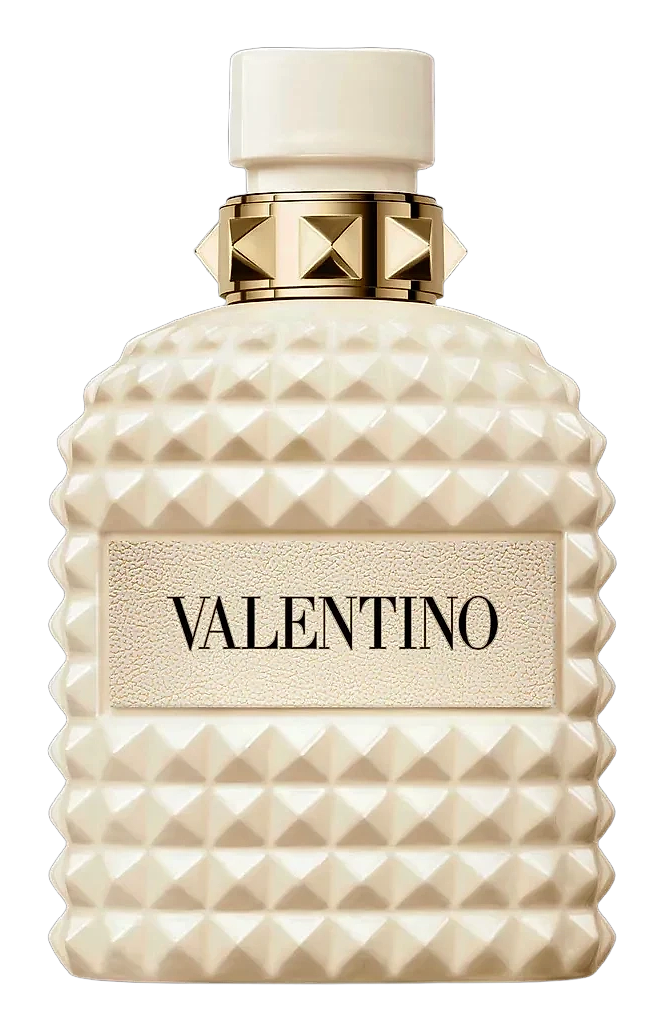
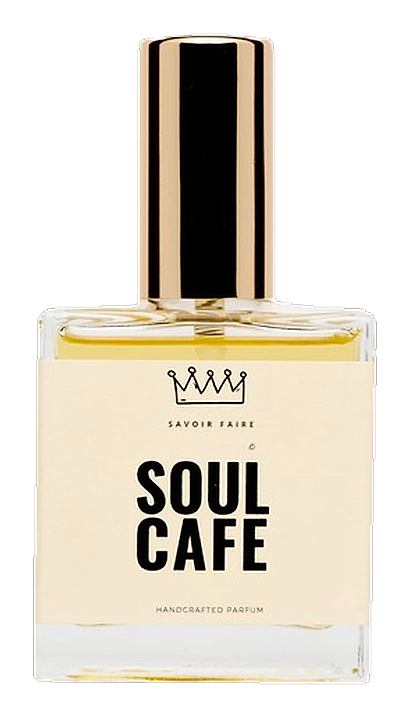
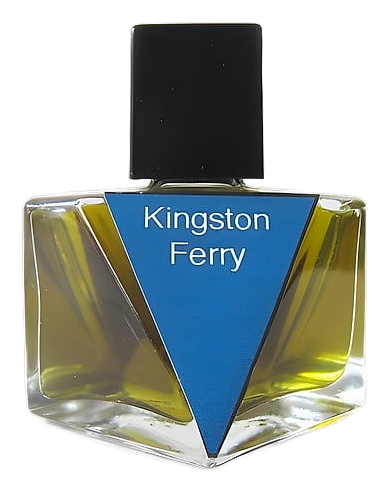
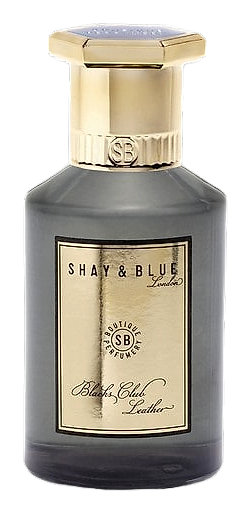
Fragrances featuring Firewood
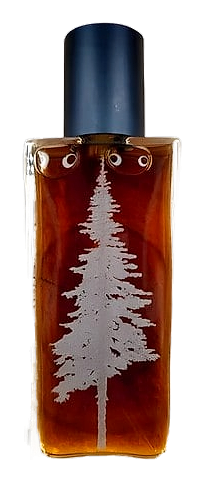
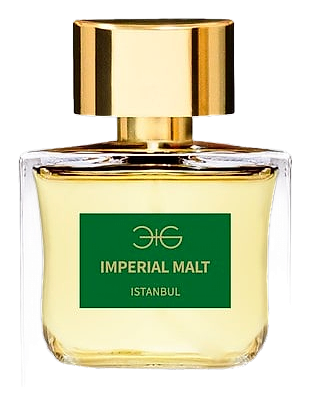
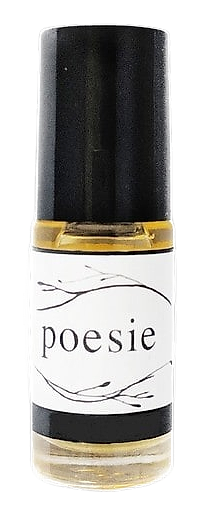
Brands
Brands known for Firewood
Good to know
Questions, answered
The essentials on Firewood in perfumery: how it smells, where it comes from, and how it behaves on skin.
What does Firewood smell like in perfume?
Oud presents a complex, multi-layered aroma combining earthy wood, animalic leather, smoky undertones, and sweet balsamic facets. No two oud oils smell identical; regional origin, tree age, and infection severity all shape the final olfactory profile, which ranges from medicinal and dry to rich and honeyed.
Why is Firewood used in perfumery?
Oud serves as both a signature base note and a natural fixative. Its molecular density slows fragrance evaporation, extending wear time significantly. Perfumers prize the depth and character it adds to compositions, creating instantly recognizable oriental signatures that anchor luxury fragrance lines.
Is Firewood in perfume natural or synthetic?
Most commercial fragrances use synthetic aroma molecules that replicate oud's profile rather than pure natural oil. Natural oud commands astronomical prices that would make consumer products unaffordable. Synthetic alternatives offer consistency across batches while capturing oud's characteristic woody, smoky character.
What famous perfumes contain Firewood?
Major houses featuring oud include Tom Ford Oud Wood, Creed Royal Oud, Christian Dior Leather Oud, Kilian Incense Oud, Armani Prive Oud Royal, and Dolce and Gabbana Velvet Desert Oud. These compositions range from woody-soft to dramatically animalic interpretations.
Is Firewood a top note, heart note, or base note?
Oud functions exclusively as a base note in perfumery. Its heavy molecular weight means the scent emerges fully only after lighter top and heart notes dissipate, typically 30 to 60 minutes after application. The characteristic drydown can persist for eight hours or longer on skin.
What notes pair well with Firewood in perfume?
Oud harmonizes with contrasting and complementary partners including Bulgarian rose, Indian sandalwood, ambergris, warm spices, leather, and fresh citrus. Rose-oud combinations represent the quintessential oriental pairing, while smoky oud with vetiver creates more dramatic, masculine expressions.
Where does Firewood come from?
Aquilaria trees grow across Southeast Asia and the Indian subcontinent, with premium varieties originating from Vietnam, Cambodia, Laos, Assam (India), and Malaysia. The resin forms only when trees aged 30 years or older become wounded and subsequently infected, a process that naturally occurs in roughly 2% of the species.
Is Firewood used in men's or women's fragrances?
While historically associated with masculine scent profiles, oud appears across gender boundaries in contemporary perfumery. Rose-oud compositions like Serge Lutens Rahat Loukoum demonstrate its elegance in traditionally feminine contexts, while leather-oud fragrances like Tom Ford cater to male audiences. Many modern houses market oud fragrances as unisex.