Smoked Ebony Wood
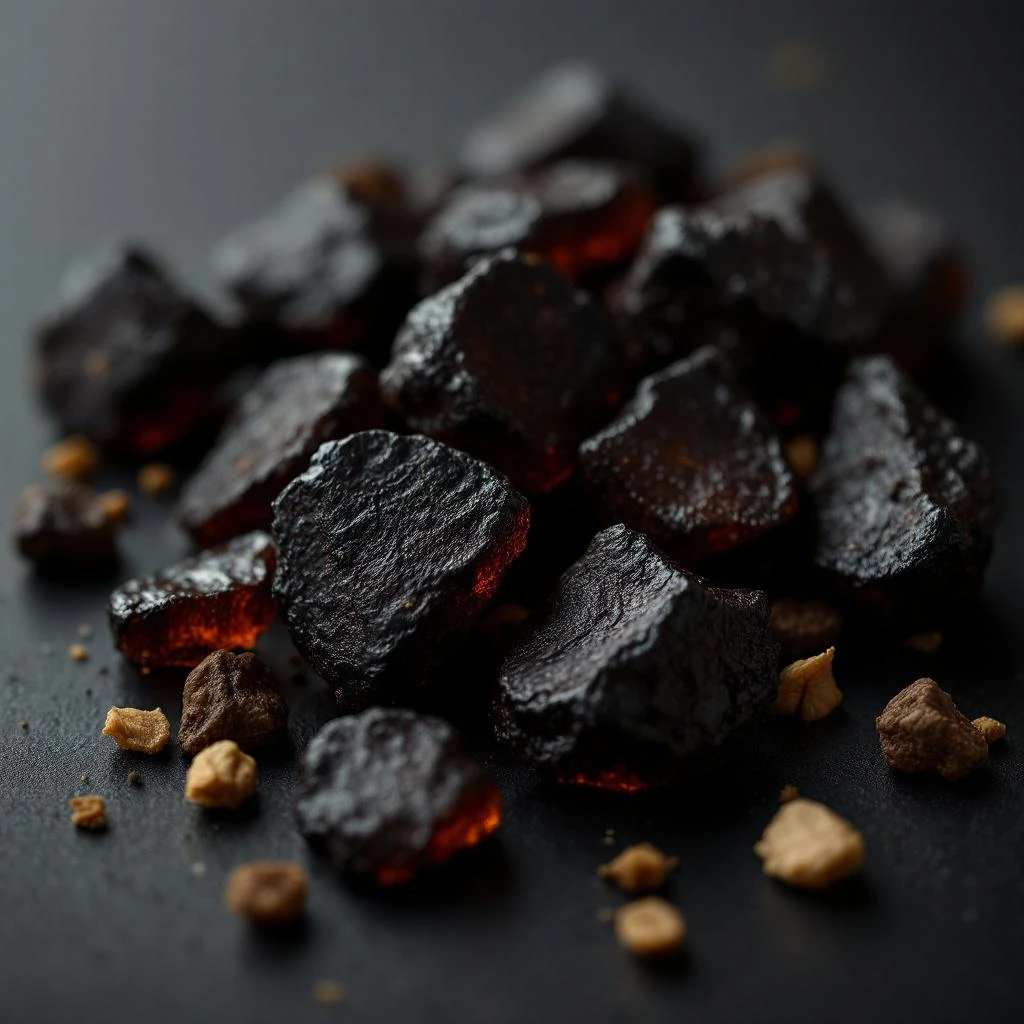
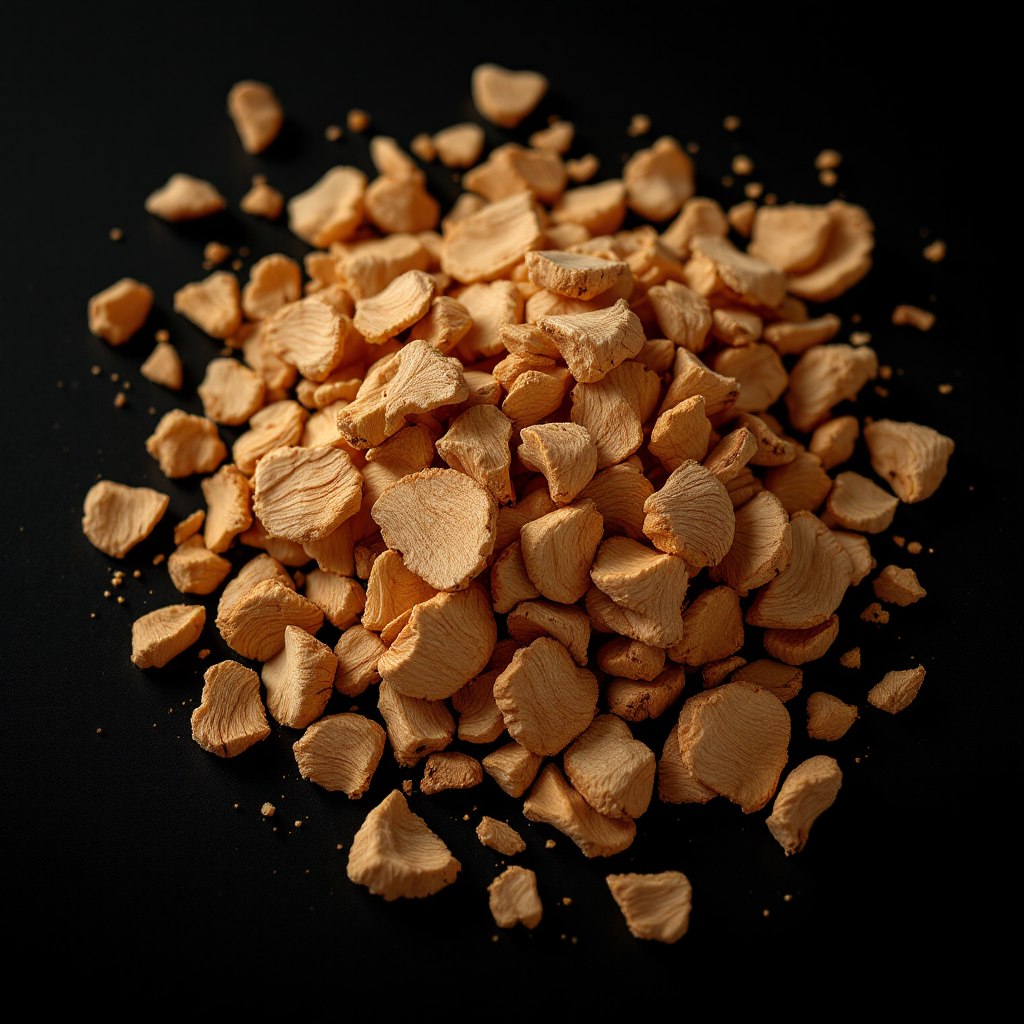
Smoked Ebony Wood is a perfumer's reconstruction, layering dense tropical hardwood with fire-kissed, ashy smoke. The result is a dramatic, charcoal-dark accord that anchors orientals and smoky chypres with architectural weight.
Character
How it smells
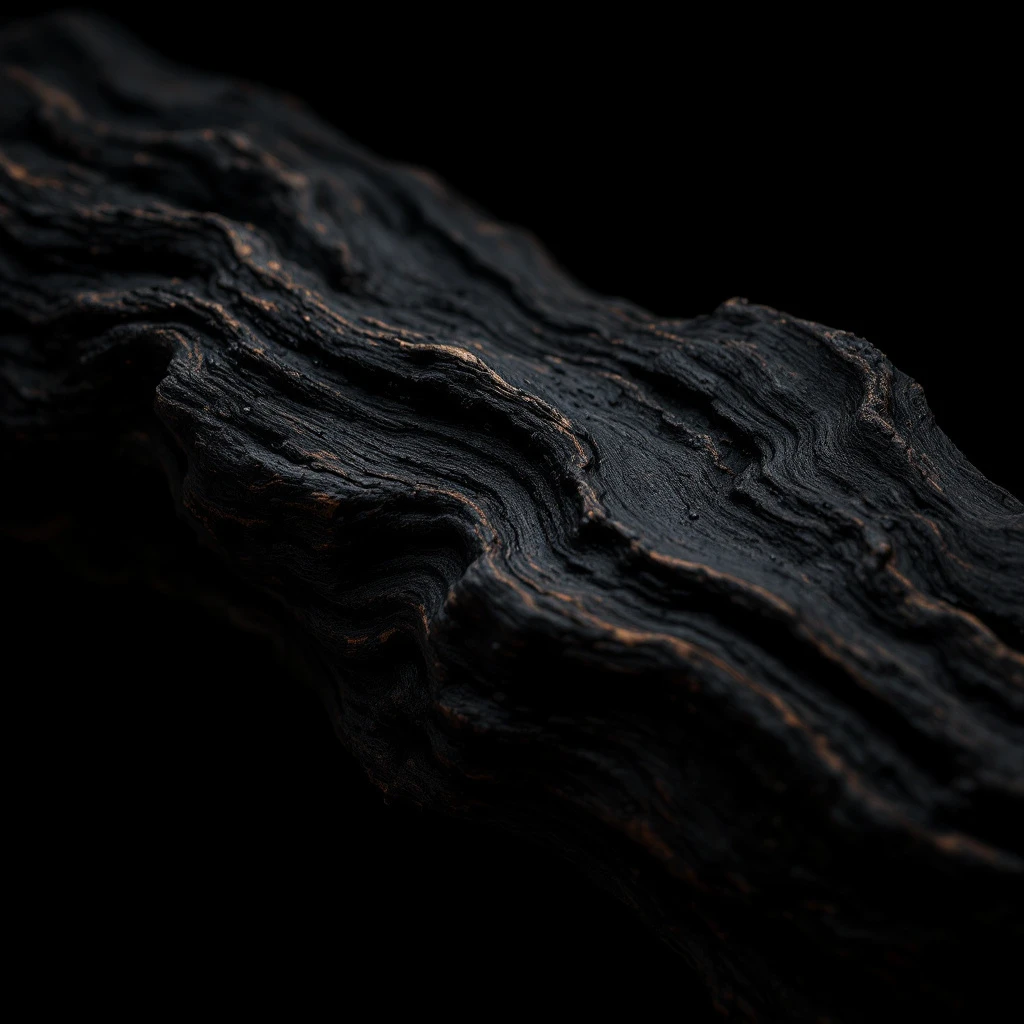
Fire meets ancient hardwood in liquid form.
True ebony produces no essential oil, so every drop of Smoked Ebony Wood in your fragrance is an alchemist's invention.




Origin
Indonesia
Ebony has commanded reverence since ancient Egypt, where pharaohs commissioned ebony furniture inlaid with gold. The wood's impenetrable blackness made it symbolic of the fertile Nile's dark banks and the神秘 of death and rebirth. Romans imported ebony as a luxury material, and Pliny the Elder recorded its extraordinary density in his Natural History.
Yet for all this cultural significance, ancient perfumers faced the same challenge as modern ones: ebony resists extraction. They turned instead to smoke itself as a vehicle for woody notes, burning cedar and cypress resins during temple ceremonies. The concept of smoked wood in fragrance thus predates our ability to bottle it.
Today's reconstruction honors this millennia-old desire to capture fire's relationship with ancient forest in wearable form.
Wears it best
Fragrances featuring Smoked Ebony Wood
Brands
Brands known for Smoked Ebony Wood
Good to know
Questions, answered
The essentials on Smoked Ebony Wood in perfumery: how it smells, where it comes from, and how it behaves on skin.
Is Smoked Ebony Wood a natural ingredient?
No, Smoked Ebony Wood is a reconstructed accord. Natural ebony yields no extractable essential oil, so perfumers blend guaiac, vetiver, and synthetic woody materials to create the dark, smoky character.
What gives Smoked Ebony Wood its smoky quality?
Cade oil, produced through dry distillation of juniper branches, provides the primary smoky note. This centuries-old technique creates the same charred wood character found in traditional wood-fired cooking.
Where does the base ebony wood originate?
True ebony primarily grows in tropical regions including Indonesia, Ghana, and Tanzania. The dense heartwood from Diospyros trees is among the darkest and hardest of all natural materials.
How long has smoke been used in perfumery?
Prehistoric humans discovered fire's aromatic qualities when burning wood, and ancient Egyptians incorporated smoke and resin into their temple rituals. The desire to bottle smoke in fragrance dates back millennia.
Does Smoked Ebony Wood appear in many fragrance types?
The note works particularly well in oriental fragrances and smoky chypres, where it provides dramatic depth. It also appears in contemporary leathery and woody compositions seeking dark, mysterious character.
Why can't ebony be steam-distilled like other woods?
Ebony's heartwood contains no volatile aromatic compounds suitable for steam distillation. This distinguishes it from cedar, sandalwood, and guaiac, which all yield usable essential oils.
What other materials complement Smoked Ebony Wood?
Oud, benzoin, and labdanum pair naturally with Smoked Ebony Wood, enhancing its resinous warmth. Leather notes and tobacco also harmonize well, creating rich, complex compositions.
Is Smoked Ebony Wood considered a luxury perfumery ingredient?
The reconstruction process requires significant expertise and high-quality base materials. Sophisticated smoky accords command premium positioning, particularly when built around natural cade oil and aged guaiac.