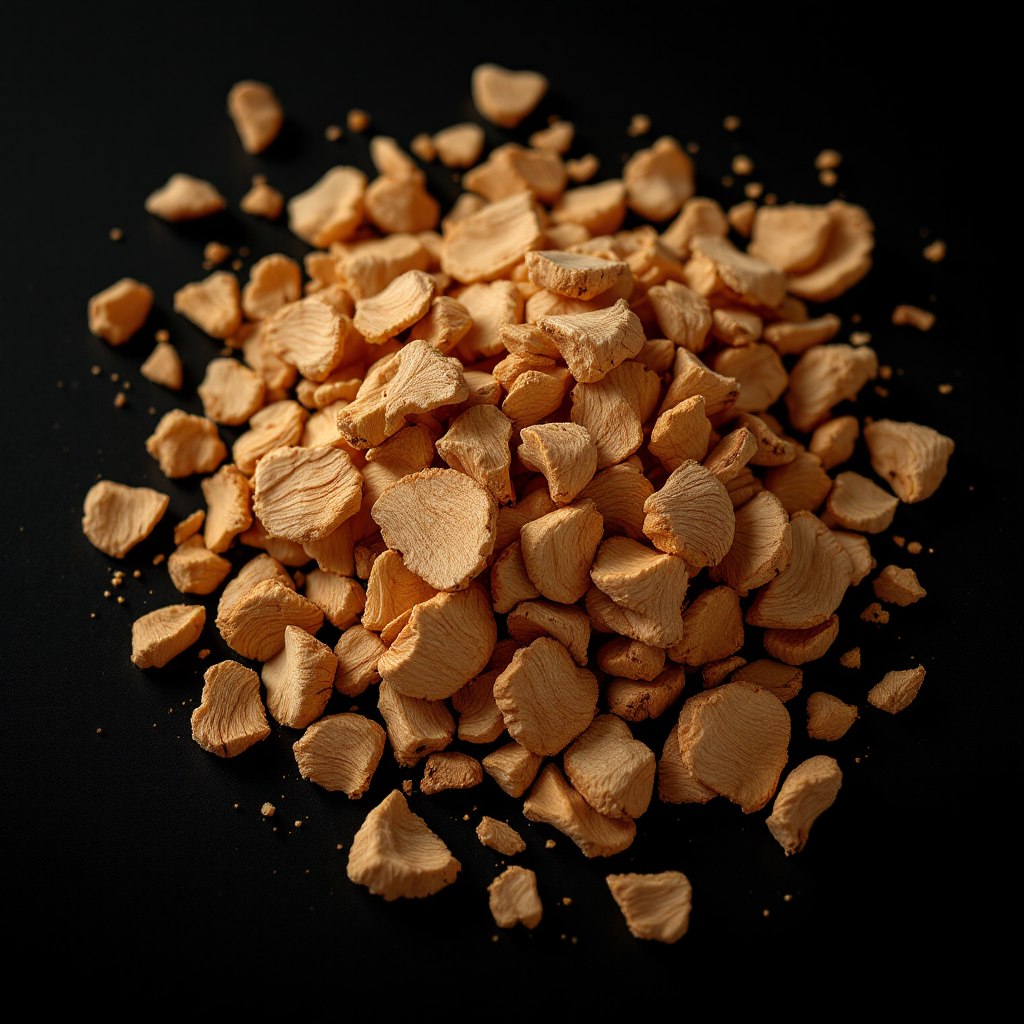
Doum Palmwood
Doum palmwood, sourced from the resilient Hyphaene thebaica tree native to North Africa, delivers warm, woody, and subtly sweet aromatic qualities that add depth and character to fragrance compositions.
Character
How it smells
Warm woody depth from the ancient Nile
The doum palm can live for over a century, with some specimens in Egypt and Sudan dating back hundreds of years, making it one of the most enduring trees in the Sahara region.



Origin
Egypt
Doum palm has sustained human civilizations across North Africa for thousands of years. Ancient Egyptians relied on this versatile tree for construction materials, food sources from its fruit, and medicinal preparations.
The distinctive forked branching pattern of the doum palm held symbolic significance in Egyptian religious iconography, appearing in artwork and temple carvings throughout the Nile Valley. While the material never achieved the commercial prominence of frankincense or myrrh in ancient trade networks, it maintained a steady presence in traditional medicine and aromatic practices across Egypt and Sudan.
Local communities have long valued the heartwood for its aromatic properties, using it in ceremonial contexts and domestic preparations. The introduction of steam distillation technology in the 19th century eventually enabled perfumers to isolate and standardize the wood's aromatic compounds, allowing this traditional material to enter modern fragrance formulations while maintaining its historical connection to North African aromatic heritage.
Wears it best
Fragrances featuring Doum Palmwood
Brands
Brands known for Doum Palmwood
Good to know
Questions, answered
The essentials on Doum Palmwood in perfumery: how it smells, where it comes from, and how it behaves on skin.
What does doum palmwood smell like in perfumery?
Doum palmwood produces warm, woody, and subtly sweet aromatic notes with resinous undertones. It functions as a heart note in fragrance compositions, adding body and warmth to woody and oriental fragrance constructions.
How is doum palmwood extracted for use in fragrances?
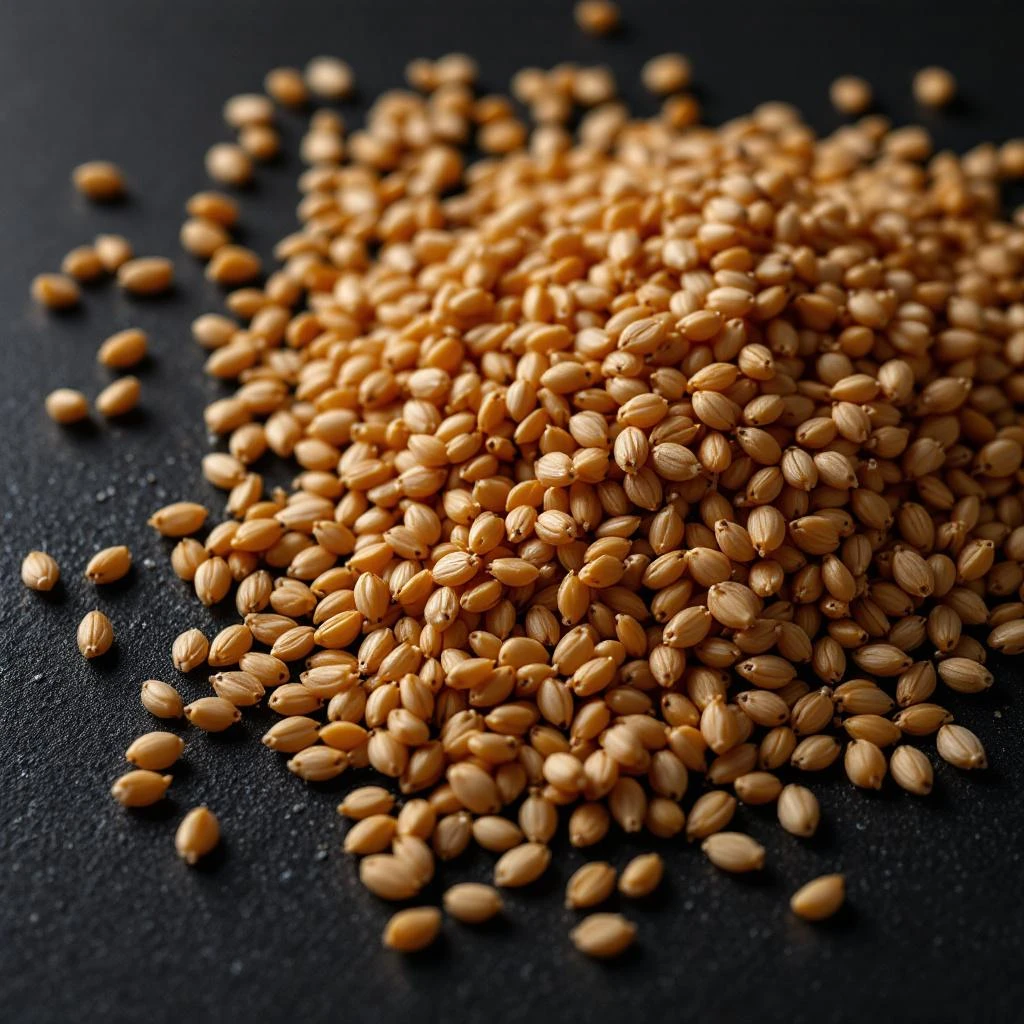
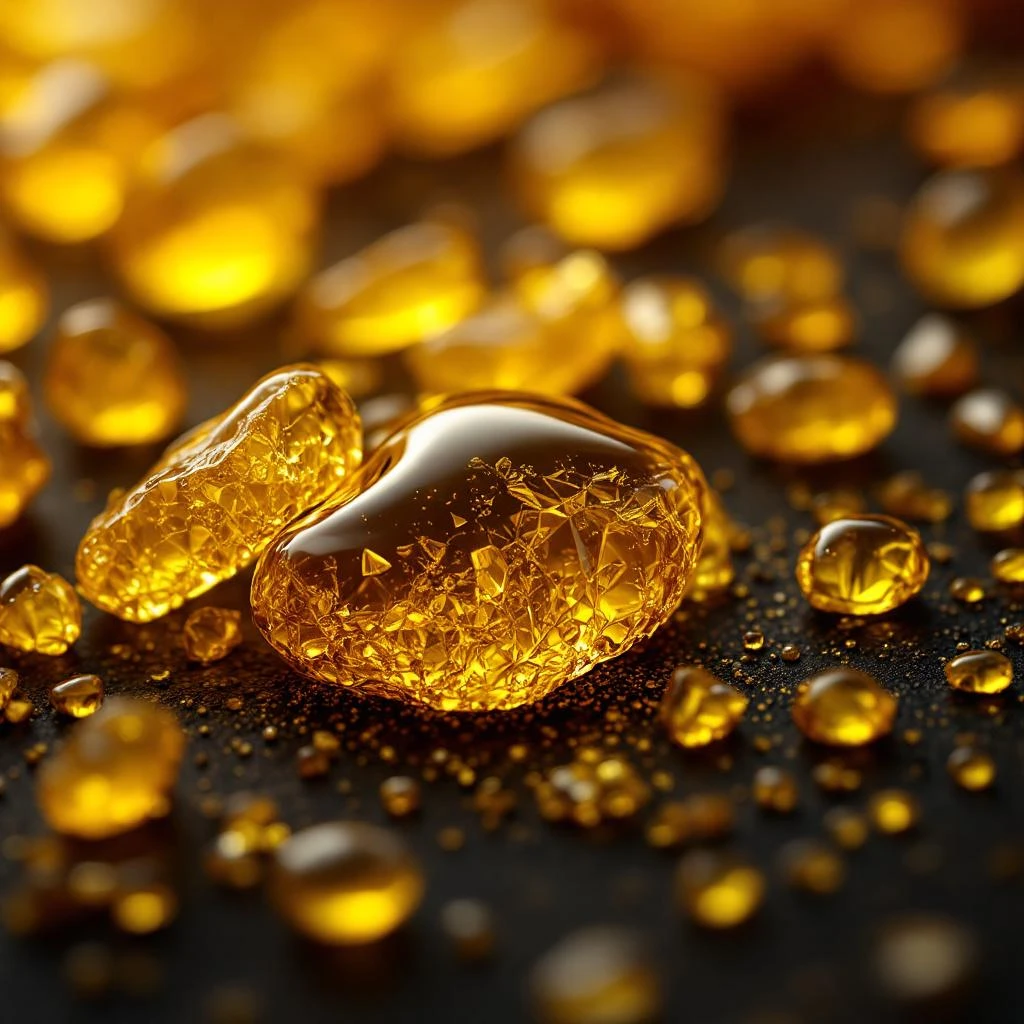
Doum palmwood uses steam distillation of dried heartwood. The process involves heating steam through chipped wood for 8 to 12 hours, which carries aromatic molecules into a condensation system where they separate from the water.
Where does doum palmwood originate from?
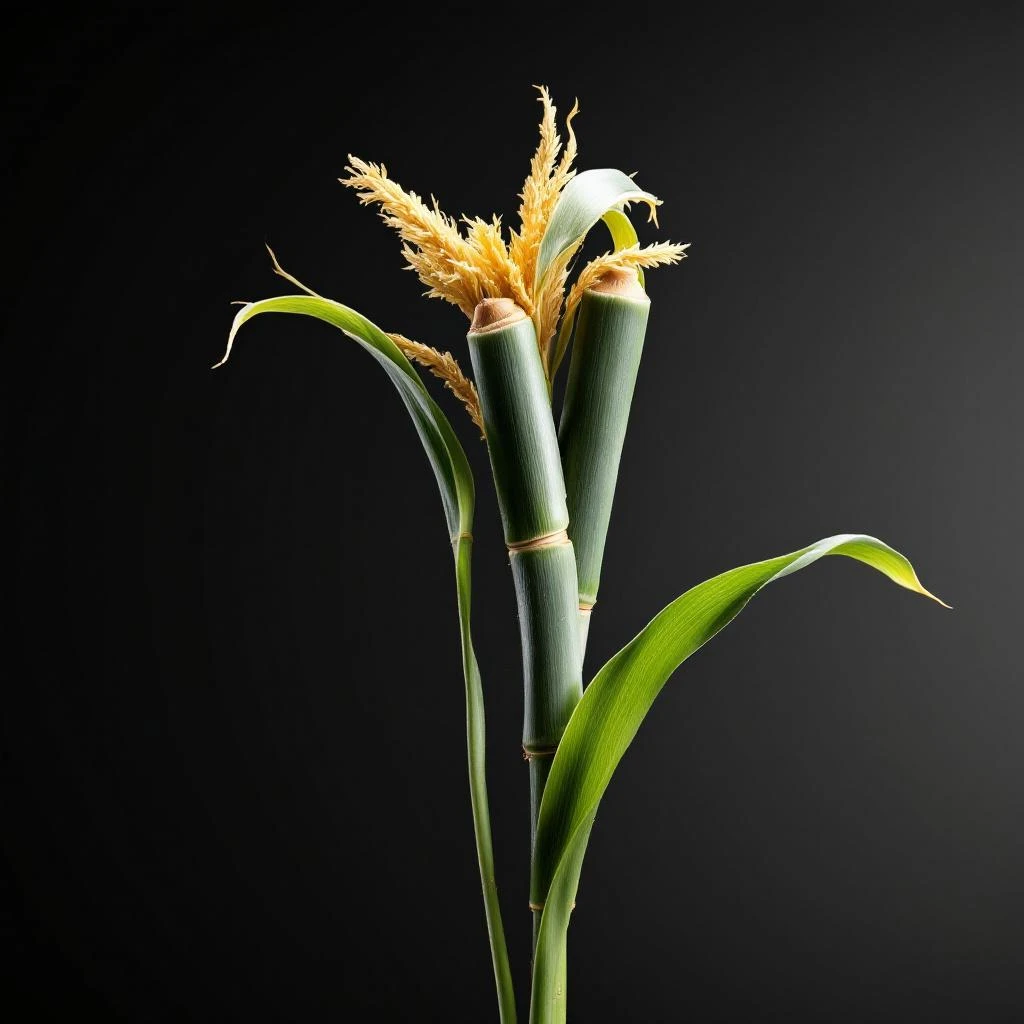
Doum palmwood comes from the Hyphaene thebaica tree, native to North Africa. Egypt and Sudan represent the primary regions where this tree grows wild, particularly along the Nile Valley and Sahel zones.
Is doum palmwood a natural or synthetic ingredient?
Doum palmwood is a natural ingredient. The aromatic material comes directly from the heartwood of the Hyphaene thebaica palm through steam distillation, without synthetic modification.
How long can a doum palm tree live?
The doum palm can live for over a century. Some specimens in Egypt and Sudan have been growing for hundreds of years, making it one of the most enduring tree species in the Sahara region.
What part of the doum palm is used for fragrance production?
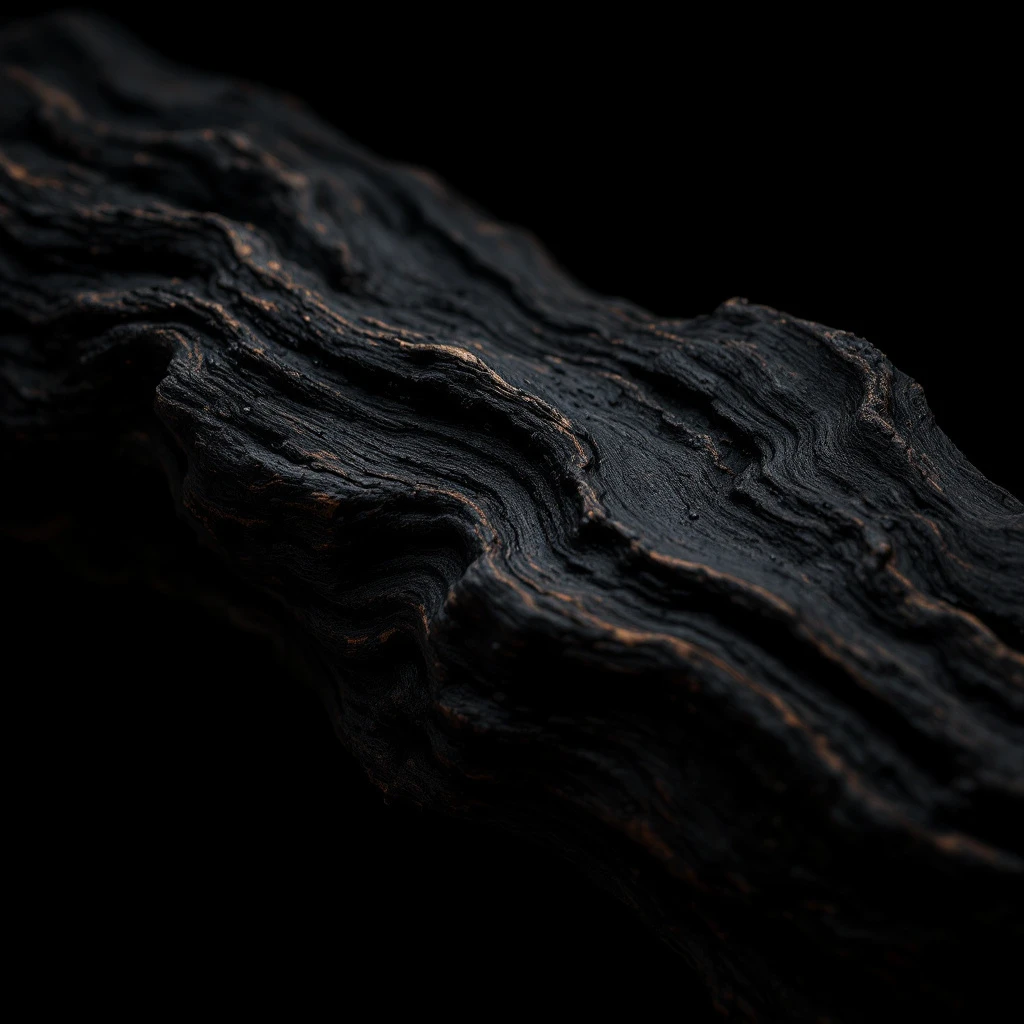
The heartwood of the doum palm serves as the source material. This inner core contains the aromatic compounds that steam distillation extracts, while the outer bark and fruit are used for other purposes.
How long does the steam distillation process take for doum palmwood?
Steam distillation of doum palmwood typically runs for 8 to 12 hours. The duration allows sufficient heat penetration into the dense heartwood to release the volatile aromatic compounds trapped within the cellular structure.
What type of fragrances typically feature doum palmwood?
Doum palmwood appears most frequently in woody and oriental fragrance constructions. Perfumers value it as a heart note that adds warmth and depth, often combining it with other woody materials, resins, and spices.