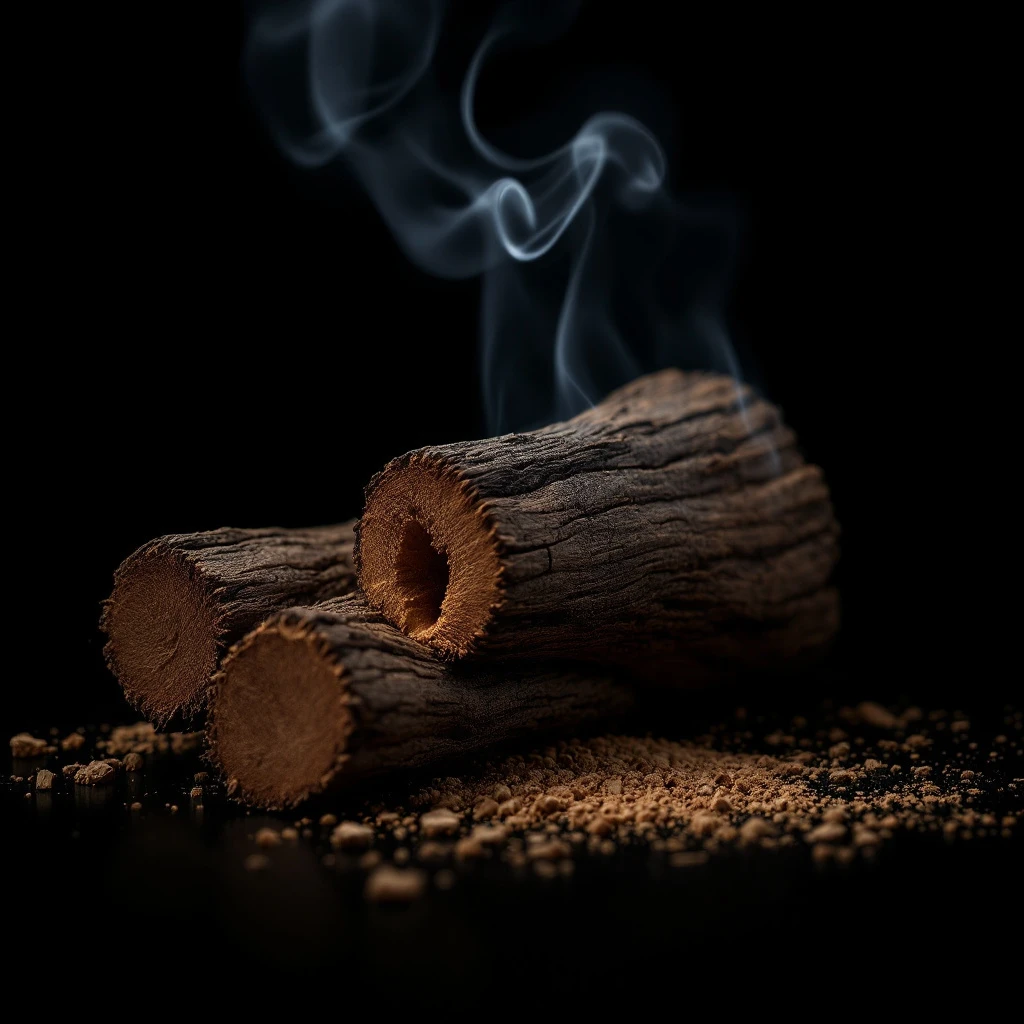
Smoked Chestnut
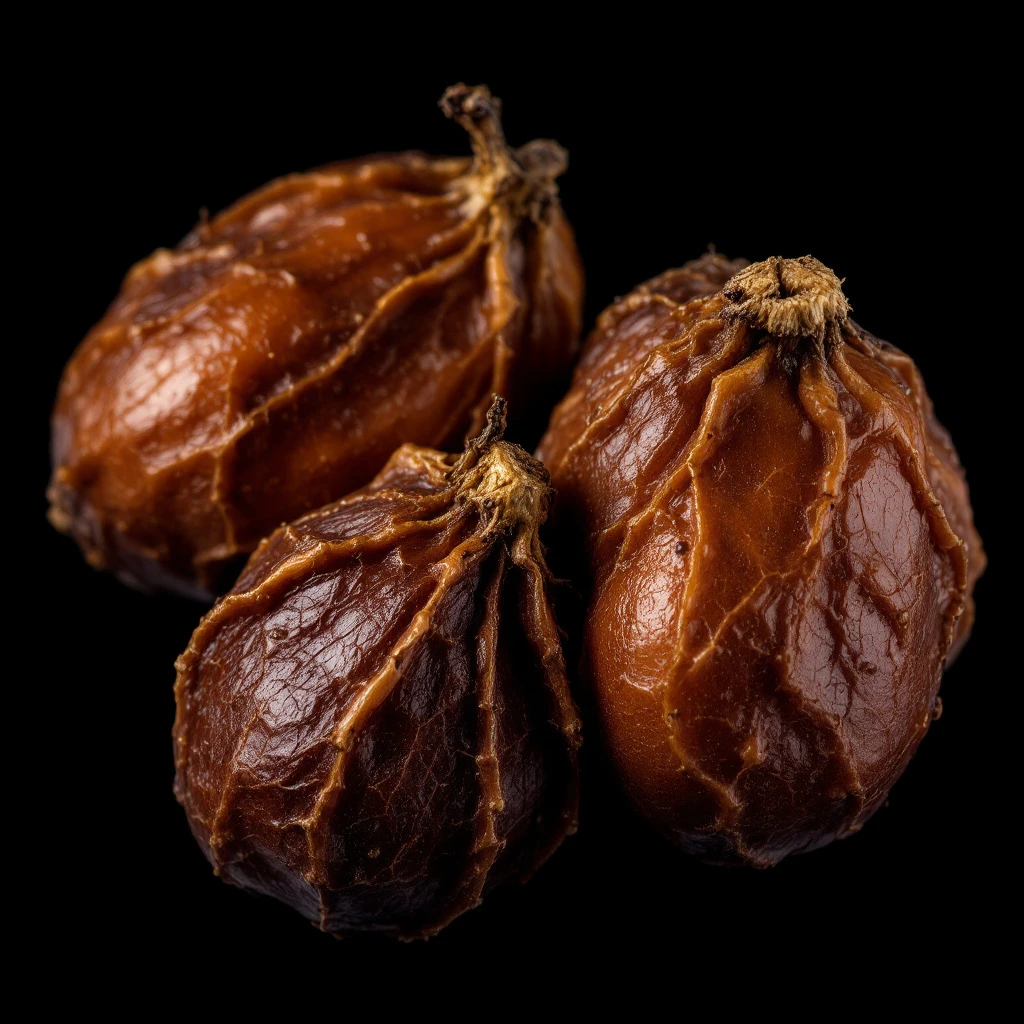
Warm, ember-bright, and quietly comforting. Smoked chestnut bridges the gap between gourmand richness and outdoor smokiness, adding depth with a toasted sweetness no other note quite replicates.
Character
How it smells
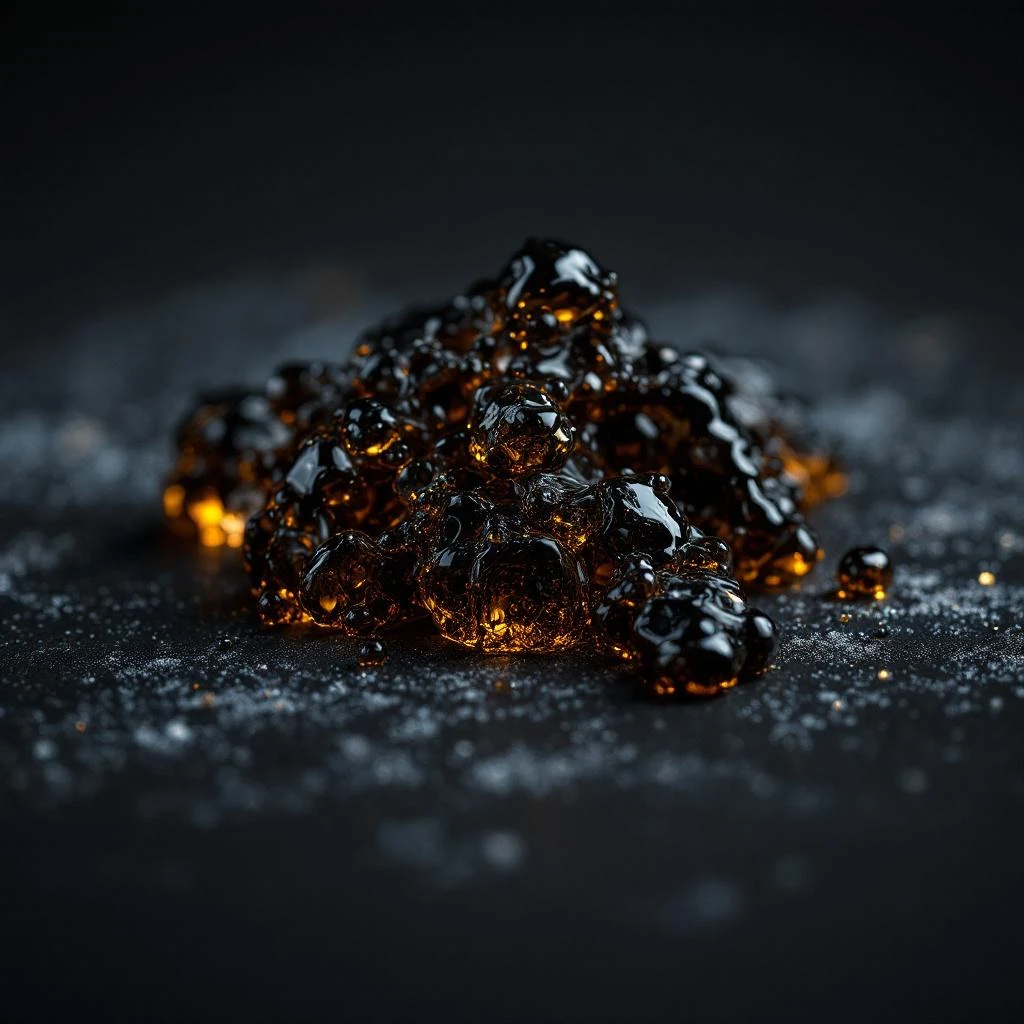
The cozy warmth of crackling embers, captured.
Tuscany alone produces over 30,000 metric tons of chestnuts every year, making Italy the world's leading supplier of culinary chestnuts.


Origin
Italy
Smoked notes rank among the oldest in perfumery. When humans first discovered fire, the本能地把芳香树脂和木材扔进火焰中,创造了最早的熏香形式。几个世纪后,随着香水中合成材料的出现,调香师能够精确地捕捉烟熏的特质——烤栗子中那种明亮、温暖的烟雾感,将古老的本能与现代精确度结合在一起。栗子本身在香水历史中相对较新,但烟熏的DNA可以追溯到美索不达米亚和埃及最早的芳香传统。
Wears it best
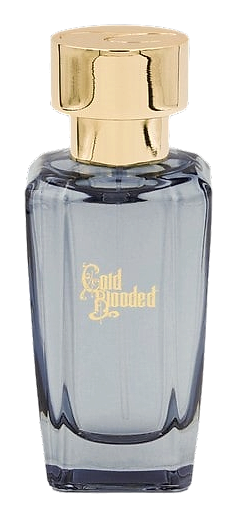
Fragrances featuring Smoked Chestnut
Good to know
Questions, answered
The essentials on Smoked Chestnut in perfumery: how it smells, where it comes from, and how it behaves on skin.
What does smoked chestnut smell like in perfume?
Smoked chestnut smells like chestnuts roasted over an open flame, combining warm nutty sweetness with a soft, ember-like smoke. It adds a cozy, tactile quality that sits between gourmand and woody fragrance families.
Is smoked chestnut a natural or synthetic ingredient?
Both exist. Natural smoked chestnut comes from roasted chestnuts processed through steam distillation or solvent extraction. However, many perfumers use synthetic materials or blends to achieve the note consistently, since natural roasted chestnut extract lacks the smoky depth needed for fragrance work.
What fragrance families pair well with smoked chestnut?
Smoked chestnut works exceptionally well in oriental, woody, and gourmand compositions. It complements notes like vanilla, amber, sandalwood, benzoin, and leather by adding warmth and a subtle smoky counterpoint.
Where do the chestnuts used in perfumery come from?
Italy is the world's leading producer, with Tuscany alone generating over 30,000 metric tons annually. France's Ardèche region is another respected source. Perfumery-grade material may come from various origins depending on the supplier.
Does smoked chestnut smell like actual smoke?
Not like woodsmoke or barbecue smoke. The smoke in smoked chestnut is gentle and warm, reminiscent of the faint char on a roasted chestnut shell rather than heavy, campfire-like smoke. It reads more as toasted warmth than as a smoky accord.
When did chestnut first appear in perfumery?
Chestnut as a named note in perfumery emerged in the late 20th century, coinciding with the rise of gourmand and nutty accords. Its smoke element draws from the long history of smoked materials, but chestnut itself is a relatively modern perfumery addition.
Can I find smoked chestnut in both men's and women's fragrances?
Yes. Smoked chestnut functions as a bridge note rather than a gendered one. It appears in masculine woody-smoky compositions as readily as in feminine gourmand fragrances built around warmth and sweetness.
How does smoked chestnut differ from regular chestnut note?
Regular chestnut note captures the nut's sweet, starchy, slightly woody character. Smoked chestnut adds a roasting, ember-like dimension that makes the note feel warmer, more tactile, and closer to the experience of eating chestnuts by a fire.