Single Malt Whisky
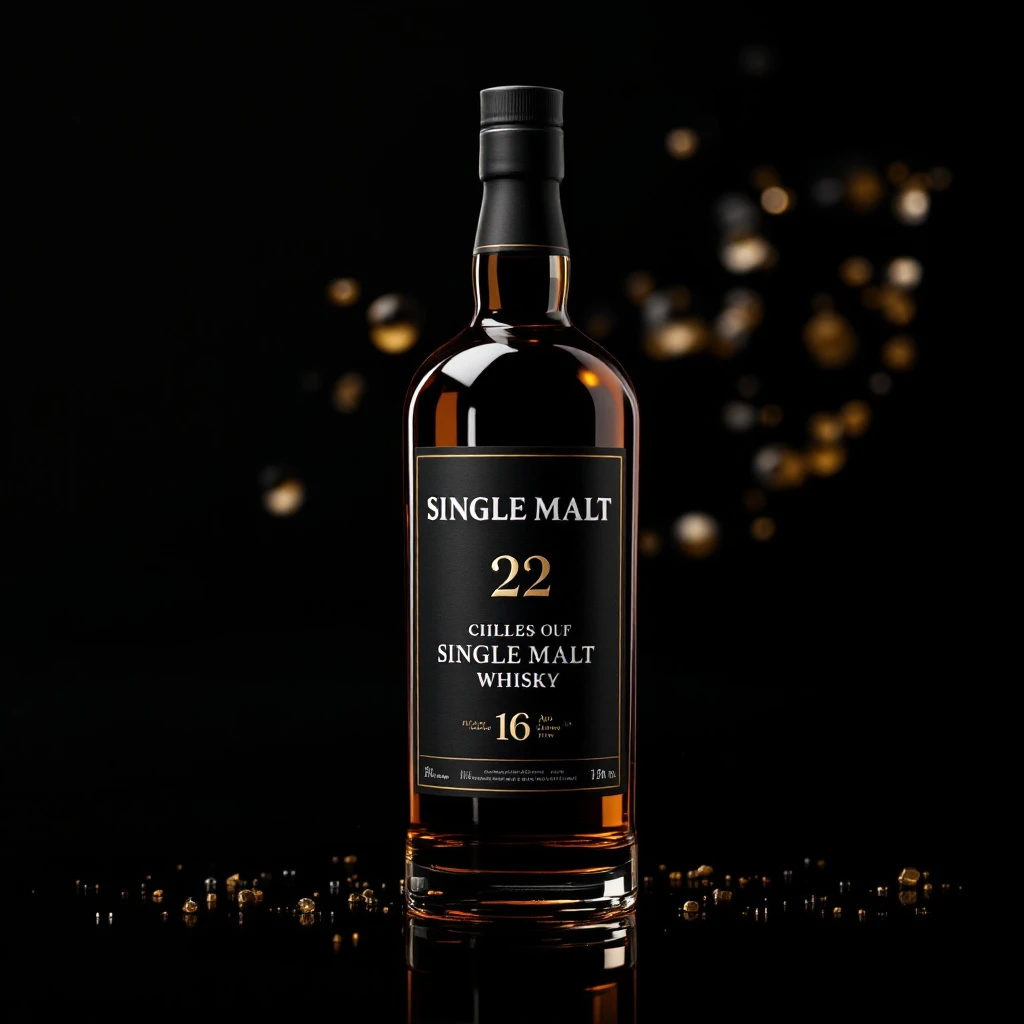
Single malt whisky brings the warmth of aged oak and the depth of charred barrels into perfumery. This spirit note captures vanilla, smoke, and caramelized grain, lending a refined edge to fragrances that command attention.
Character
How it smells
Smoke, vanilla, and the soul of oak.
Scottish law mandates that all whisky must mature in used barrels, meaning each cask carries the ghost of its previous spirit.



Origin
Scotland
The story of whisky stretches back further than most people realize. While Scotch Whisky Association records document the first Scottish distilling in 1494, the practice of distillation traveled through ancient Egypt, Greece, and Rome before arriving in the Scottish Highlands.
Monks brought distillation knowledge to Northern Europe during the medieval period. Scottish monks began experimenting with grain spirits around the 15th century, initially for medicinal purposes. The harsh climate and abundant barley created ideal conditions for distillation development.
By the 18th century, illicit stills dotted the Scottish landscape as distillers sought to avoid heavy taxation. This underground production refined techniques that would define single malt's character. The combination of peat smoke, oak aging, and copper pot distillation emerged from this period of creative constraint.
Today, single malt whisky represents both heritage and craft. Each distillery maintains unique practices passed down through generations, making the spirit a living archive of regional history.
Wears it best
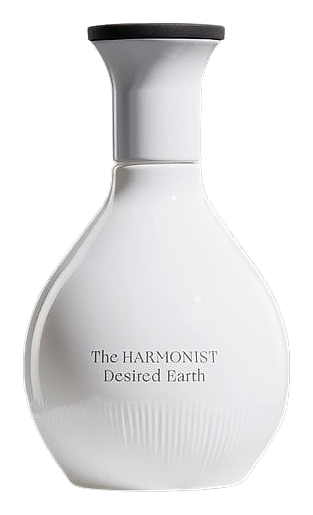
Fragrances featuring Single Malt Whisky
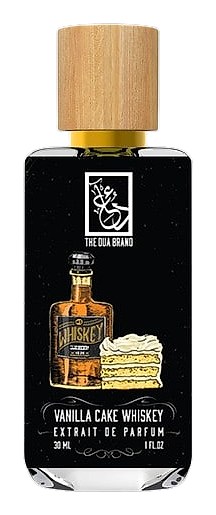
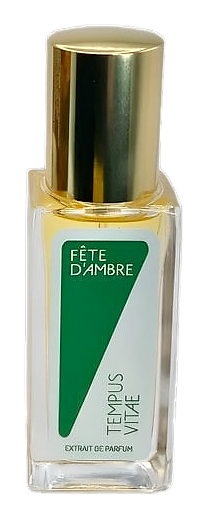
Brands
Brands known for Single Malt Whisky
Good to know
Questions, answered
The essentials on Single Malt Whisky in perfumery: how it smells, where it comes from, and how it behaves on skin.
What does single malt whisky smell like in fragrance?
Single malt whisky in perfume evokes warm vanilla, toasted oak, and subtle smoke. The note carries caramelized grain and a dry, slightly charred quality reminiscent of a whisky's finish.
Is whisky extract made from actual spirits?
Perfumers use pure malt, derived from germinated malted barley, which captures whisky's aromatic profile. The material reflects the spirit's character without containing alcohol itself.
What gives single malt whisky its distinctive smoky quality?
Peat smoke during malting creates whisky's characteristic smoky note. Scottish distillers traditionally dried barley over peat fires, transferring earthy, smoky compounds to the grain.
How long does whisky need to age before its flavor develops?
Scotch whisky requires a minimum three-year aging in oak barrels, though many premium expressions mature for 12 to 25 years. Extended aging develops deeper vanilla and spice characteristics.
Why do Scottish distilleries use used barrels?
Scottish law mandates that whisky must mature in used oak barrels, typically ex-bourbon or ex-sherry casks. This rule shapes the spirit's flavor by allowing interaction with previously extracted compounds.
Which fragrance families commonly use whisky notes?
Whisky notes appear most often in oriental and woody fragrances. The spirit note adds warmth and complexity to compositions featuring amber, vanilla, leather, and tobacco.
What distinguishes single malt from blended whisky?
Single malt comes from one distillery using only malted barley. Blended whisky combines spirit from multiple distilleries. Single malts showcase each distillery's unique production character.
Can whisky notes work in light summer fragrances?
Lighter whisky interpretations exist in modern perfumery. These versions emphasize fresh grain, green barley, and subtle vanilla rather than heavy smoke, suitable for warmer months.





