Butterscotch
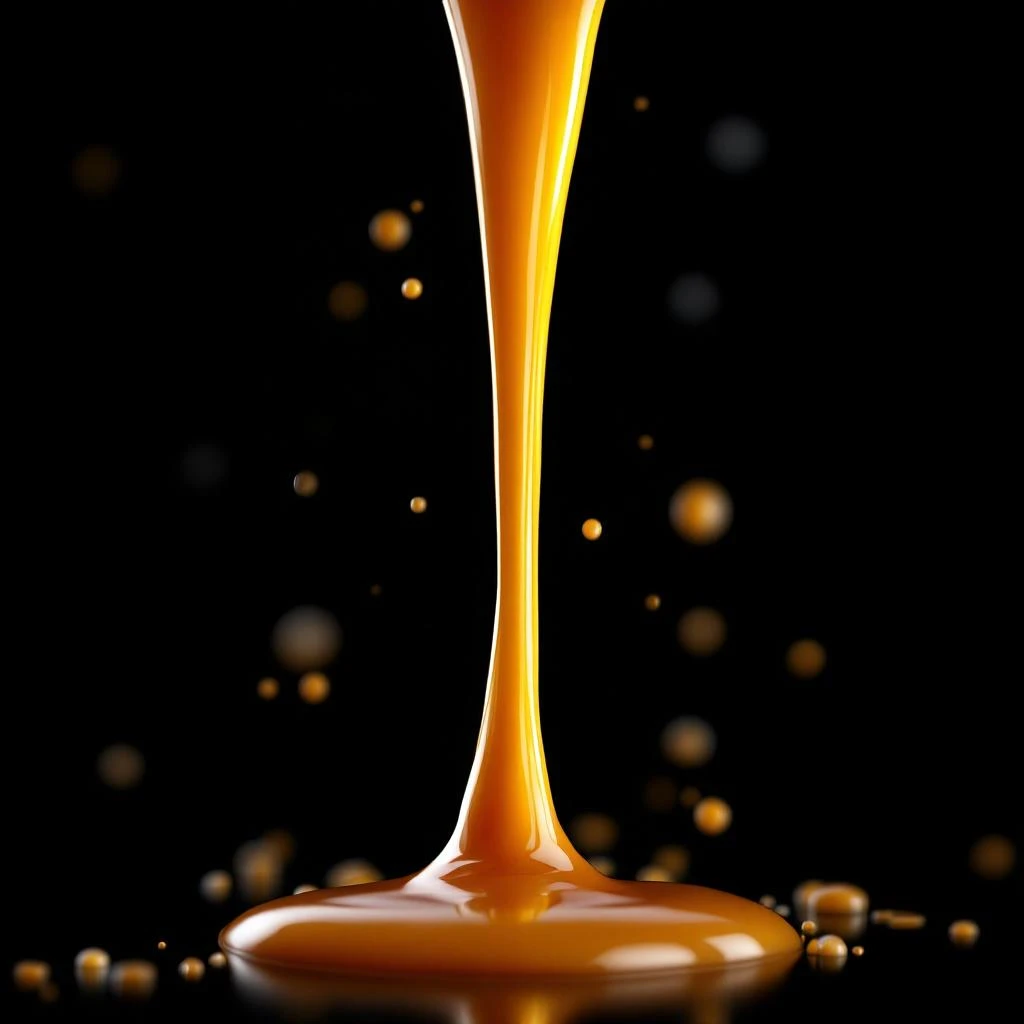
Butterscotch wraps the skin in warmth, its buttery sweetness balanced by deep caramel undertones that feel like comfort distilled into scent. A note born of golden sugar and cream, it lingers with the memory of slow-cooked sweetness.
Character
How it smells
Warm amber sweetness, slow-cooked to perfection.
The confection born in 19th century Yorkshire inspired aroma chemists to recreate its golden essence for fragrance. Its signature buttery note comes from diacetyl, a compound also found naturally in fermented dairy.





Origin
United Kingdom
Butterscotch confectionery emerged in 19th century Yorkshire, England, when confectioners first combined butter, brown sugar, and cream in copper kettles. From these humble kitchens came a confection so beloved that it crossed the Atlantic, yet its aromatic essence proved elusive to early perfumers.
Perfumery needed decades to catch up. Before synthetic chemistry advanced, capturing butterscotch's warm sweetness required creative workarounds. Modern fragrance science changed this entirely. By understanding which molecules create the sensory impression of butter-caramel, chemists learned to construct that warmth in laboratory conditions.
Today, butterscotch appears throughout fine fragrance as both a signature note and a supporting element, lending its comforting character to oriental fragrances, Gourmand creations, and unexpected combinations in unexpected places.
Wears it best
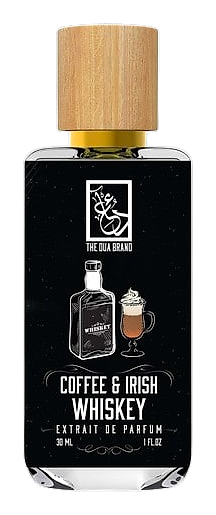
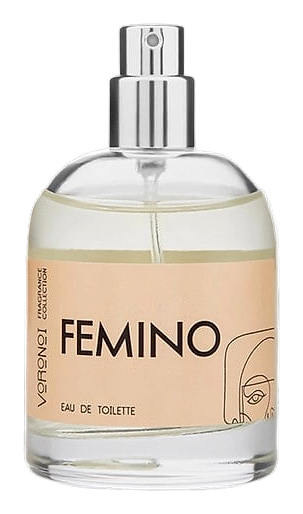
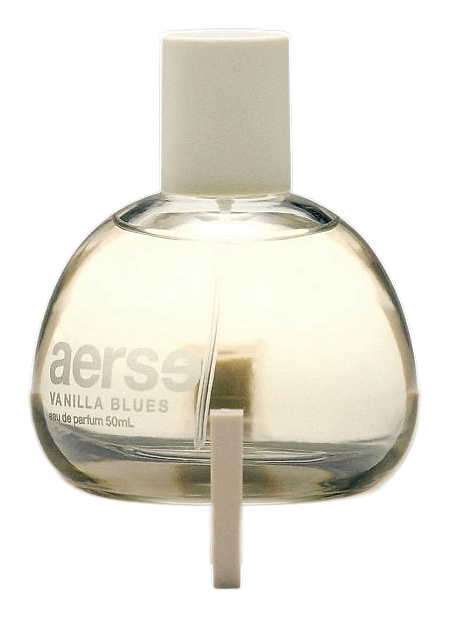
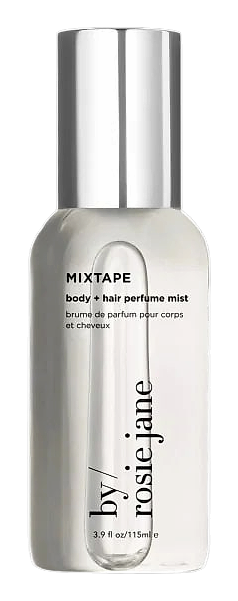
Fragrances featuring Butterscotch
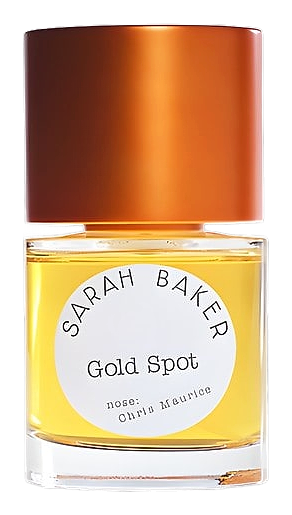
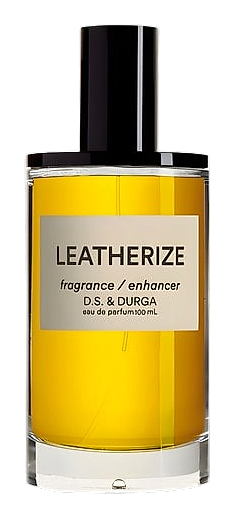
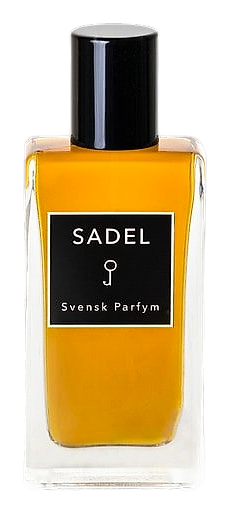
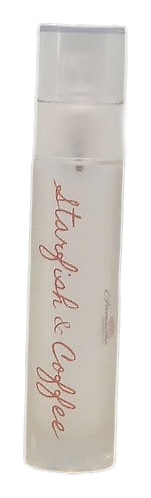
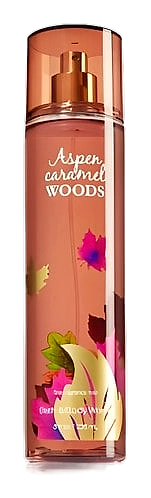
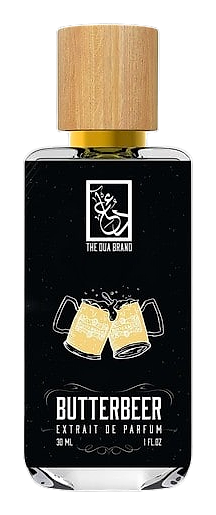
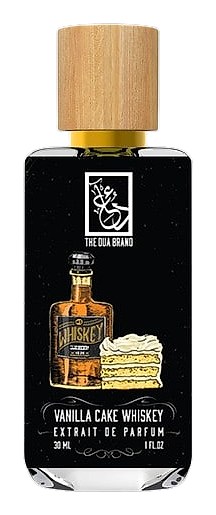
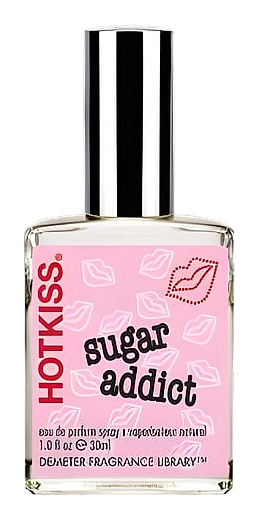
Brands
Brands known for Butterscotch
Good to know
Questions, answered
The essentials on Butterscotch in perfumery: how it smells, where it comes from, and how it behaves on skin.
Is butterscotch a natural or synthetic ingredient in perfume?
Butterscotch in perfumery is synthetic. Aroma chemists construct its warm, sweet character using molecules like diacetyl, coumarin, and maltol to reproduce the confection's scent profile.
What does butterscotch smell like?
Butterscotch blends buttery richness with deep caramel sweetness and vanilla undertones. It feels warm, creamy, and slightly smoky, like the surface of a caramelized confection fresh from the pot.
Which fragrance families commonly use butterscotch?
Gourmand and oriental fragrances most often feature butterscotch. It also appears in warm fougere creations and amber compositions, where its sweetness balances herbal or spicy elements.
Does butterscotch occur naturally in any plants?
Diacetyl, one of butterscotch's signature molecules, occurs naturally in fermented dairy products, ripe bananas, and some roasted coffees. The butterscotch accord itself remains a laboratory construction.
How long has butterscotch been used in perfume?
Butterscotch notes began appearing in fragrance after synthetic chemistry advanced in the 1960s. Before that, perfumers lacked the molecular tools to capture its warm confectionery character.
What pairs well with butterscotch in fragrance?
Vanilla amplifies butterscotch's sweet depth. Tonka bean adds complexity, while benzoin or Peru balsam deepen its warmth. It also contrasts interestingly with saltyvetiver or herbal accords.
Is butterscotch safe for skin use in perfume?
Butterscotch notes in perfume meet international safety standards when used within recommended concentrations. IFRA regulations govern usage levels for all component molecules.
Can butterscotch be found in nature?
While the butterscotch confection was invented in Yorkshire, its characteristic aroma molecules exist in nature. Diacetyl appears in fermented dairy; maltol occurs in roasted barley; coumarin appears in cinnamon bark and tonka beans.