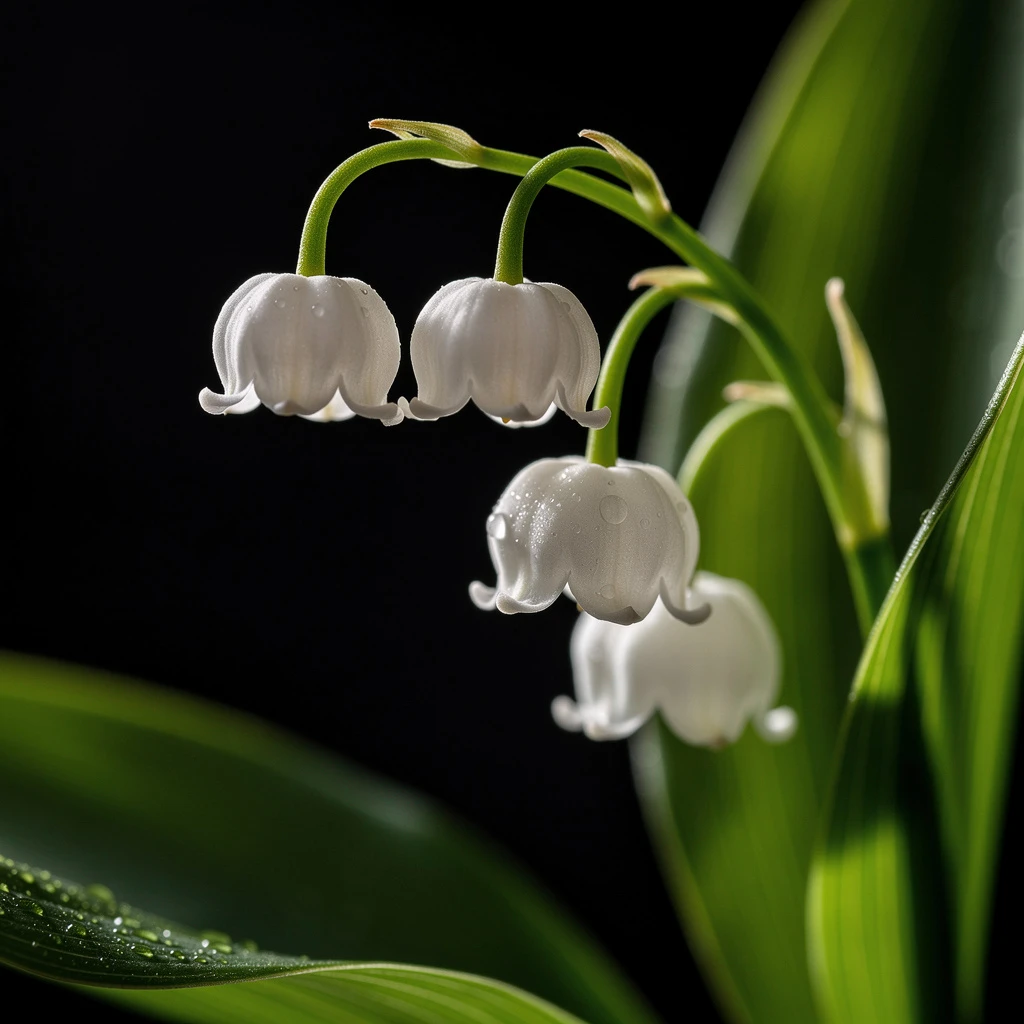
Silkwood Blossom
A rare Australian native floral capturing the buttery elegance of untamed wilderness. Silkwood Blossom delivers a smooth, tropical warmth that feels both intimate and expansive.
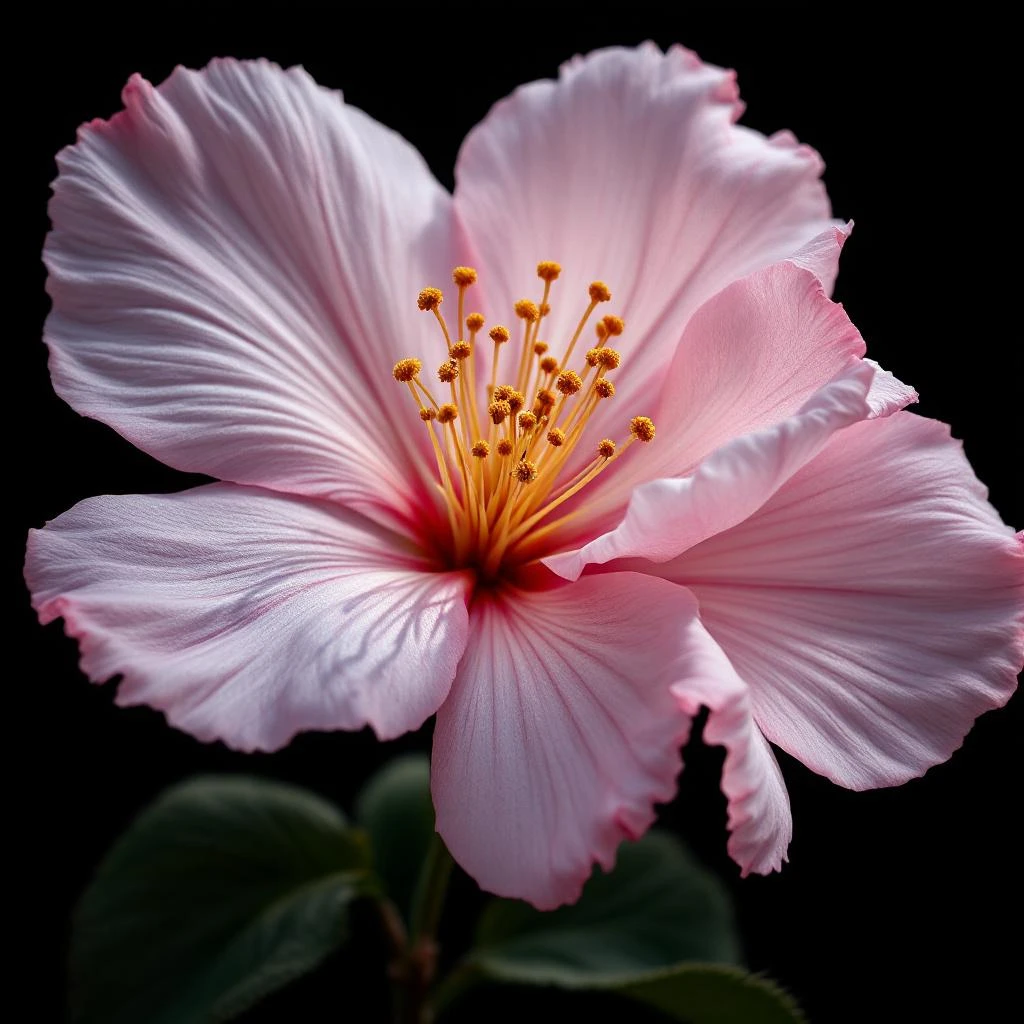
Character
How it smells
Rare Australian floral with buttery smoothness
Indigenous Australians have used silkwood flowers in traditional ceremonies for thousands of years before perfumers discovered their potential.





Origin
Australia
The name honors botanist Joseph Banks, whose 1770 voyage to Australia opened European science to the continent's extraordinary botanical heritage. Banks documented over a thousand plant species previously unknown to Western science, forever expanding the palette available to perfumers.
Silkwood trees themselves proved fascinating to early colonial botanists, their delicate blossoms standing in stark contrast to the rugged landscape. For millennia before European contact, Indigenous Australians incorporated these same flowers into ceremonial practices, recognizing qualities the colonial botanists would later catalog.
The fragrance note emerged in modern perfumery only recently, as attention shifted toward Australian native materials as alternatives to overharvested traditional ingredients. Today, Silkwood Blossom represents a bridge between ancient Indigenous botanical knowledge and contemporary fragrance innovation.
Wears it best
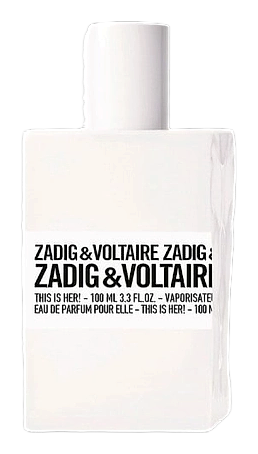
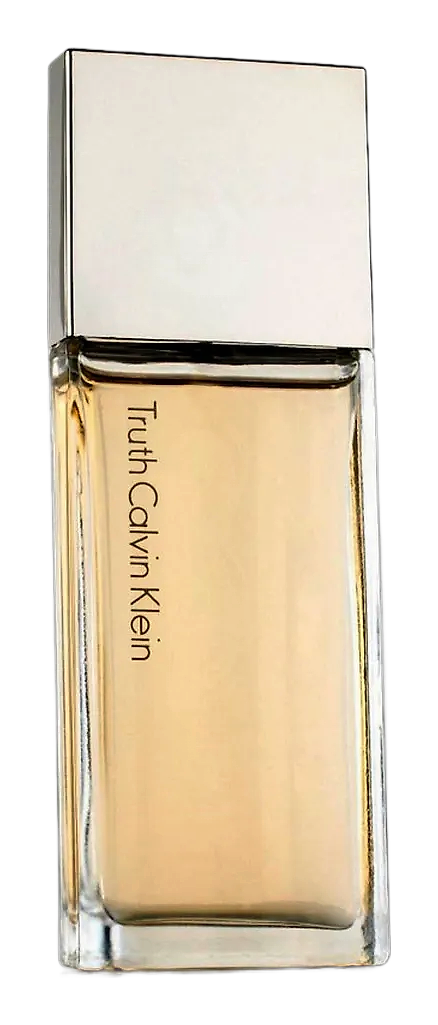
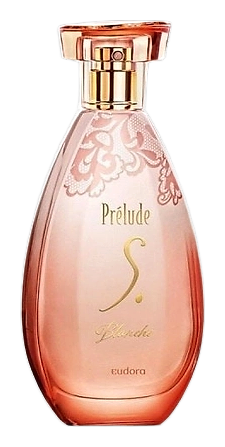
Fragrances featuring Silkwood Blossom
Brands
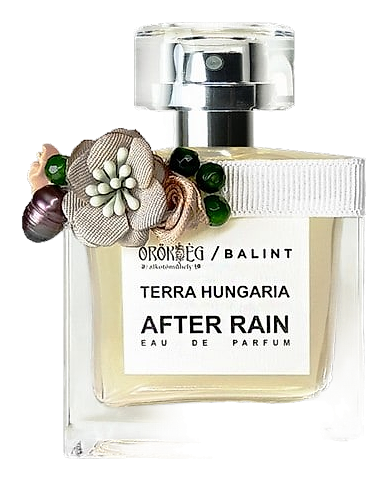
Brands known for Silkwood Blossom
Good to know
Questions, answered
The essentials on Silkwood Blossom in perfumery: how it smells, where it comes from, and how it behaves on skin.
What does Silkwood Blossom smell like?
Silkwood Blossom offers a light, buttery floralcy with creamy white flower characteristics. The scent is smooth without sharp edges, featuring tropical warmth and a subtle powdery drydown reminiscent of Australian summer gardens.
Is Silkwood Blossom a natural or synthetic ingredient?
Silkwood Blossom is a natural aromatic material derived from Australian native flowers through solvent extraction. The method preserves delicate volatile compounds that give this ingredient its distinctive velvety quality.
Where does Silkwood Blossom originate?
Silkwood Blossom comes from native flowers found across northern Australia's coastal regions, particularly around the Kimberley in Western Australia. The ingredient honors the botanical discoveries made during Joseph Banks' 1770 Australian expedition.
How is Silkwood Blossom harvested for perfumery?
Harvesting takes place in early morning when blossoms are at peak aromatic concentration. Hand-collection protects the delicate flowers from bruising, which would degrade the scent before extraction begins.
What makes Silkwood Blossom rare in perfumery?
Silkwood Blossom appears in only a small number of fragrances due to limited supply and modest extraction yields. The ingredient requires specific growing conditions and careful harvesting, keeping production volumes genuinely low.
Which fragrance families pair well with Silkwood Blossom?
Silkwood Blossom integrates naturally into white floral, woody, and tropical fragrance compositions. It adds warmth to citrus top notes and provides smooth floralcy that softens sharper aromatic elements.
How does Silkwood Blossom compare to traditional white florals?
Unlike jasmine or tuberose, Silkwood Blossom lacks aggressive sillage and sharp edges. Its character is gentler and creamier, making it suitable for compositions that require floral presence without overwhelming weight.
Does Silkwood Blossom have traditional uses beyond perfumery?
Indigenous Australians used silkwood flowers in ceremonial contexts for thousands of years before European arrival. Modern perfumery's use of this ingredient represents a new chapter in a much longer botanical relationship.
In the same family