Siberian Rhododendron
Rare botanical from high-altitude mountains delivers a fresh, green, and subtly floral scent rarely found in perfumery.
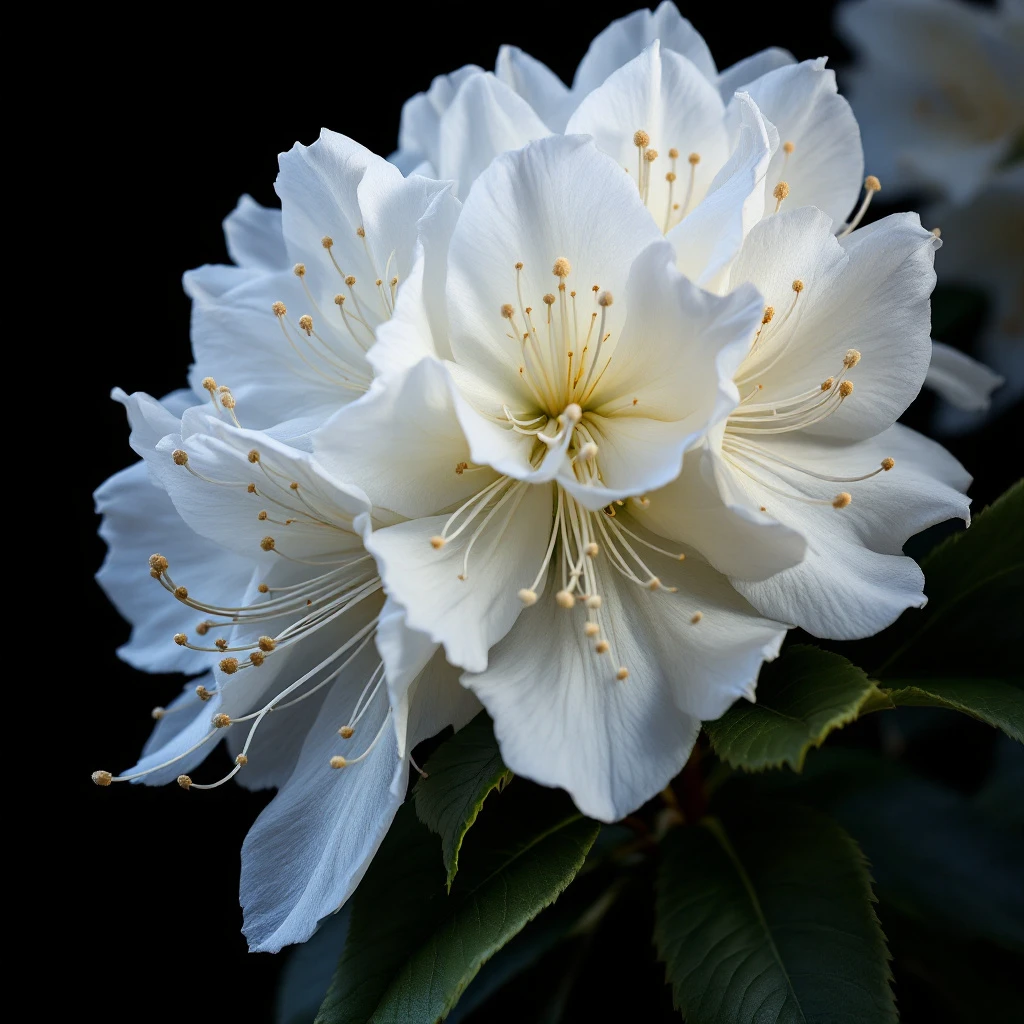
Character
How it smells
High-altitude greenery distilled into perfume.
Some rhododendron species can live over 60 years, developing increasingly complex aromatic compounds as they mature.




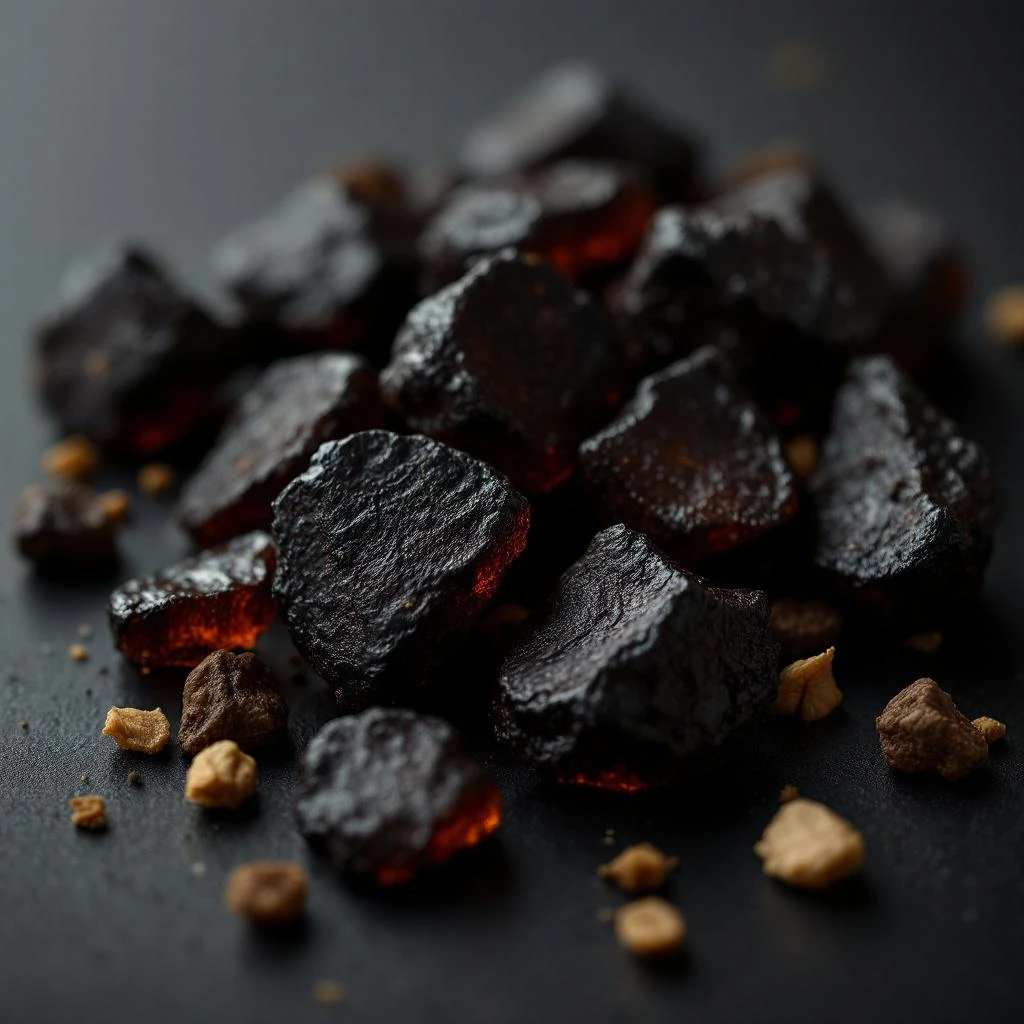

Origin
Nepal
The genus Rhododendron encompasses over 1,000 species distributed across cold regions of the Northern Hemisphere, from the Balkans through the Himalayas into Siberia. Indigenous peoples of these mountain regions have used rhododendron species for centuries in traditional medicine, ritual incense, and ceremonial applications.
Rhododendron anthopogon specifically appears in Ayurvedic texts and Himalayan folk practices. The name derives from Greek, with 'rhodon' meaning rose and 'dendron' meaning tree, a reference to the often profuse flowering of these plants.
While rhododendrons have long symbolized beauty and resilience in various cultures, their adoption in Western perfumery is relatively recent, emerging as artisan and niche perfumers sought distinctive regional ingredients. The ingredient remains uncommon, valued by perfumers who prioritize unusual botanicals and traceable sourcing.
Wears it best
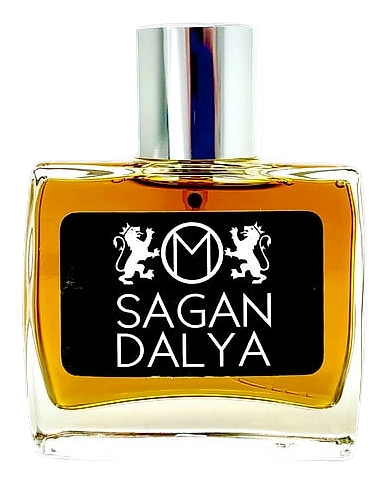
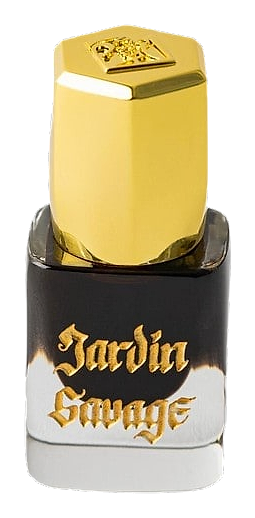
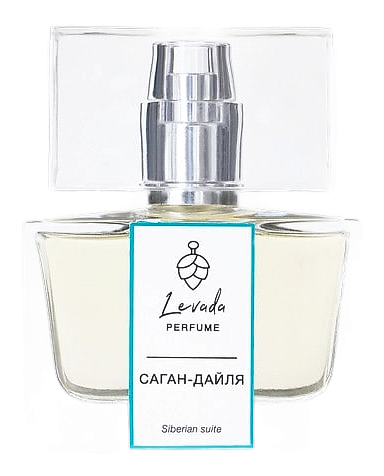
Fragrances featuring Siberian Rhododendron
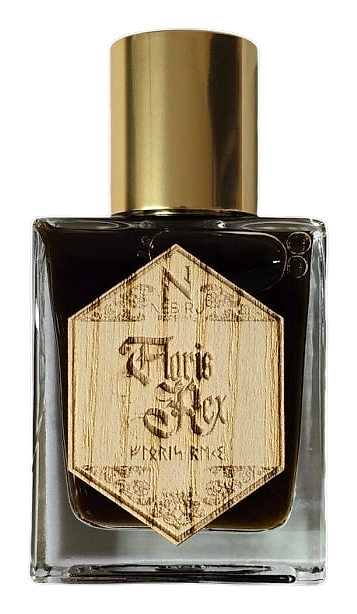
Brands
Brands known for Siberian Rhododendron
Good to know
Questions, answered
The essentials on Siberian Rhododendron in perfumery: how it smells, where it comes from, and how it behaves on skin.
What does Siberian Rhododendron smell like?
The essential oil has a fresh, green, and slightly camphorated opening with a warm floral heart and woody undertones. The scent is herbaceous with subtle honey-like sweetness.
Is Siberian Rhododendron commonly used in perfumes?
No. Limited production in Nepal and specific growing requirements make this a rare perfumery ingredient, found primarily in niche and artisan fragrances.
Which parts of the rhododendron plant are used for fragrance?
Steam distillation of leaves and young twigs produces the essential oil. These aerial parts contain the highest concentration of aromatic compounds.
What extraction method is used for Siberian Rhododendron?
Steam distillation. This technique gently extracts volatile aromatic molecules without the high heat that could degrade sensitive compounds.
Where does Siberian Rhododendron grow?
Rhododendron species thrive in cold, mountainous regions across Asia, including the Himalayas and Siberia. Rhododendron anthopogon specifically inhabits high-altitude zones.
Does synthetic Siberian Rhododendron exist?
Some aromatic analogues exist, but no widely available synthetic replicates capture the full complexity of the natural essential oil derived from Rhododendron anthopogon.
Is the sourcing of Siberian Rhododendron sustainable?
Small-scale wild harvesting in Nepal limits environmental impact, but limited production means sourcing requires careful verification from specialized suppliers.
What type of fragrance family uses Siberian Rhododendron?
Green, aromatic, and chypre fragrances most commonly incorporate this ingredient. It works well as a top note or bridge element in complex botanical compositions.