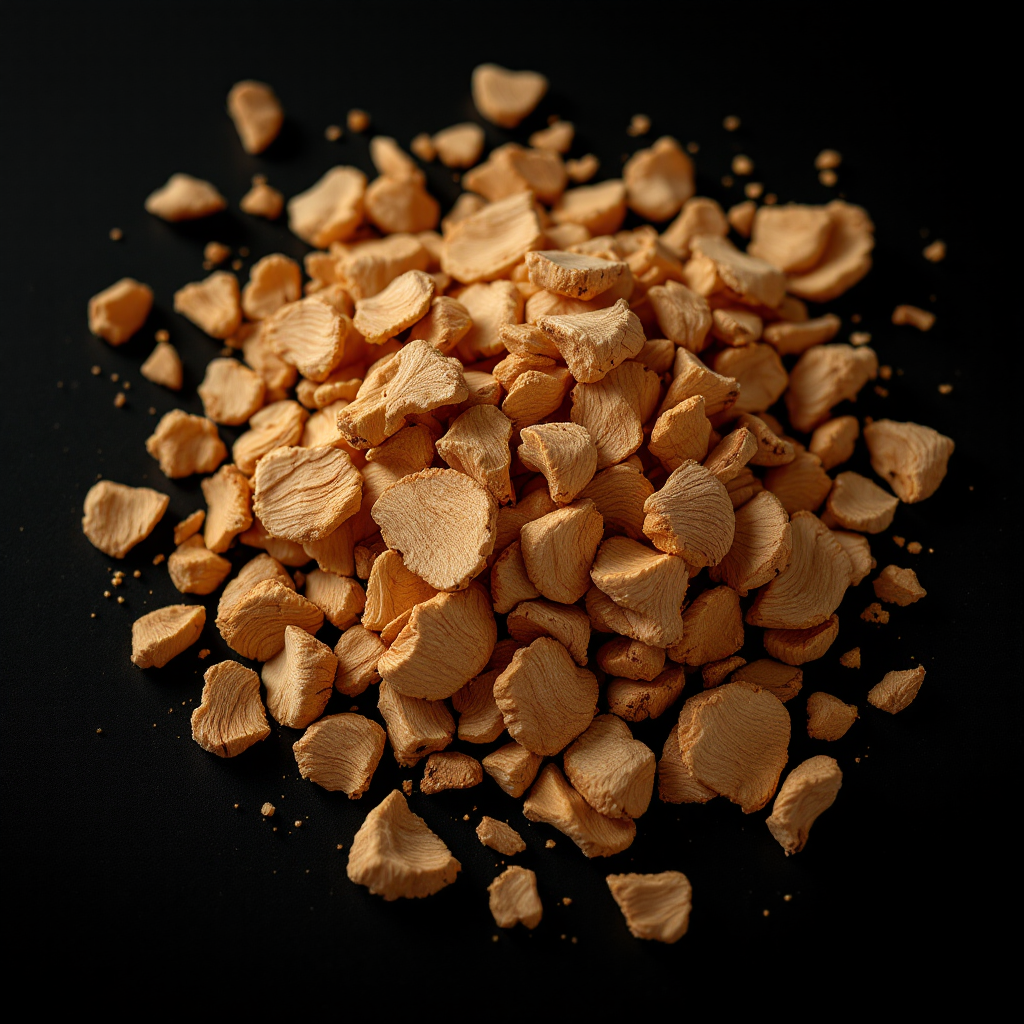
Siberian Larch
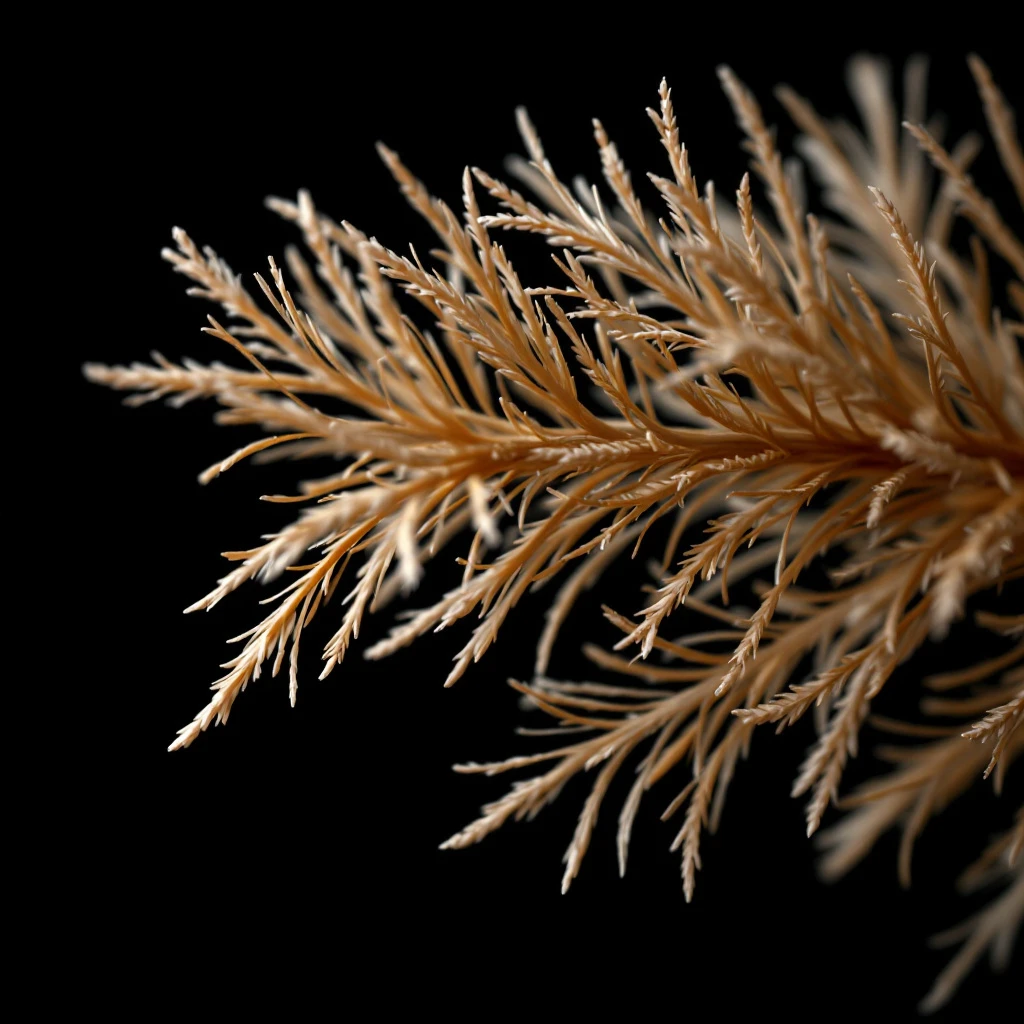
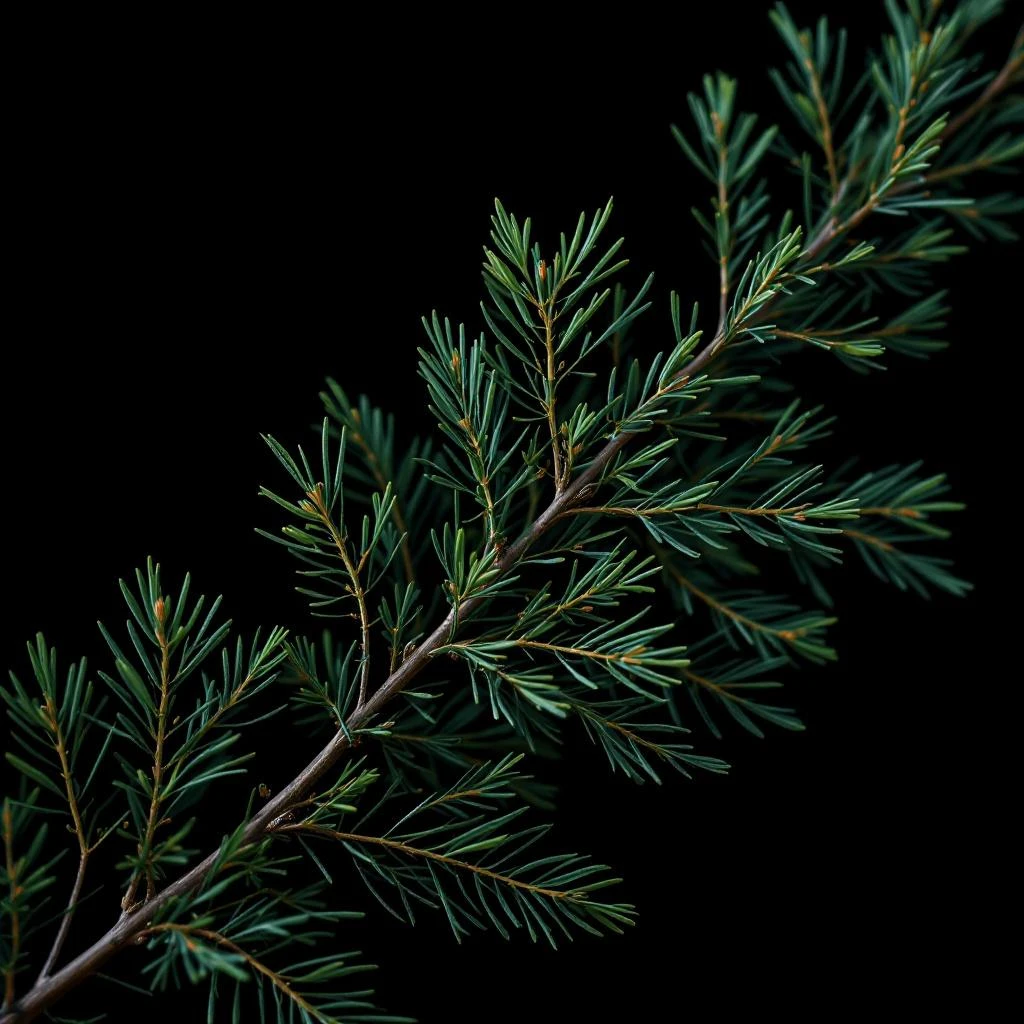
Siberian larch brings a crisp, resinous woodland character shaped by fresh needles, citrus-like brightness and the dry scent of conifer resin.
Character
How it smells
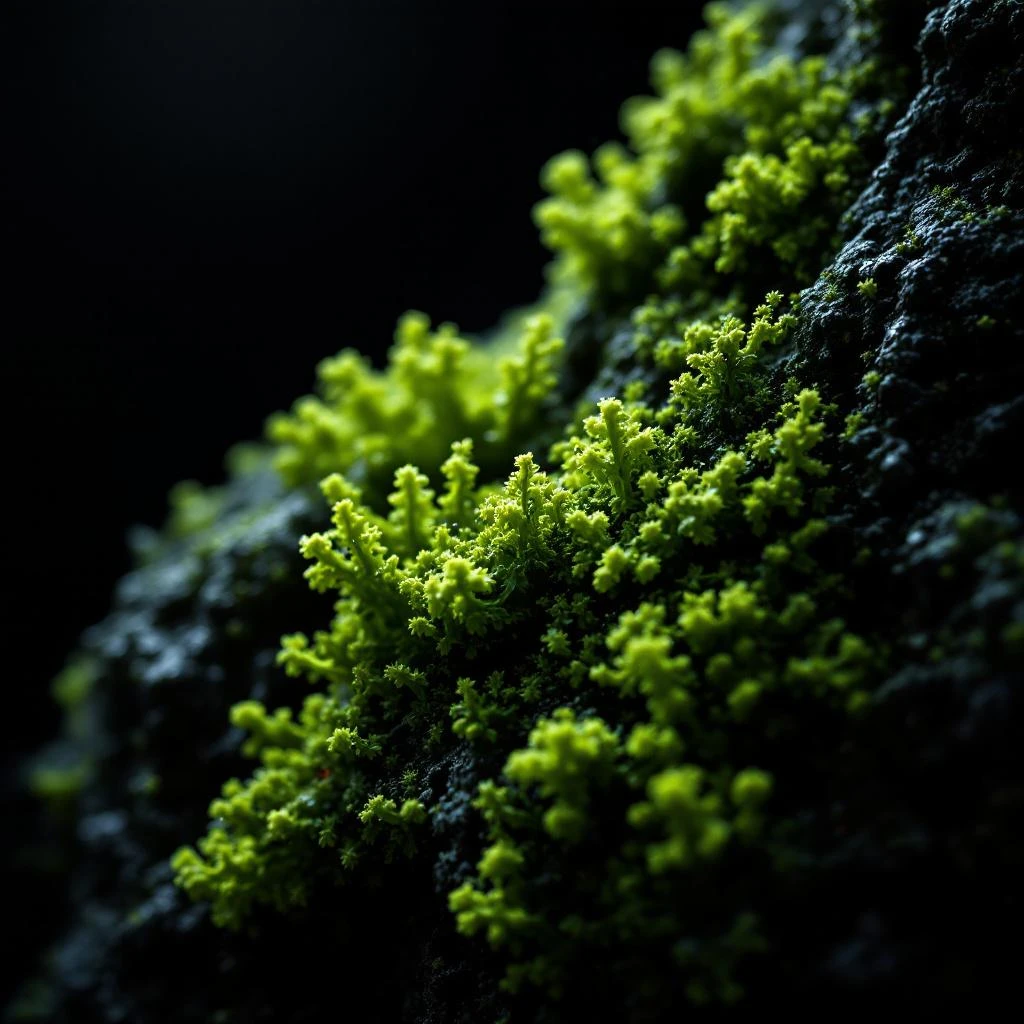
Fresh conifer air with a dry, resinous edge.
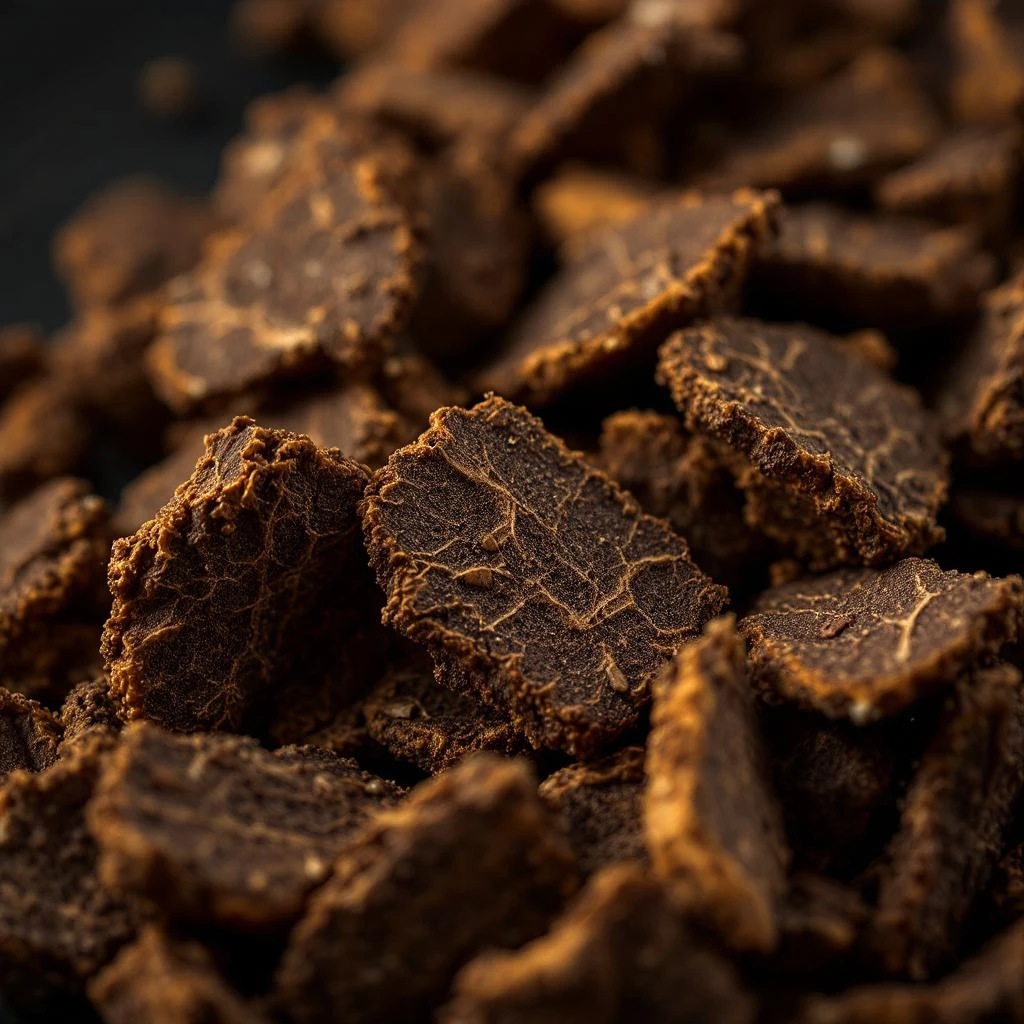
Larch turpentine, also known as Venice turpentine, has served as a varnish since the Renaissance.
Pairs beautifully with
Origin
Russia
Larch has long been valued in northern and central Europe for its workable timber and aromatic resin. Larch turpentine, often called Venice turpentine because it was traded through Venice, has a documented history as a varnish material extending back to the Renaissance.
Its use in protective coatings shows that people recognized the tree’s resinous qualities well before modern perfumery assigned them a formal place in fragrance creation. Natural aromatic ingredients once formed most perfume materials, while the expansion of organic synthesis from the 19th century introduced many new sources of scent.
Siberian larch sits within this broader tradition of extracting character from plants. Today, its fresh, dry profile can evoke forests of the cold temperate and boreal zones, although fragrance labels often use the broader term larch without identifying a species.
Wears it best
Fragrances featuring Siberian Larch
Brands
Brands known for Siberian Larch
Good to know
Questions, answered
The essentials on Siberian Larch in perfumery: how it smells, where it comes from, and how it behaves on skin.
What does Siberian larch smell like in perfumery?
Siberian larch usually presents a crisp, woody-conifer scent with fresh needles, airy citrus-like facets and a dry resinous base. Its deciduous origin can make it feel lighter than many familiar pine notes.
Which part of the Siberian larch is used for fragrance?
Fragrance-grade larch oil is generally steam-distilled from the needles and twigs. These aromatic tissues release volatile compounds that create the tree’s fresh, resinous profile.
Is Siberian larch the same as pine?
No. Both belong to the pine family, but larch belongs to the genus Larix and loses its needles in autumn. Most true pines remain evergreen, giving their oils a different visual and aromatic context.
What is Venice turpentine made from?
In the larch context, Venice turpentine refers to an aromatic exudate or distillation-related material historically obtained from larch. It has been used as a varnish since the Renaissance.
Where does Siberian larch naturally grow?
Siberian larch occupies extensive cold forests across Russia, especially parts of Siberia. Different Larix species also grow across Europe and Asia, so the precise range depends on the species.
How is Siberian larch oil produced?
Producers steam-distill larch needles and twigs, then separate the aromatic oil from the condensate. Yield and composition can vary with species, harvest season, plant condition and distillation conditions.
Is Siberian larch oil a main ingredient in most perfumes?
No. It is a specialist natural aromatic material rather than a universal perfume base. Its clean conifer quality can add freshness and structure, often alongside broader woody or synthetic conifer notes.
Why does larch smell different from pine?
Larch and pine contain distinct mixtures of volatile compounds, and the source tissues and distillation conditions also shape their profiles. Larch often reads as brighter and drier because deciduous larches occupy a different ecological setting from many pines.