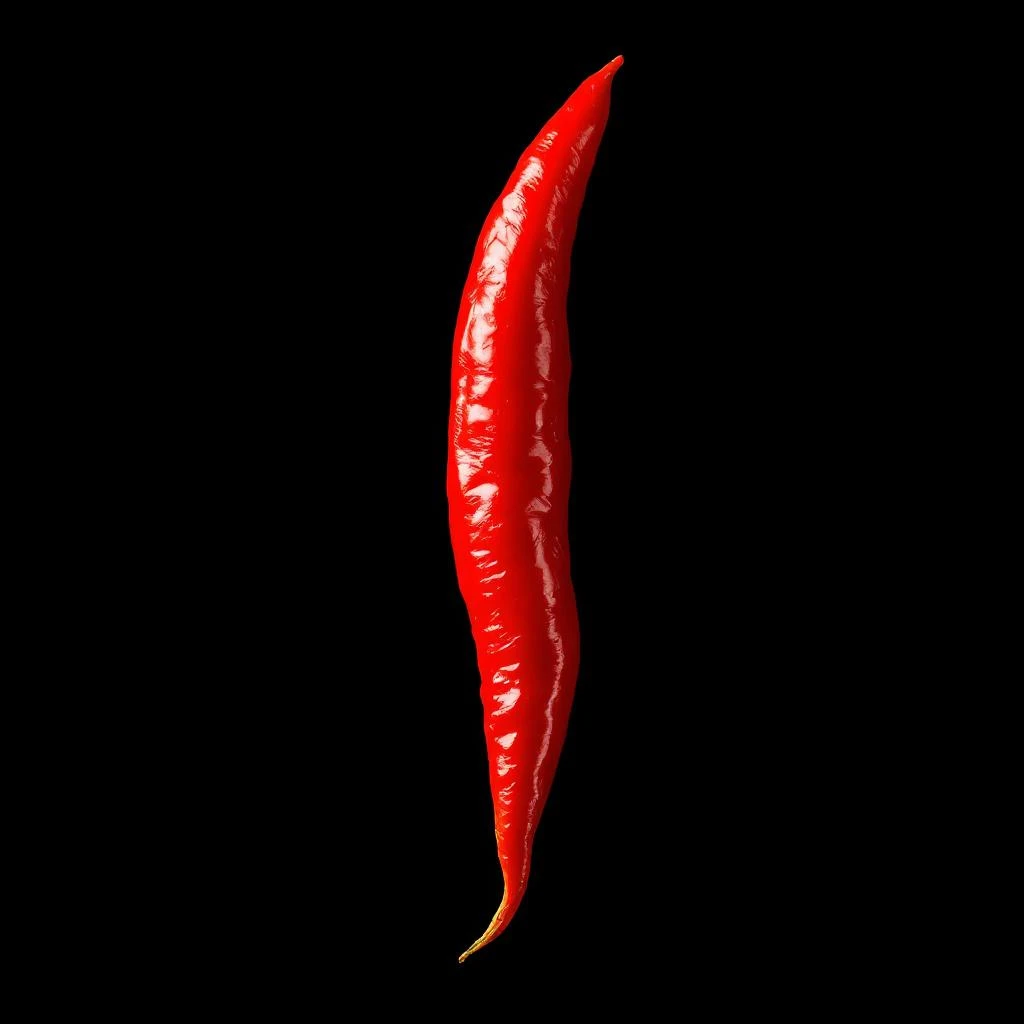
Serrano Pepper
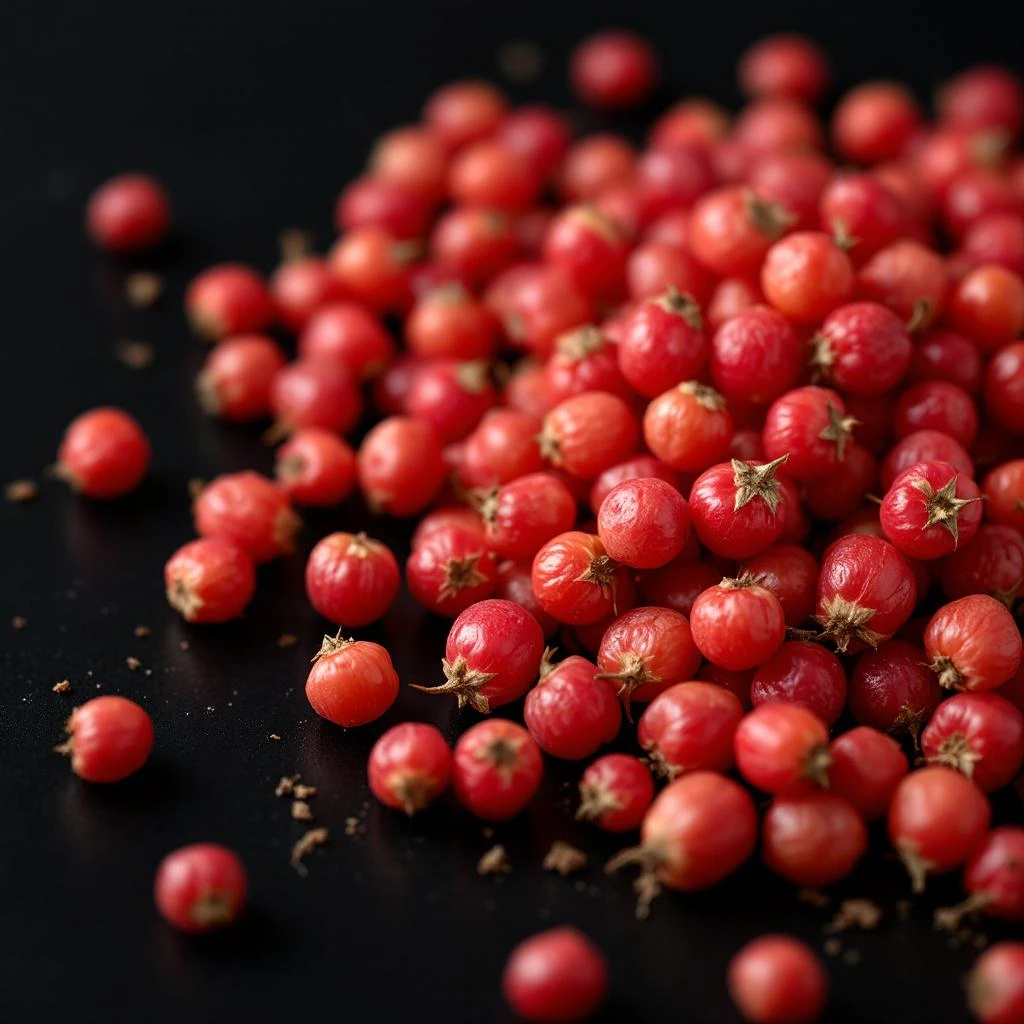
Serrano pepper brings the heat of Mexican highlands to perfumery. This fiery cultivar delivers crisp, biting freshness and a green-spicy warmth that electrifies fragrance compositions from the first application.
Character
How it smells
The highlands' fire, captured in scent.
A single serrano pepper carries 10,000 to 23,000 Scoville heat units, enough to leave a lasting impression on any formula.



Origin
Mexico
Serrano pepper traces its roots to the Mexican highlands, where indigenous peoples cultivated Capsicum annuum for millennia before European contact. The name derives from 'serrano', Spanish for 'from the mountains', reflecting the crop's traditional growing regions in the Sierra Madre Oriental and Sierra Madre Occidental ranges.
Spanish colonizers spread the pepper across their empire, introducing it to Southeast Asia where it found fertile ground and became a cornerstone of regional cuisines. The ingredient's journey into perfumery followed the broader spice trade's reconfiguration in the 16th and 17th centuries.
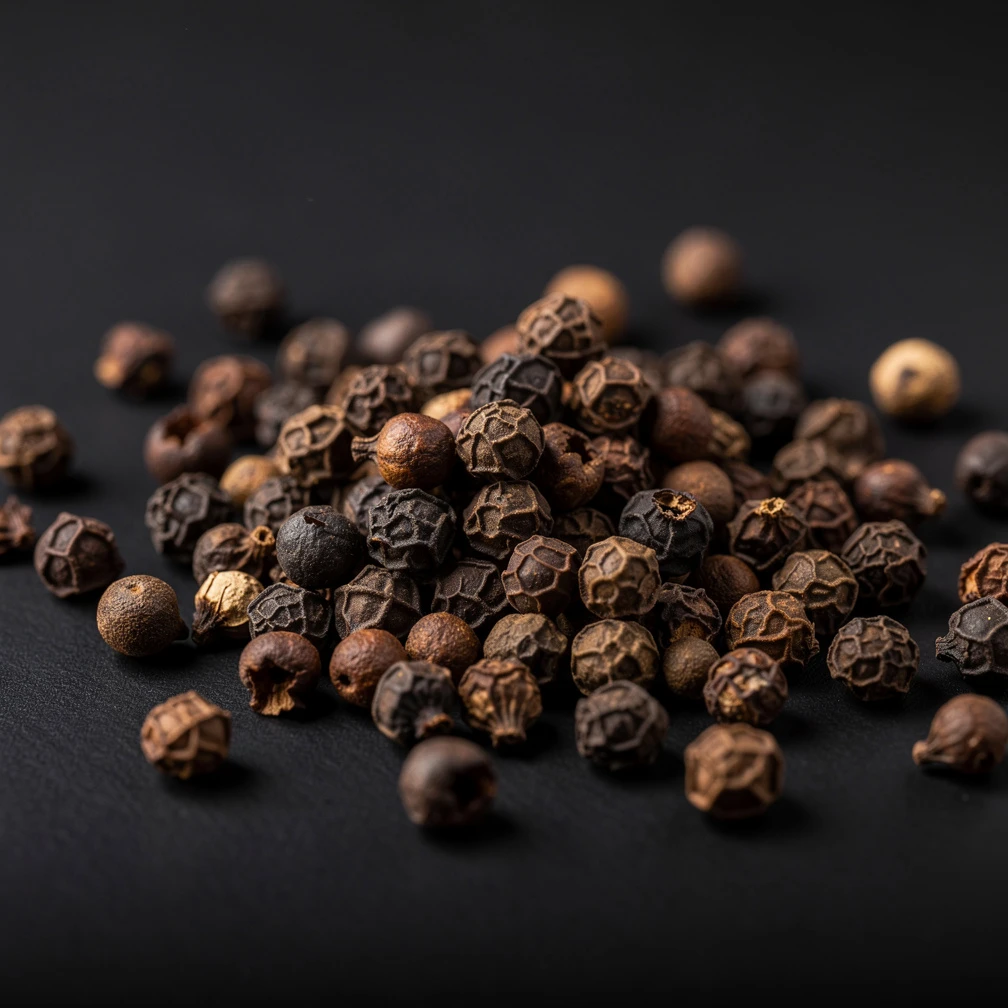
While black pepper held aromatic precedence for centuries, modern perfumers began exploring chili cultivars for their more pronounced green-fruity facets. Contemporary fragrance houses now source serrano-derived materials primarily from Mexican and Central American producers who understand the importance of harvesting at peak ripeness to preserve aromatic potential.
Wears it best
Fragrances featuring Serrano Pepper

Brands
Brands known for Serrano Pepper
Good to know
Questions, answered
The essentials on Serrano Pepper in perfumery: how it smells, where it comes from, and how it behaves on skin.
What does serrano pepper smell like in fragrance?
Serrano pepper delivers sharp, green-spicy freshness with an immediate biting quality. It smells like the moment you slice into a fresh chili: vegetal, slightly fruity, with intense heat that energizes a fragrance's opening.
Where does serrano pepper for perfumery come from?
Primary production centers on Mexico, where the pepper originated in the Sierra Madre highlands. Peru also supplies significant quantities, sharing similar agro-climatic conditions that produce peppers with consistent aromatic profiles.
How is serrano pepper extracted for fragrance use?
Solvent extraction yields the best results for fragrance applications. This method pulls the full spectrum of aromatic compounds from dried material without the thermal degradation that steam distillation causes.
Does serrano pepper appear in men's or women's fragrances?
Serrano pepper appears equally across gendered fragrance families. Its sharp, energetic quality suits modern masculine compositions, while its green-fruity warmth adds life to unisex and feminine fragrances.
What fragrance families use serrano pepper?
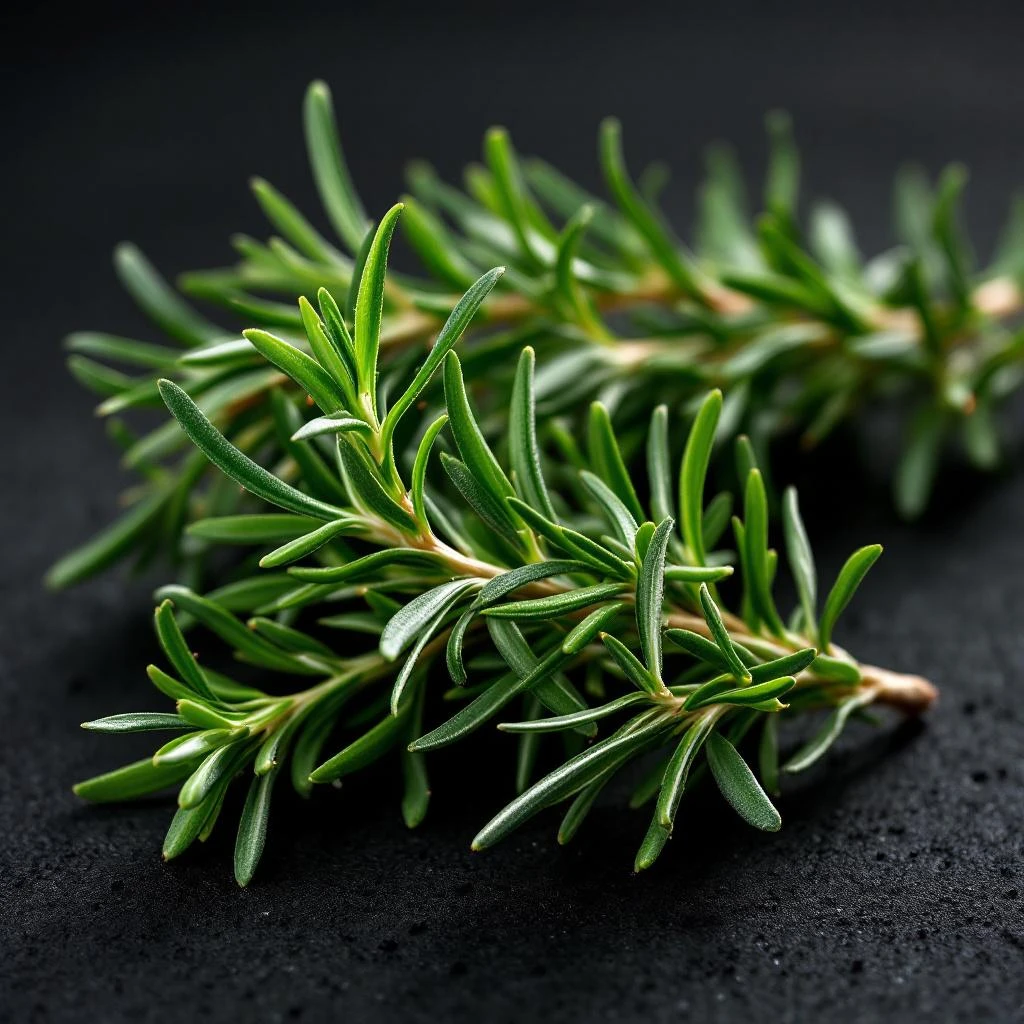
Serrano pepper functions as a top note in spicy, aromatic, and fougere compositions. It pairs naturally with basil, citrus, and herbs in fresh masculine scents, while working alongside cinnamon and cardamom in richer oriental structures.
How much serrano pepper is used in a typical fragrance?
Concentrations typically range from 0.5% to 2% in fragrance concentrates. The material's intensity demands restraint; overuse overwhelms a composition and creates a one-dimensional heat effect.
Is serrano pepper used as a natural or synthetic ingredient in perfumery?
Both natural and synthetic options exist. Natural serrano absolute captures the full complexity of the fresh pepper, while synthetic reproductions of key aromatic molecules provide consistency for large-scale production.
What is the botanical classification of serrano pepper?
Serrano pepper is Capsicum annuum, the same species as bell peppers and jalapeños. This Solanaceae family member produces small, elongated fruits ranging from 1 to 4 inches in length.