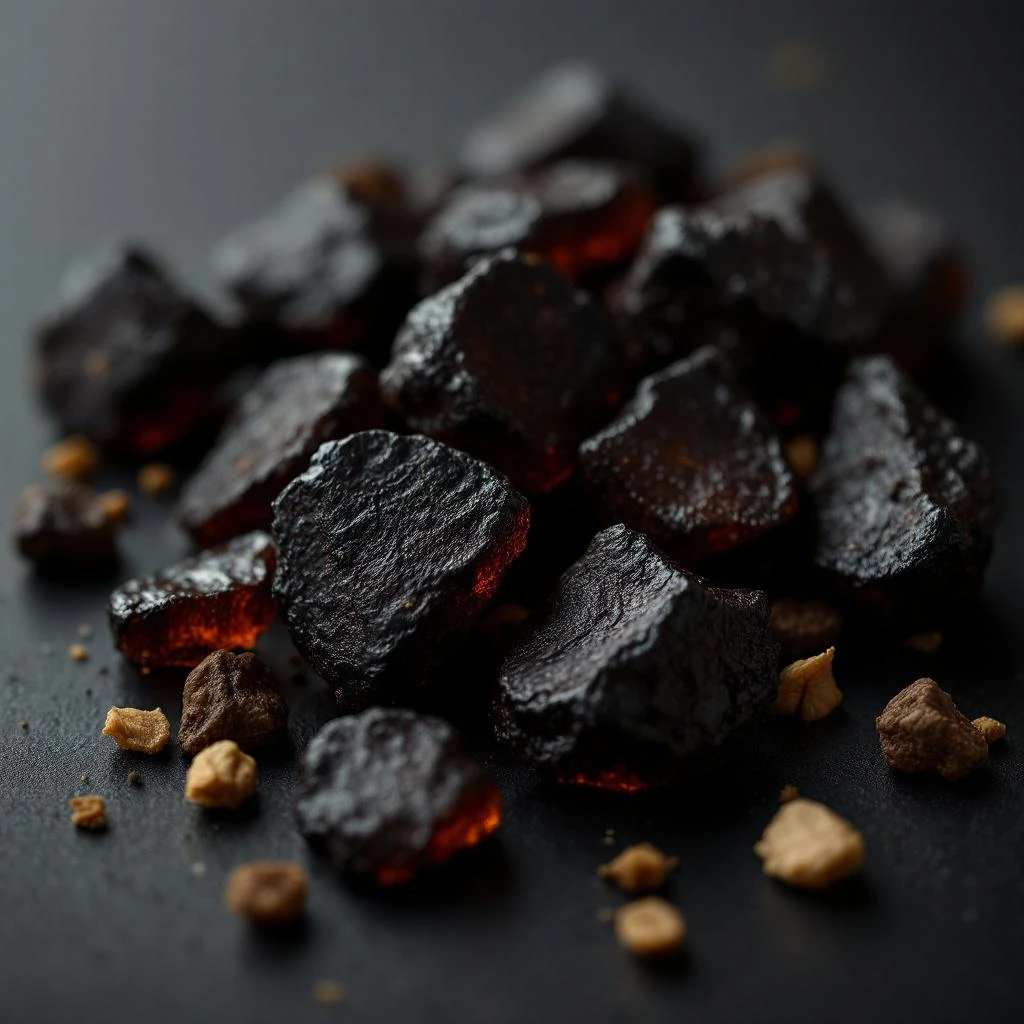
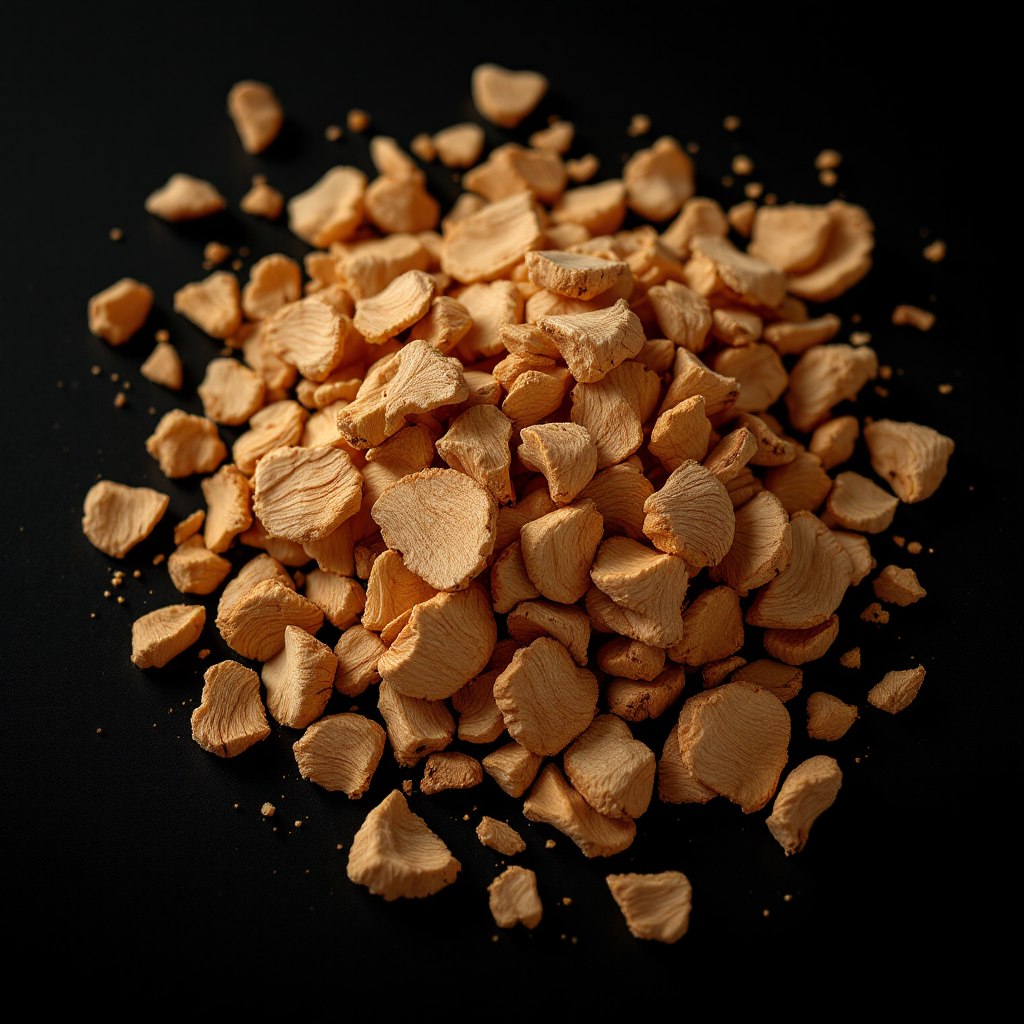
Sequoia Leaf
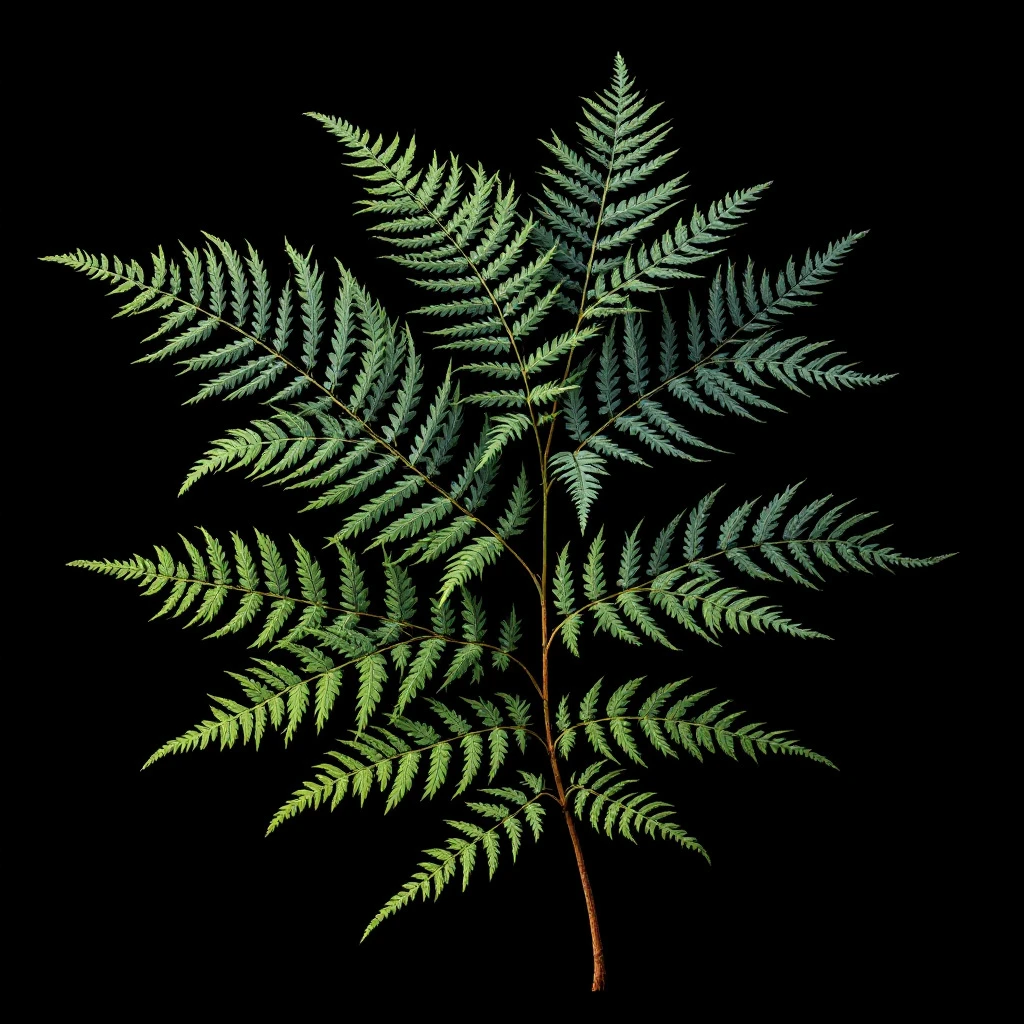
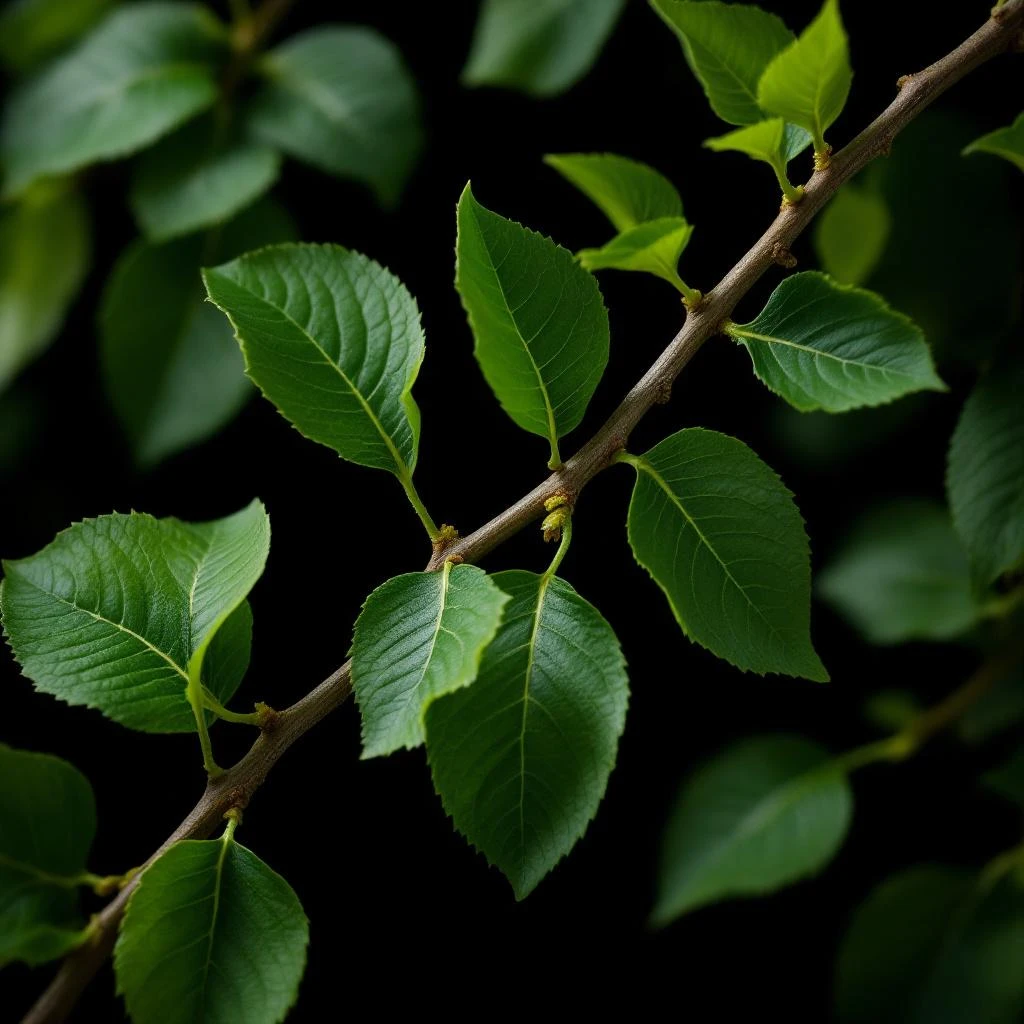
A breath of Pacific fog captured in coniferous clarity. Sequoia leaf lends a verdant, resinous freshness that anchors woody compositions with the quiet strength of ancient forests.
Character
How it smells
Ancient redwood, modern perfumery.
A single coast redwood absorbs up to 500 gallons of water daily, which may explain the intensely alive quality of sequoia leaf oil.

Origin
USA
The coast redwood (Sequoia sempervirens) evolved during the Miocene epoch roughly 20 million years ago and survived multiple glacial cycles that drove other species to extinction. Indigenous peoples of what is now coastal California and Oregon used sequoia bark and leaves in medicinal preparations for centuries before European contact.
The timber industry of the 1850s-1900s devastated old-growth stands, with some trees measuring over 1,000 years old felled in minutes. Conservation efforts culminating in the 1918 founding of Save the Redwoods League protected remaining ancient groves.
Today, sequoia remains culturally significant to Native American communities and ecological organizations. The perfumery use of sequoia leaf is a modern development, emerging as a sustainable alternative to whole-tree products and reflecting broader industry shifts toward ethical botanical sourcing.
Wears it best
Fragrances featuring Sequoia Leaf
Brands
Brands known for Sequoia Leaf
Good to know
Questions, answered
The essentials on Sequoia Leaf in perfumery: how it smells, where it comes from, and how it behaves on skin.
What does sequoia leaf smell like?
Sequoia leaf presents a green, coniferous aroma with resinous undertones. It is less aggressive than pine or fir needle, offering a deeper, earthier quality reminiscent of damp forest floors and bark rather than sharp evergreen needles.
Is sequoia leaf a rare perfume ingredient?
Sequoia leaf oil remains uncommon in perfumery. The primary reason is sourcing difficulty, as few commercial distillers produce it. Sustainable harvesting from needles collected during approved forest management makes this ingredient increasingly available.
What extraction method produces sequoia leaf oil?
Steam distillation is the standard method for sequoia leaf oil. Fresh needles are subjected to live steam, which ruptures the plant cells and carries volatile compounds into a condenser where oil and water separate.
Is sequoia leaf natural or synthetic?
Sequoia leaf is a natural ingredient sourced from Sequoia sempervirens. No widely-used synthetic equivalent exists. Sustainable leaf harvesting from existing forests ensures the ingredient remains botanical without endangering trees.
What fragrance families use sequoia leaf?
Sequoia leaf appears in woody, fougere, chypre, and aromatic fragrance families. It adds coniferous depth and green freshness, particularly effective in mens fragrances and nature-inspired compositions.
What ingredients pair well with sequoia leaf?
Sequoia leaf complements cedarwood, vetiver, oakmoss, and coniferous materials like pine and fir. It also pairs with citrus, labdanum, and herbal notes including sage and lavender.
What role does sequoia leaf play in fragrance composition?
Sequoia leaf functions primarily as a heart and base note, providing coniferous depth and green freshness that supports top notes. It acts as a bridge between bright citrus or herbal openings and richer woody or mossy bases.
Are there safety concerns with sequoia leaf?
As with many coniferous essential oils, sequoia leaf oil requires proper dilution. IFRA guidelines recommend maximum concentrations of 2-5% in finished fragrances. Sensitization testing is advised for cosmetic formulations.