Satureja
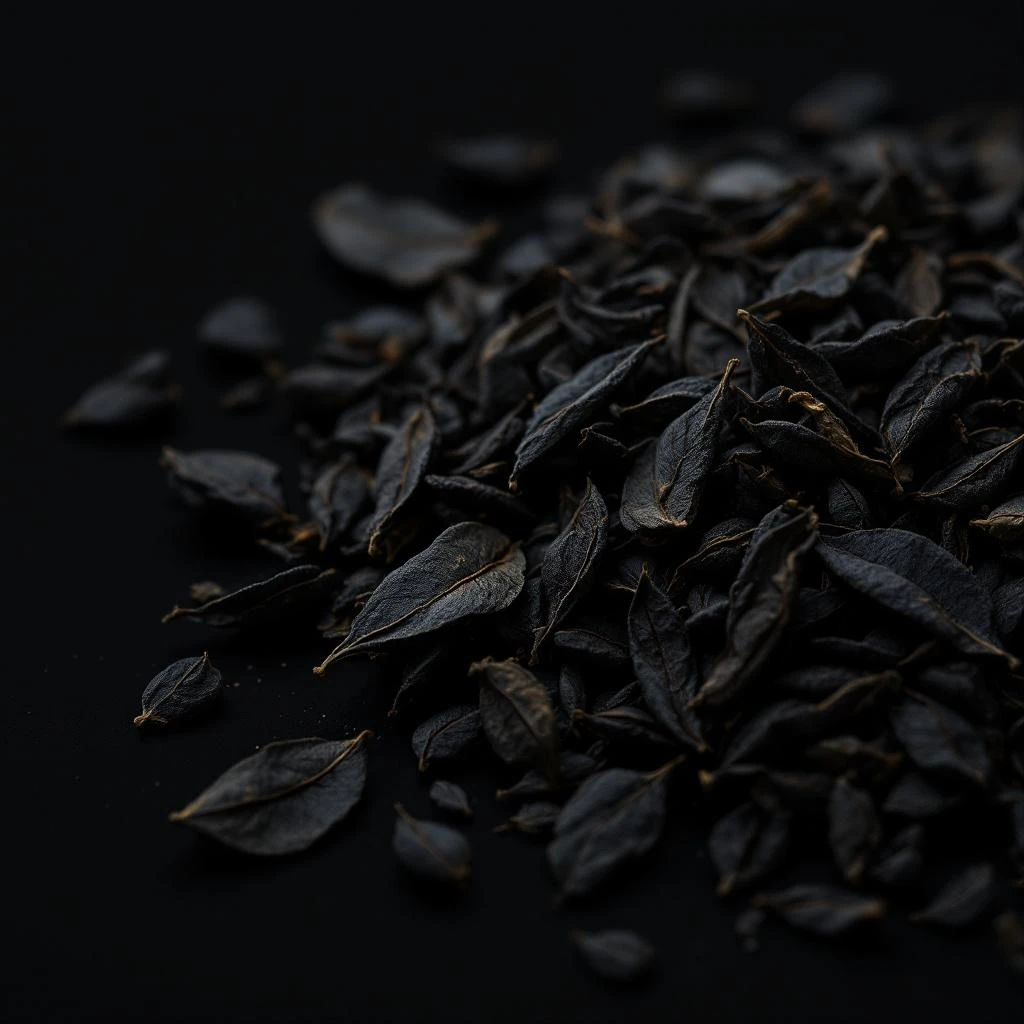
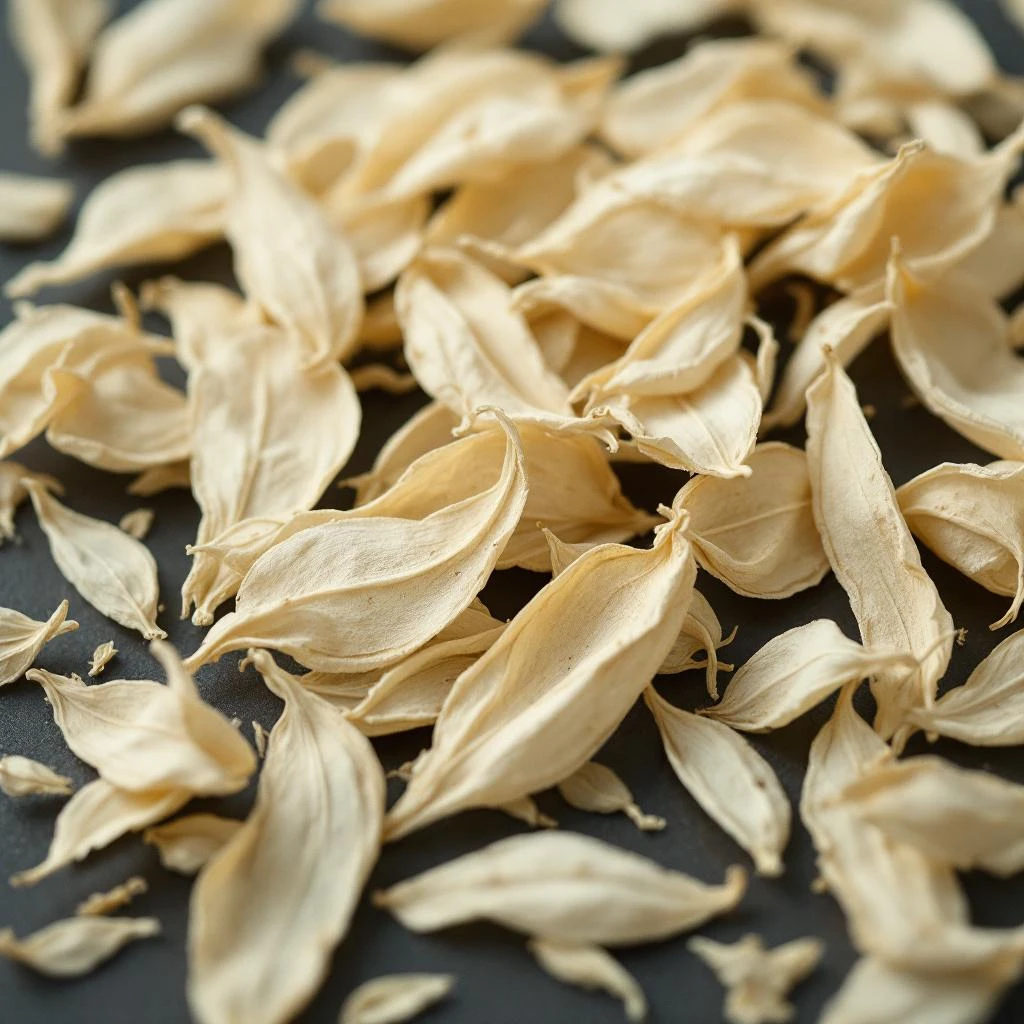
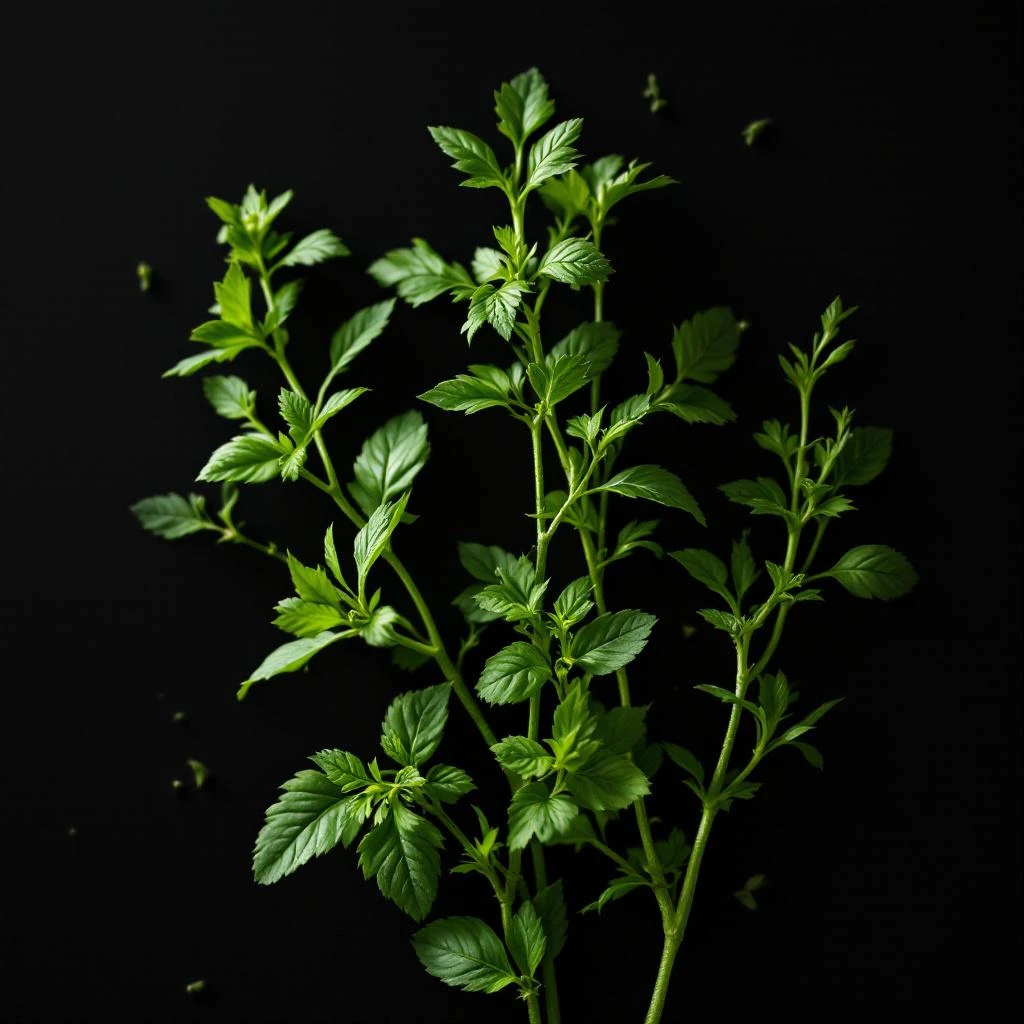
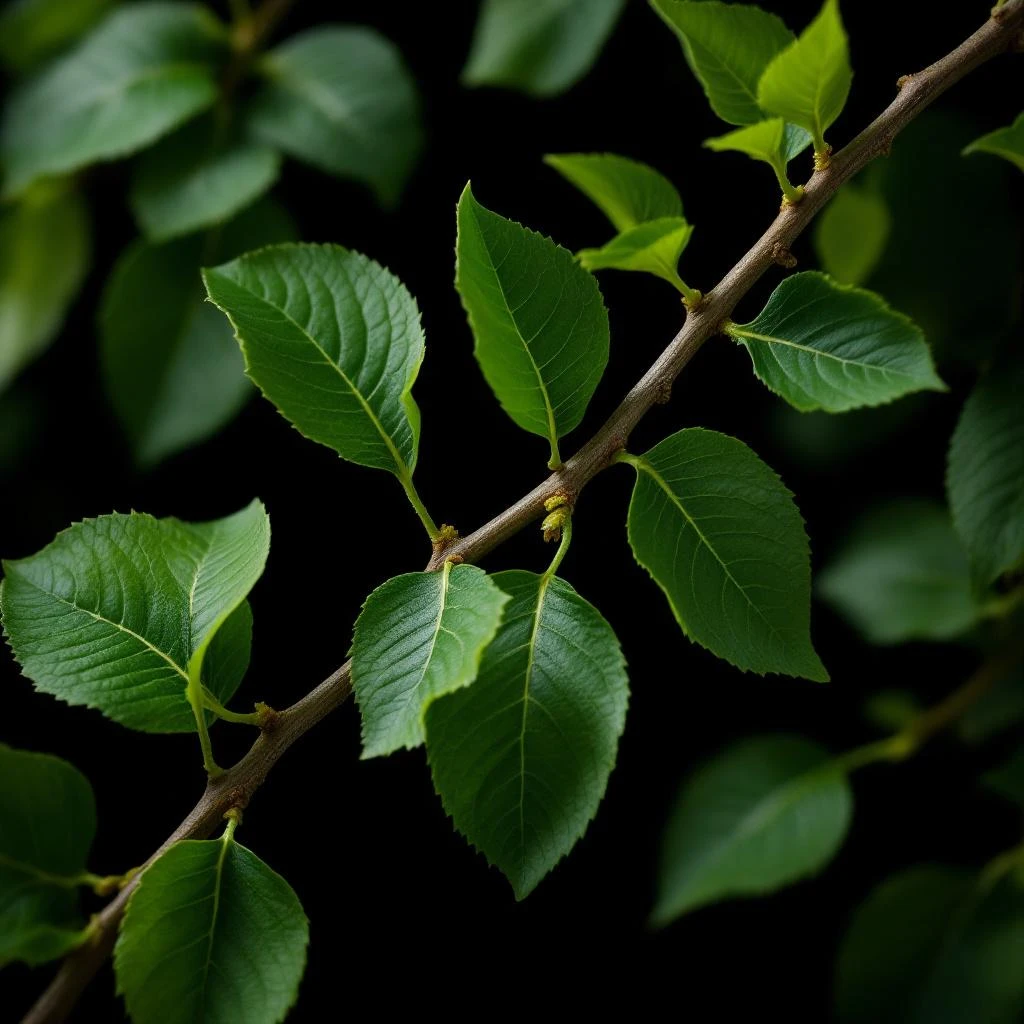
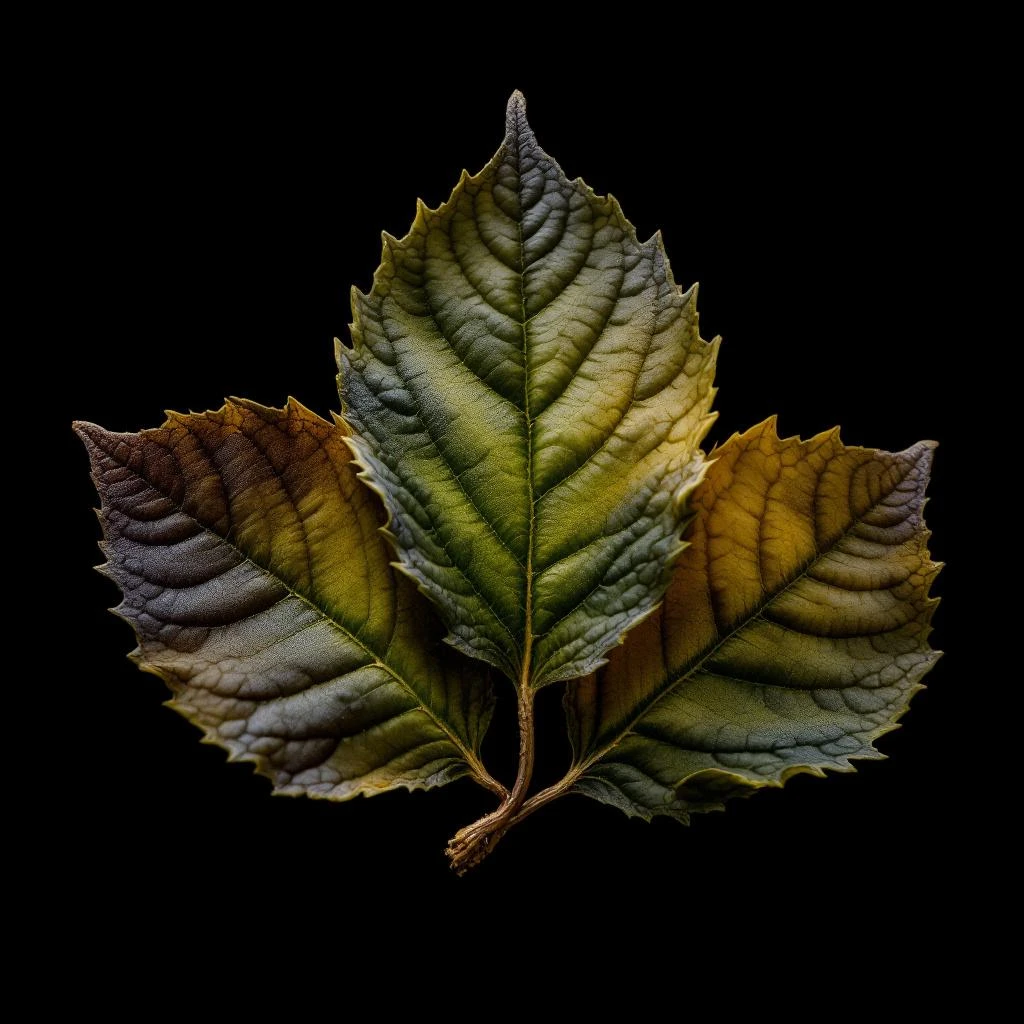
Satureja brings a green, herbaceous snap to fragrance, shaped by aromatic leaves and stems rather than sweetness.
Character
How it smells
A sharp herb note with Mediterranean character.
Its name comes from the Latin satureia, a word linked by scholars to the plant's longstanding use as a savory seasoning.

Origin
France
Satureja has a long association with the Mediterranean, where aromatic herbs shaped both household seasoning and traditional remedies. Its species were introduced into European herb gardens during the Middle Ages, and the plant became established in Britain by the seventeenth century. The same period saw distillation become central to the production of aromatic waters and essential oils, providing the technical foundation for later perfume manufacture.
Satureja oil entered this broader culture of distilled fragrance materials through its use as a pungent herb. It also became prominent in preparations associated with the Old World, including the vinegar of four thieves, an early antiseptic preparation containing Satureja. In modern perfumery, the oil lends herbal clarity to compositions that seek a natural, freshly cut character.
Its history connects kitchen herb, apothecary plant, and perfumery material, reflecting how aromatic plants have moved between practical and sensory uses for centuries.
Wears it best
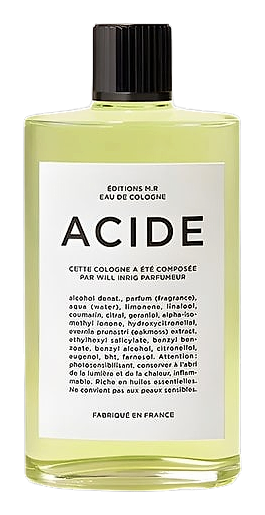
Fragrances featuring Satureja
Brands
Brands known for Satureja
Good to know
Questions, answered
The essentials on Satureja in perfumery: how it smells, where it comes from, and how it behaves on skin.
What scent does Satureja have?
Satureja has a strong green, aromatic, and peppery scent with herbal and thyme-like notes. It reads more dry and savory than sweet, often adding sharp definition to a fragrance.
Is Satureja the same as summer savory?
Yes. Satureja is the botanical name for summer savory, a culinary herb related to thyme. The name is used for several savory species, including Satureja hortensis and Satureja officinalis.
How is Satureja essential oil made?
Producers steam distill dried flowering leaves and tender stems of the Satureja plant. The resulting oil captures compounds such as carvacrol and thymol that give the herb its concentrated aroma.
Which part of the Satureja plant is used in perfumery?
Perfumers mainly use oil extracted from the leaves and tender stems, especially when the plant is flowering. These tissues contain the aromatic oils responsible for Satureja's green, peppery character.
Where does Satureja essential oil come from?
Satureja is cultivated across the Mediterranean and southeastern Europe. France is a notable production source, while Turkey, Albania, and other Balkan countries also grow the herb for essential oil.
Is Satureja suitable for beginner perfume discovery?
Satureja can be intense for beginners because its natural oil is strongly herbal and savory. In finished fragrance, it is usually blended with softer notes that make its dry, aromatic profile easier to perceive.
Does Satureja smell like thyme?
Often, yes, because both herbs contain related aromatic compounds such as thymol. Satureja usually appears greener and more peppery, while thyme can show sharper medicinal or camphor-like facets.
Why is Satureja used in traditional remedies?
Satureja has a long history in European herb medicine because of its aromatic, antiseptic properties. One famous example is vinegar of four thieves, an Old World preparation that included the herb among several aromatic ingredients.