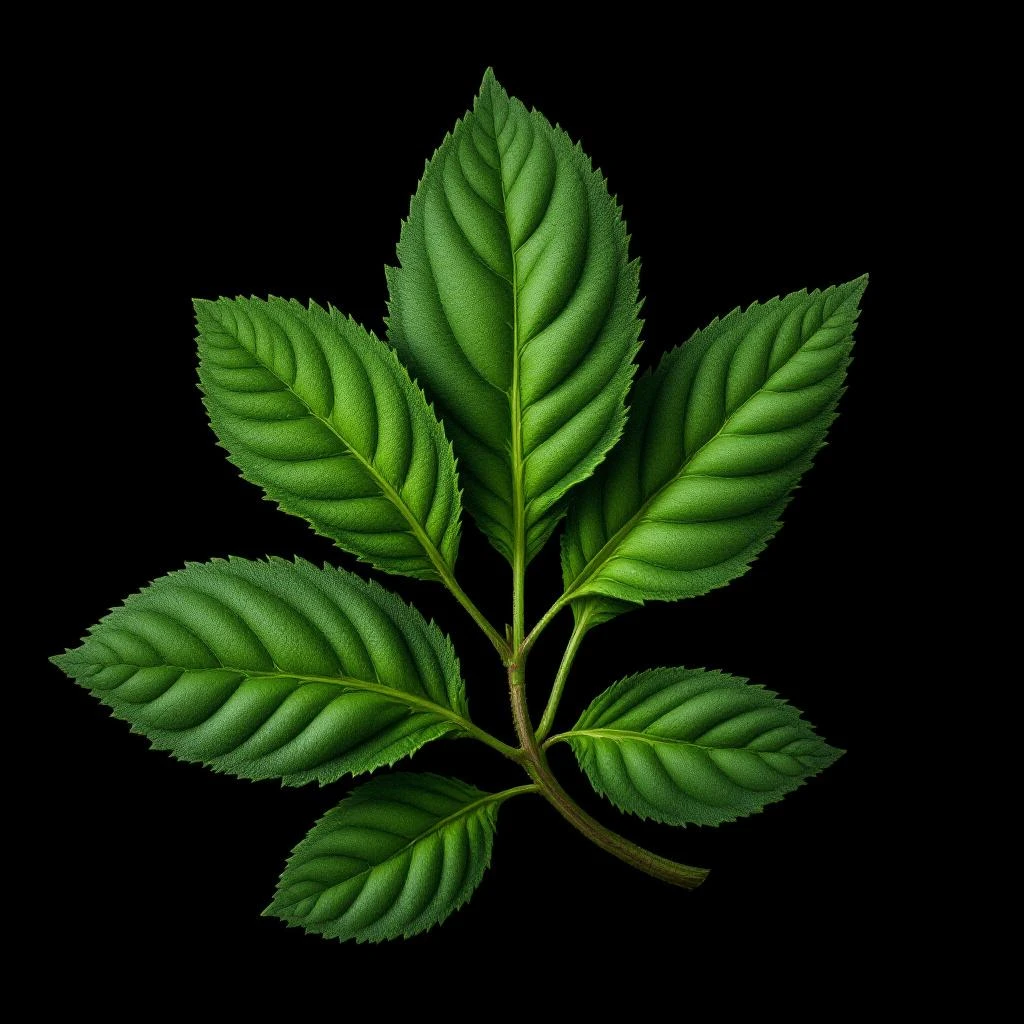
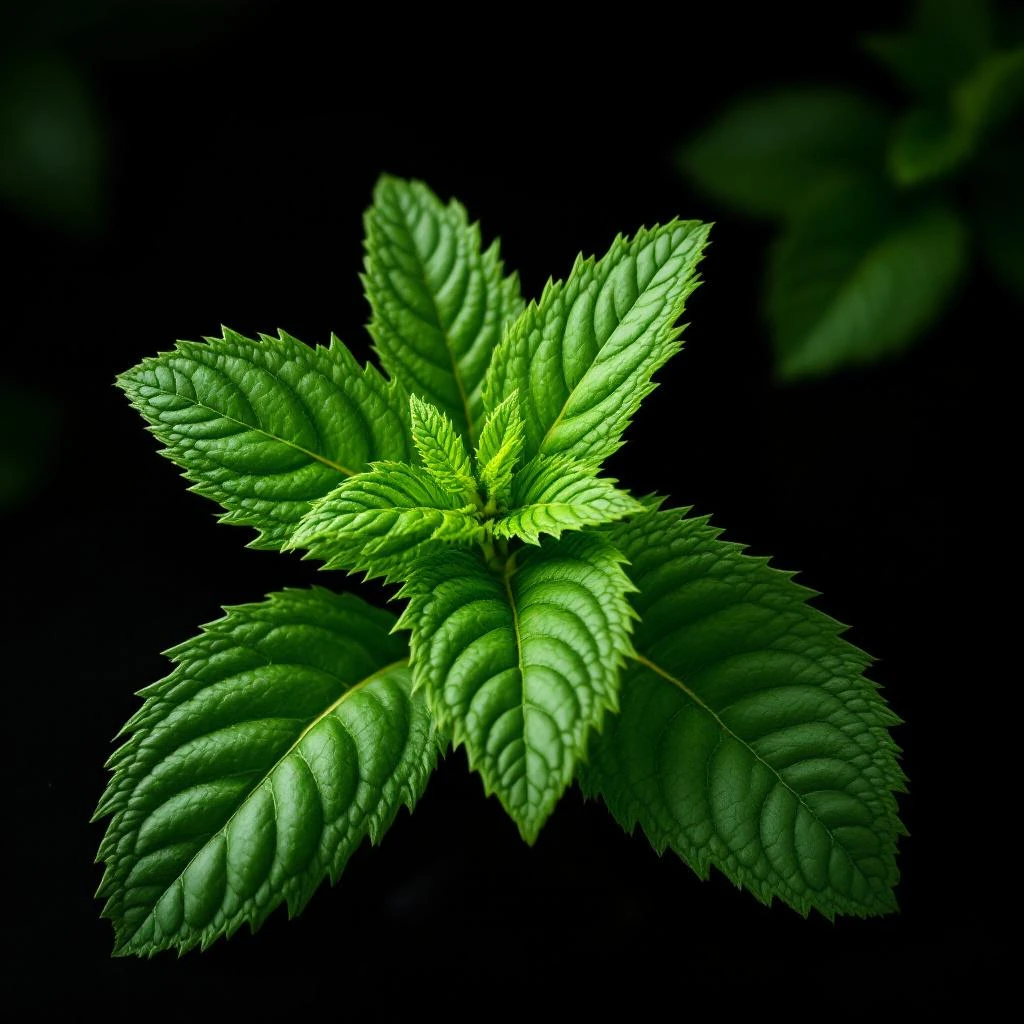
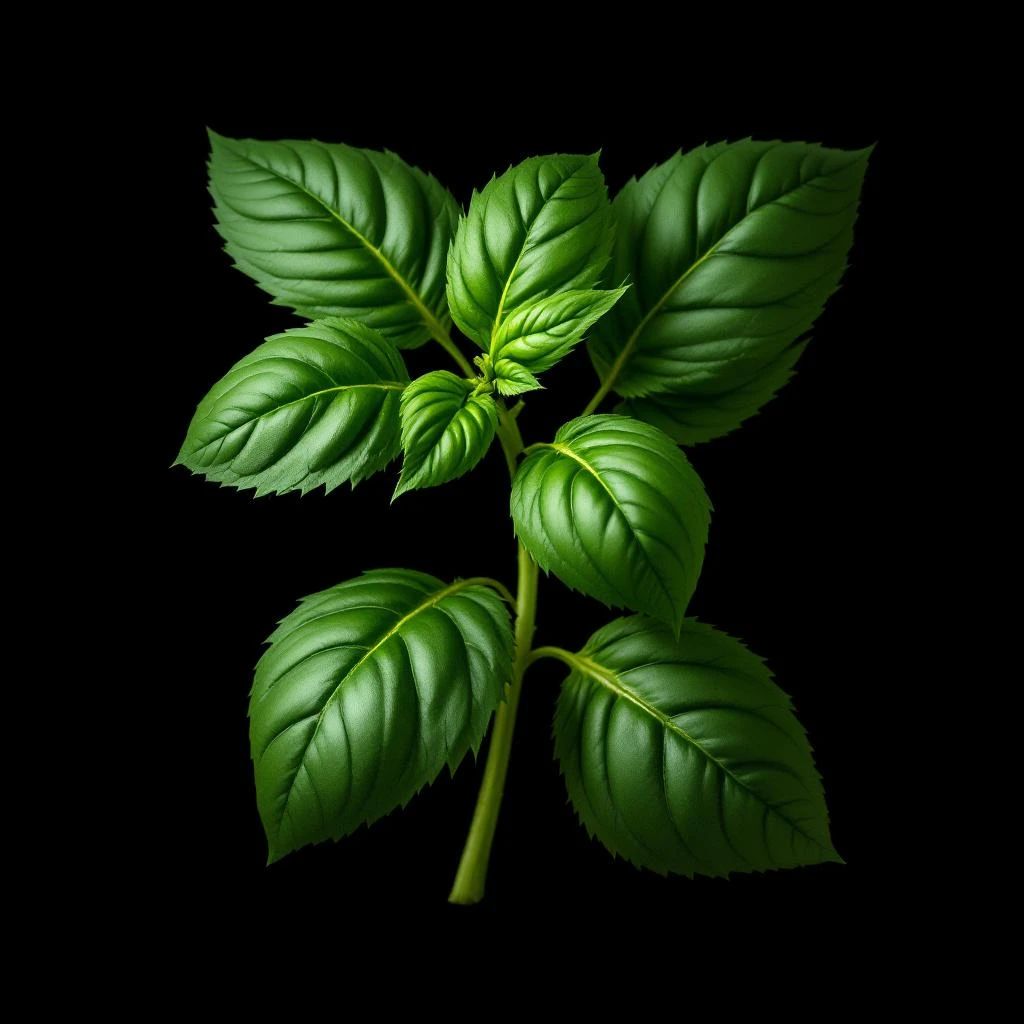
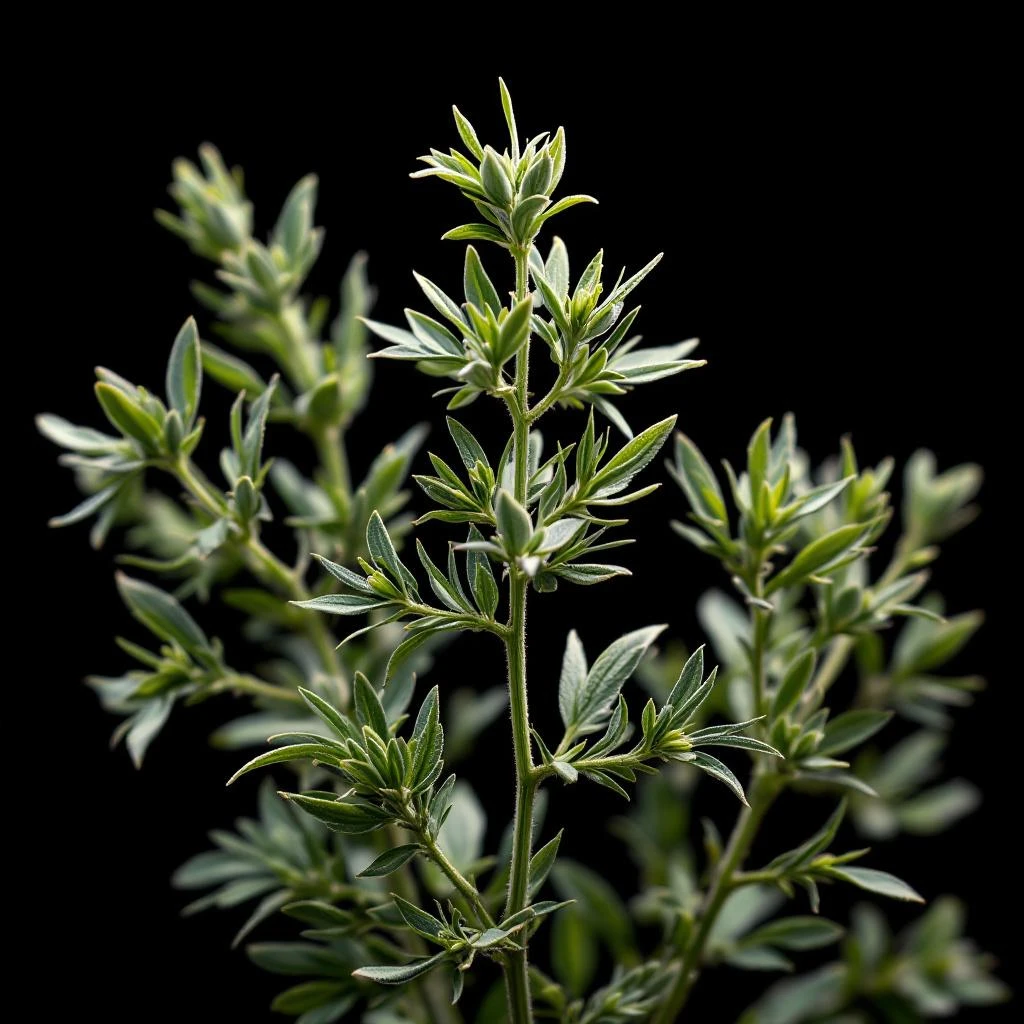
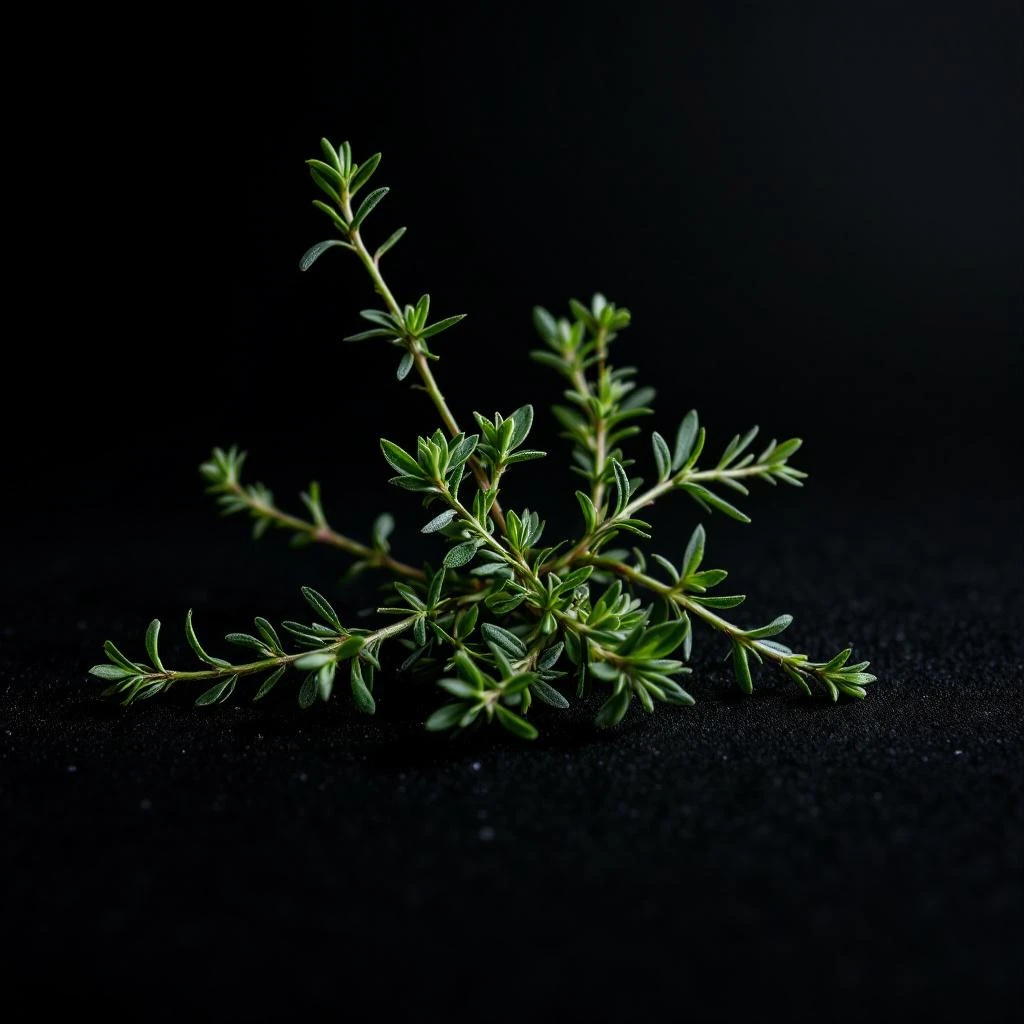
Valerian
Valerian root oil offers a green, balsamic, musky nuance that anchors modern blends, delivering earthy depth drawn from centuries‑old herbal traditions, and supports aromatic balance in sophisticated compositions.
Character
How it smells
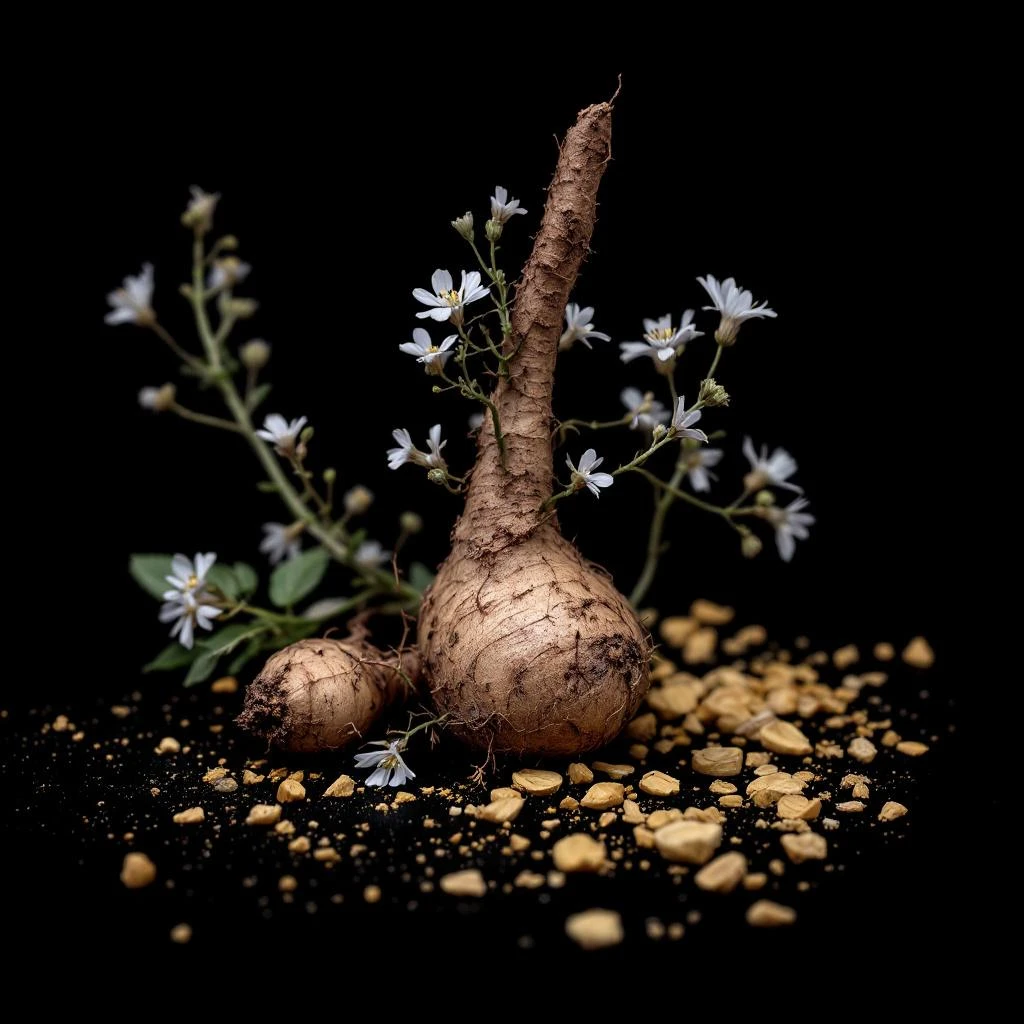
Green, balsamic musky – nature’s grounding note.
Valerian has been used since ancient Greece as a sleep aid; today its essential oil still appears in niche perfumes, linking modern scent art to a 2,000‑year medicinal legacy.







Origin
Germany
Valerian (Valeriana officinalis) grew wild across the steppes of Europe and western Asia, where ancient healers prized its sedative properties. Texts from Hippocrates mention a decoction of the root to calm restless patients, and Roman physicians recorded its use in night‑time rituals. By the Middle Ages, monastic gardens cultivated valerian for both medicine and fragrance, exporting dried roots along trade routes to the Levant.
The 19th‑century rise of modern perfumery saw distillers experiment with steam extraction, turning the plant’s musky essence into a rare ingredient for amber and chypre compositions. Despite the advent of synthetic aromatics, natural valerian survived as a niche note, valued for its authentic earthiness and its link to centuries of herbal practice.
Wears it best
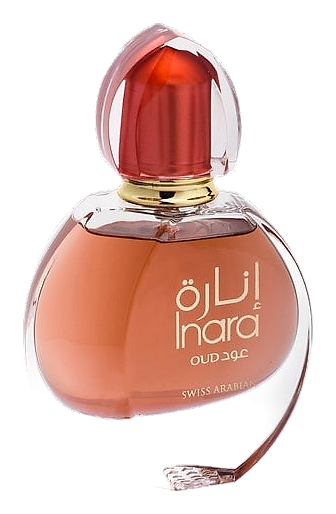
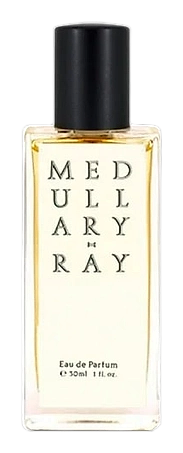
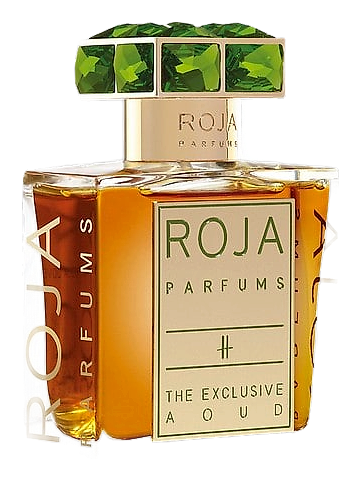
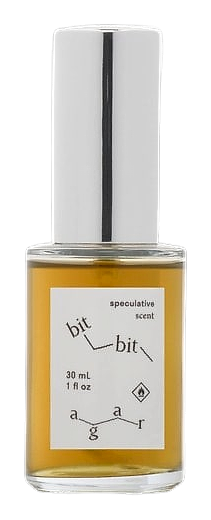
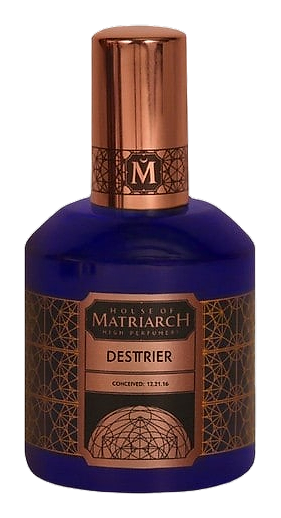
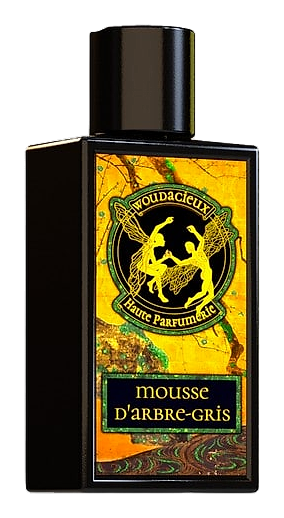
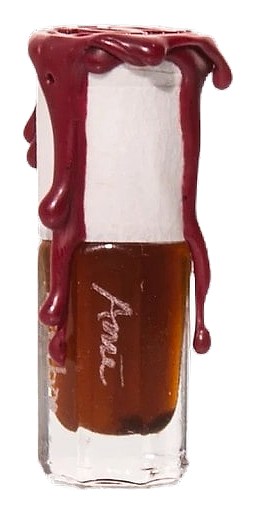
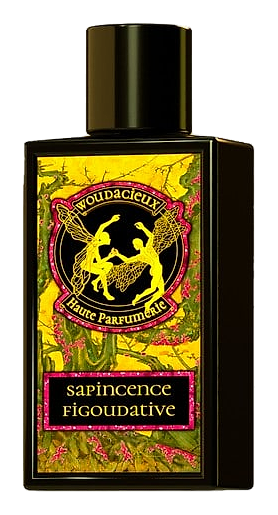
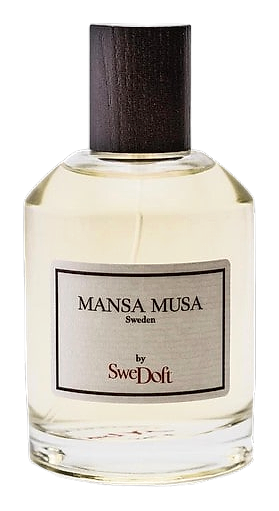
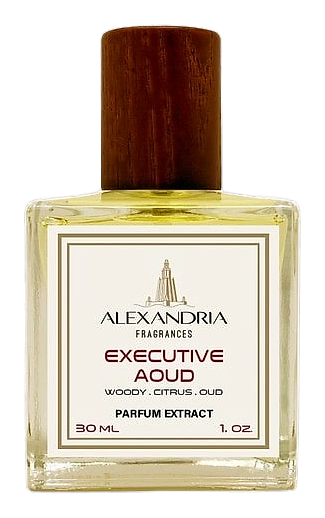
Fragrances featuring Valerian
Good to know
Questions, answered
The essentials on Valerian in perfumery: how it smells, where it comes from, and how it behaves on skin.
What scent profile does valerian root oil contribute to a perfume?
Valerian root oil adds a green, balsamic, musky note that grounds compositions. A 2021 analysis recorded its main constituents as valerenic acid and isovaleric acid, delivering a subtle earthy character. It blends well with citrus, lavender, and amber, providing depth without overpowering the top accords.
Is valerian root oil safe for skin contact in fragrance applications?
Yes, it is safe when used below 0.5% in leave‑on products. The International Fragrance Association set the limit at 0.5% after a 2018 safety review that found no irritation at that concentration. Formulators typically dilute the oil in a carrier such as ethanol or dipropylene glycol to ensure even distribution.
What is the typical yield of essential oil from valerian roots?
Yield averages 0.05–0.1% by weight after steam distillation. A 2020 study in Germany reported 0.08% oil from 1,000 kg of dried roots, reflecting the low concentration of volatile compounds. This modest output makes valerian a specialty ingredient, often blended with more abundant notes to achieve balance.
How does valerian root oil differ from synthetic substitutes?
Natural valerian oil contains a complex mix of terpenoids and acids, while synthetics mimic only a few key molecules. In 2017, the European Union recorded 12% of valerian‑based fragrances still relied on natural extracts, underscoring the preference for authenticity. These nuances affect both scent depth and perceived naturalness.
What regions produce the highest quality valerian roots?
The Czech Republic and western Germany are renowned for their fertile loess soils that support robust valerian growth. A 2019 agricultural report noted that farms in the Bohemian region yielded roots with 15% higher valerenic acid content than neighboring areas.
Can valerian oil be used in aromatherapy for relaxation?
Yes, inhalation of diluted valerian oil can promote calmness. Clinical trials in 2015 showed a 30% reduction in self‑reported anxiety scores after a 15‑minute exposure to 0.2% valerian vapor. The effect is attributed to the interaction of valerenic acid with GABA receptors in the brain.
What storage conditions preserve valerian essential oil quality?
Store the oil in dark glass bottles at temperatures below 20 °C, away from light and oxygen. A 2022 stability test recorded a 12% loss of key aroma compounds after six months when exposed to ambient light. Sealing the cap tightly and refrigerating further extends its shelf life.
Is valerian oil compatible with other common fragrance families?
Valerian blends smoothly with woody, amber, and citrus families, adding depth without clashing. In a 2021 blending trial, perfumers achieved a balanced accord by mixing 5% valerian oil with 20% bergamot and 15% cedarwood, resulting in a harmonious composition. The result retained the fresh top notes while grounding the scent.