Sandalore
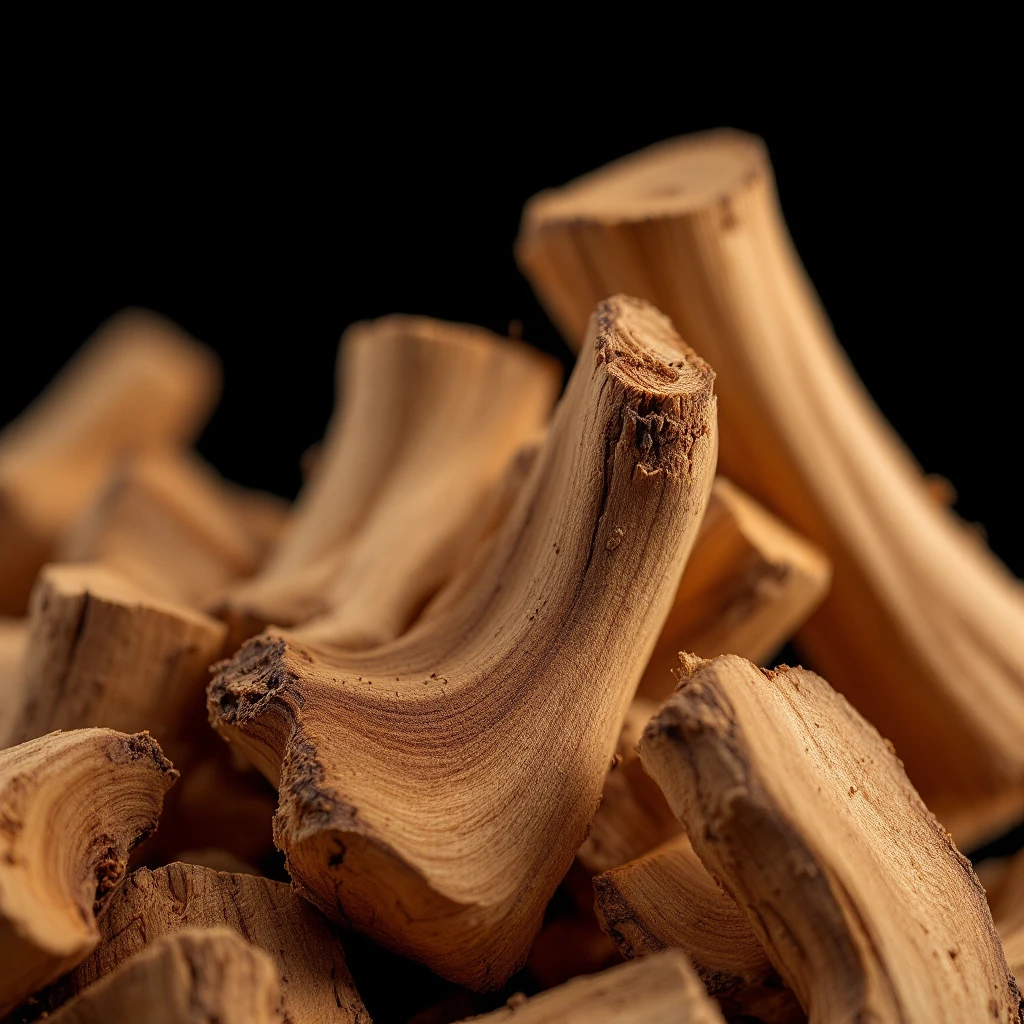
Sandalore captures the warm, creamy heart of sandalwood without depleting endangered trees. This synthetic alternative delivers the same beloved woody warmth perfumers have prized for millennia, offering consistency and sustainability in every bottle.
Character
How it smells
The sustainable soul of sandalwood, recreated in the lab.
Sandalore was developed to protect Indian sandalwood populations, which take 30+ years to mature before their heartwood develops scent.






Origin
Germany
While natural sandalwood has anchored perfumery for 4,000 years, Sandalore emerged as a scientific response to an ecological crisis. Indian sandalwood populations faced severe depletion by the late 20th century, prompting fragrance chemists to synthesize alternatives that could replicate its distinctive creamy, woody warmth. The compound draws inspiration from the same aromatic heritage that ancient Arab perfumers understood when they first powdered sandalwood into solid perfumes, and the tradition documented in Indian texts from 700 BC.
By creating Sandalore, chemists ensured that future generations of perfumers could continue working with sandalwood's signature character without contributing to habitat destruction. Today, synthetic sandalwoods like Sandalore allow perfumers to honor centuries of olfactory tradition while embracing modern sustainability practices.
Wears it best
Fragrances featuring Sandalore
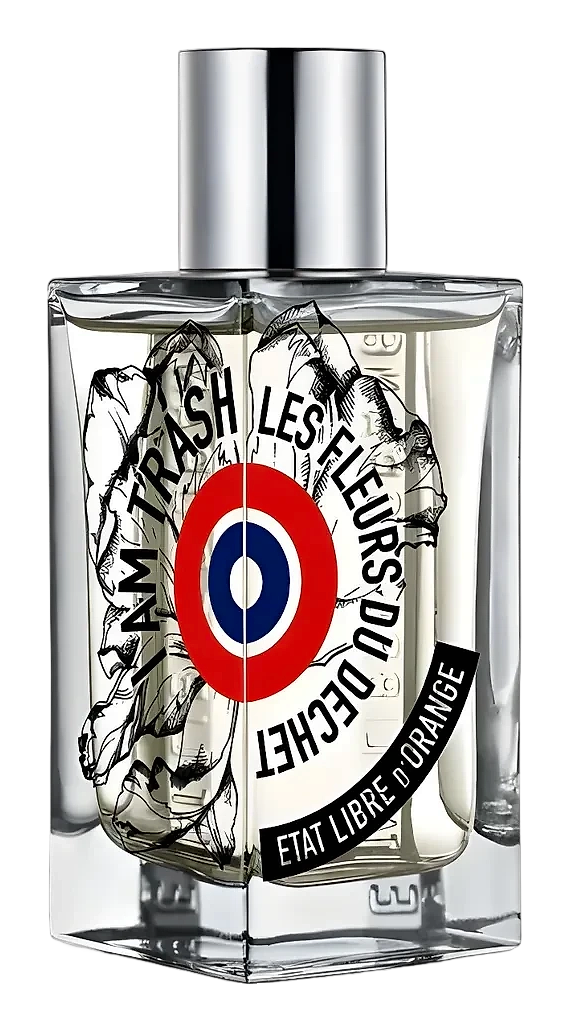
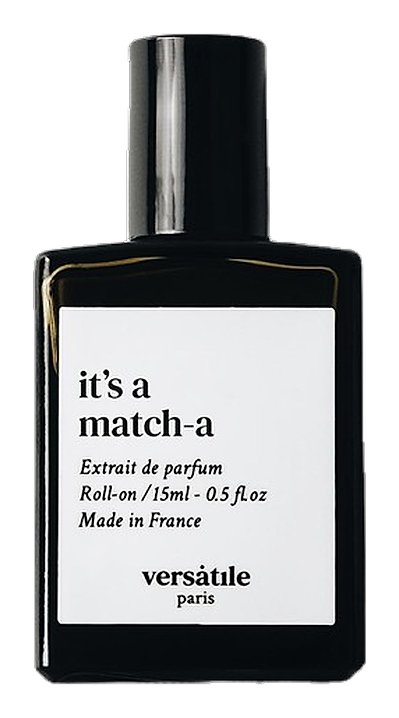
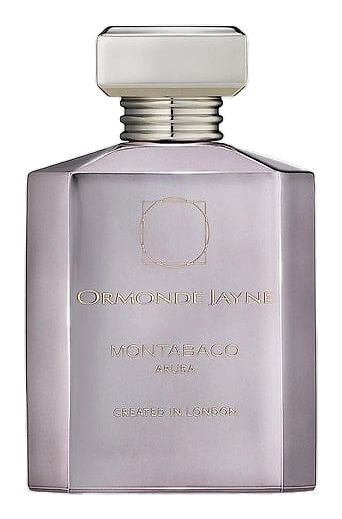


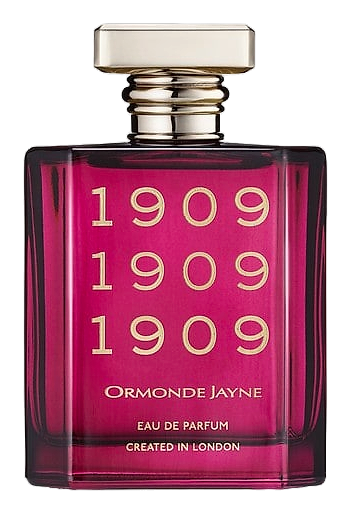

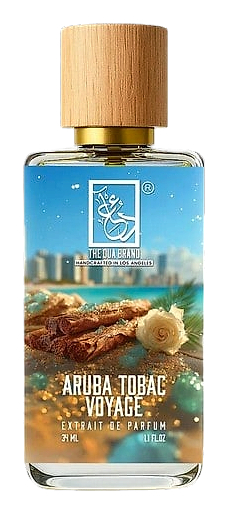
Brands
Brands known for Sandalore
Good to know
Questions, answered
The essentials on Sandalore in perfumery: how it smells, where it comes from, and how it behaves on skin.
What is Sandalore in perfumery?
Sandalore is a fully synthetic sandalwood aroma chemical. It replicates the warm, creamy woody scent of natural sandalwood through multi-step chemical synthesis rather than plant extraction.
How does Sandalore differ from natural sandalwood oil?
Natural sandalwood oil comes from the steam-distilled heartwood of Santalum trees. Sandalore is entirely lab-created, offering consistent quality without the variability or environmental concerns of natural sources.
Why was Sandalore developed?
Fragrance chemists developed Sandalore to address sandalwood scarcity. Indian sandalwood trees require 30+ years to mature, making sustainable harvesting increasingly difficult as demand grew.
What scent characteristics does Sandalore provide?
Sandalore delivers the characteristic creamy, milky woodiness of sandalwood with subtle creamy and slightly vanillic nuances that make it nearly indistinguishable from natural oil in formulations.
Is Sandalore considered sustainable?
Yes. Sandalore eliminates the need to harvest slow-growing sandalwood trees, reducing pressure on endangered species while providing a consistent, renewable fragrance ingredient.
Which fragrance families use Sandalore?
Sandalore appears primarily in woody, oriental, and chypre compositions. It serves as a base note that adds depth and creamy warmth to both men's and women's fragrances.
Can Sandalore replace natural sandalwood in formulas?
In most fragrance applications, Sandalore functions as an effective substitute. It provides similar olfactory characteristics while offering greater formulation flexibility and supply stability.
What is the history of synthetic sandalwood in perfumery?
The fragrance industry required 60 years after initial organic chemistry breakthroughs to commercially produce reliable synthetic sandalwood alternatives, with Sandalore becoming a key innovation in sustainable perfumery.