Salted Licorice
Salted licorice brings a bold, Nordic contrast to perfumery: the warm sweetness of roasted root meets sharp mineral salinity, creating a note that is simultaneously comforting and confrontational. This savory-sweet tension defines a growing movement in modern fragrance design.

Character
How it smells
Where Nordic salt meets ancient root
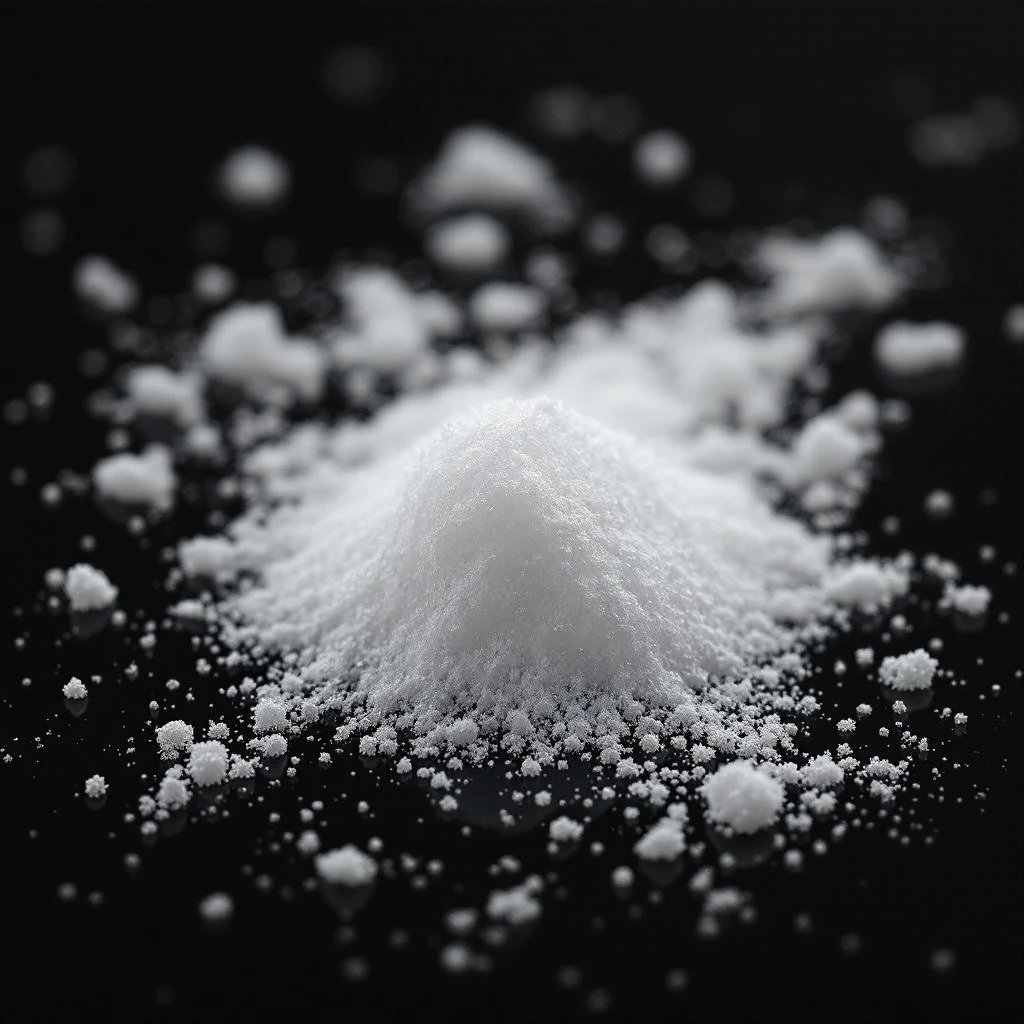
Ammonium chloride, the compound behind salted licorice's signature bite, was first used medicinally in ancient Egypt as a flux for soldering metals.





Origin
China
The licorice plant traces its roots through millennia of human use, appearing in ancient Egyptian medical texts and Mesopotamian clay tablets. Traditional Chinese medicine relied on licorice root for its harmonizing properties. However, the salted variation emerged distinctly in Northern Europe, particularly in Finland, Sweden, and the Netherlands, where confectioners began adding ammonium chloride to licorice candy in the 19th century.
This salty twist became deeply embedded in Nordic culinary culture, eventually crossing into perfumery as fragrance creators sought unexpected accords. The note gained traction in masculine and unisex compositions during the late 20th century, valued for its ability to subvert expectations and create memorable, polarizing fragrances that refuse to be easily categorized.
Wears it best
Fragrances featuring Salted Licorice

Brands
Brands known for Salted Licorice
Good to know
Questions, answered
The essentials on Salted Licorice in perfumery: how it smells, where it comes from, and how it behaves on skin.
What does salted licorice smell like in perfume?
Salted licorice delivers a dual impression: the warm, slightly anise-like sweetness of roasted root paired with a sharp, mineral salinity. The effect is simultaneously familiar and unsettling, like闻到海风中漂浮的甘草糖。
Is salted licorice a natural or synthetic ingredient in perfumery?
Both forms exist. Natural licorice absolute comes from root extraction, while salted versions often incorporate ammonium chloride, which may be synthetically produced or derived from mineral sources.
Which fragrance families commonly use salted licorice?
Salted licorice appears primarily in oriental, leather, and masculine fragrance families. It works particularly well in compositions seeking an unconventional edge or a culinary-inspired twist.
Does salted licorice smell like the candy?
It captures the candy's essence but in a more refined form. The note combines licorice's characteristic warmth with pronounced saltiness, though perfumers typically modulate intensity for wearability.
What chemistry creates the salted effect in perfumery?
Ammonium chloride provides the distinctive salty bite, while glycyrrhizin and related compounds deliver the characteristic licorice sweetness. Together they recreate the Nordic confection's signature tension.
What ingredients pair well with salted licorice in fragrance?
Salted licorice complements marine notes, dark woods, tobacco, and warm spices. These pairings enhance either the salty or sweet dimension, creating cohesive compositions.
Is licorice extract used in traditional perfumery separate from salted licorice?
Yes. Plain licorice extract offers sweet, slightly medicinal warmth used in oriental bases. Salted licorice adds the mineral-salty dimension, creating a more assertive and contemporary effect.
Why did salted licorice become popular in modern perfumery?
The note embodies a broader perfumery trend toward unexpected, challenging accords. Its Nordic heritage and culinary association brought new creative possibilities to fragrance composition.