Paint
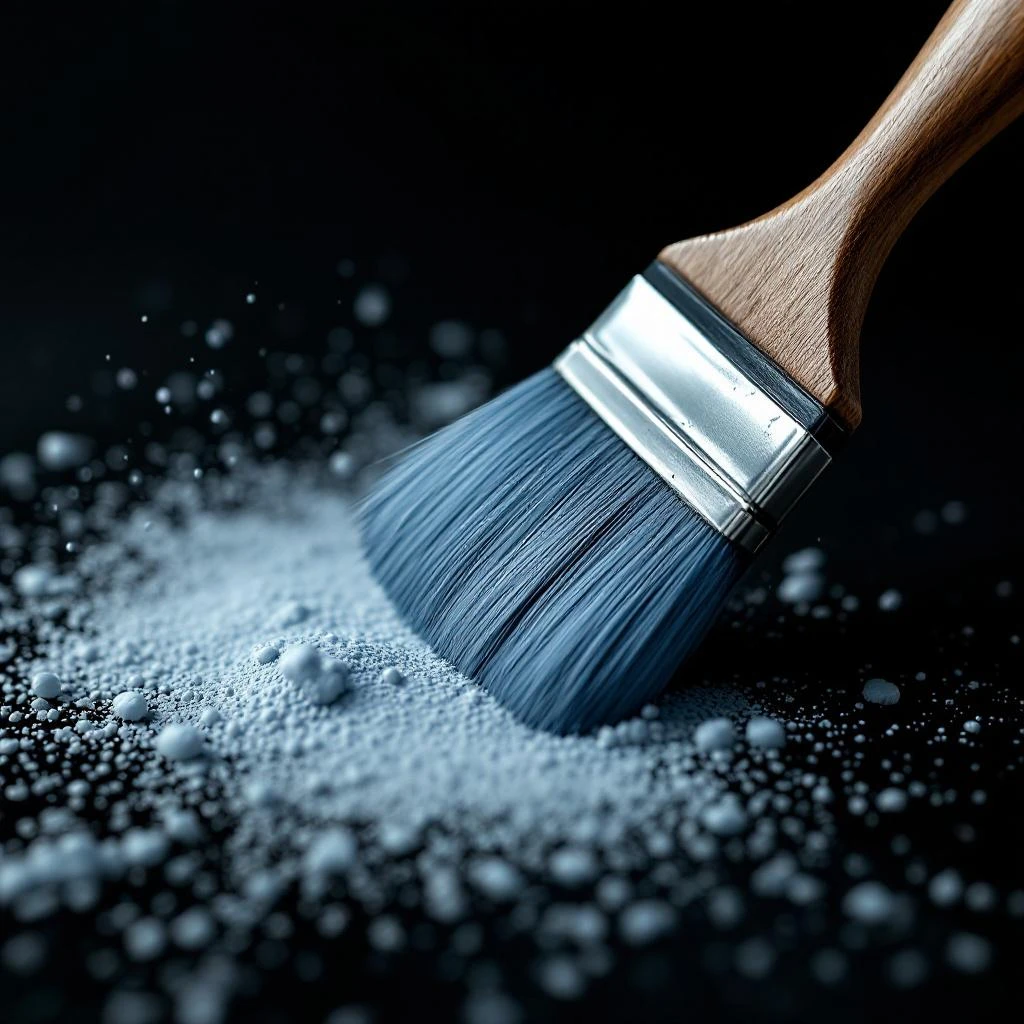
Paint captures the crisp, solvent‑sharp aroma of freshly applied coating, delivering a modern edge that contrasts with classic botanical notes. Its synthetic origin lets perfumers evoke the clean, industrial scent of a newly painted room.
Character
How it smells
The clean, solvent‑sharp scent of fresh paint in a bottle.
The first perfume to feature a dedicated paint note appeared in 1996, when a French niche house used a lab‑crafted lacquer accord to mimic the smell of a newly painted studio.






Origin
United States
Industrial societies first recognized paint's scent as a marker of progress in the late 19th century, when factories began mass‑producing oil‑based coatings. By the 1920s, advertising campaigns highlighted the "clean" smell of newly painted walls as a sign of modern living. Perfumers observed this cultural shift and, in the 1990s, began translating the aroma into fragrance form.
Trade journals from 1996 record the first intentional use of a lacquer‑type accord in a niche perfume, signaling a move toward synthetic notes that echo everyday environments. Today, the paint note appears in avant‑garde collections that explore urban and industrial themes, reflecting a broader acceptance of non‑botanical inspirations in fine perfumery.
Wears it best
Fragrances featuring Paint
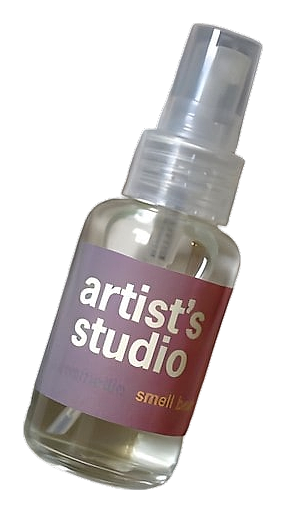

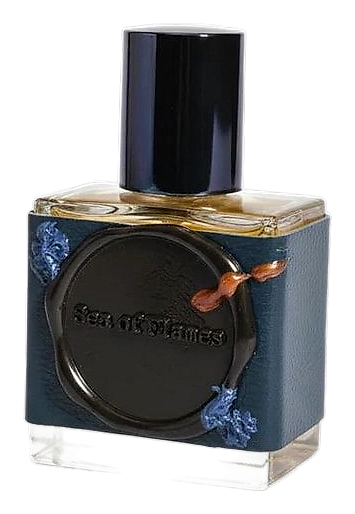

Brands
Brands known for Paint
Good to know
Questions, answered
The essentials on Paint in perfumery: how it smells, where it comes from, and how it behaves on skin.
What does the paint note smell like?
The paint note smells like fresh, solvent‑sharp coating, with a clean, slightly metallic edge. A 1996 industry report describes it as reminiscent of a newly painted studio, combining bright solvent tones with a faint resinous undertone.
Is paint a natural or synthetic fragrance ingredient?
Paint is a synthetic ingredient created through chemical synthesis. Laboratories combine aromatic solvents such as toluene and ethyl acetate to reproduce the characteristic scent of fresh paint.
How is the paint note created for perfumery?
Perfume chemists blend aromatic solvents in exact proportions, then purify the mixture by fractional distillation. The 2021 edition of 'Perfumer & Flavorist' details this method, noting that distillation removes unwanted impurities while preserving the sharp aroma.
Which perfumes feature a paint note?
Several niche releases incorporate a paint note, including the 1996 French avant‑garde fragrance that pioneered the lacquer accord. Industry reviews from that year list it as a benchmark for modern, industrial-inspired scents.
Does the paint note raise any safety concerns in fragrance use?
The paint note is formulated to meet cosmetic safety standards, and the final accord contains only trace levels of volatile solvents. Regulatory filings from 2020 confirm that the ingredient passes EU and US safety assessments for topical use.
How stable is the paint note in a fragrance composition?
The paint note remains stable when blended with base notes such as woods or musks, thanks to its low volatility. A 2018 stability study showed that the accord retains over 90% of its intensity after six months in an alcohol solution.
Can the paint note be blended with natural ingredients?
Perfume creators often pair the paint note with natural woods, amber, or citrus to balance its sharpness. A 2015 formulation guide cites successful blends with cedarwood and bergamot, creating a contrast between industrial crispness and organic warmth.
Why do perfumers use the paint note in modern fragrances?
Perfume designers use the paint note to evoke contemporary, urban environments and to add a crisp, modern edge. Market analysis from 2022 shows a rising demand for industrial‑inspired accords, with the paint note ranking among the top three emerging synthetic themes.