Salicylic Acid
From ancient willow remedies to modern fragrance fixatives, salicylic acid bridges millennia of aromatic history. Its esters deliver cool, green, medicinal notes that anchor and stabilize compositions.
Character
How it smells
Willow's gift to fragrance chemistry
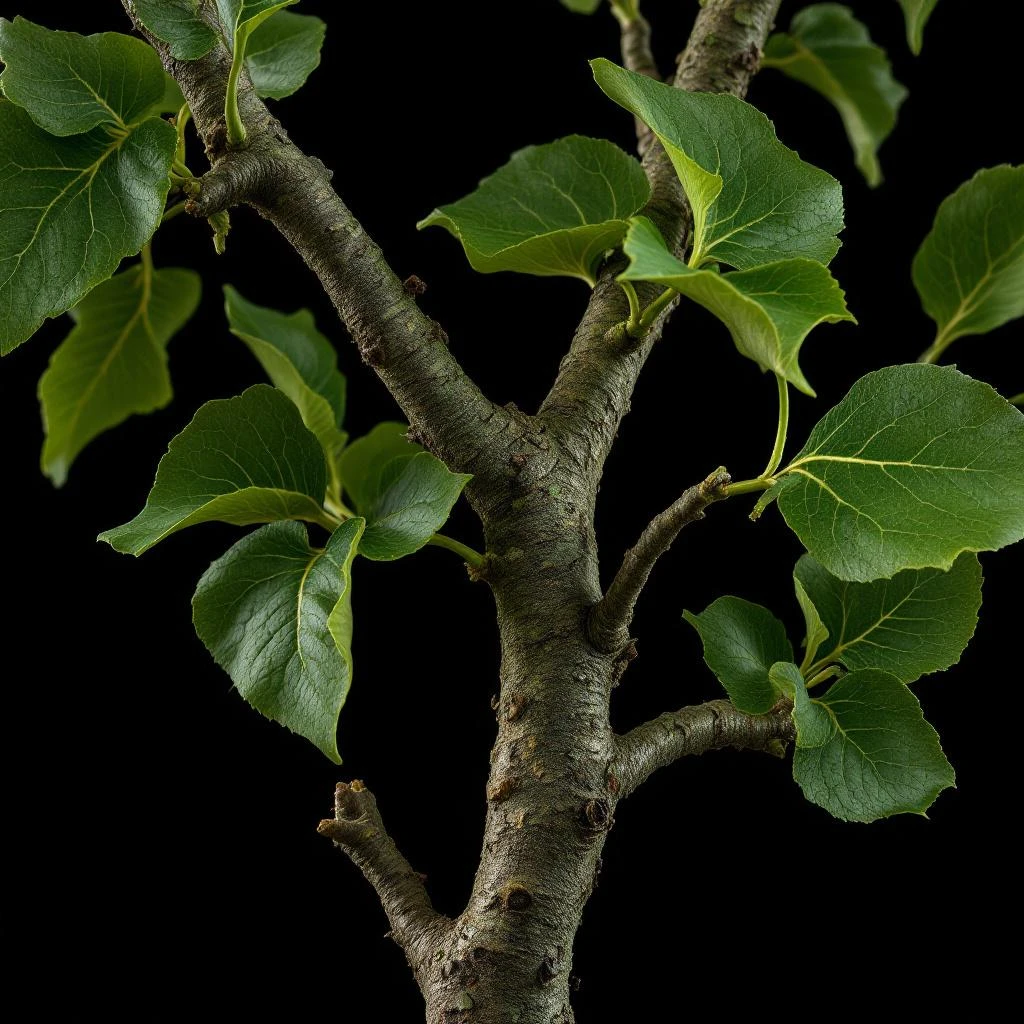
The name 'salicylic' comes from the Latin word 'salix'—meaning willow tree, the plant that started it all.




Origin
Germany
The story of salicylic acid spans 4,000 years of human history. Ancient Sumerians documented willow bark's pain-relieving properties on clay tablets around 2000 BCE, and Hippocrates later prescribed willow preparations for similar ailments. In 1828, Johannes Buchner isolated salicin, the active compound, from willow bark at the University of Munich.
Italian chemist Raffaele Piria advanced this work in 1838, isolating and naming salicylic acid after the Latin 'salix' for willow. French chemist Frédéric Gerhardt made the critical discovery in 1853 when he first acetylized salicylic acid. Felix Hoffmann at Bayer then refined this into acetylsalicylic acid in 1897, creating aspirin—one of the most significant pharmaceutical compounds in history.
Perfumery adopted salicylates for their fixative properties and distinctive cool, green, medicinal character, particularly methyl salicylate's sweet wintergreen note.
Wears it best
Fragrances featuring Salicylic Acid
Brands
Brands known for Salicylic Acid
Good to know
Questions, answered
The essentials on Salicylic Acid in perfumery: how it smells, where it comes from, and how it behaves on skin.
What does salicylic acid smell like in perfumery?
Salicylic acid itself has a very faint, almost negligible odor. In perfumery, its esters take center stage. Methyl salicylate delivers a sweet, cool, wintergreen character reminiscent of aspirin and dental anesthetic, while higher esters contribute green, floral nuances used to stabilize and round fragrance compositions.
How did salicylic acid become a fragrance ingredient?
Salicylic acid transitioned into perfumery alongside its pharmaceutical development. Once commercial production from phenol began in 1874 Germany, chemists could study its derivatives systematically. Perfumers discovered that salicylates provided excellent fixative properties, extending the longevity of more volatile top notes in compositions.
Is salicylic acid used in skincare and fragrance simultaneously?
Yes. Salicylic acid's dual identity as both a skincare active (for acne and exfoliation) and a fragrance material creates interesting crossover products. It appears in perfumed body care where its salicylic ester derivatives contribute both therapeutic benefits and aromatic character.
What fragrance families use salicylic acid derivatives?
Floral and green fragrance families most commonly employ salicylates. They appear in modern florals, chypres, and aromatic compositions where their cool, slightly medicinal quality provides contrast to sweeter elements. Phenyl salicylate specifically functions as a fixative in powder and aldehydic fragrances.
Are salicylates safe for fragrance use?
Regulatory bodies including IFRA approve salicylates for cosmetic and fragrance applications within specified concentration limits. Like many aromatic compounds, they can cause sensitization at high concentrations. Professional formulation ensures safe levels appropriate to each product category.
What is the connection between aspirin and perfumery?
Felix Hoffmann at Bayer synthesized acetylsalicylic acid in 1897, creating aspirin. This compound shares a chemical ancestor with fragrance salicylates, though aspirin itself is not used perfumery. Both applications stem from the same willow-derived compound that Raffaele Piria first isolated in 1838.
Can natural willow extracts be used instead of synthetic salicylates?
Natural willow bark extracts contain salicin, which the body converts to salicylic acid, but the aromatic profile differs from pure salicylates. Modern perfumery relies primarily on synthetically produced salicylic acid and its esters for consistency, purity, and regulatory compliance.
Why do salicylates function as good fixatives?
Salicylates have moderate volatility and molecular weights that slow the evaporation of lighter fragrance materials. Their chemical stability also means they remain intact throughout a fragrance's wear, maintaining consistent odor character rather than degrading over time.





