
The Story
Why it exists.
The beginning
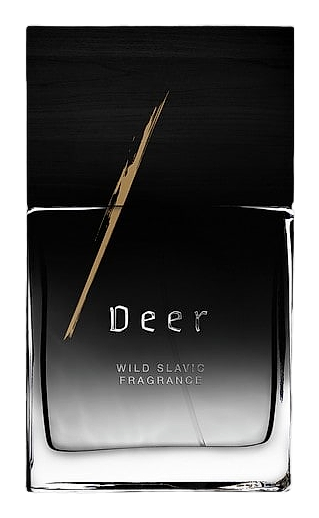
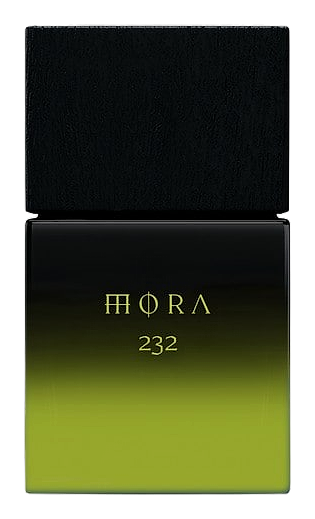
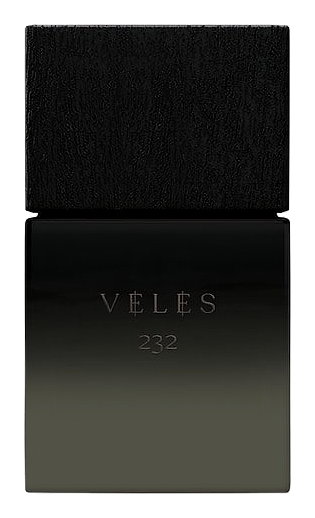
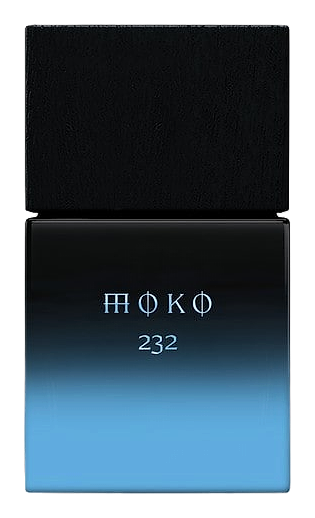
Moko draws from Slavic mythology, the earth goddess, the maternal power that feeds and renews. Wolf Brothers looked at that old story and asked: what does rebirth smell like? The answer wasn't flower petals or clean cotton. It was rain on soil. The moment dormant earth wakes up. The house named this fragrance for that force, the one that doesn't ask permission to grow things, that simply does. In the Slavic Myths collection, Moko stands apart from the animal-named siblings. This one is about what the forest gives back, not what walks through it.
The pyramid holds an unexpected choice: salicylic acid. Usually found in skincare, rarely in perfumery, and never in mainstream fragrances. Wolf Brothers used it as a bridge between the aquatic opening and the woody base, giving the green notes a crispness that keeps them from going soft or generic. Combined with Akigalawood, the wood note anchoring the base, it threads the composition together without smoothing over its edges. That's the point. Moko isn't trying to smell expensive. It's trying to smell true.
The evolution
The opening hits wet, aquatic notes and fig leaf creating the sensation of damp earth immediately. Raspberry appears for a moment, bright against the green, before it retreats. The hand-off to the heart is gradual: lily of the valley arrives quietly, cedarwood providing structure behind it. For the next few hours, this is a green fragrance, not bright or sharp, but dense, the way a forest feels when you're inside it. The drydown is where the fragrance earns its reputation. Oakmoss and sandalwood create a mossy-cream base that stays close to skin for hours, lingering softly throughout the day.
Cultural impact
As part of Wolf Brothers' Slavic Myths collection, Moko occupies a specific corner of the niche world, mythology-forward, unapologetically earthy. The brand has built a following among collectors who prize atmospheric storytelling over safe compositions. The fragrance aims to capture something genuine, a sense of place and myth rather than a metaphorical interpretation.