Saffron Jam
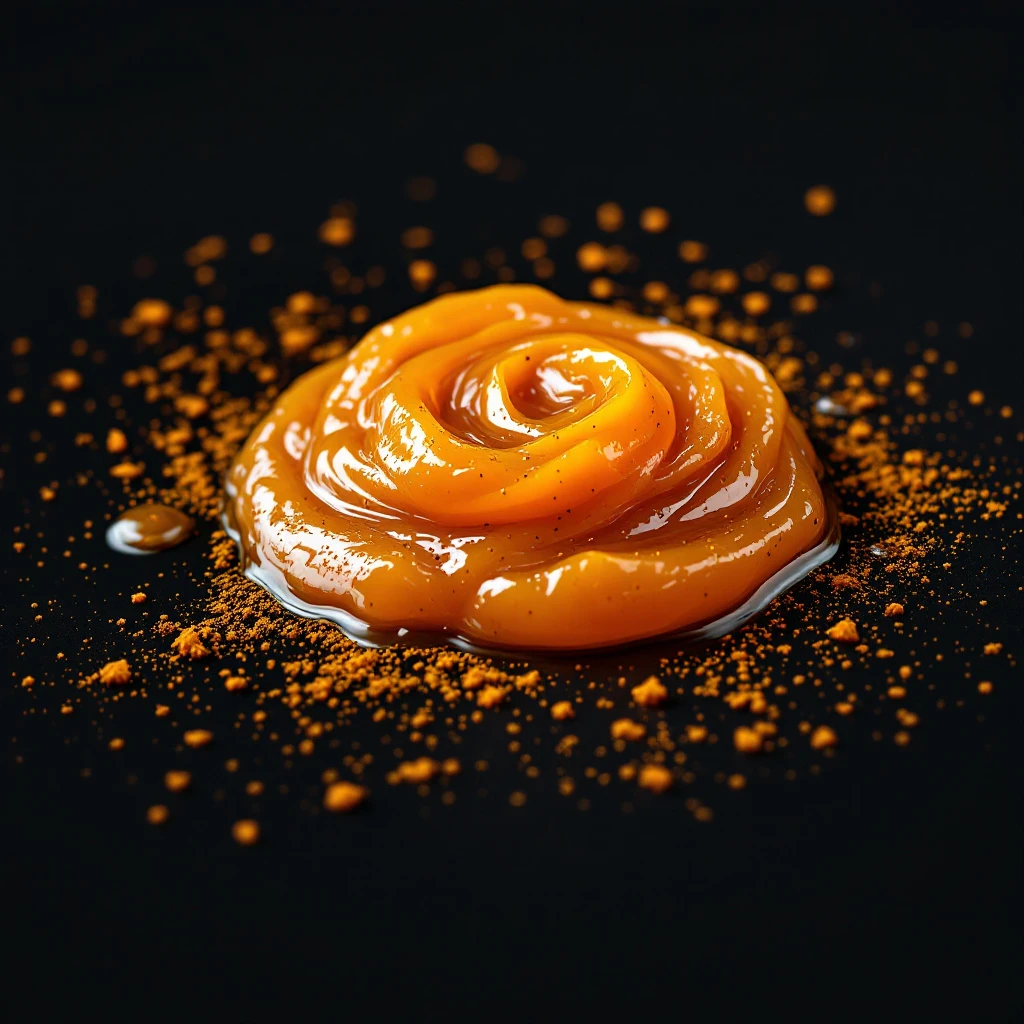
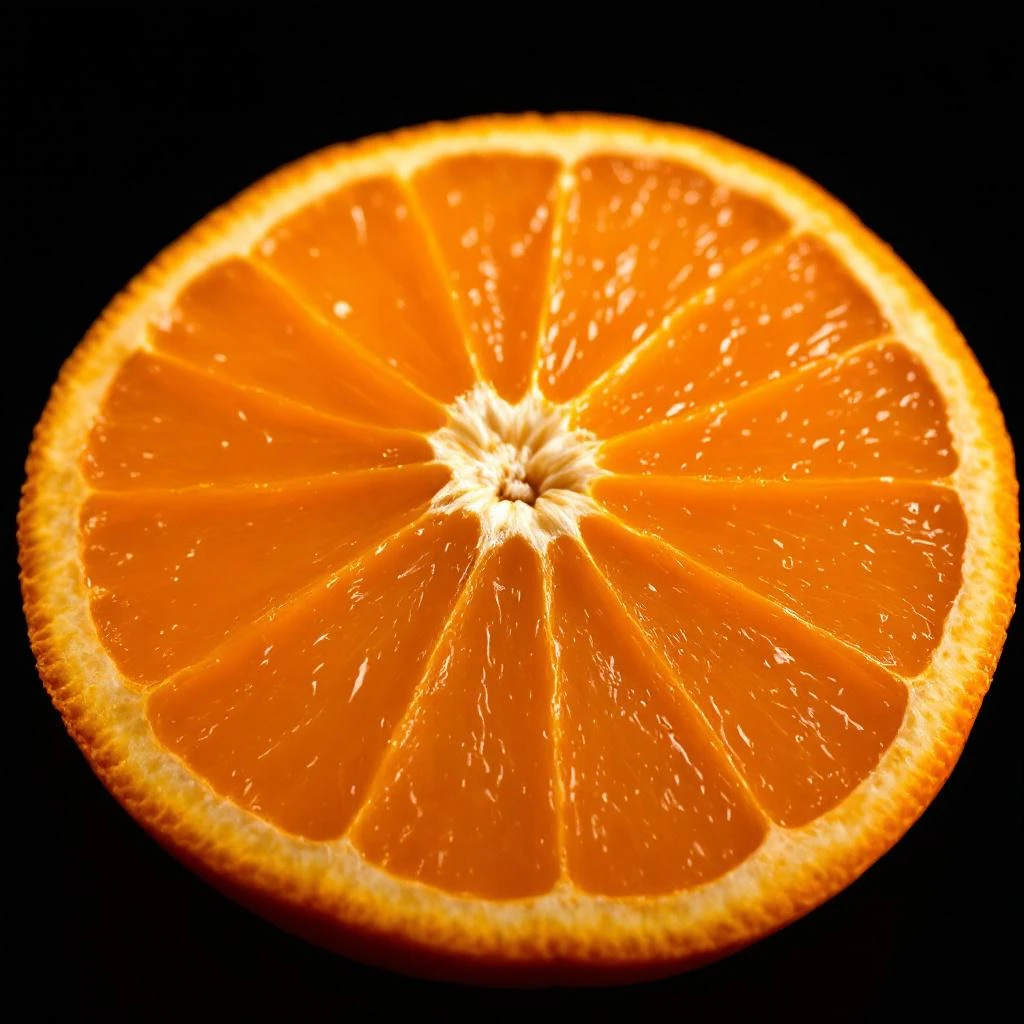
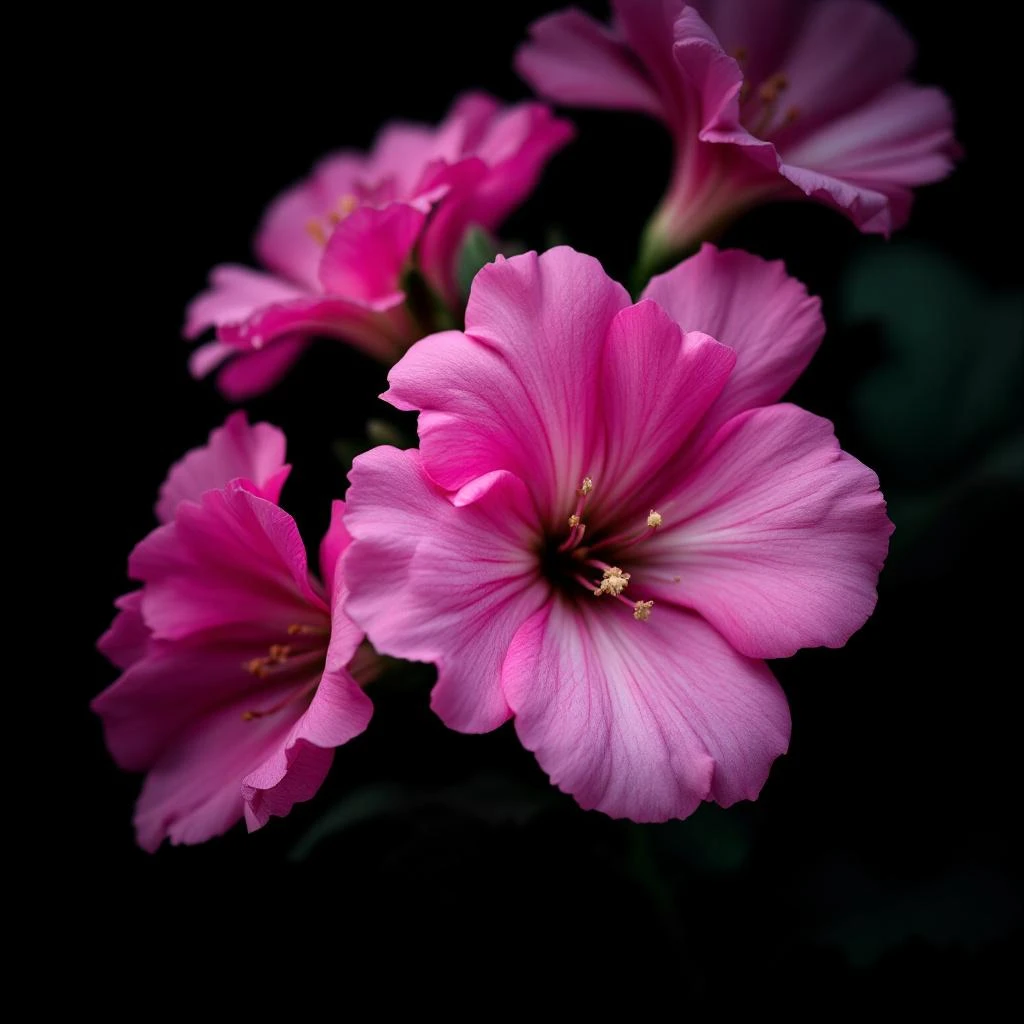
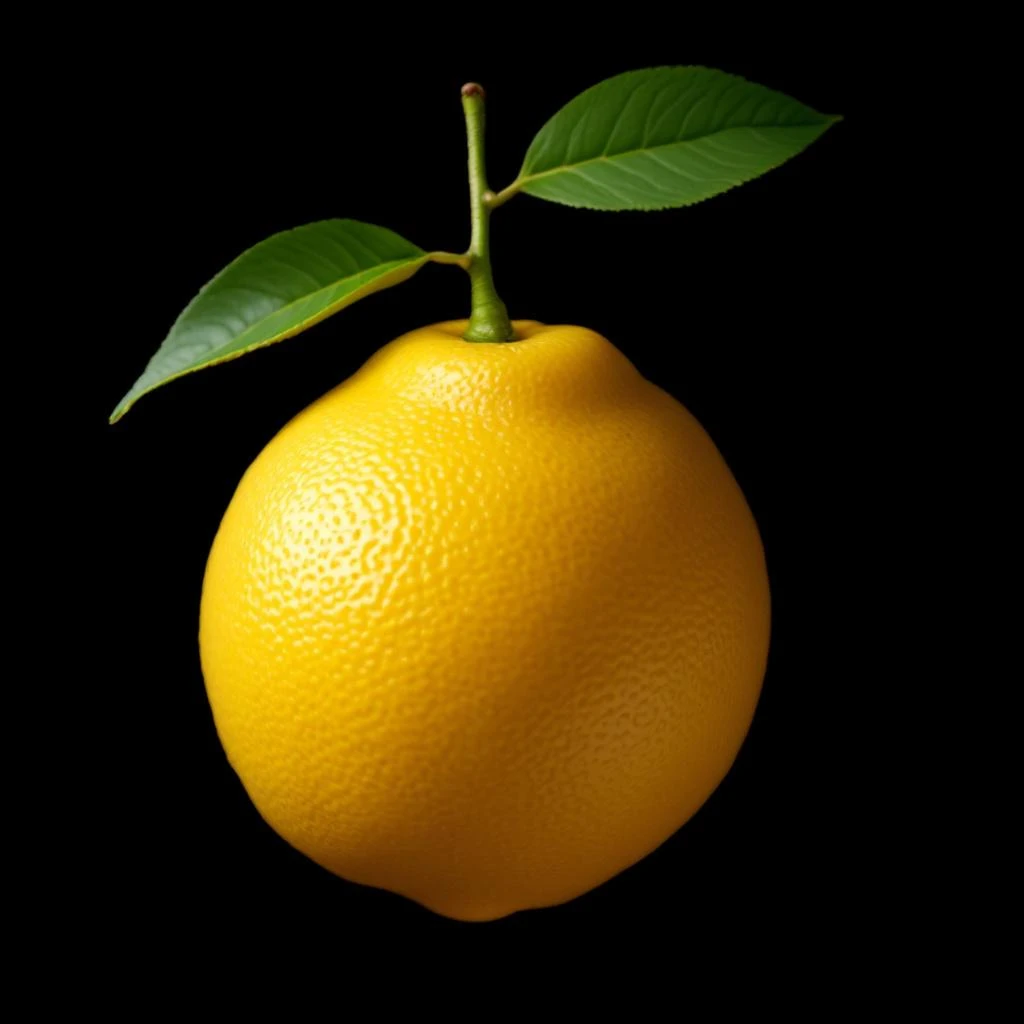
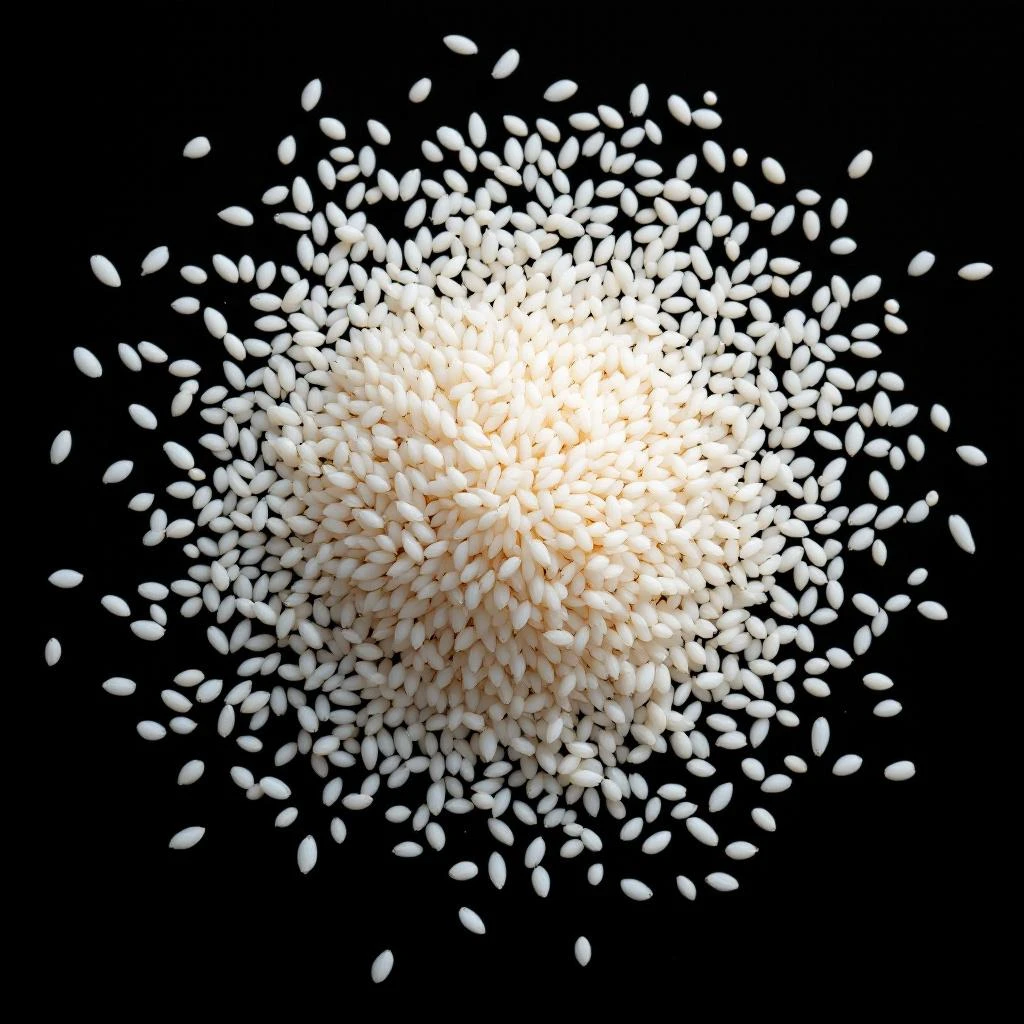
Saffron Jam captures the spice's duality: warm, almost leathery spice softened by a rich, honeyed sweetness. This note brings a preserved-fruit depth to fragrances, lending gourmand warmth without cloying heaviness. Premium examples pair the spice's natural intensity with the luminous quality of sun-dried stigmas.
Character
How it smells
The red gold that perfumes both palace and plate.
Saffron is the world's most expensive spice by weight. Each flower yields just three stigmas, and over 75,000 blooms are hand-picked for a single pound of the finished product.


Origin
Iran
Saffron's use in perfumery stretches back at least 3,500 years. Ancient Minoan frescoes in Crete from around 1500 BC depict saffron harvesters, confirming its cultivation in the Bronze Age Mediterranean. Egyptian and Greek physicians and perfumers prized the spice for its aromatic and restorative properties, using it to scent body oils and hair treatments.
In ancient Persia, saffron-infused perfumes were reserved exclusively for royalty, reflecting both the ingredient's extraordinary value and its reputation as a substance befitting only the highest status. The tradition continued across the Islamic Golden Age, when physicians in 12th-century Arabia refined distillation techniques that allowed for more concentrated perfume extraction. A traditional attar called Zaafran Attar, blending saffron with sandalwood, remains part of Middle Eastern fragrance heritage to this day.
By the time European courts adopted aromatic luxury goods, saffron occupied an established place among elite perfumery ingredients, a position it retains in niche and luxury fragrance houses today.
Wears it best
Fragrances featuring Saffron Jam
Brands
Brands known for Saffron Jam
Good to know
Questions, answered
The essentials on Saffron Jam in perfumery: how it smells, where it comes from, and how it behaves on skin.
What does Saffron Jam smell like in a fragrance?
Saffron Jam combines the spice's warm, slightly leathery character with a rich, honeyed sweetness reminiscent of preserved stone fruit. It adds depth and a subtle animalic warmth that grounds brighter top notes.
Is natural saffron used in most perfumes?
No. Most commercial fragrances use a synthetic molecule called Safraleine to simulate saffron's aroma. Ultra-niche and luxury houses are the primary users of genuine natural saffron extract.
Why is saffron so expensive as a perfume ingredient?
Each Crocus sativus flower produces only three stigmas. Over 75,000 flowers must be hand-harvested for a single pound of saffron, making natural extract prohibitively costly for most fragrance formulations.
What extraction process produces saffron absolute?
Solvent extraction yields a saffron concrete, which is then processed into an absolute. This method preserves the full aromatic complexity, including safranal and picrocrocin, the compounds responsible for saffron's characteristic warmth.
Which regions produce the finest saffron for perfumery?
Iran leads global production, but premium perfumery-grade saffron also originates in Kashmir, Spain, and Greece. These regions share high-altitude, arid climates that concentrate the stigmas' aromatic compounds.
How does Saffron Jam differ from other saffron notes in perfumery?
Saffron Jam emphasizes the ingredient's sweet, preserved-fruit facet rather than its sharp, medicinal spice quality. This makes it warmer and more approachable in gourmand and oriental fragrance constructions.
What fragrance families pair well with Saffron Jam?
Oriental, amber, and spicy florals harmonize naturally with Saffron Jam. It also works well in leather and chypre compositions, where its warmth adds complexity without overwhelming.
What is Zaafran Attar?
Zaafran Attar is a traditional oil-based perfume from the Middle East combining saffron and sandalwood. This blend reflects centuries of regional perfumery tradition using saffron as a primary aromatic material.