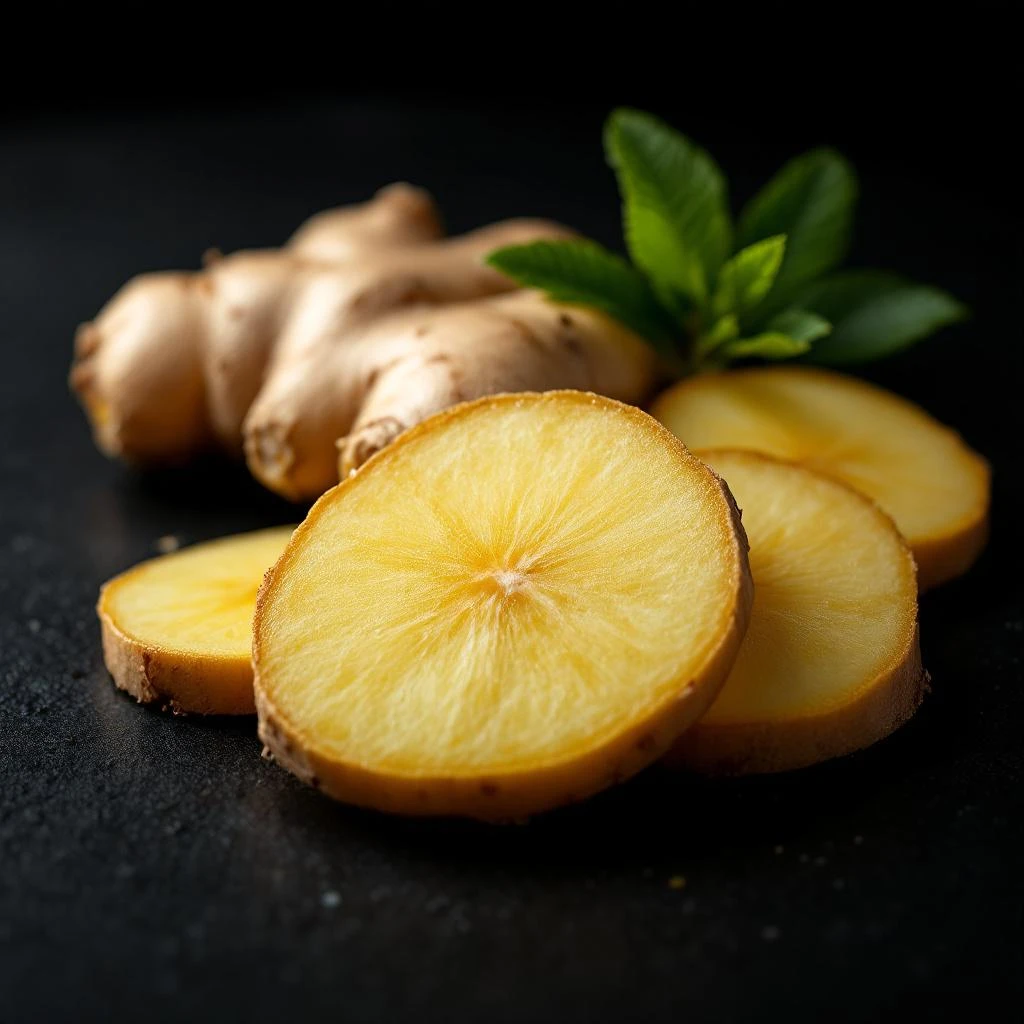
Rotundone
Rotundone is a sesquiterpene that delivers unmistakable black pepper warmth to fine fragrance. Found naturally in select botanicals, this prized aroma compound brings depth and complexity to woody and spicy compositions with remarkable staying power.

Character
How it smells
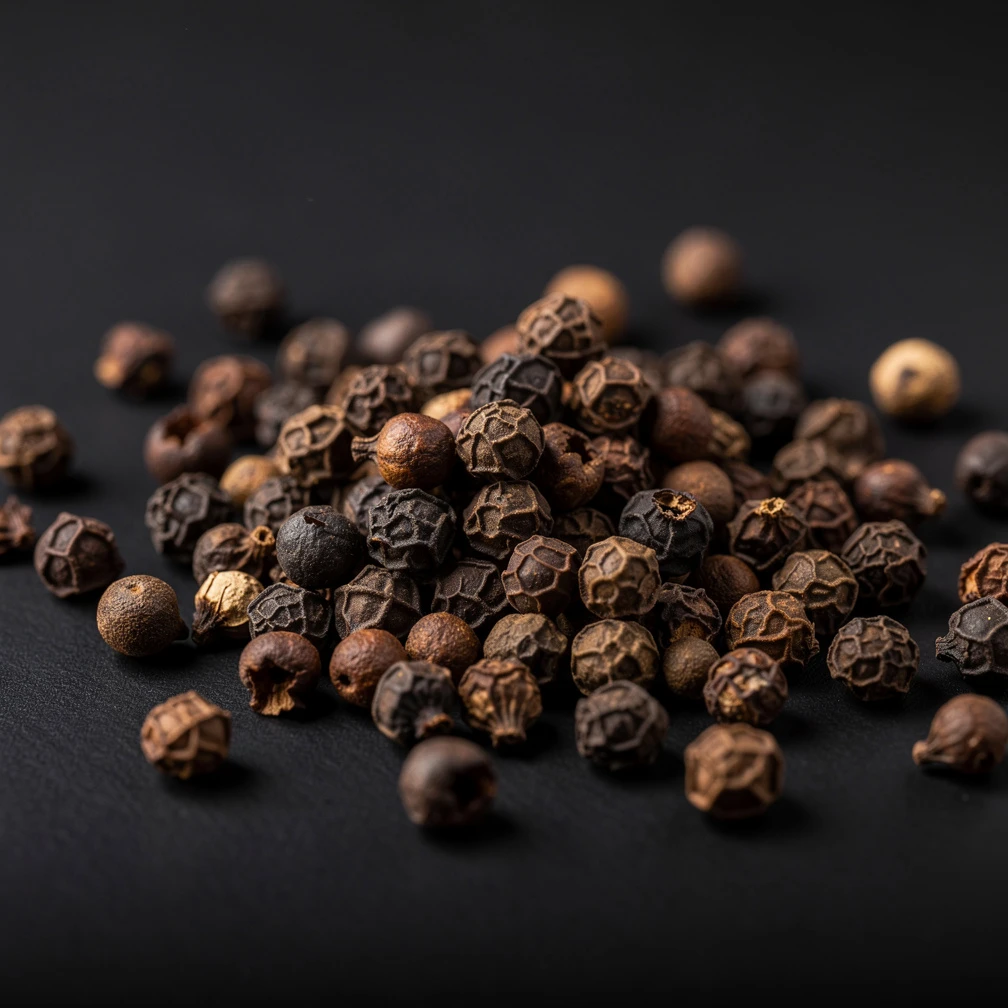
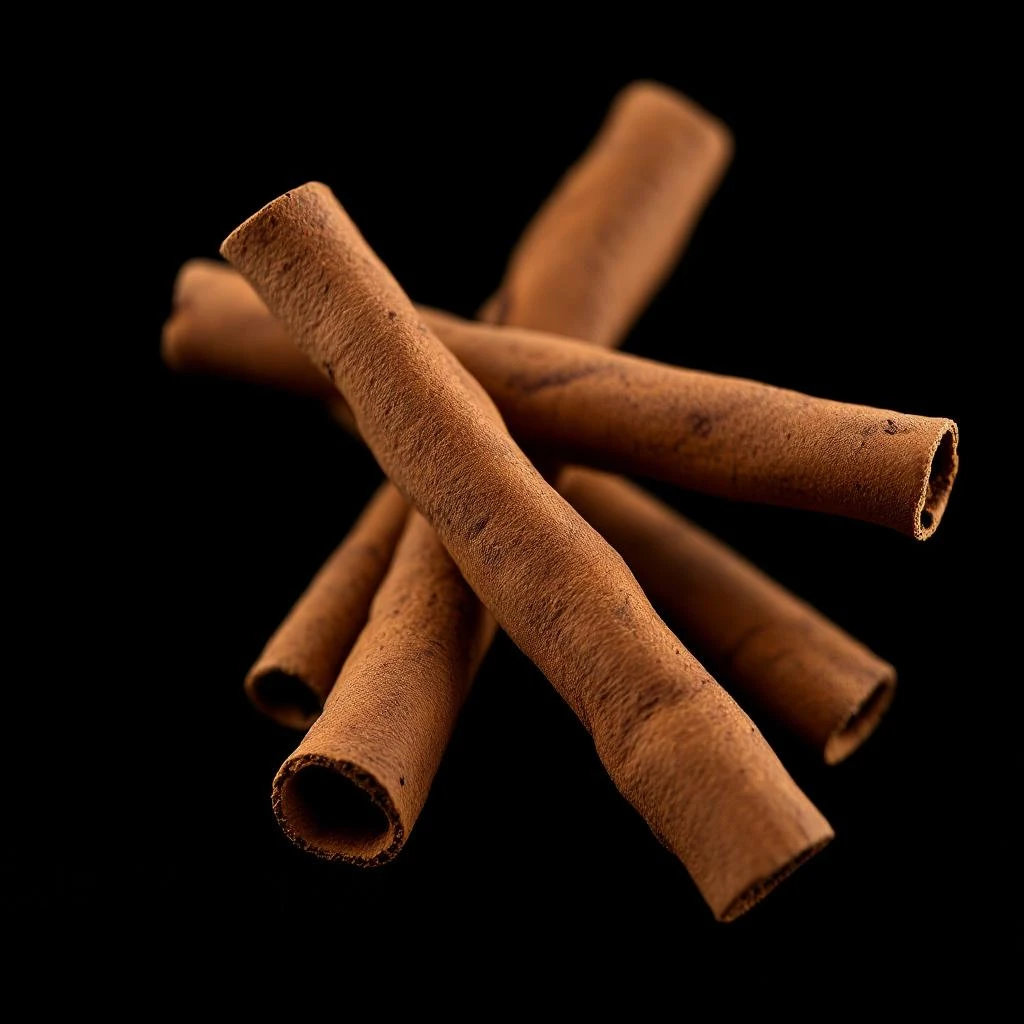
The peppery molecule that gives black pepper its bite.
Researchers named this compound after the plant where they found it: Cyperus rotundus, a humble nutgrass.




Origin
India
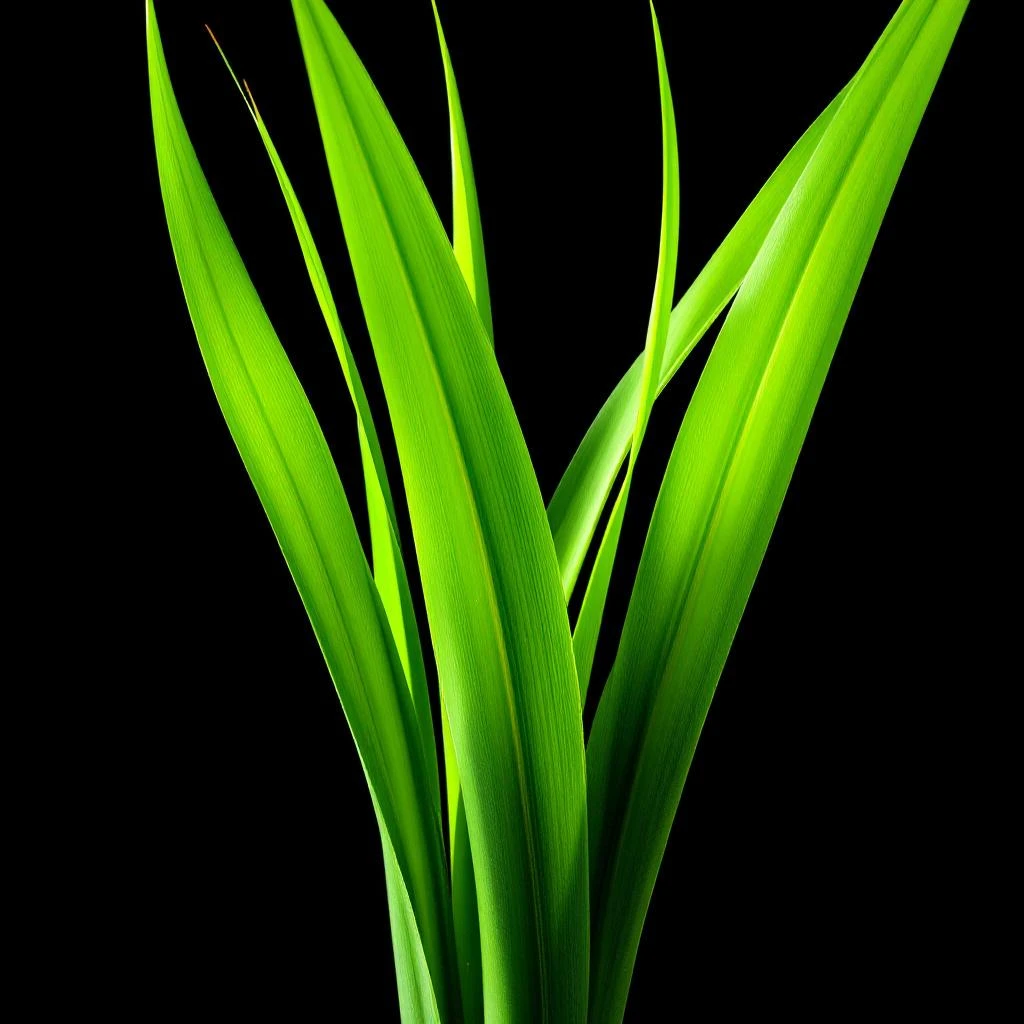
Scientists first identified rotundone in 1967 at research institutions in Poona, India. They isolated the compound from the tuber of Cyperus rotundus, a weedy nutgrass so common it grows across tropical and subtropical regions worldwide.
The plant's scientific name provided the compound's name: rotundone. For years, this molecule remained a curiosity outside specialist circles, known mainly for contributing the peppery note in certain grape varieties and wine regions like Syrah.
Fragrance chemists took notice as analytical techniques advanced, eventually recognizing rotundone's potential to add authentic spice and warmth to woody fragrance constructions. Its journey from obscure botanical compound to refined perfumery ingredient spans roughly five decades of aroma research.
Wears it best
Fragrances featuring Rotundone
Brands
Brands known for Rotundone
Good to know
Questions, answered
The essentials on Rotundone in perfumery: how it smells, where it comes from, and how it behaves on skin.
What does rotundone smell like?
Rotundone smells distinctly of black pepper with warm, woody undertones. Just a small concentration adds remarkable realism and depth to spicy or woody fragrance constructions.
When was rotundone discovered?
Researchers first identified rotundone in 1967 in Poona, India. They isolated it from the tuber of Cyperus rotundus, a common nutgrass that gave the compound its name.
How do manufacturers produce rotundone for perfumery?
The fragrance industry produces rotundone primarily through biotech enzyme conversion of alpha-guaiene, a sesquiterpene sourced from materials like patchouli oil. This method ensures consistent quality and sustainable supply.
Which plants contain natural rotundone?
Cyperus rotundus tubers contain the highest known natural concentration. The compound also appears in black pepper, marjoram, thyme, and certain grape varieties, particularly in Syrah and Durif wines.
Is rotundone used in food and beverage beyond perfume?
Yes. Rotundone contributes the characteristic peppery note in black pepper essential oil and in wines from cool-climate regions. It functions as a flavor compound in food and beverage applications.
How potent is rotundone as an aroma compound?
Rotundone has exceptionally high olfactory potency. Research indicates humans can detect it at concentrations as low as 0.009 parts per billion, making it one of the most powerful aroma molecules known.
What fragrance families use rotundone?
Rotundone appears most often in woody and spicy compositions. It adds authentic peppery warmth to Chypre, Oriental, and fresh woody fragrance constructions.
Is rotundone considered safe for cosmetic use?
Regulatory authorities including IFRA and REACH have evaluated rotundone and approved it for use in cosmetic and fragrance applications when used within established concentration limits.