Incienso
Incense resin, sacred across millennia. From ancient temple rites to modern perfumery, olibanum captures the moment when smoke becomes memory. A bridge between the material and the spiritual.
Character
How it smells
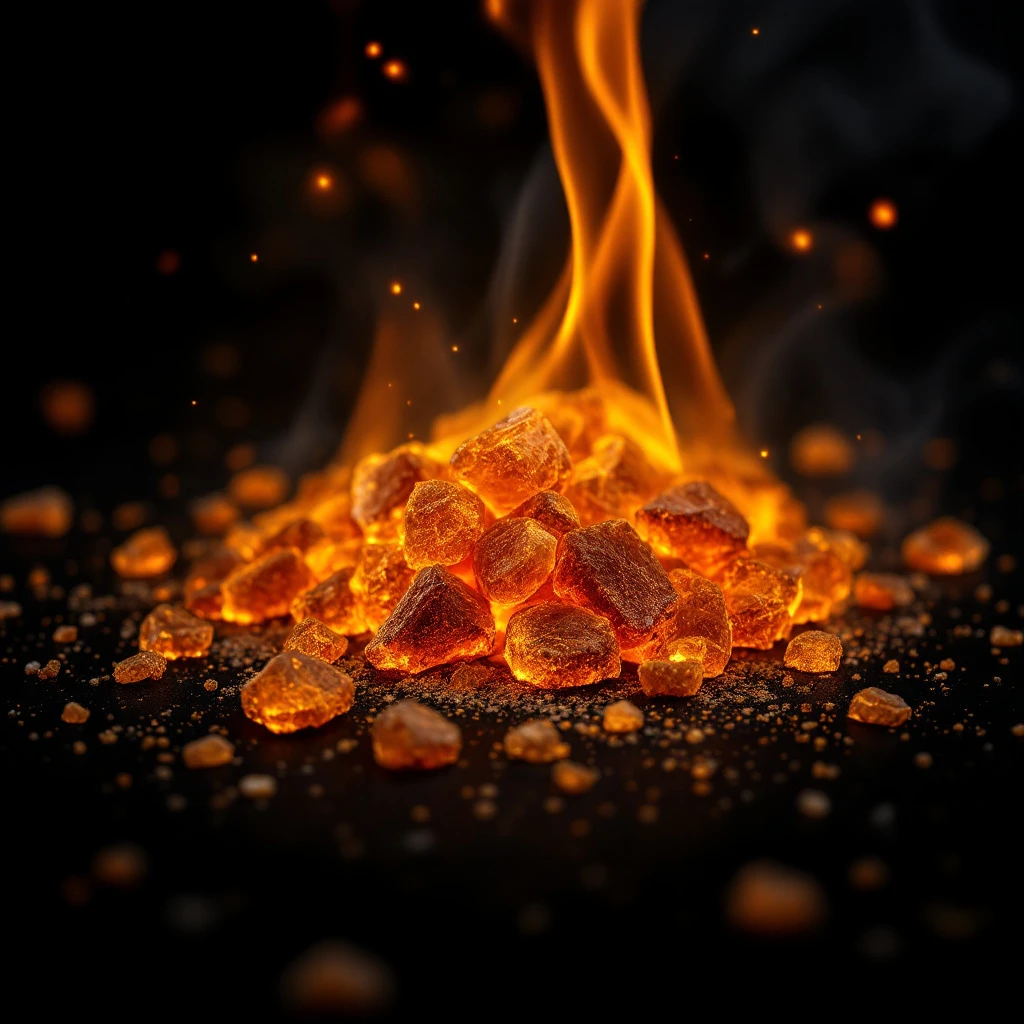
Smoke that shaped civilization.
The word perfume comes from the Latin per fumum, meaning through smoke—the very medium ancient priests used to reach the divine.


Origin
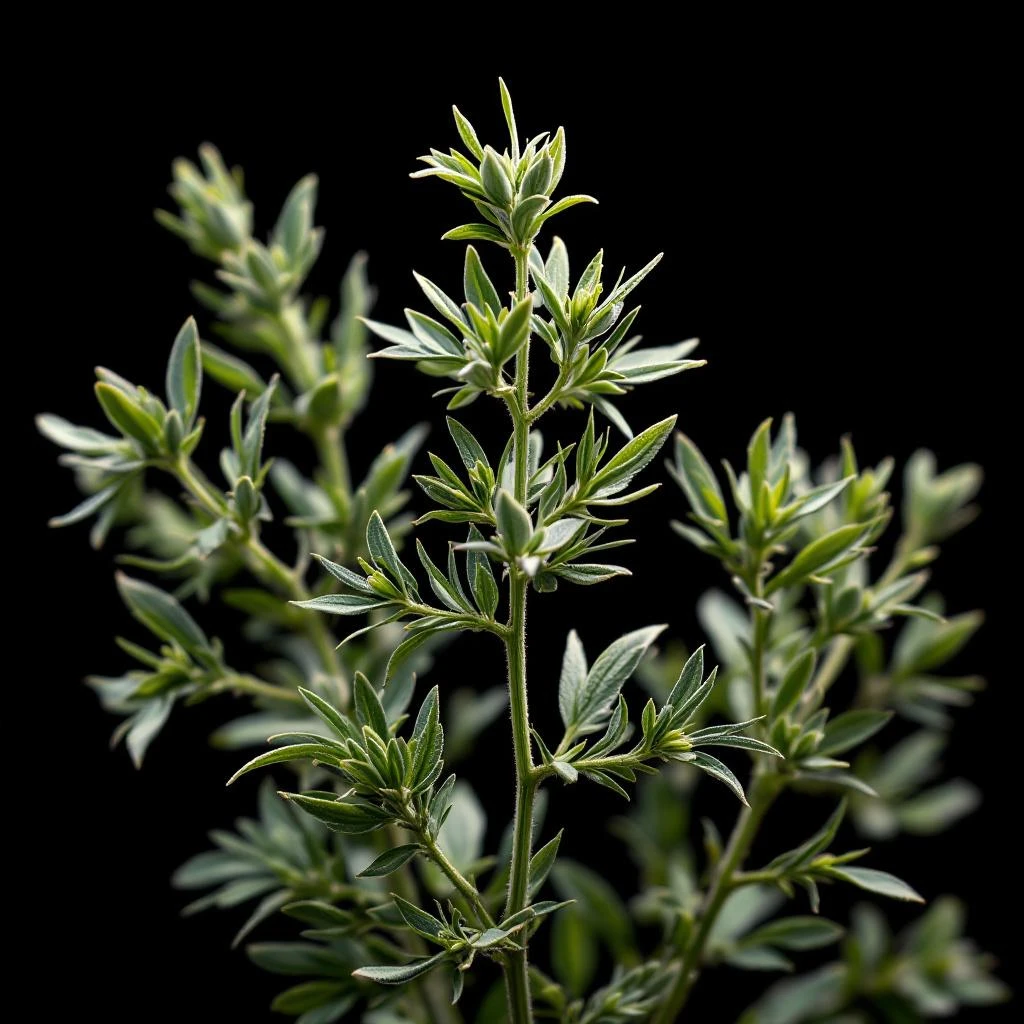
Ethiopia
Incense resin shaped human spirituality before recorded history. Archaeological evidence from Egyptian tombs reveals resin fragments alongside body care formulations dating to 2000 BCE. The ancient Egyptians systematized incense use in temple rituals, embalmment, and daily worship. Greek and Roman merchants distributed these precious materials throughout the Mediterranean basin.
The Old Testament references three Magi bearing frankincense among their gifts to Bethlehem. Phoenician traders built entire commercial networks around aromatic resins. Arabian physicians prescribed frankincense for digestive ailments and respiratory conditions. Buddhist texts describe burning incense as an aid to meditation.
This ingredient connected continents and civilizations for over four thousand years. Modern perfumers now work with these same resins, translating ancient ritual into contemporary art.
Wears it best
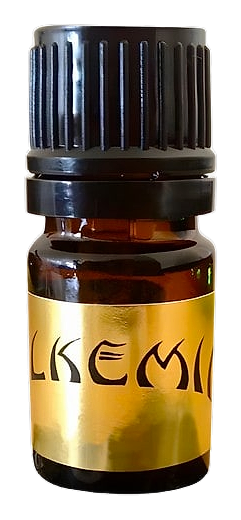
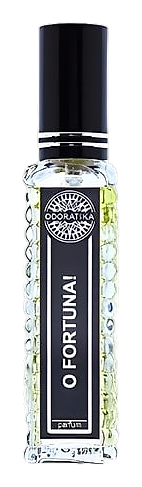
Fragrances featuring Incienso
Brands
Brands known for Incienso
Good to know
Questions, answered
The essentials on Incienso in perfumery: how it smells, where it comes from, and how it behaves on skin.
What does incienso smell like in a fragrance?
Incienso delivers a clean, resinous smoke with citrus and pine undertones. It creates warmth without heaviness, lending fragrances an air of quiet contemplation. The scent evolves from sharp brightness to deep, meditative calm.
Which fragrance families pair well with incienso?
Incienso integrates naturally with oriental, woody, and aromatic compositions. It anchors amber blends, complements oud and sandalwood, and adds spiritual depth to citrus top notes. The resin bridges fresh and dark elements.
Where does olibanum resin originate?
True olibanum comes from Boswellia species native to the Horn of Africa and Arabian Peninsula. Somalia, Ethiopia, and Oman produce the highest grades. The rugged, semi-arid terrain stresses the trees, intensifying resin quality.
Why is frankincense so expensive?
Boswellia trees require 8-10 years before first harvest and remain vulnerable to over-tapping. Climate change, habitat loss, and conflict in producing regions have reduced yields by up to 50% in some areas, tightening supply.
How can I identify real olibanum resin?
Genuine olibanum forms irregular translucent tears with a slight stickiness when warm. The scent opens with sharp citrus before revealing deeper balsamic warmth. Synthetic versions lack this complexity and evolution.
What role did incense play in ancient cultures?
Priests burned resin during ceremonies across ancient Egypt, Greece, Rome, Persia, India, and China. The smoke carried prayers skyward and masked everyday odors in crowded cities. Incense also served medicinal purposes, notably for respiratory ailments.
Is frankincense harvesting sustainable?
Several conservation initiatives now certify sustainable Boswellia harvests. Look for products bearing the Forest Stewardship Council mark. Some perfumers support grower cooperatives to ensure fair wages and replanting programs.
What aromatic compounds define incienso?
Alpha-pinene and incensole acetate contribute the characteristic coniferous and anti-inflammatory properties. Limonene adds citrus brightness. The combination creates incense's distinctive balance of sharpness and serenity.