Rosella Tea
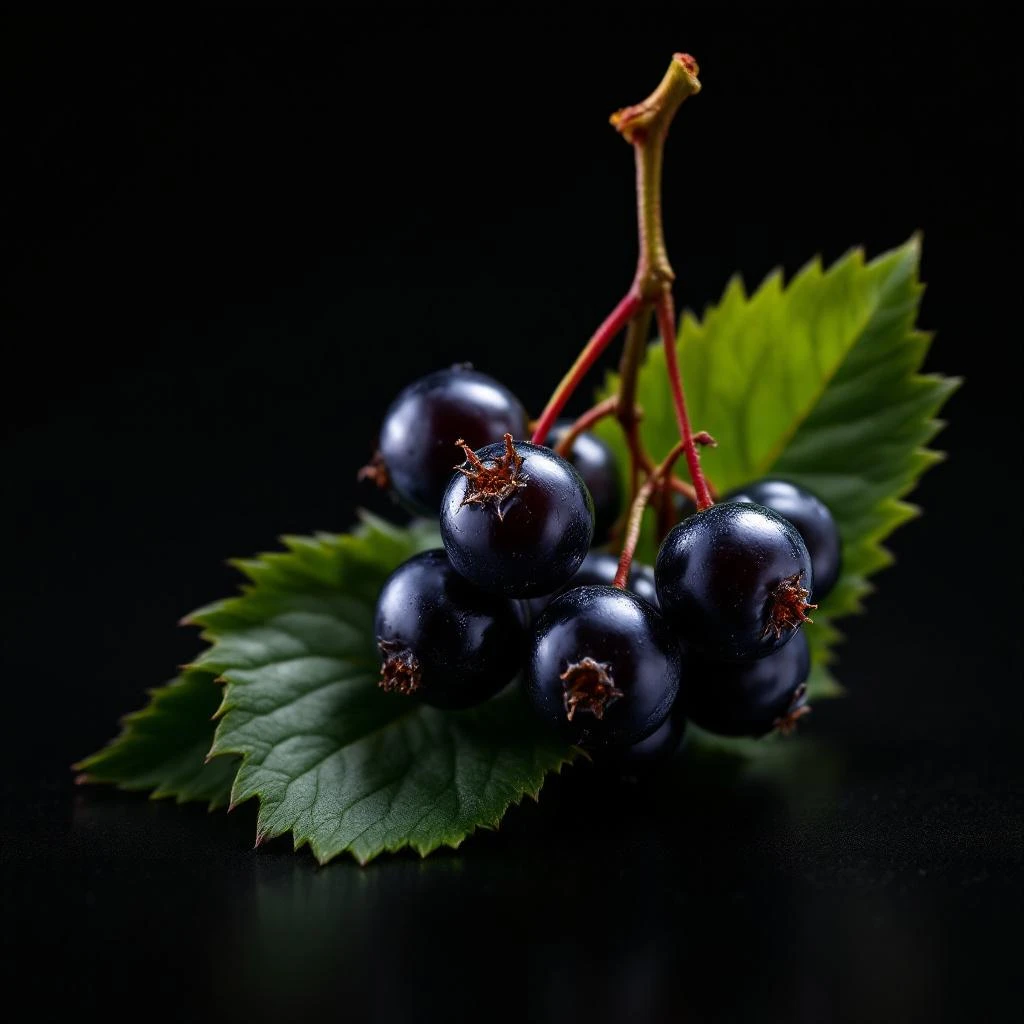
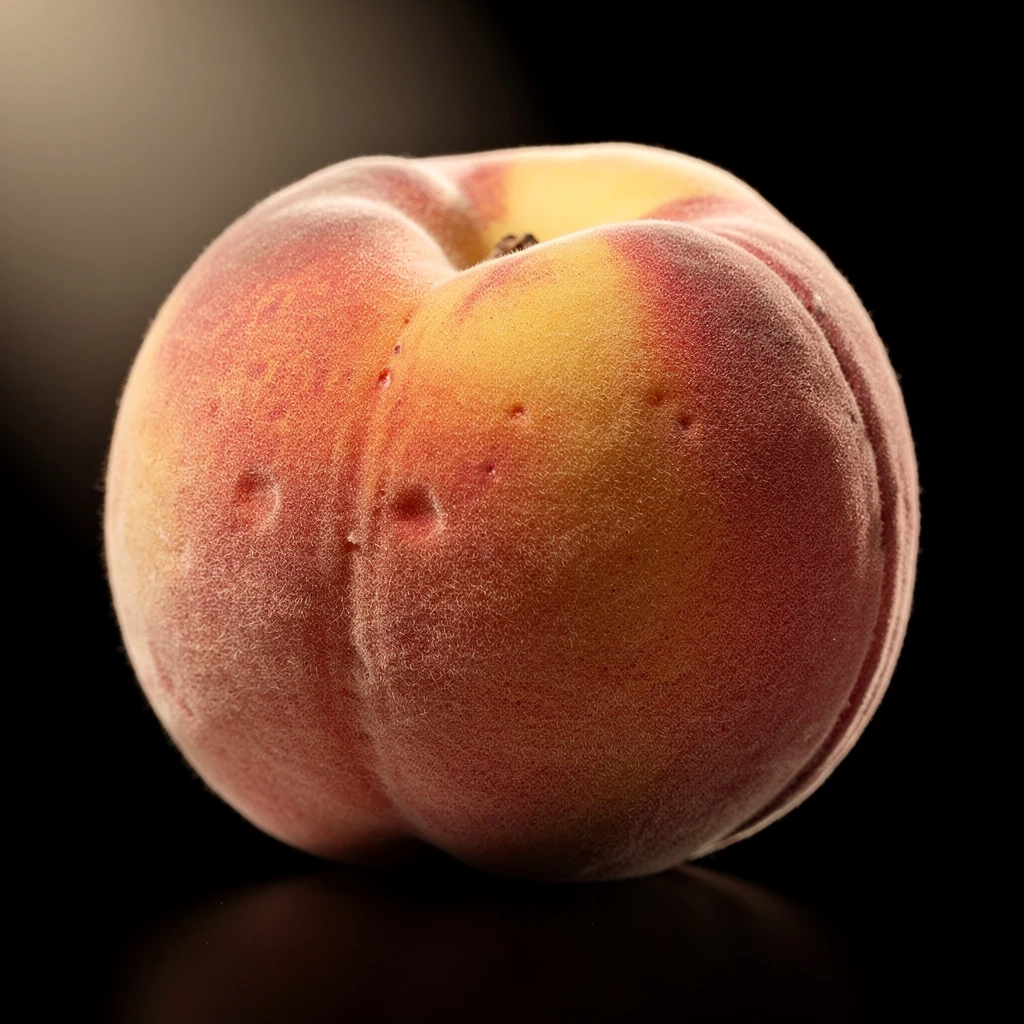
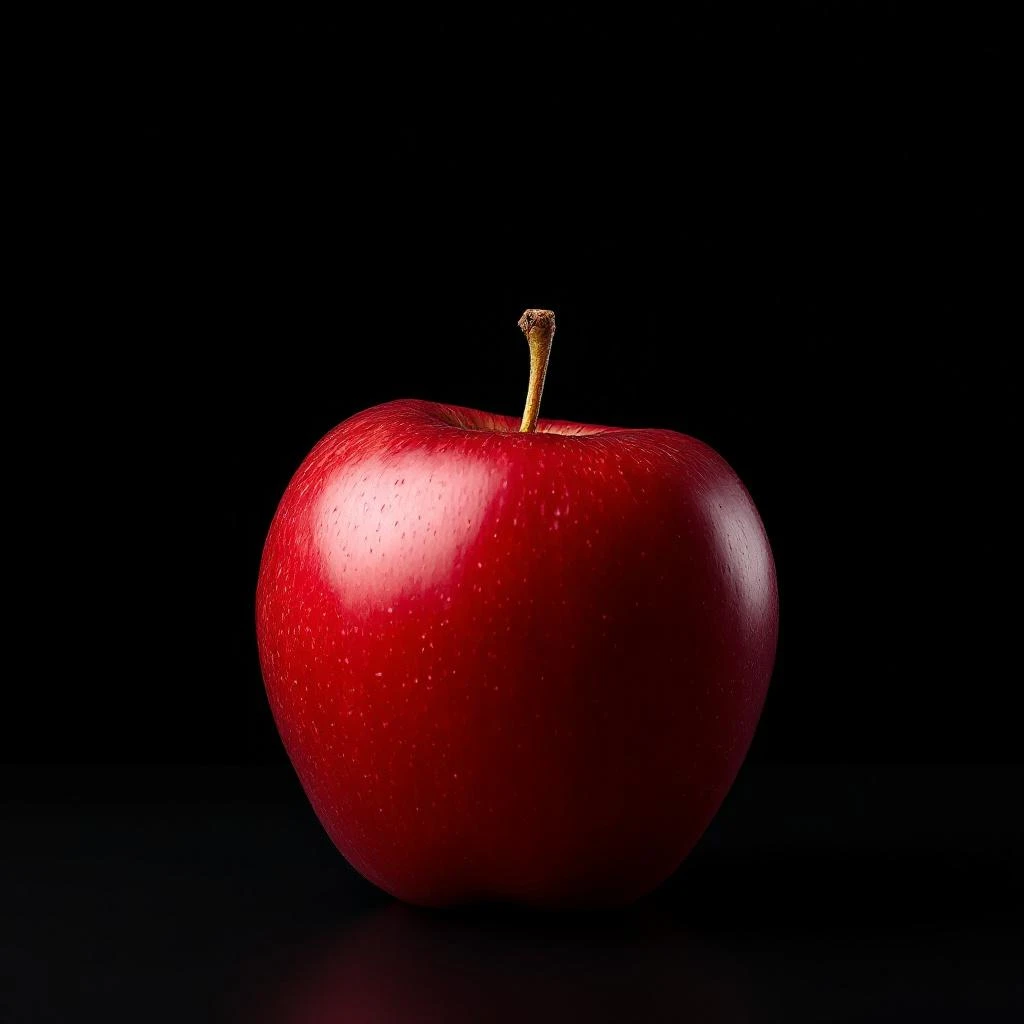
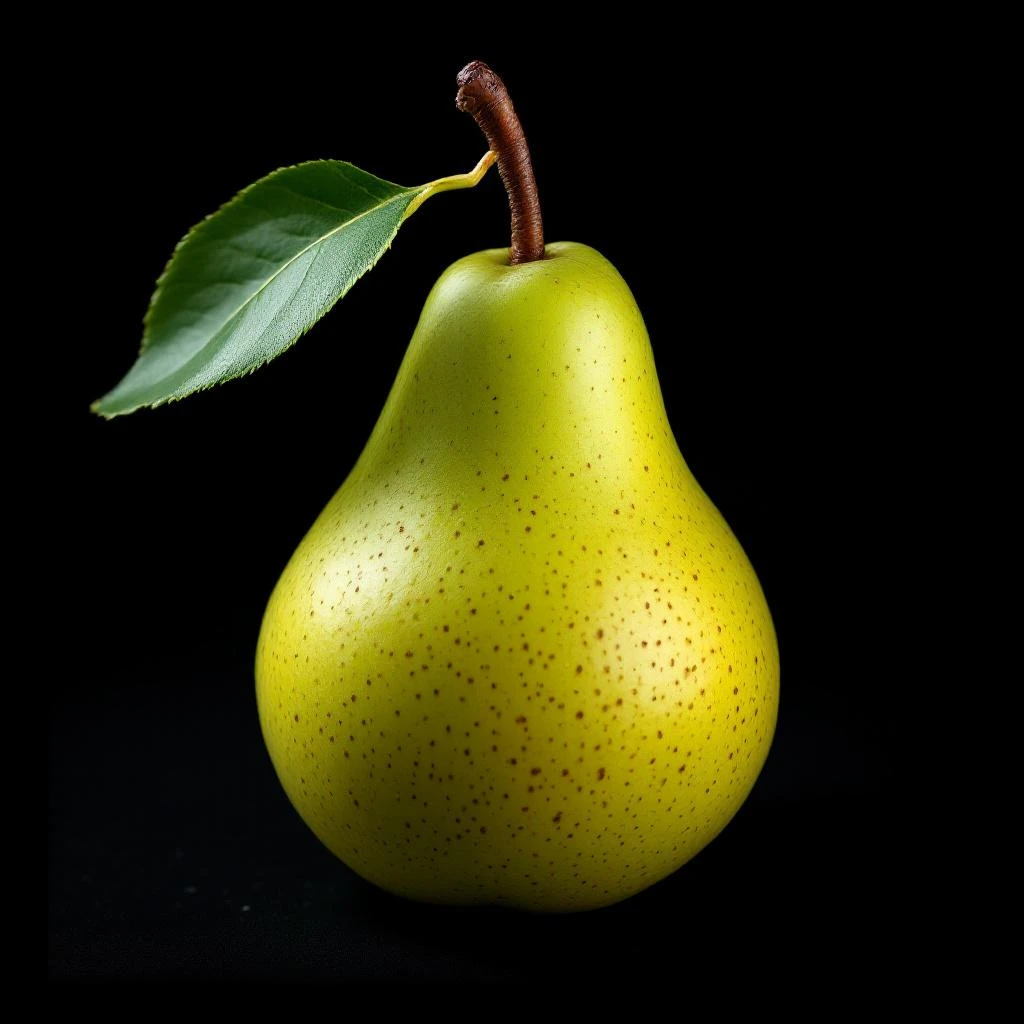
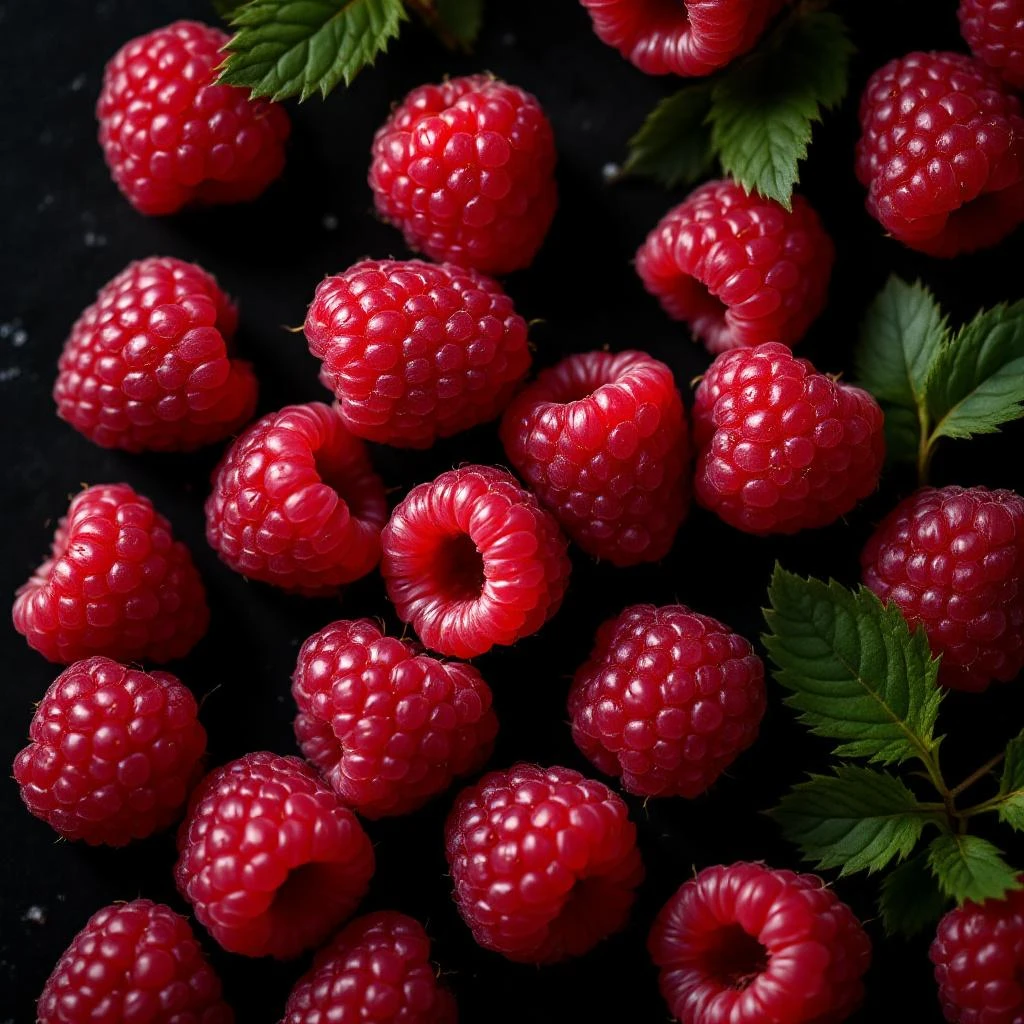
A vibrant, tart-floral note combining hibiscus and tea elements. Rosella Tea captures the bright, wine-like acidity of hibiscus softened by the aromatic depth of Camellia sinensis, creating a refreshing yet complex fragrance element prized in modern perfumery.
Character
How it smells
Bright hibiscus meets aromatic tea depth.
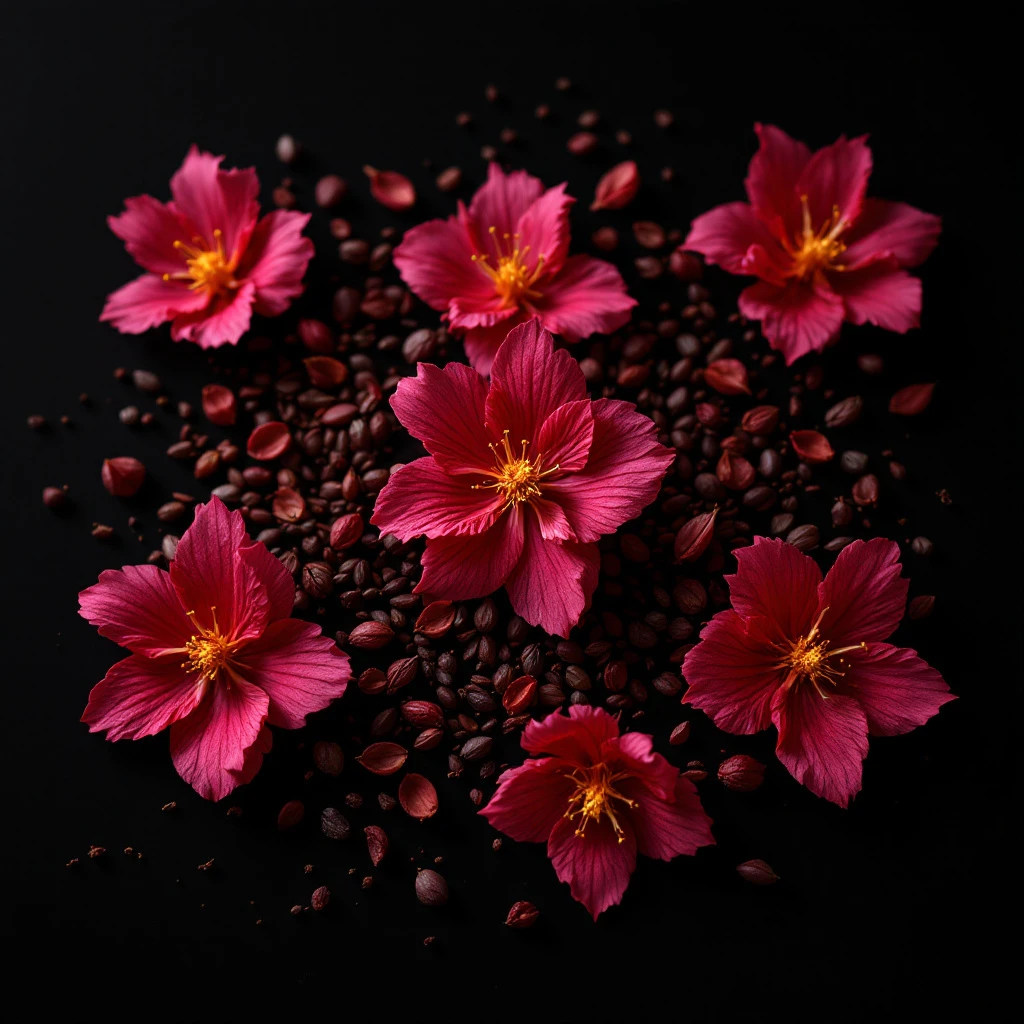
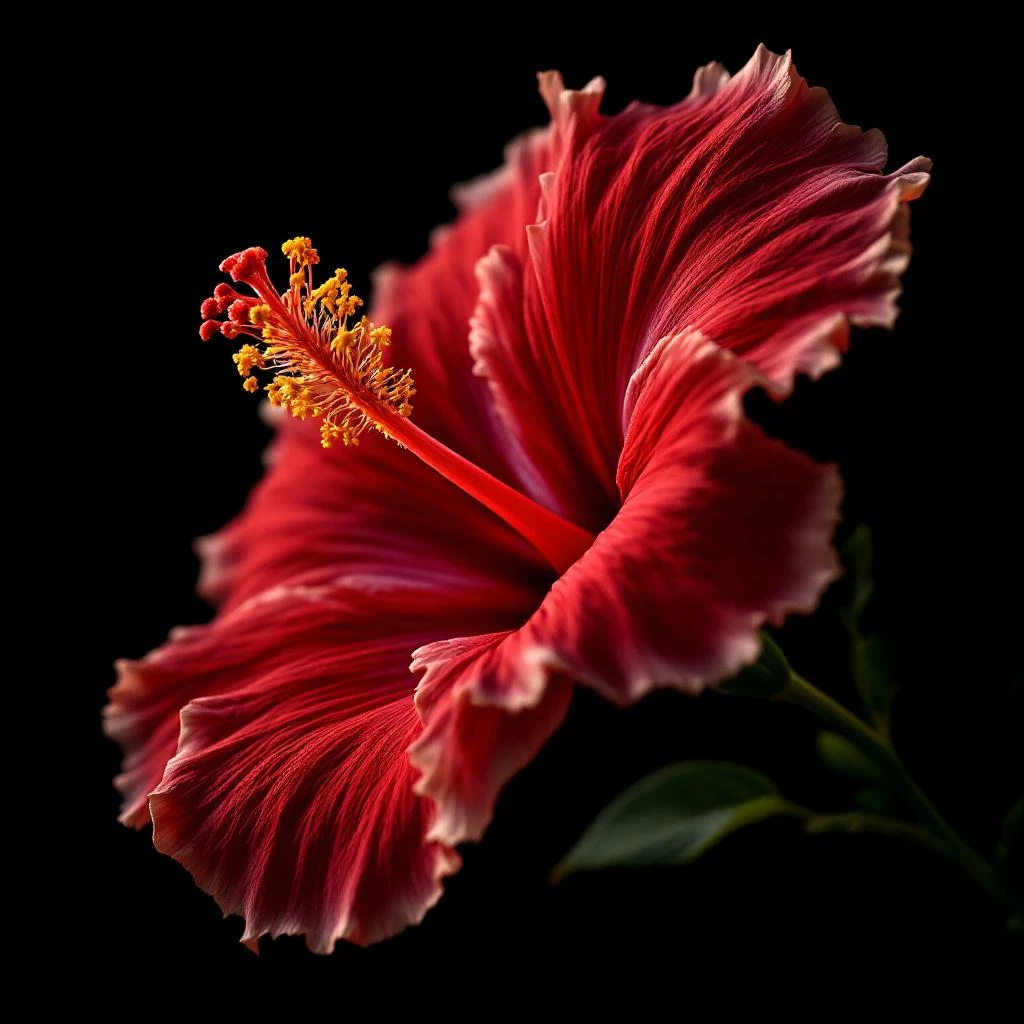
One hibiscus flower contains 20-30 petals arranged in a distinctive spiral pattern following the golden ratio.
Pairs beautifully with


Origin
Sudan
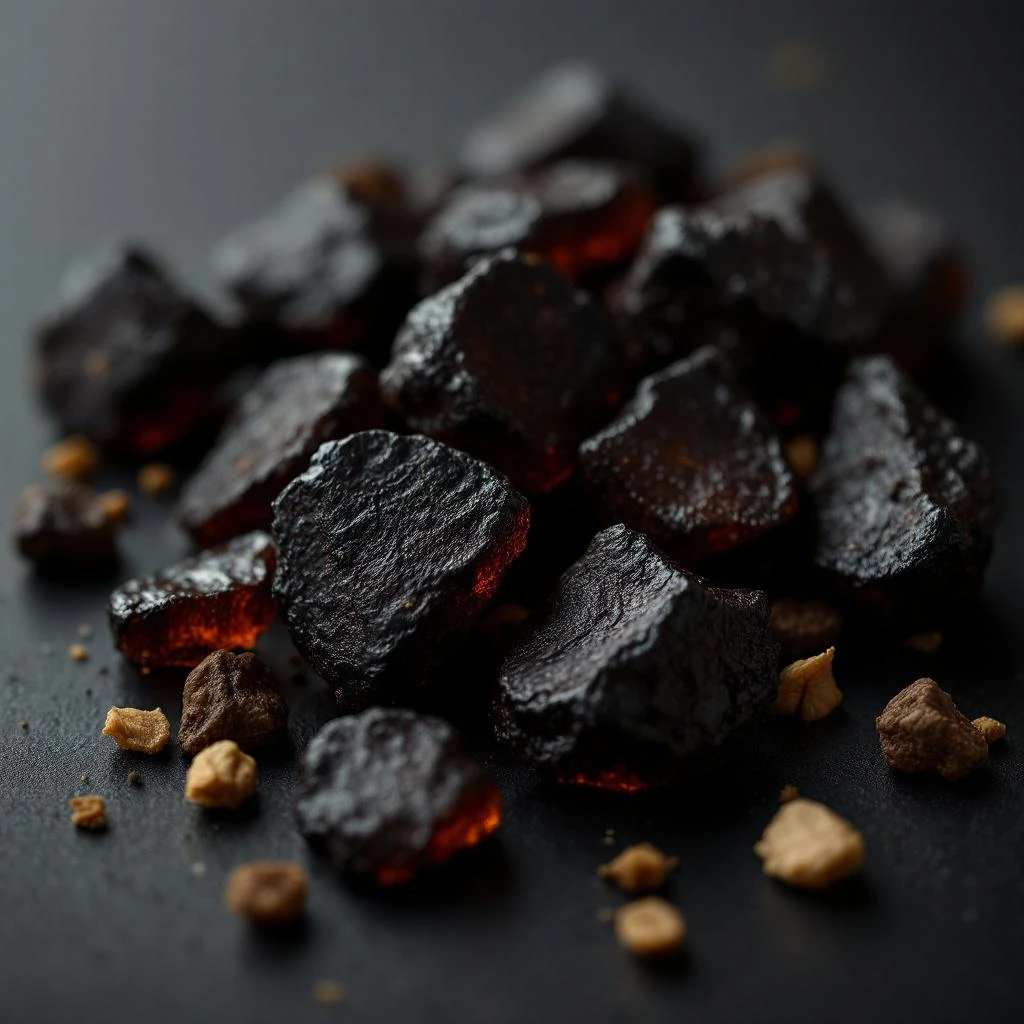
Hibiscus (Hibiscus sabdariffa) traces its fragrance heritage to Northeast Africa, where ancient Egyptians incorporated hibiscus alongside resins like frankincense and myrrh in ceremonial preparations. The calyces were prized for their vibrant color and distinctive tart-floral character.
Trade routes spanning the Red Sea and Mediterranean introduced hibiscus to Arabia and South Asia, where regional traditions developed unique applications. Tea (Camellia sinensis) originated in the mountainous borderlands of southern China and northeastern India, with documented use dating back thousands of years.
The convergence of these two botanical traditions in contemporary perfumery reflects the global exchange of aromatic materials. Modern extraction advances, particularly supercritical CO2 technology, have made Rosella Tea extracts more accessible to perfumers, though the ingredient remains relatively uncommon compared to traditional florals.
Wears it best
Fragrances featuring Rosella Tea
Brands
Brands known for Rosella Tea
Good to know
Questions, answered
The essentials on Rosella Tea in perfumery: how it smells, where it comes from, and how it behaves on skin.
What does Rosella Tea smell like in perfumery?
Rosella Tea presents a bright, tart-floral aroma with distinctive wine-like qualities from hibiscus, balanced by the aromatic, slightly astringent depth of tea. The combination creates a refreshing yet complex scent profile that is simultaneously uplifting and grounded. It adds a unique sweet-tart dimension that sets it apart from conventional floral notes.
Is Rosella Tea a natural or synthetic fragrance ingredient?
Rosella Tea can be either natural or synthetic depending on the formulation. Natural extracts come from Hibiscus sabdariffa calyces and Camellia sinensis leaves through solvent or CO2 extraction. Synthetic reproductions offer consistency and cost-effectiveness. High-quality natural extracts remain preferred in premium perfumery for their complexity and depth.
Which fragrance families commonly feature Rosella Tea?
Rosella Tea appears most frequently in fresh, modern, and gender-neutral fragrance compositions. It bridges floral and green families, complementing citrus, aquatic, and aromatic fragrance profiles. The note works particularly well in spring and summer scents where its bright, refreshing character enhances overall lift and vibrancy.
How long does Rosella Tea extract take to produce?
From harvest to finished extract, the production timeline spans several days to weeks. Fresh hibiscus calyces must be processed within 24 hours of harvest to prevent degradation. Extraction itself requires 24-48 hours, followed by concentration and quality assessment. This relatively short production window contributes to the ingredient's relative scarcity in perfumery.
What part of the hibiscus plant is used for fragrance extraction?
Fragrance extraction utilizes the calyces, which are the fleshy, cup-shaped sepals that protect the hibiscus flower and develop into the characteristic bright red fruit after blooming. These structures contain the highest concentration of aromatic compounds, including various acids and volatile aromatics responsible for the distinctive tart-floral scent.
Where does the hibiscus used in Rosella Tea fragrance come from?
Major production regions include Sudan, Egypt, Mexico, Thailand, and West African nations, where warm climates and appropriate growing conditions produce high-quality calyces with optimal aromatic compound profiles. Sudan is particularly renowned for its hibiscus cultivation, exporting significant quantities for both beverage and extract production.
What makes Rosella Tea unique among tea-based fragrance notes?
Unlike conventional tea notes that rely solely on Camellia sinensis, Rosella Tea combines two botanicals for added complexity. The hibiscus component introduces a tart, wine-like acidity that lifts the typically earthy, aromatic qualities of tea. This interplay creates a more vibrant, multi-dimensional scent experience than tea notes alone provide.
Does Rosella Tea have cultural significance beyond perfumery?
Hibiscus holds deep cultural significance in Egypt, where it appears in ancient papyrus records and was used in ceremonial contexts alongside myrrh and frankincense. In West Africa, hibiscus beverages serve important roles in hospitality traditions. These historical associations add cultural depth to the ingredient's fragrance applications.