The Story
Why it exists.
The beginning
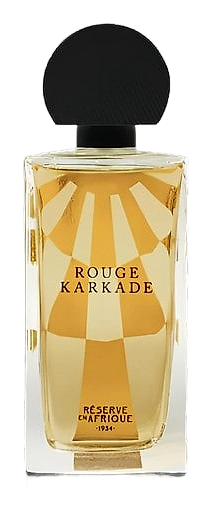
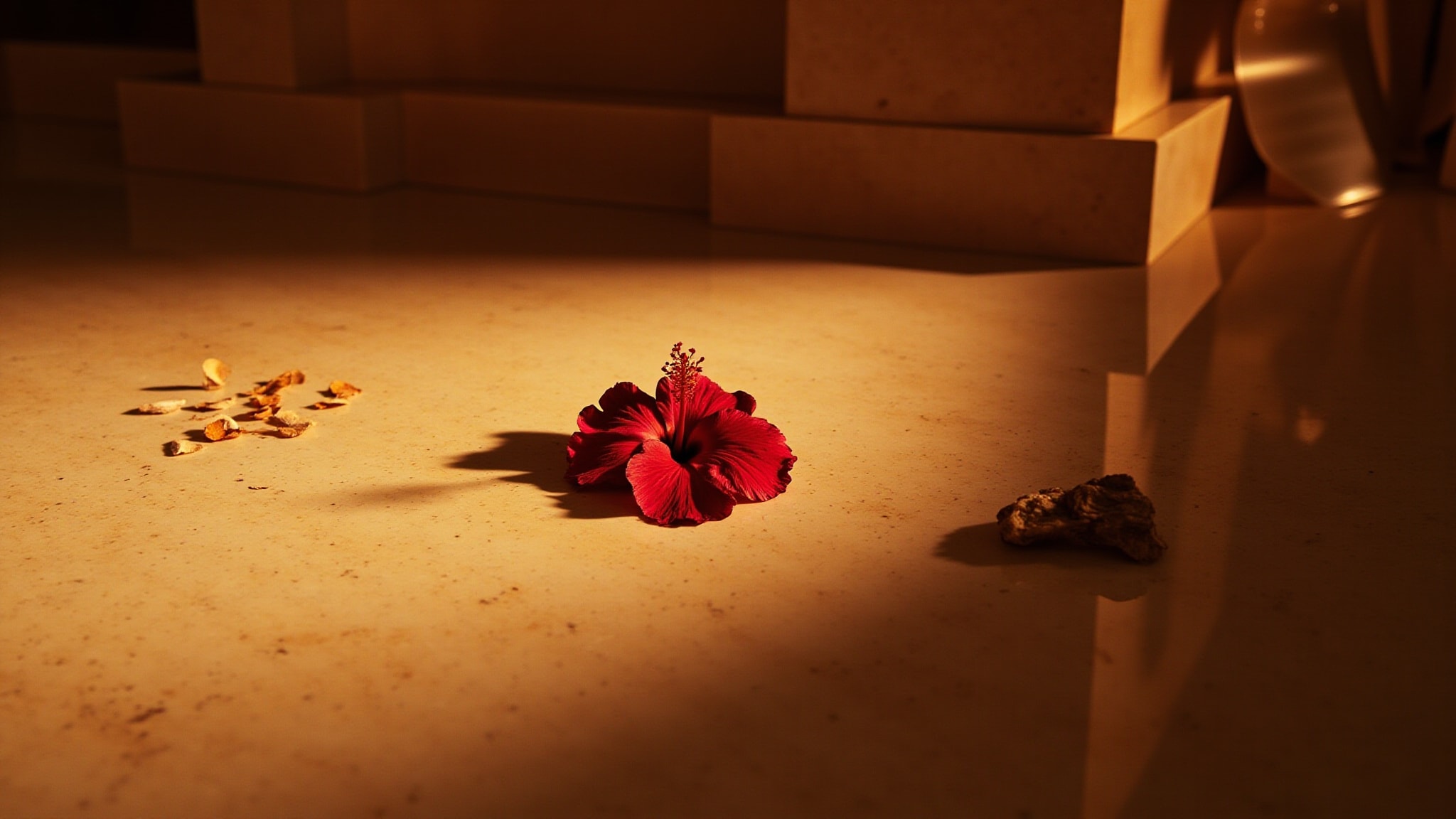
Rouge Karkade is named for karkade, the deep-red hibiscus tea served across North Africa, sweetened, sipped slowly, and offered to guests as a gesture of welcome. The fragrance translates that ritual into something you wear. Perfumer Coralie Spicher worked with hibiscus sourced from North Africa, building the composition around a flower that carries both tartness and beauty in equal measure. The brief was simple: make something that tastes like the moment the light turns golden over a desert city and everyone slows down.
The inclusion of buchu is unusual, this aromatic, slightly minty African plant rarely takes center stage in fine fragrance. Here it functions as a bridge: green enough to cut the sweetness of pomegranate, mineral enough to hint at the rocky landscapes where hibiscus thrives. The Comorian ylang-ylang brings a creamy warmth that prevents the composition from reading as all sharp edges. And the oud smoke at the base isn't theatrical, it's the memory of a fire lit outside, the kind that lingers on your clothes for hours after you walk back inside.
The evolution
The opening hits like cold hibiscus tea, tart, bright, almost astringent. Pomegranate softens it within minutes, adding a jammy sweetness that feels like a concession. Then the vanilla arrives. That's the turn. Everything tilts warm and lush, the ylang-ylang amplifying the creaminess until it almost overwhelms. Except it doesn't. The cedar and oud smoke hold the structure, grounding the sweetness in something dry and resinous. Eight to ten hours later, on unwashed skin, there's still a warmth left, the ghost of smoke and something faintly vanillic. On fabric, it can last into the next day.
Cultural impact
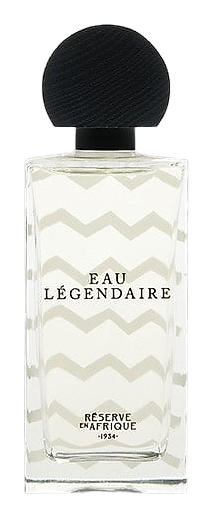
Rouge Karkade arrives at a moment when African niche perfumery is gaining serious international attention. Reserve En Afrique 1934, founded in Senegal in 2024, represents a new generation of perfumers who reject the notion that African ingredients serve only as supporting acts. By centering North African hibiscus and positioning buchu alongside classic Western materials, the house makes a statement about ingredient hierarchy. The fragrance also reflects a broader shift in luxury perfumery toward ingredient transparency and origin storytelling, where knowing the specific region of your ylang-ylang or the exact source of your oud has become part of the connoisseurship conversation.