Pomegranate Jam
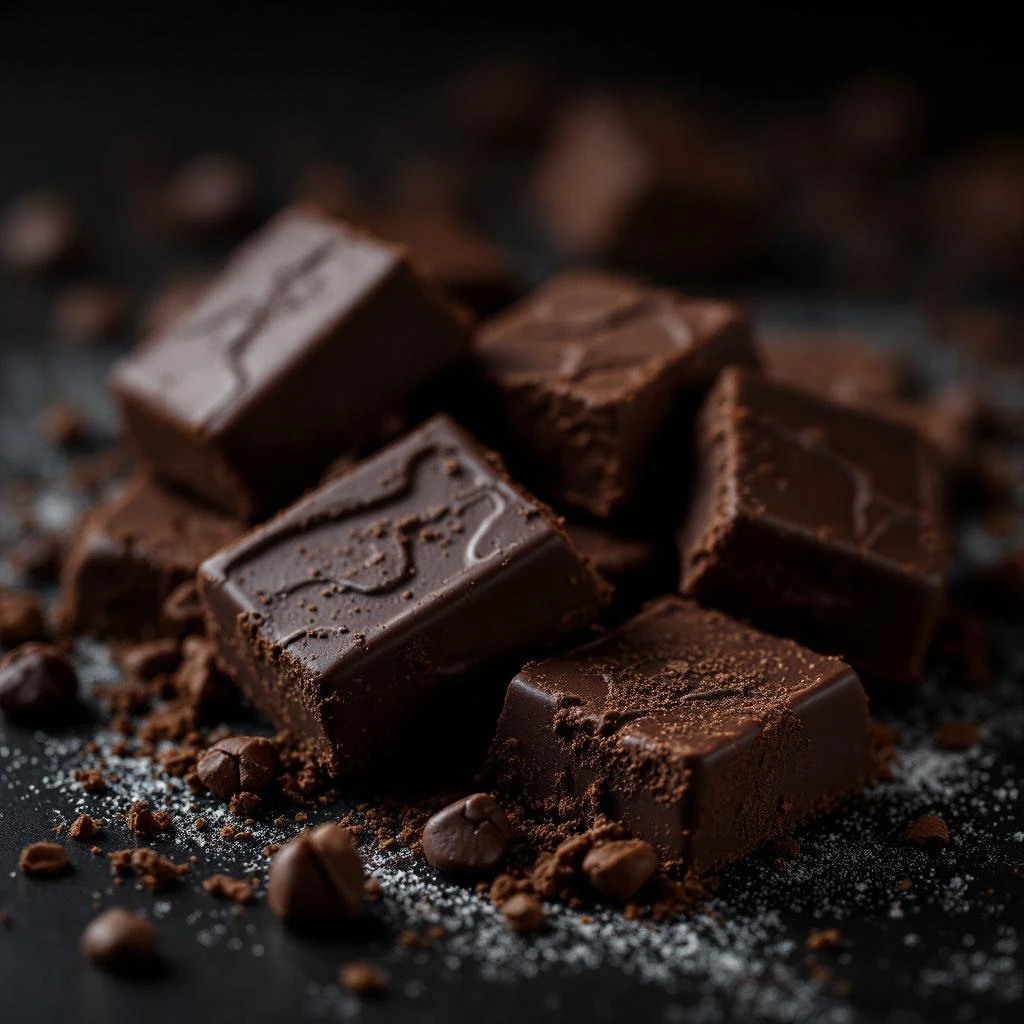
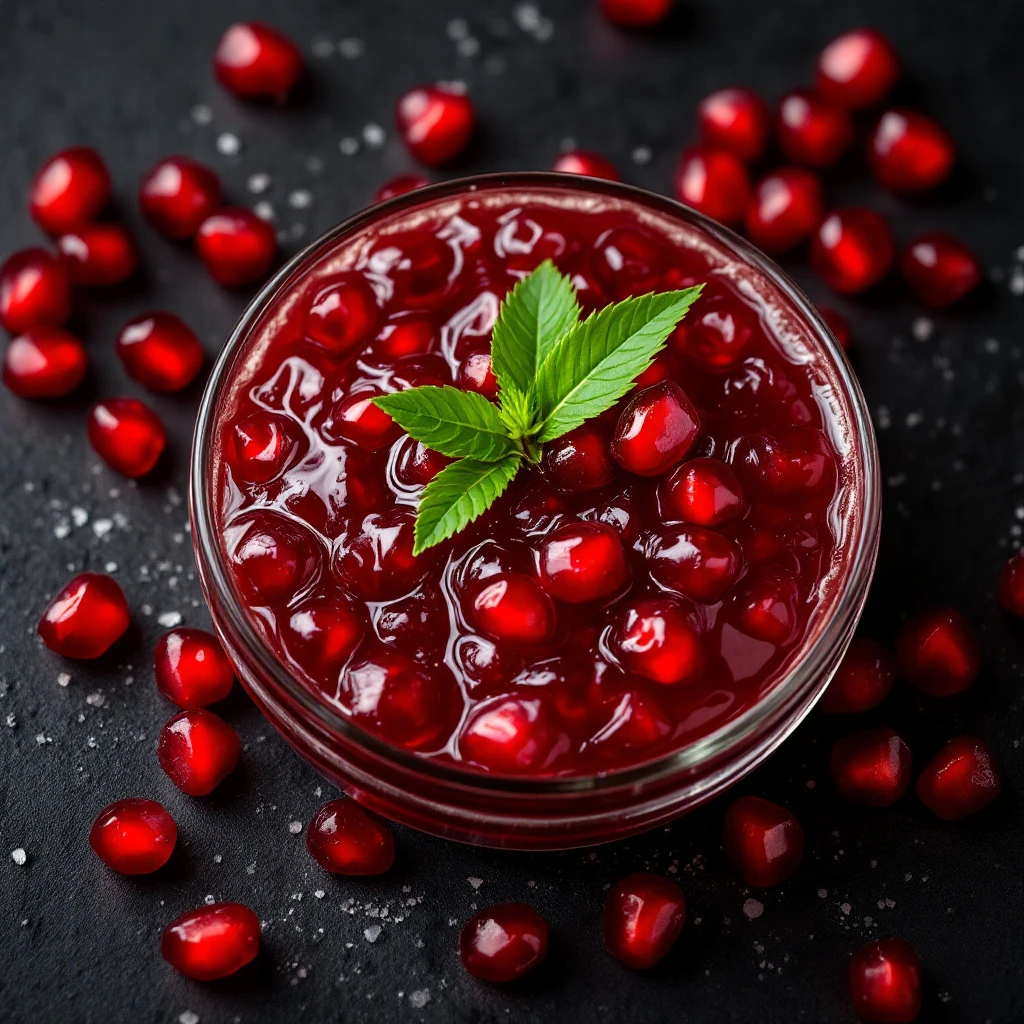
Pomegranate Jam captures the lush, jammy sweetness of cooked pomegranate with a deep, almost wine-like richness. It brings warmth and gourmand appeal to fragrances, evoking ruby-red arils reduced into a thick, fragrant preserve with subtle smoky undertones.
Character
How it smells
Sweet-tart jammy richness with wine-like depth.
Ancient Persians called pomegranate the 'fruit of paradise' and buried warriors with its seeds for their journey to the afterlife.
Pairs beautifully with


Origin
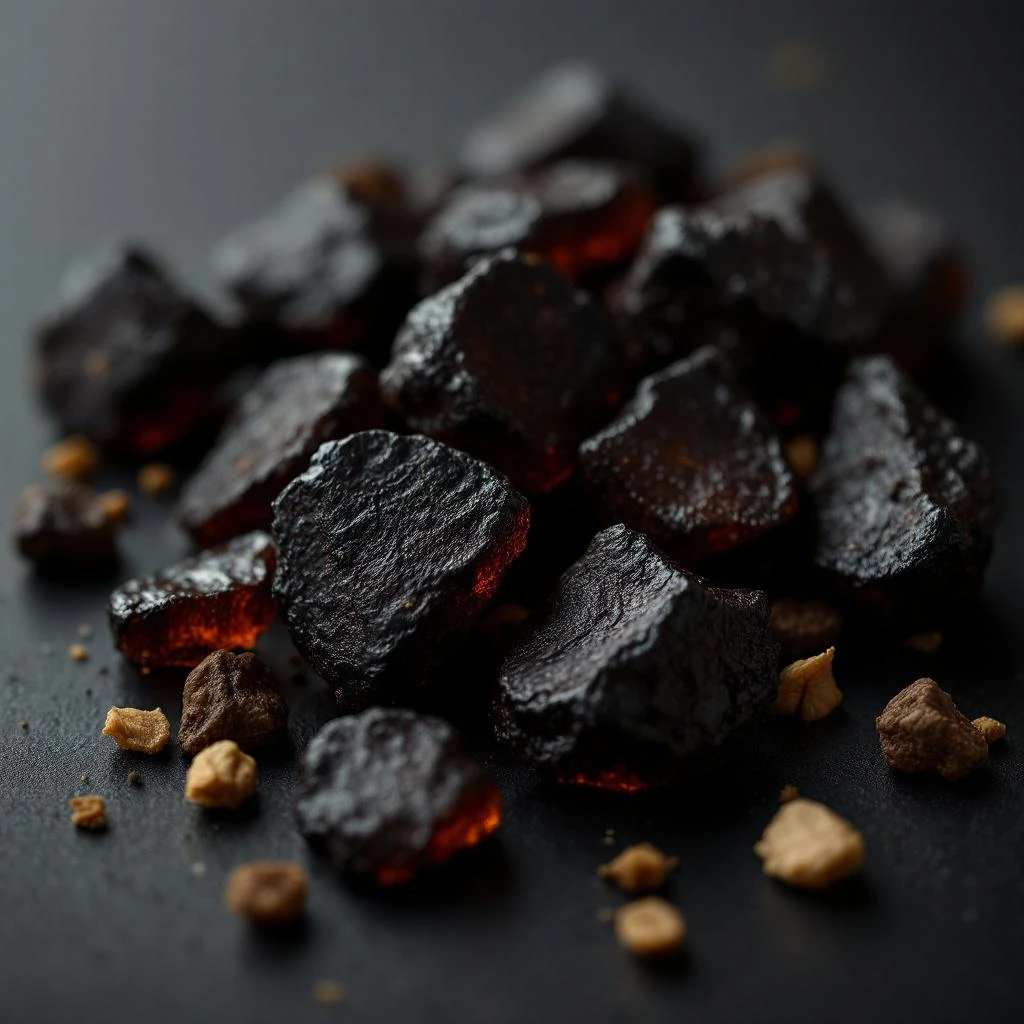
Iran
Pomegranate has accompanied human civilization for over 4,000 years, appearing prominently in Mesopotamian texts around 2000 BCE and Egyptian burial rituals. The ancient Greeks associated it with Persephone, whose descent into the underworld was sealed by eating pomegranate seeds. Native to the region stretching from Iran through northern India, pomegranate orchards spread along trade routes to the Mediterranean, where Carthaginian traders carried the fruit across the Western world.
While ancient perfumers likely used the fruit in early scented preparations, the specific 'jam' interpretation emerged more recently as perfumers sought gourmand-inspired ingredients that evoke comfort and indulgence. The fruit's dual sweet-tart character made it a natural candidate for reconstruction as a concentrated, cooked note that could anchor oriental and fruity fragrance compositions.
Wears it best
Fragrances featuring Pomegranate Jam
Brands
Brands known for Pomegranate Jam
Good to know
Questions, answered
The essentials on Pomegranate Jam in perfumery: how it smells, where it comes from, and how it behaves on skin.
What does Pomegranate Jam smell like in perfume?
Pomegranate Jam smells like cooked, concentrated pomegranate with sweet-tart depth and wine-like richness. It has a jammy, almost syrupy quality with subtle smoky undertones that reads as warm and slightly gourmand without being overly sweet.
Is Pomegranate Jam a natural or synthetic ingredient?
Pomegranate Jam is typically an accord reconstruction built from natural isolates and nature-identical aroma chemicals. Natural pomegranate absolute exists but is rarely used; perfumers more commonly build the 'jam' effect by combining specific aroma molecules to replicate that cooked, jammy character.
What fragrances feature Pomegranate Jam as a key note?
Several niche and designer houses feature pomegranate, particularly in oriental and fruity-gourmand compositions. Damiani's Pomegranate Leather, Annick Goutal's Grands Crus collection, and L'Artisan Parfumeur's noir fragrances commonly showcase this note in their heart or base compositions.
How does Pomegranate Jam differ from fresh pomegranate in fragrance?
Fresh pomegranate in perfume tends toward bright, crisp, watery-fruity effects with sharp tartness. Pomegranate Jam captures the deeper, rounder character of cooked fruit, adding warmth, sweetness, and a caramelized quality that reads as more indulgent and long-lasting on the skin.
What notes pair well with Pomegranate Jam?
Pomegranate Jam harmonizes with rose and oud for an opulent oriental feel, vanilla and benzoin for gourmand warmth, and dark berries or plum for enhanced fruity depth. It also works with incense and leather notes to create smoky, dramatic compositions.
Has pomegranate been used historically in perfumery?
While pomegranate appears in ancient texts and rituals, its use as a named perfumery note is relatively modern. Ancient perfumers used the fruit in potpourri and scented oils, but the specific 'jam' reconstruction emerged in the late 20th century as fragrance houses began exploring more complex fruit accords.
What aroma chemicals create the pomegranate jam effect?
Key chemicals include damascenone (fruity-wine), gamma-decalactone (peachy-jammy), various aldehydes for lift, and sometimes vanillin or ethyl vanillin for warmth. Tartness comes from acids like C6 and C8 aldehydes, while depth often incorporates trace amounts of smoky or woody molecules.
Does Pomegranate Jam work year-round or is it seasonal?
Pomegranate Jam reads as a versatile note that performs well in autumn and winter for its warm, gourmand character, yet can transition into spring when paired with brighter florals. Its depth makes it particularly effective in evening fragrances regardless of season.