Rose Syrup
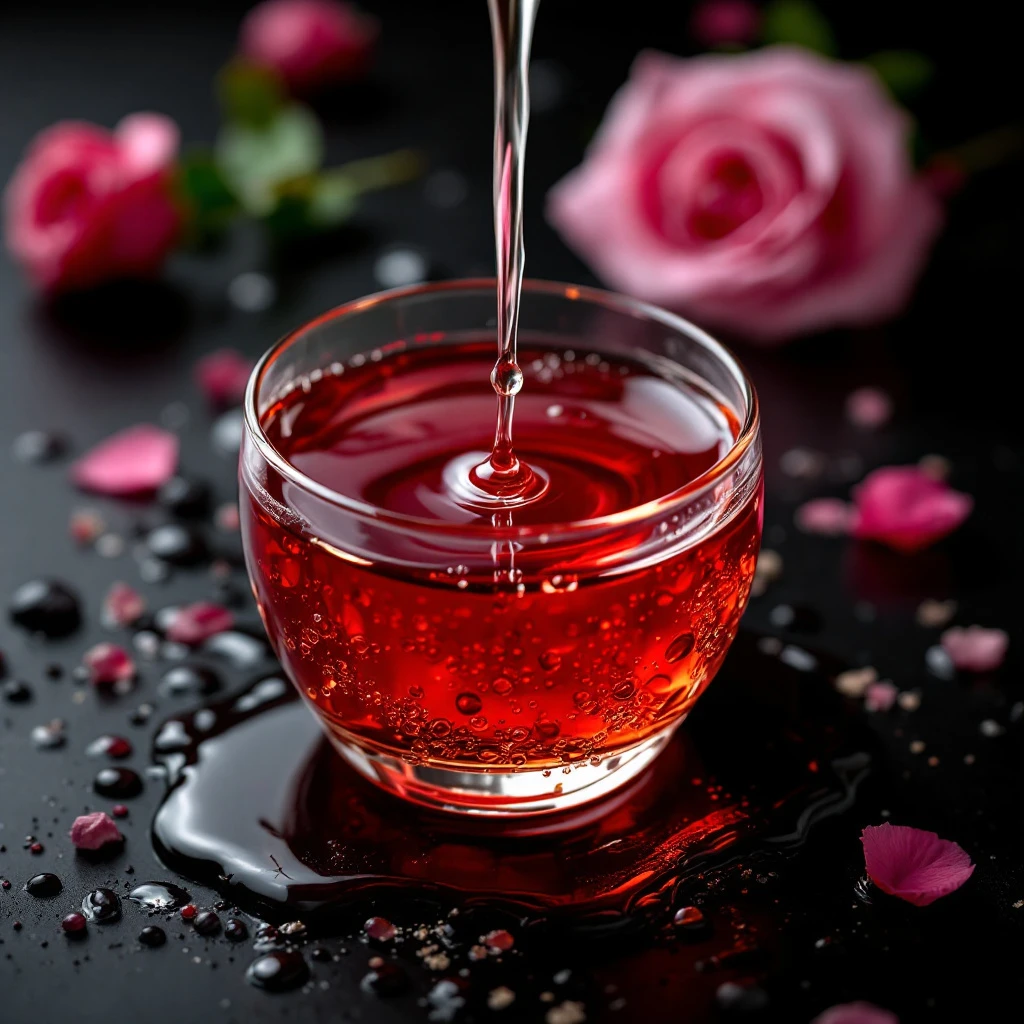
Rose syrup captures the honeyed depth of rose in its most concentrated, edible form. This sweet, viscous accord brings perfumers a liqueur-like intensity that bridges fine fragrance and culinary tradition.
Character
How it smells
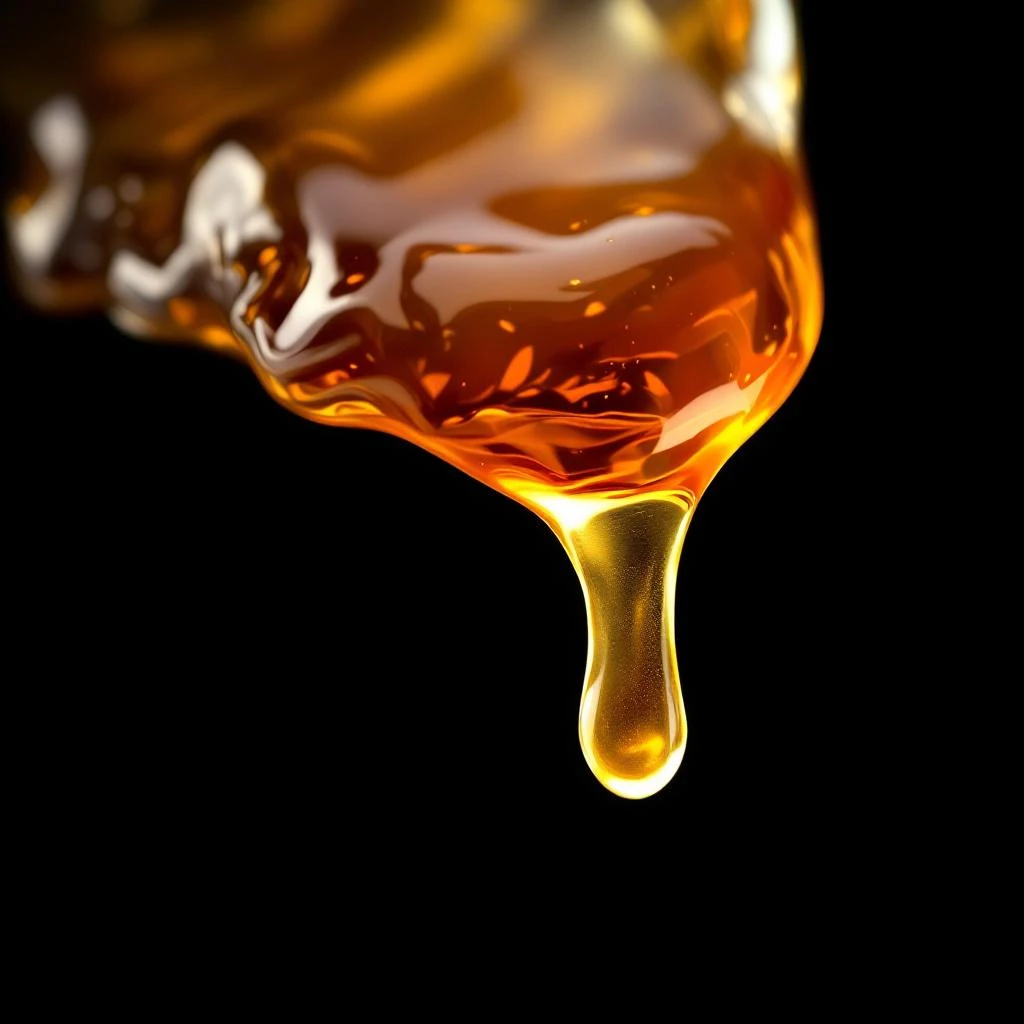
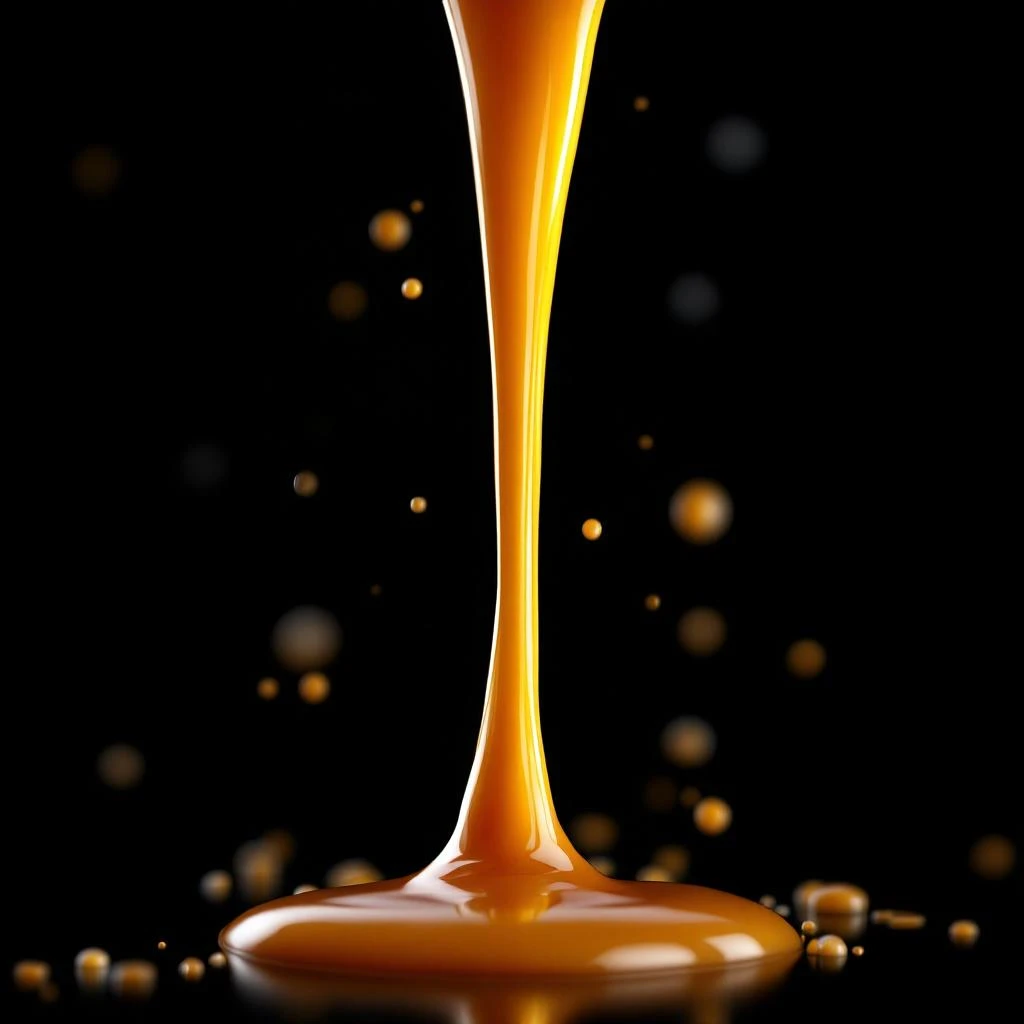
The edible elegance of rose, reduced to liquid gold.
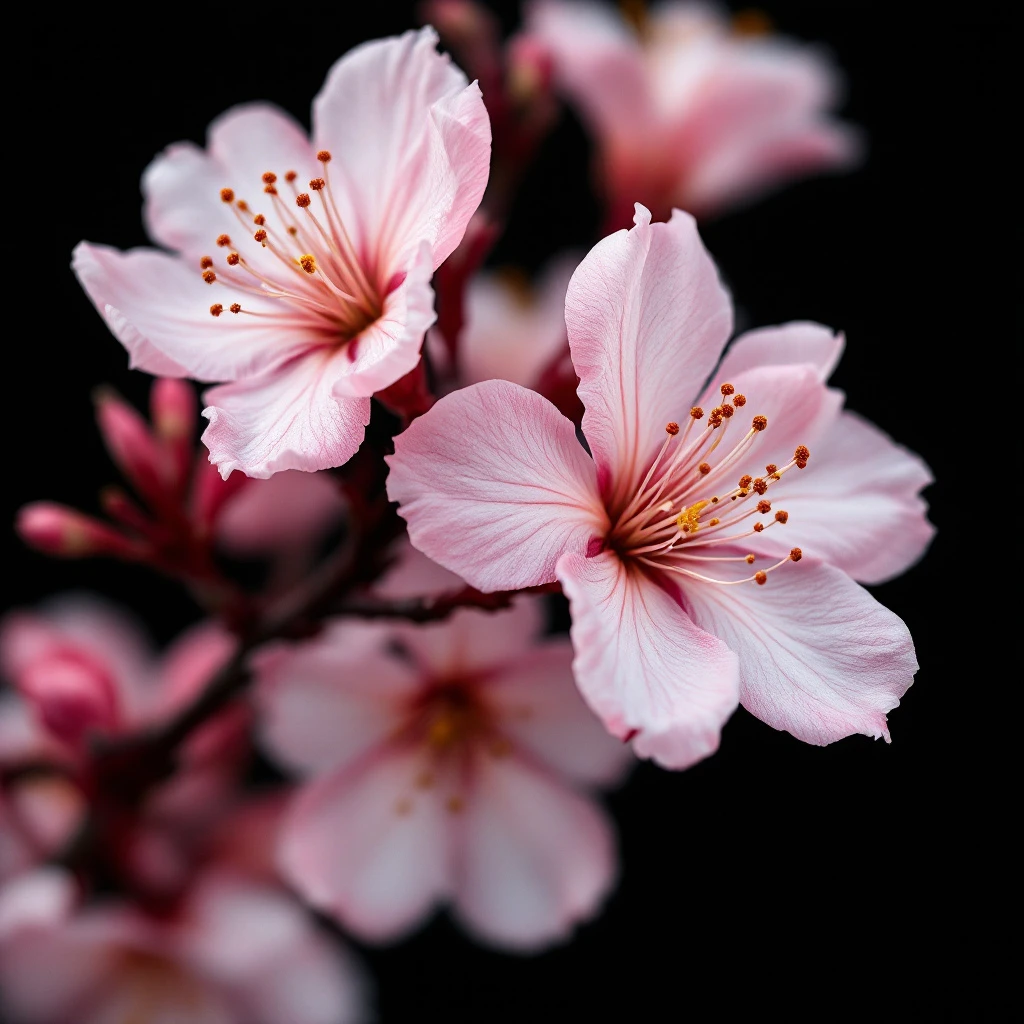
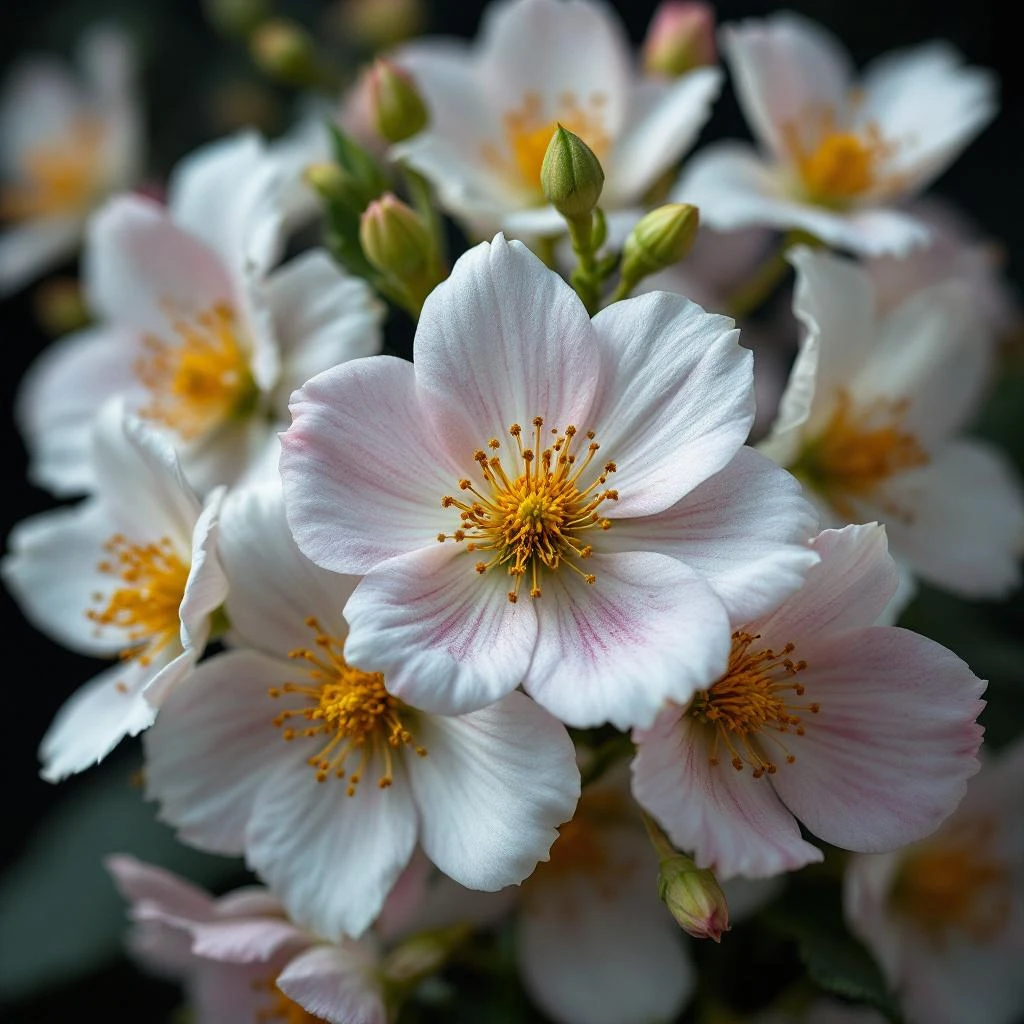
One kilogram of fresh rose petals yields only 30-40 grams of concentrated syrup, making each drop intensely potent.


Origin
Turkey
Rose cultivation for perfumery dates to ancient Persia around the 10th century, where attar of rose was first distilled. The concept of rose syrup, however, emerged from the culinary traditions of the Ottoman Empire and medieval Arabia, where rose water reduced with sugar created medicinal cordials.
Persian physicians prescribed these syrups for digestive ailments and mood enhancement. The ancient Egyptians had earlier used honey-sweetened rose preparations in their temples.
When Renaissance European apothecaries adopted these recipes, rose syrup entered Western perfumery as a specialty ingredient. The material bridges perfumery's dual heritage: the sacred aromatic traditions of ancient ritual and the domestic sweetness of rose preserves still made today in Moroccan and Turkish souks.
Wears it best
Fragrances featuring Rose Syrup
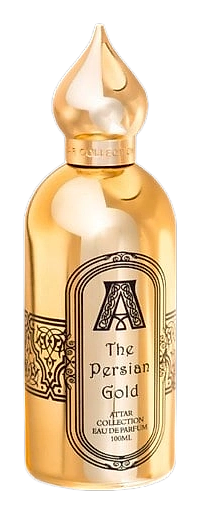
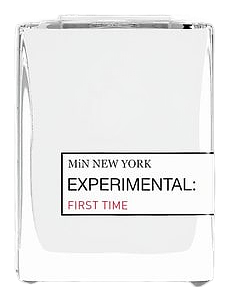
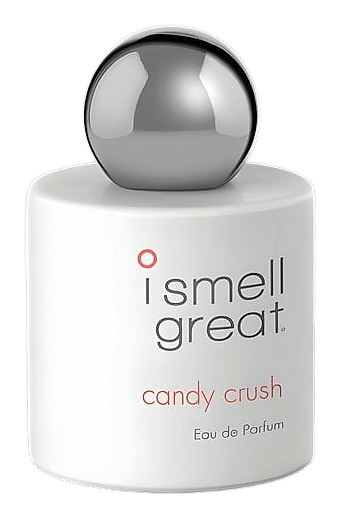
Brands
Brands known for Rose Syrup
Good to know
Questions, answered
The essentials on Rose Syrup in perfumery: how it smells, where it comes from, and how it behaves on skin.
What does rose syrup smell like in a fragrance?
Rose syrup delivers an intensely sweet, honeyed rose with jammy depth and a slight tartness. It reads as more concentrated and edible than standard rose absolute, adding warmth and a liqueur-like quality to fragrance heart notes.
Is rose syrup a natural or synthetic ingredient?
Rose syrup is a specialty natural preparation made from fresh Rosa damascena petals infused in sugar solution. Some perfumers create syrupy rose effects using a combination of natural rose otto and synthetic honey or vanillin molecules.
When is rose syrup added during fragrance formulation?
Perfumers add rose syrup in the heart or middle phase of fragrance development. Its concentrated sweetness works best when blended with lighter top notes that can carry its dense, syrupy character without overwhelming the composition.
What fragrance families pair well with rose syrup?
Rose syrup harmonizes with oriental fragrances, gourmand compositions, and amber bases. It amplifies the sweetness of benzoin, vanilla, and sandalwood while adding a floral dimension that prevents oriental blends from becoming too heavy.
How does rose syrup differ from rose absolute?
Rose absolute comes from solvent extraction of petals and captures the full aromatic profile. Rose syrup specifically emphasizes the sweet, viscous, edible quality of rose, often with a honeyed note that traditional absolutes lack.
Which rose species are used to make rose syrup for perfumery?
Rosa damascena, the Damask rose, provides the primary source for quality rose syrup. Some producers also use Rosa centifolia from Grasse, France, which offers a more complex, slightly spicy floral character.
Can rose syrup cause skin sensitivity?
Rose syrup contains fewer allergens than traditional rose absolutes because the infusion process extracts fewer of the volatile sensitizing compounds. However, patch testing remains advisable for sensitive skin.
How much rose syrup is needed in a fragrance formula?
Rose syrup is highly concentrated. Perfumers typically use it at 0.5-3% of the total fragrance concentrate. Its potency means even small amounts deliver significant sweet rose character to a composition.