Roasted Venezuelan Tonka Bean
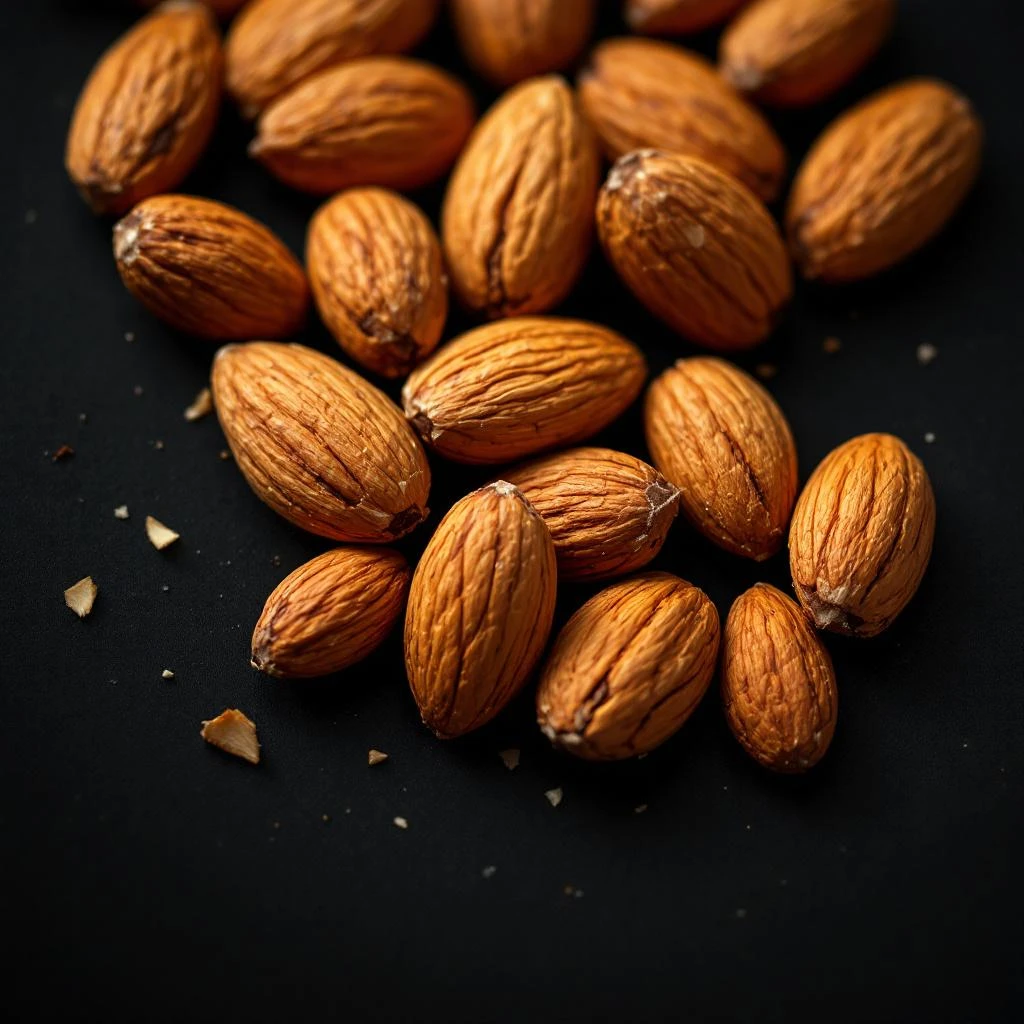
Harvested from the Dipteryx odorata tree deep in Venezuela's forests, roasted tonka beans deliver one of fragrance's most irresistible scents. Warm vanilla, spiced almond, and tobacco undertones unite in a texturally rich ingredient that has shaped modern perfumery for over a century.
Character
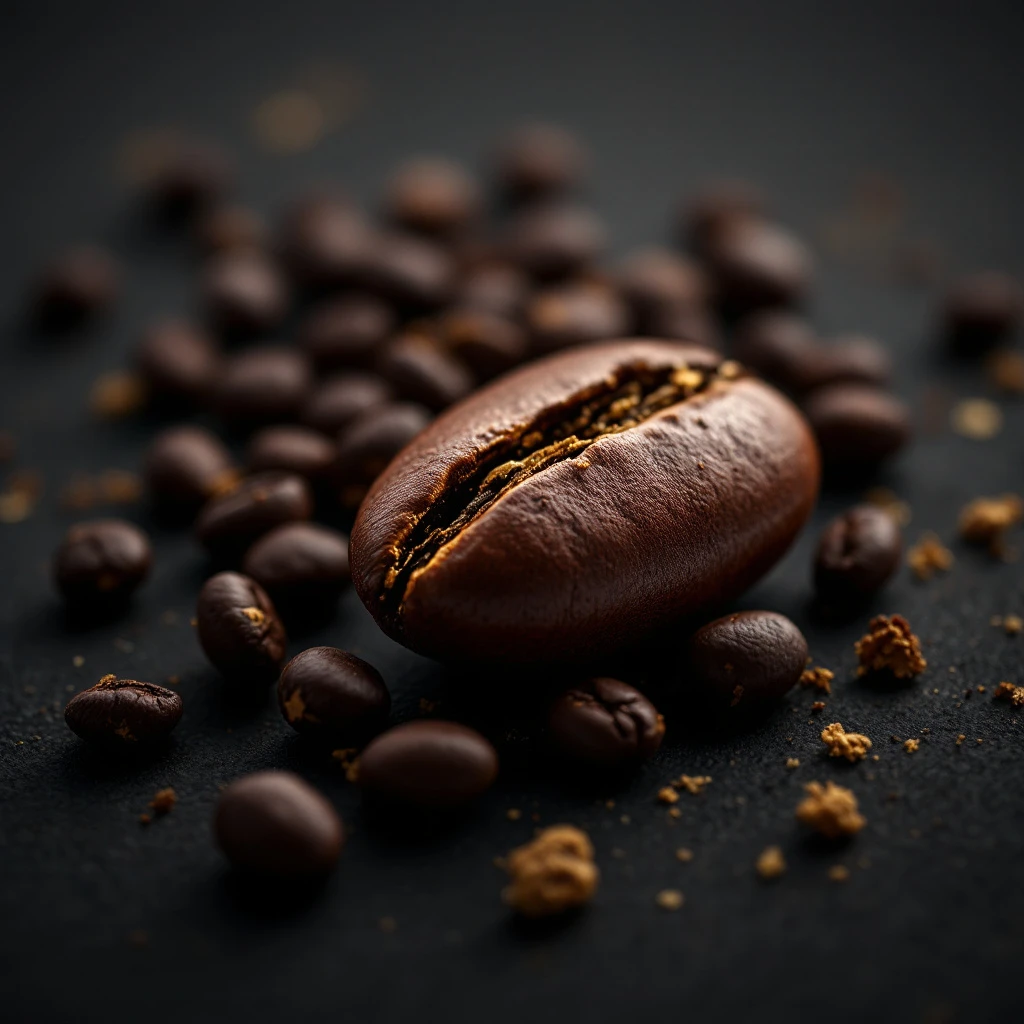
How it smells
A warm embrace of vanilla, spice, and sweetness.
Though banned as a food in the US due to coumarin content, tonka bean appears in over 30% of modern fragrances worldwide.





Origin
Venezuela
Tonka bean first drew international scientific attention in 1820, when German chemist August Vogel isolated coumarin from the seeds, though he initially misidentified the compound. The isolation marked the beginning of systematic study into what would become one of perfumery's most significant aroma chemicals. By 1868, English chemist William Henry Perkin successfully synthesized coumarin, opening the door to broader industrial use.
The synthetic version democratized access to the material, but natural tonka remained prized for its complexity. Venezuela emerged as the premier source, its tropical climate producing beans with particularly rich coumarin content. The ingredient played a defining role in creating the fougère fragrance family when Houbigant released Fougère Royale in 1882, combining lavender, coumarin, and oakmoss.
That perfume established a template that continues influencing masculine fragrances today. Despite regulatory restrictions on food use in several countries, including the US ban citing coumarin concerns, the fragrance industry maintains robust demand. Venezuelan tonka harvesting supports approximately 15,000 people in rural communities, connecting global perfume culture to indigenous labor and traditional ecological knowledge.
Wears it best
Fragrances featuring Roasted Venezuelan Tonka Bean

Brands
Brands known for Roasted Venezuelan Tonka Bean
Good to know
Questions, answered
The essentials on Roasted Venezuelan Tonka Bean in perfumery: how it smells, where it comes from, and how it behaves on skin.
What does roasted Venezuelan tonka bean smell like?
Roasted Venezuelan tonka bean delivers warm, sweet, and spicy notes resembling vanilla, almond, and tobacco. The roasting process amplifies caramelized and nutty nuances while softening coumarin's natural sharpness.
Why is Venezuelan tonka bean considered premium?
Venezuela produces tonka beans with particularly high coumarin content due to the region's tropical climate and soil conditions. The beans develop exceptional aromatic complexity compared to other origins.
Is synthetic coumarin the same as natural tonka bean?
Synthetic coumarin replicates the primary aroma chemical but lacks the full aromatic depth of natural tonka. Natural extraction preserves minor compounds that create the ingredient's characteristic warmth and complexity.
Why is tonka bean banned as food in the United States?
The FDA prohibits tonka bean in food products due to coumarin content, which in large quantities may pose health risks. The regulation does not extend to topical fragrance use, where coumarin concentrations are far lower.
How does roasting affect tonka bean's scent?
Roasting applies controlled heat that triggers Maillard reactions, developing deeper caramel and nutty notes. The process also tempers coumarin's sharpness, producing a smoother, more rounded aroma profile.
What fragrance families use roasted tonka bean?
Roasted tonka bean appears across oriental, gourmand, fougère, and woody fragrance families. Its versatility makes it a staple in both masculine and feminine compositions as a base note.
What is coumarin's role in tonka bean fragrance?
Coumarin provides tonka bean's characteristic sweet, hay-like scent with almond undertones. First isolated in 1820, it remains the primary aromatic compound responsible for the ingredient's signature warmth.
How is tonka bean harvested in Venezuela?
Harvesters collect mature pods from Dipteryx odorata trees in tropical forests, extract the black seeds, and dry them in sunlight. This traditional method preserves the aromatic compounds while preparing beans for further processing.