Roasted Japanese Sesame
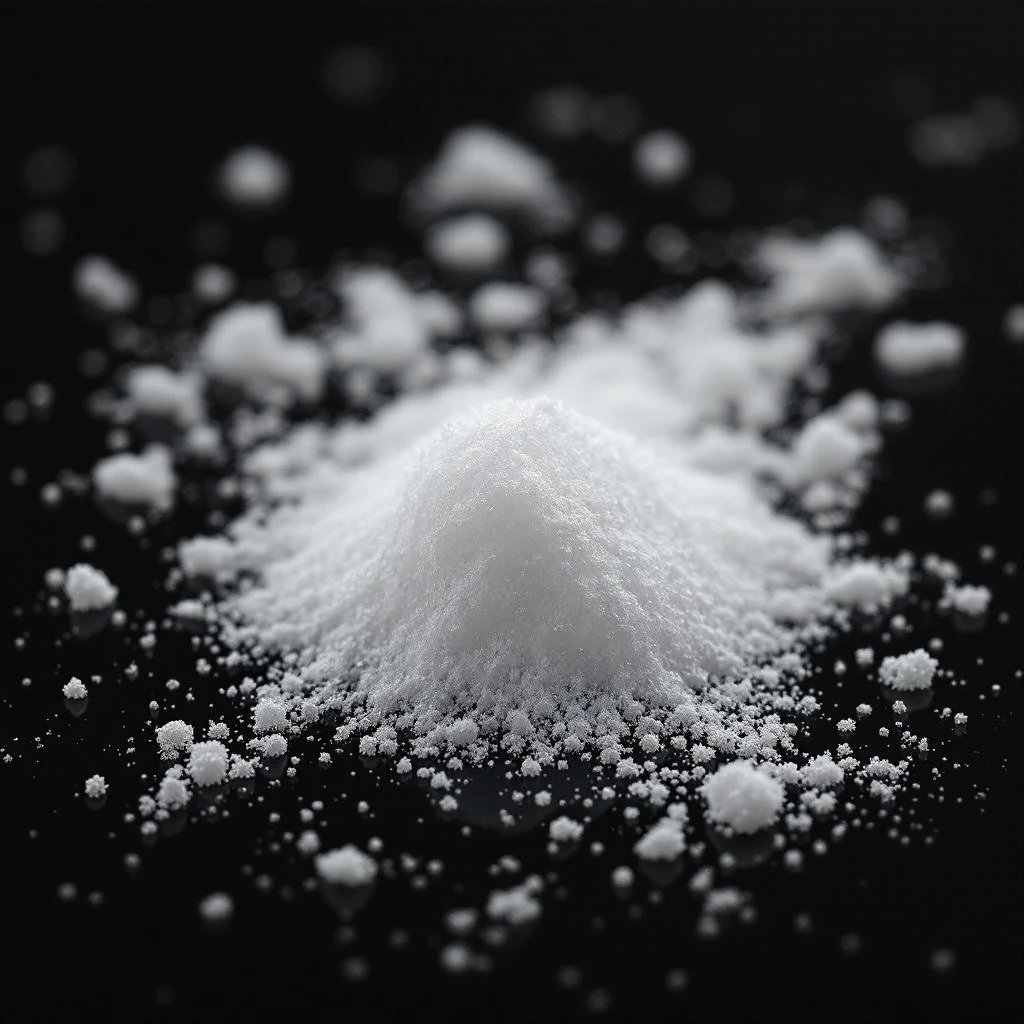
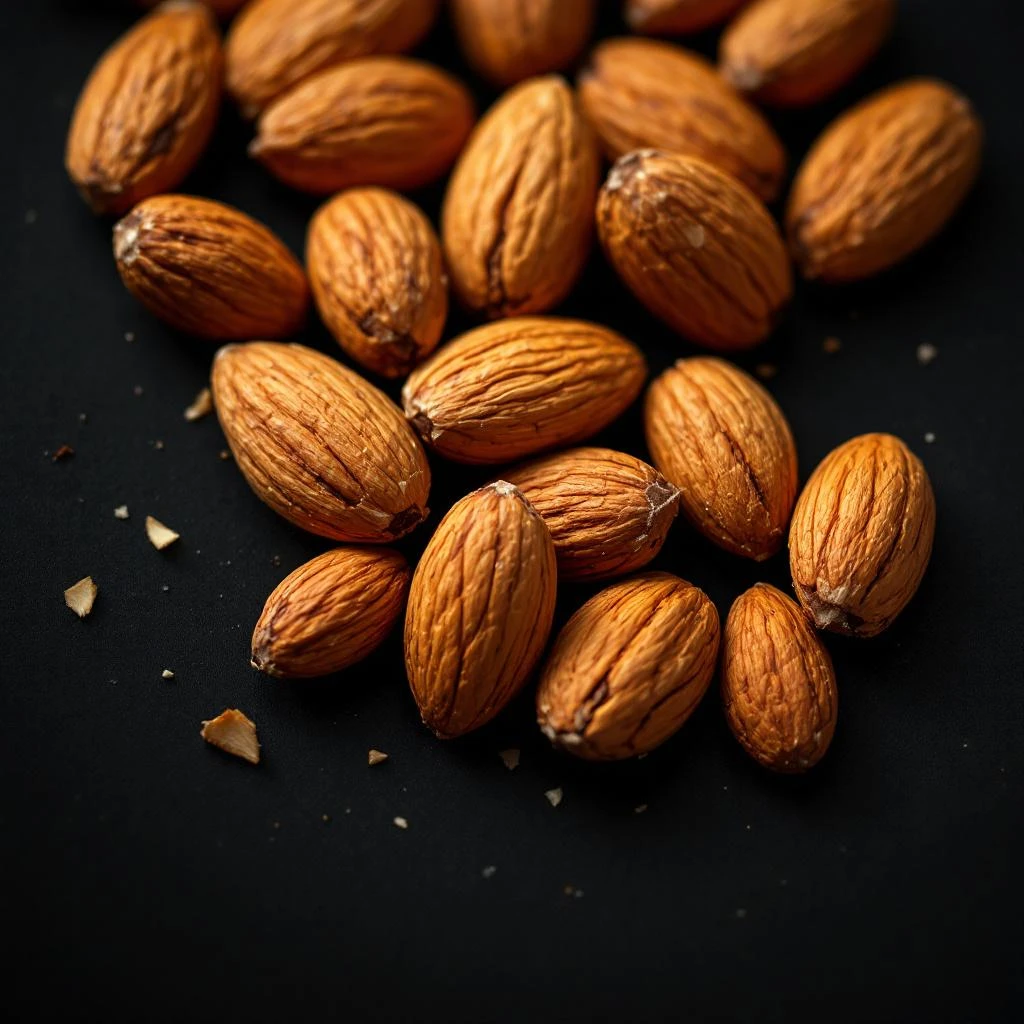
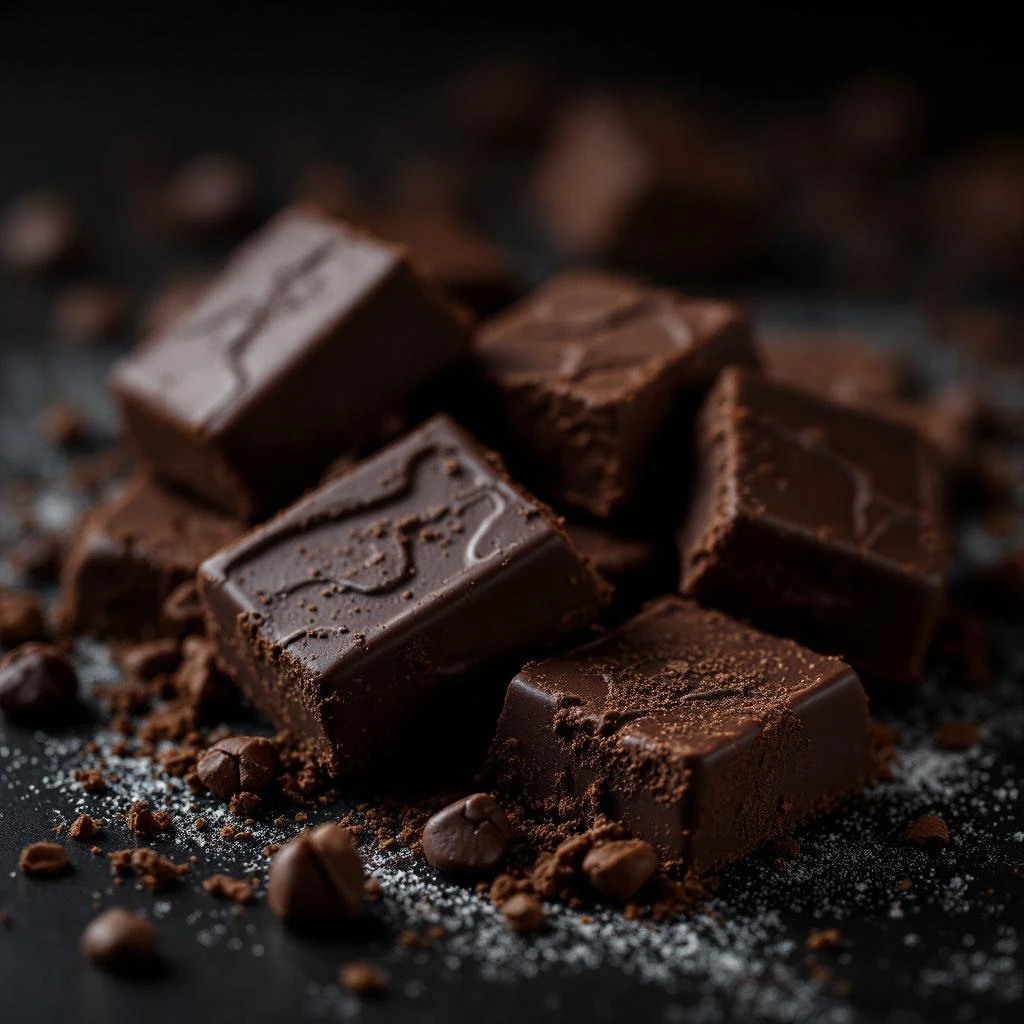
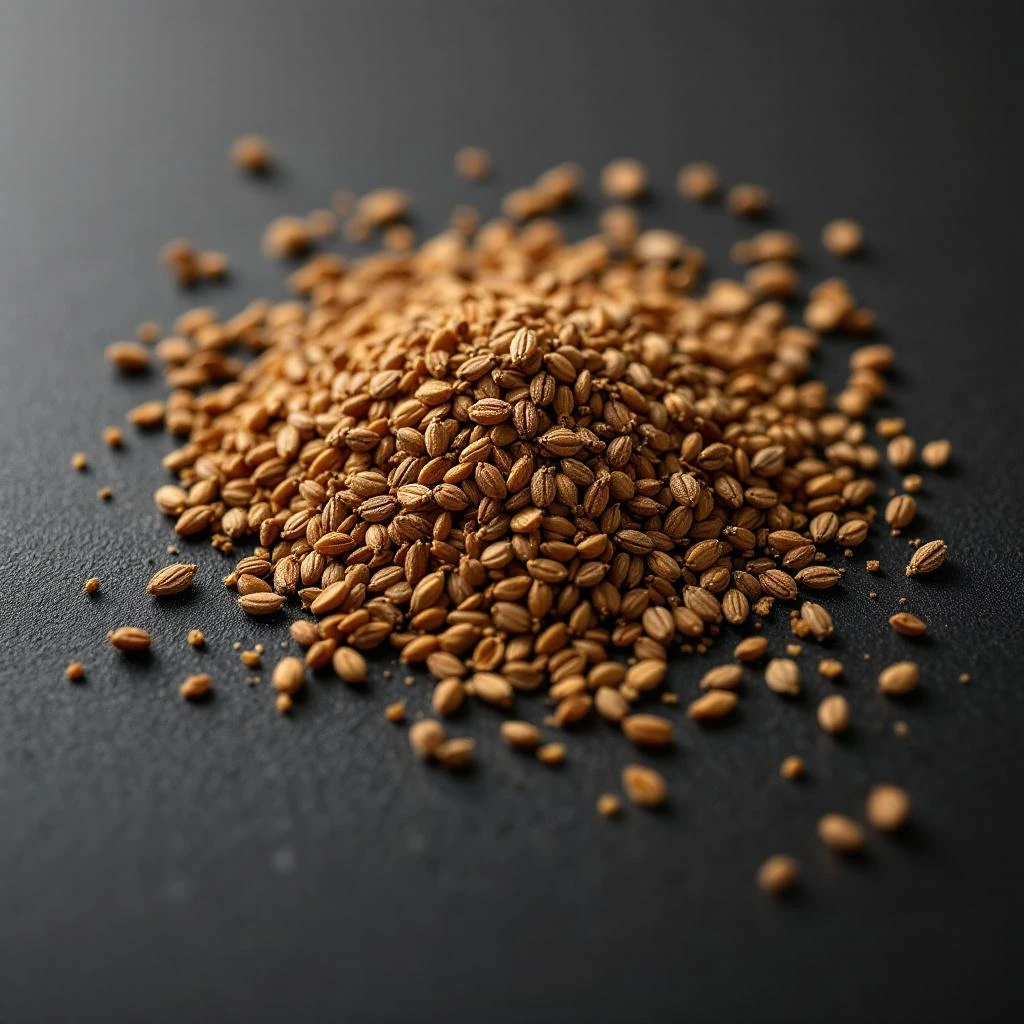
Roasted Japanese sesame brings a deep, toasted richness to perfumery—its warm, nutty aroma sits at the crossroads of the kitchen and the laboratory. Faithful to the seed, this note blends exotic spice with an unsweetened gourmand quality that few ingredients achieve.
Character
How it smells
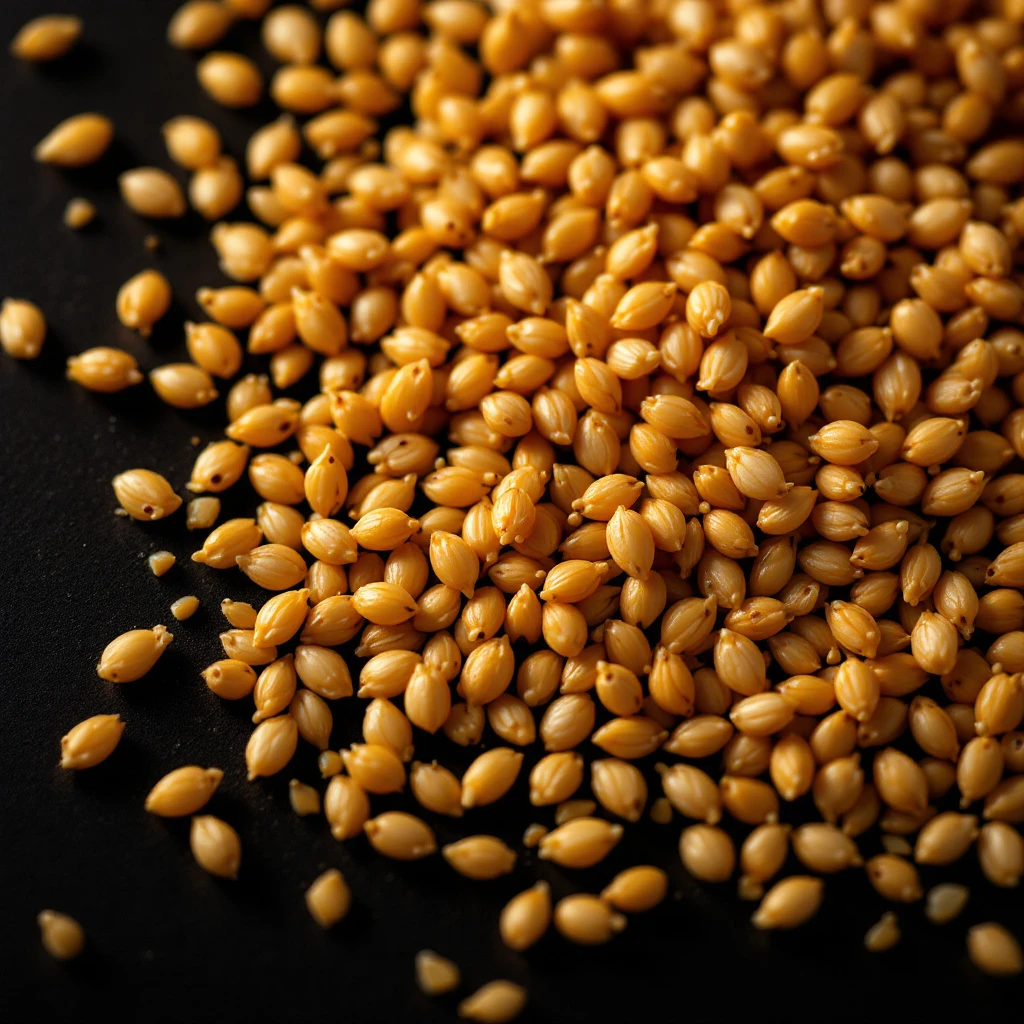
Deep, toasty, and umami-rich—the soul of Japanese kitchens.
Sesame is the oldest known oilseed plant in history, cultivated for over 4,000 years in Southeast Asia.





Origin
Japan
Sesame ranks among the oldest cultivated oilseed crops on Earth, with evidence of domestication dating back more than 4,000 years. Indigenous to the Sunda Islands of Indonesia, the plant spread early along ancient trade routes to India, China, and the Middle East. Chinese records document sesame cultivation by 300 BCE, and the crop reached Korea and Japan by the 8th century through cross-cultural exchange.
In traditional Chinese medicine, sesame seeds were valued for their warming properties, and the oil served as a carrier in ancient perfumery across India and Mesopotamia—diluting and stabilizing aromatic compounds long before modern extraction techniques existed. Japan developed its own distinctive relationship with sesame, elevating roasting to an art form. The Japanese technique of toasting sesame seeds until deeply golden and fragrant became central to culinary traditions, producing the rich, complex oil integral to dishes like gomashio and tempura.
This roasting culture influenced how Japanese perfumers approached the ingredient, favoring depth and intensity over raw seed character. Today, roasted Japanese sesame remains a bridge between East Asian food heritage and contemporary niche perfumery, valued for its ability to add warmth, texture, and a refined gourmand quality without sweetness.
Wears it best
Fragrances featuring Roasted Japanese Sesame
Brands
Brands known for Roasted Japanese Sesame
Good to know
Questions, answered
The essentials on Roasted Japanese Sesame in perfumery: how it smells, where it comes from, and how it behaves on skin.
How does roasted Japanese sesame smell compared to regular sesame?
Roasted Japanese sesame carries a deeper, more caramelized aroma than untoasted sesame. The roasting process triggers Maillard reactions that produce rich, toasty, almost buttery notes with an unsweetened gourmand edge. Standard sesame reads as lighter and nuttier; the roasted Japanese variant is warm, complex, and distinctly savory.
Why is CO2 extraction preferred for sesame in perfumery?
Supercritical CO2 extraction operates at low temperatures, preserving volatile aromatic compounds that heat-based methods would destroy. It captures the full roasted, nutty character of sesame without degradation, yielding a concentrated extract that performs reliably in fragrance formulations.
What gives roasted sesame its distinctive aroma?
The characteristic aroma develops during roasting through two chemical processes: the Maillard reaction between amino acids and sugars, and caramelization of natural seed sugars. These reactions produce pyrazines and furans that give the extract its warm, toasted, and slightly caramelized scent profile.
What fragrances pair well with roasted Japanese sesame?
It complements woody materials like sandalwood and cedarwood, warm spices such as cardamom and saffron, and other gourmand notes including tonka bean and benzoin. It also adds unexpected depth to marine or ozonic compositions, creating tension between warmth and freshness.
Is roasted Japanese sesame used in food as well as perfumery?
Yes. In Japan, toasted sesame seeds are ground into pastes and oils central to the cuisine—used in gomashio, tahini-like dips, and salad dressings. The perfumery extract derives from the same seeds, but the roasting process for fragrance is calibrated for aromatic intensity rather than flavor.
How is roasted sesame oil different from the perfumery extract?
Roasted sesame oil is cold-pressed from toasted seeds and retains a lighter, more delicate sesame character. The CO2 perfumery extract is more concentrated, with deeper roasted and nutty facets. The extract offers greater consistency and longevity in fragrance applications.
What role did sesame play in historical perfumery?
In ancient India and Mesopotamia, sesame oil functioned as a carrier oil—diluting and stabilizing aromatic compounds in early perfumery. While not an aromatic ingredient itself, this role established sesame as a perfumery-relevant material long before modern extraction techniques emerged.
Is roasted Japanese sesame safe for use in skin contact fragrances?
Regulatory bodies including IFRA approve sesame-derived materials for cosmetic use with standard concentration limits. However, sesame is a known food allergen, and formulators should note this for leave-on skin applications. Most perfumery usage occurs at low concentrations where sensitivity risk is minimal.