Roasted Barley
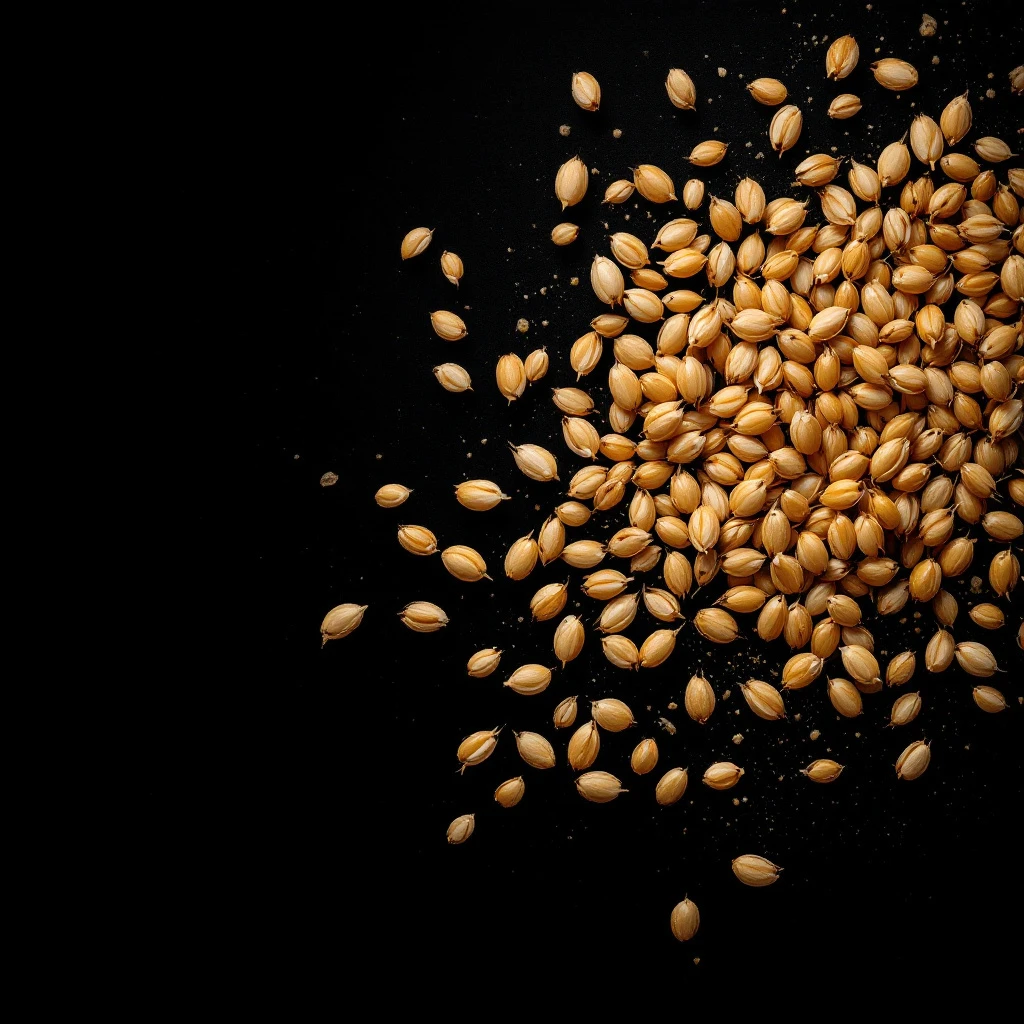
The warm, toasted aroma of sun-dried grains caramelized to bring comforting depth and subtle smokiness to fragrance compositions.
Character
How it smells
Grain, smoke, comfort. A whisper of hearth and harvest.
Barley ranks among humanity's oldest cultivated grains, domesticated roughly 10,000 years ago in the Fertile Crescent.









Origin
Fertile Crescent region (Iraq/Syria)
Barley holds one of the oldest places in human agriculture, with evidence of cultivation dating to approximately 10,000 years ago in the Fertile Crescent region spanning modern Iraq, Syria, and Turkey. Ancient civilizations valued this grain primarily as food and drink, particularly in Mesopotamia and Egypt where it sustained workers building monuments and formed the base of early beer.
The ancient Greeks and Romans used barley water as a medicinal tonic. Its journey into perfumery represents a more recent chapter, emerging as modern perfumers began exploring grain accords that evoke primal comfort.
The grain note in perfumery draws from humanity's deep connection to agriculture and harvest, translating familiar scents of bread-baking and malt processing into sophisticated olfactory experiences. Today, roasted barley appears in compositions that seek to evoke warmth, comfort, and the intimacy of hearth and home.
Wears it best
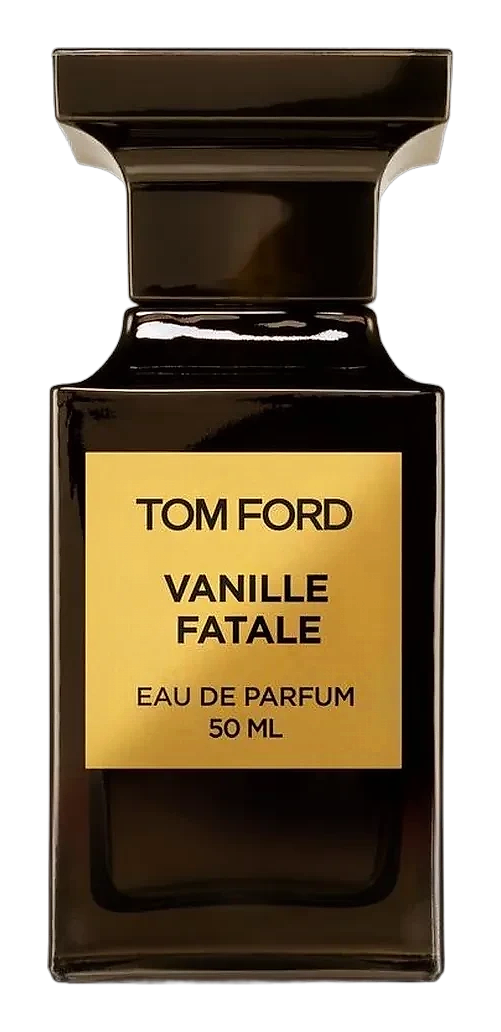
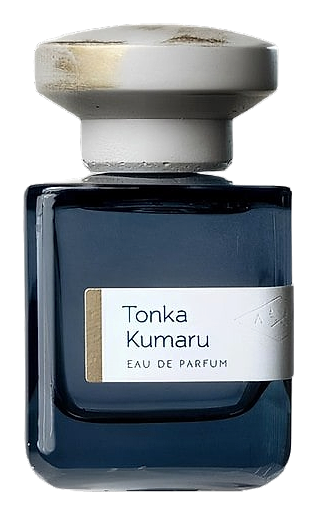
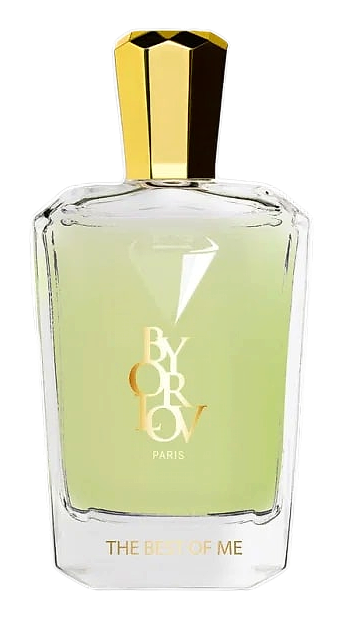
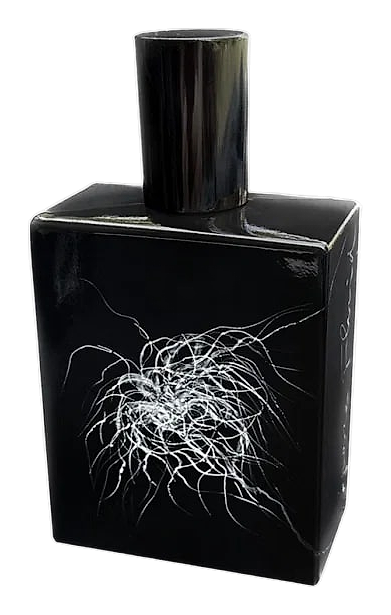
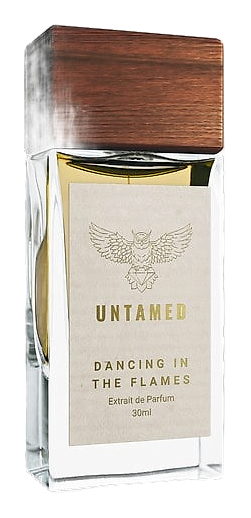
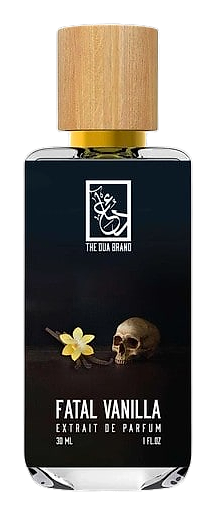
Fragrances featuring Roasted Barley


Brands
Brands known for Roasted Barley
Good to know
Questions, answered
The essentials on Roasted Barley in perfumery: how it smells, where it comes from, and how it behaves on skin.
What does roasted barley smell like in perfumery?
Roasted barley presents a warm, toasty aroma with nutty and slightly smoky qualities. It recalls the scent of fresh bread crust and roasted malt, adding comforting depth without heaviness. The note brings an intimate, hearth-like quality to fragrance compositions.
Is roasted barley natural or synthetic in fragrance?
Most fragrance applications use synthetically reproduced aroma compounds that mimic the chemical profile of heat-treated barley. Natural extraction from roasted grain is possible but less common due to consistency and yield considerations in commercial production.
What fragrance families feature roasted barley?
Oriental, gourmand, and Woody fragrance families commonly incorporate grain notes like roasted barley. It appears across warm winter compositions and comfort-focused scents, valued for adding emotional resonance and grounding effects to blends.
What notes pair well with roasted barley?
Roasted barley harmonizes with amber, vanilla, tonka bean, and honey for rich gourmand effects. It also pairs with warm woods like sandalwood and cedar, plus spices such as cardamom and cinnamon to enhance its toasty character.
How prominent is roasted barley in fragrance composition?
Roasted barley typically serves as a supporting note rather than a focal point. It adds subtle warmth and grounding rather than dominating a fragrance, functioning similarly to other grain accords in perfumery.
What creates the roasted quality in barley aroma?
The Maillard reaction produces pyrazines and furans during heat treatment of the grain. These same compounds appear in roasted coffee, chocolate, and caramel, giving roasted barley its characteristic toasty, nutty, and faintly smoky profile.
How does roasted barley perform as a fragrance note?
Roasted barley functions as a base to heart note with good longevity and sillage. It provides a warm foundation that lingers well, making it effective in fragrances designed for extended wear and cooler seasons.
Does barley have historical significance beyond food?
While barley itself was not a traditional perfumery ingredient, grain and cereal scents carry deep cultural resonance in Mediterranean and Near Eastern traditions where barley sustained civilizations for millennia. Modern perfumery channels this ancestral connection.